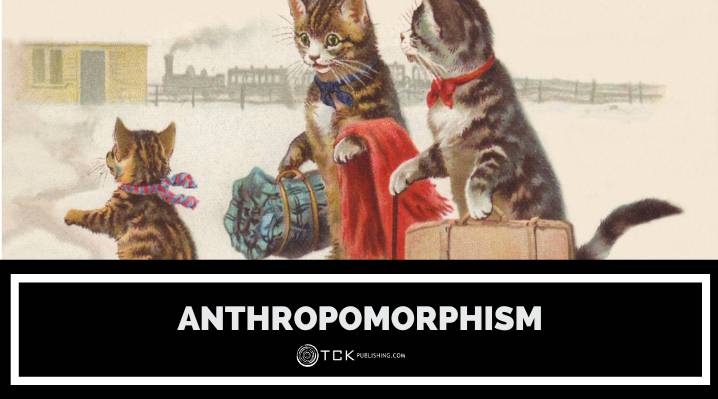
In the grand theater of corporate identity, mission statements often take center stage—not as static declarations, but as living, breathing entities that shape the soul of an organization. When these statements are imbued with anthropomorphism—the attribution of human traits to non-human things—they transcend mere words to become charismatic guides, whispering purpose into the collective consciousness of a company. This subtle alchemy transforms cold corporate prose into a narrative that employees and stakeholders alike can relate to, fostering a culture that feels less like a rigid structure and more like a shared journey. But how exactly does this linguistic sleight of hand influence the very fabric of company culture? Let’s embark on a journey through the labyrinth of corporate language to uncover the profound impact of anthropomorphism in mission statements.
The Metamorphosis of Mission Statements: From Cold Prose to Warm Companions
Mission statements are the DNA of an organization, encoding its raison d’être into a few carefully crafted sentences. Yet, when these statements are stripped of personality, they risk becoming sterile, forgettable, and—dare we say—soulless. Anthropomorphism breathes life into these declarations by endowing them with human qualities: a heartbeat, a voice, a will. Consider a mission statement that doesn’t merely declare, “We innovate,” but instead proclaims, “We are relentless pioneers, charging ahead with the curiosity of a child and the resolve of a seasoned explorer.” Suddenly, the statement is no longer a distant edict; it’s a rallying cry, a shared identity that employees can embody.
This transformation is not merely cosmetic. When a mission statement speaks in the first person—“We thrive on challenges” or “We listen before we act”—it invites employees to see themselves as co-authors of the company’s story. The statement ceases to be a top-down directive and becomes a collaborative manifesto, fostering a sense of ownership and belonging. The psychological underpinnings of this phenomenon are rooted in the human tendency to anthropomorphize; we naturally seek connections with entities that exhibit human-like traits, and a mission statement that does so becomes a trusted companion rather than a distant authority.
The Ripple Effect: How Anthropomorphism Shapes Employee Behavior
The influence of anthropomorphic mission statements extends far beyond the page, seeping into the daily behaviors and attitudes of employees. When a company’s purpose is framed as a living, evolving entity, it encourages a mindset of adaptability and resilience. For instance, a statement like, “We grow by embracing the unknown,” frames challenges not as obstacles but as opportunities for evolution. Employees, in turn, adopt this perspective, approaching their work with a sense of curiosity and flexibility rather than fear of failure.
Moreover, anthropomorphism fosters empathy within the organizational ecosystem. A mission statement that declares, “We care deeply about our community,” transforms the abstract concept of corporate social responsibility into a tangible, emotional commitment. Employees are more likely to internalize this value, translating it into actions that benefit not just the bottom line but the broader world. This emotional resonance can also enhance teamwork, as employees see their colleagues not just as coworkers but as fellow travelers on a shared mission.
Yet, the power of anthropomorphism is not without its pitfalls. If overused or insincere, it can feel manipulative, reducing complex human experiences to hollow slogans. The key lies in authenticity—when the anthropomorphic elements of a mission statement reflect genuine values, they become a catalyst for positive change. When they are contrived, they risk breeding cynicism, undermining the very culture they seek to cultivate.
The Alchemy of Language: Crafting a Mission Statement That Breathes
Creating an anthropomorphic mission statement is an art form that requires finesse, creativity, and a deep understanding of the company’s ethos. The process begins with identifying the core human traits that define the organization’s identity. Is the company a visionary, gazing into the future with unbridled optimism? A guardian, steadfastly protecting its values? A catalyst, sparking innovation at every turn? Once these traits are identified, they can be woven into the mission statement with vivid metaphors and evocative language.
For example, a tech startup might craft a mission statement that reads, “We are the architects of the digital frontier, building bridges between possibility and reality.” Here, the company is not just developing software; it is an active participant in a grand narrative, shaping the future with every line of code. The use of the word “architects” imbues the statement with creativity and purpose, while “bridges” suggests connection and collaboration. Such language transforms the mission statement from a static declaration into a dynamic force that guides decision-making and inspires action.
Another technique is to personify the company’s challenges and goals. Instead of stating, “We aim to reduce our environmental impact,” a mission statement might declare, “We are stewards of the earth, nurturing its resources with the same care we would our own home.” This framing elevates the company’s environmental efforts from a corporate obligation to a moral imperative, fostering a deeper sense of responsibility among employees.
The Cultural Echo: How Anthropomorphism Resonates with Stakeholders
The impact of anthropomorphic mission statements is not confined to the internal workings of a company; it also resonates with external stakeholders, from customers to investors. When a mission statement speaks in a human voice, it creates an emotional connection that transcends transactional relationships. Customers are more likely to feel a sense of loyalty to a brand that feels relatable and purpose-driven, while investors may be drawn to companies that demonstrate a clear and compelling vision.
Consider the mission statement of a company like Patagonia: “Build the best product, cause no unnecessary harm, use business to inspire and implement solutions to the environmental crisis.” The use of the imperative “build” and the phrase “cause no unnecessary harm” imbues the statement with a sense of agency and moral clarity. This anthropomorphic framing makes the company’s values tangible, fostering trust and admiration among its customer base.
For investors, an anthropomorphic mission statement can signal a company’s long-term potential. A statement that declares, “We are pioneers, unafraid to challenge the status quo,” suggests a culture of innovation and resilience—qualities that are highly attractive to those seeking sustainable growth. By humanizing the company’s purpose, the mission statement becomes a beacon that attracts like-minded individuals and organizations, further strengthening the company’s cultural and strategic foundations.
The Dark Side: When Anthropomorphism Backfires
While the benefits of anthropomorphism in mission statements are undeniable, it is crucial to acknowledge the potential downsides. When used insincerely or excessively, anthropomorphism can feel gimmicky, undermining the authenticity of the company’s values. A mission statement that reads, “We are the heartbeat of innovation,” might sound poetic, but if the company’s actions do not align with this declaration, it risks being dismissed as mere corporate fluff.
Moreover, anthropomorphism can inadvertently create a culture of performative idealism, where employees feel pressured to embody the humanized traits of the mission statement without genuine buy-in. This can lead to burnout, as employees struggle to live up to an idealized version of the company’s identity. The key to avoiding this pitfall is to ensure that the anthropomorphic elements of the mission statement are rooted in reality, reflecting the company’s true values and culture.
Another risk is the potential for anthropomorphism to oversimplify complex issues. By framing the company’s purpose in human terms, there is a danger of reducing multifaceted challenges to binary narratives—good vs. evil, success vs. failure. This can stifle critical thinking and discourage nuanced discussions about the company’s role in the world. To mitigate this, mission statements should balance anthropomorphic language with a recognition of the complexities and ambiguities inherent in any organizational endeavor.
The Future of Corporate Narratives: Anthropomorphism in the Digital Age
As we stand on the precipice of a new era defined by artificial intelligence and digital transformation, the role of anthropomorphism in mission statements is poised to evolve. Companies are increasingly leveraging AI and data analytics to craft personalized mission statements that resonate with individual employees, tailoring the narrative to reflect their unique contributions and aspirations. This hyper-personalization can deepen the emotional connection between employees and the company’s purpose, fostering a culture of inclusivity and empowerment.
At the same time, the rise of AI presents new challenges for anthropomorphism. As companies increasingly rely on algorithms to generate mission statements, there is a risk that the language will become formulaic, losing the authenticity and creativity that make anthropomorphic statements so compelling. To counter this, companies must prioritize human-centric storytelling, ensuring that their mission statements remain grounded in genuine values and experiences.
Looking ahead, the most successful mission statements will be those that strike a delicate balance between anthropomorphism and authenticity. They will be living documents, evolving in tandem with the company and its stakeholders, rather than static declarations. By embracing the power of language to humanize corporate purpose, companies can cultivate cultures that are not only productive and innovative but also deeply meaningful and resilient.