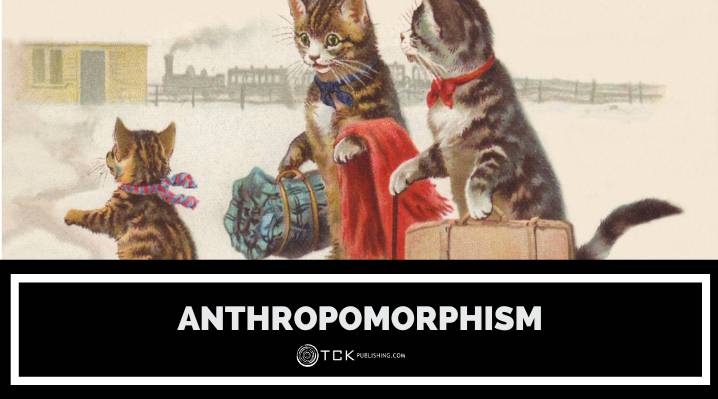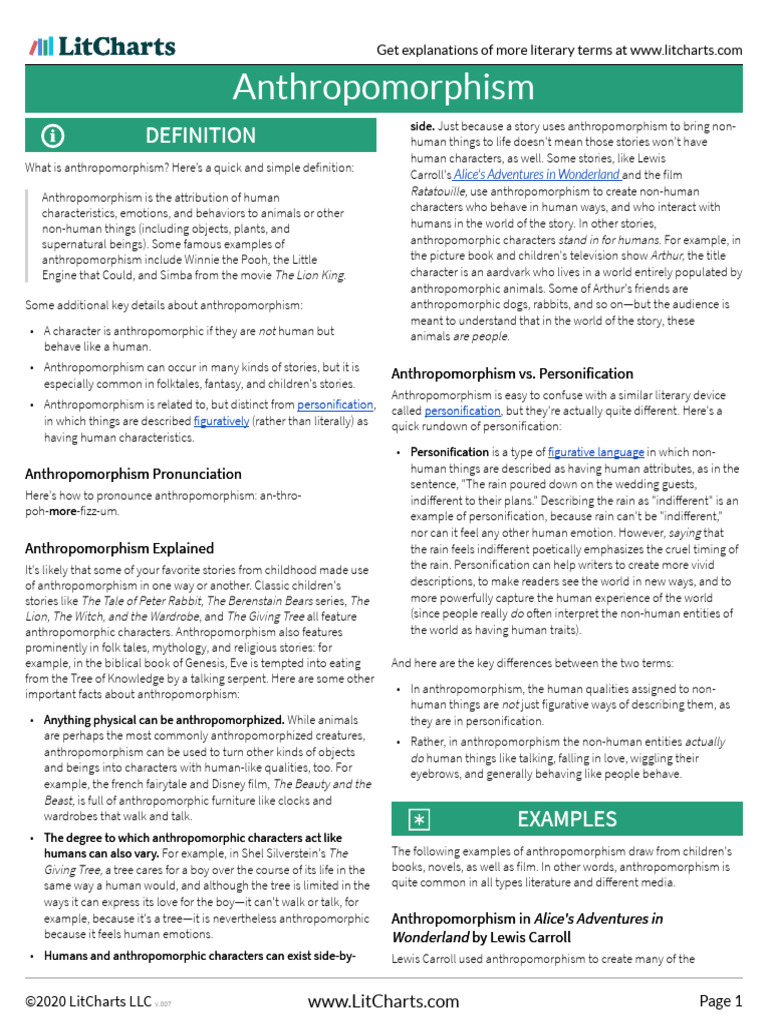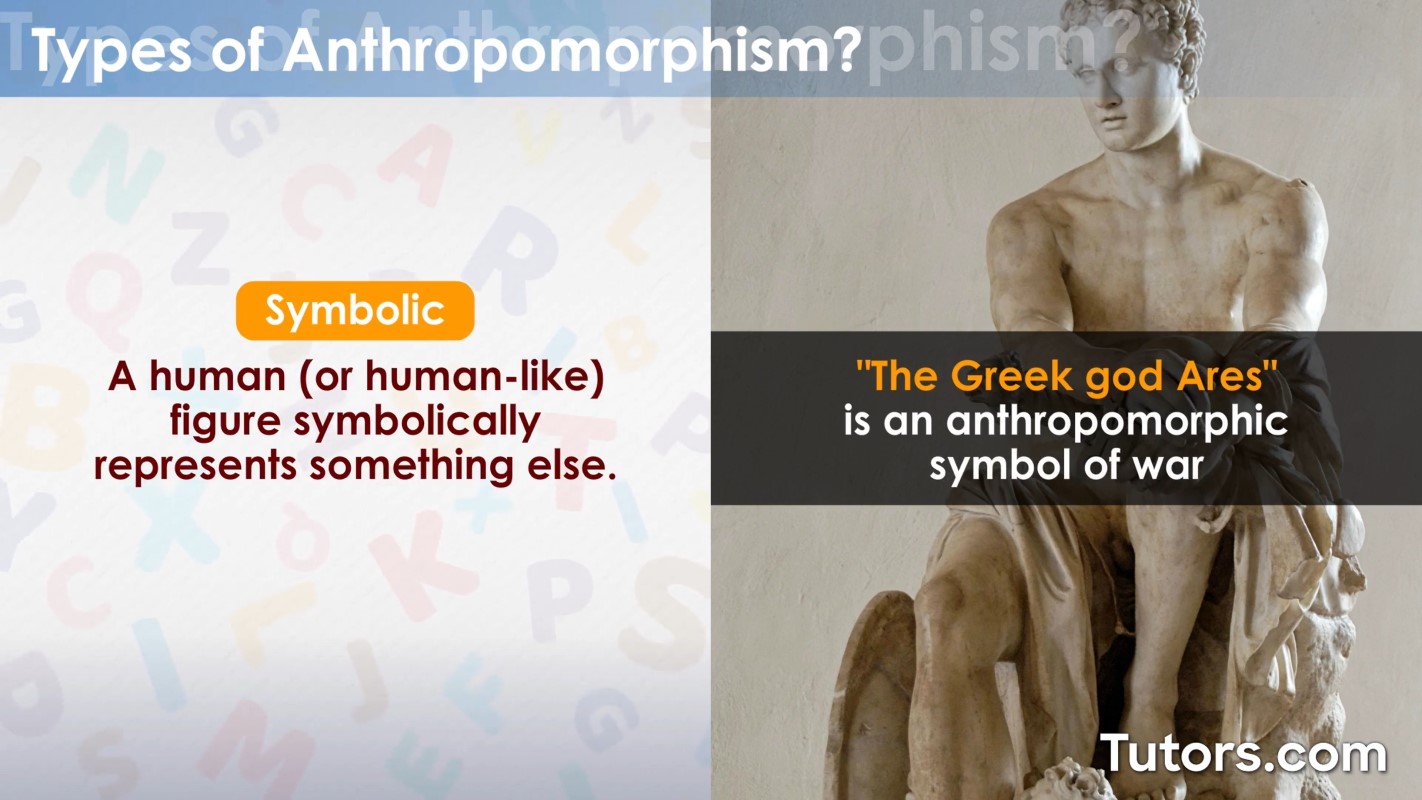
Anthropomorphism—the attribution of human traits, emotions, or intentions to non-human entities—is far more than a literary device or artistic flourish. It is a mirror held up to society, reflecting our deepest values, fears, and aspirations. From ancient myths to modern marketing, the act of endowing animals, objects, or even abstract concepts with human characteristics reveals what we cherish, what we fear, and how we navigate the boundaries between the familiar and the unknown. This phenomenon is not merely a tool for storytelling; it is a cultural barometer, signaling shifts in societal priorities, ethical boundaries, and collective imagination. By examining the various forms anthropomorphism takes—be it in literature, technology, or everyday branding—we uncover the intricate ways in which human identity is projected onto the world around us, and how those projections, in turn, shape our understanding of ourselves.
The Literary Landscape: Where Myths and Morals Collide
Literature has long been a fertile ground for anthropomorphism, where gods, animals, and inanimate objects are granted voices, motives, and emotions to convey complex moral and philosophical truths. In ancient fables, animals often embody human virtues and vices, serving as allegorical guides to societal norms. Aesop’s Fox and the Grapes, for instance, critiques the human tendency toward rationalization, while Rudyard Kipling’s Jungle Book explores themes of civilization and savagery through the lens of animal camaraderie. These narratives do more than entertain; they distill cultural anxieties into digestible parables, allowing readers to confront uncomfortable truths through the safety of metaphor.
Modern literature continues this tradition, though with a more nuanced approach. Works like Animal Farm by George Orwell use anthropomorphic animals to dissect political ideologies, revealing how power structures corrupt even the most idealistic systems. Similarly, Haruki Murakami’s surrealist tales often feature characters who blur the line between human and non-human, challenging readers to question the nature of identity itself. These stories thrive on the tension between the familiar (human traits) and the unfamiliar (non-human forms), creating a space where readers can explore existential questions without the weight of direct confrontation.

The power of literary anthropomorphism lies in its ability to universalize experience. By stripping away the specifics of human form, these narratives invite readers to see themselves in the most unlikely of protagonists—a lesson in empathy that transcends cultural and temporal boundaries. Whether through the cunning of Reynard the Fox or the tragic heroism of Mowgli, anthropomorphic characters serve as bridges between the self and the other, reminding us that humanity is not confined to flesh and bone.
Branding and the Art of Humanizing the Inanimate
In the commercial realm, anthropomorphism is a masterstroke of persuasion, transforming products into relatable entities that consumers can trust, admire, or even love. Mascots like the Michelin Man or Tony the Tiger don’t just sell tires or cereal—they embody the values of their brands, becoming ambassadors of reliability, fun, or nostalgia. This strategy leverages the human brain’s innate tendency to anthropomorphize, creating emotional connections that transcend the functional attributes of a product. When a cartoon character “speaks” to us, it doesn’t just convey information; it fosters a relationship.
Consider the evolution of corporate anthropomorphism in the digital age. Tech companies, in particular, have embraced this tactic to make their products feel more approachable. Voice assistants like Siri or Alexa are designed with personalities—sometimes sassy, sometimes nurturing—to mimic human interaction. This isn’t merely a gimmick; it’s a response to the human need for companionship in an increasingly automated world. By imbuing machines with human-like traits, brands create a sense of familiarity, reducing the cognitive dissonance that might otherwise accompany interactions with artificial intelligence.

Yet, the anthropomorphism of brands is not without its pitfalls. When companies overstep, projecting human flaws onto their products, the backlash can be swift. The infamous “New Coke” fiasco of 1985 is a case in point: Coca-Cola’s attempt to anthropomorphize its brand by altering a beloved formula backfired, revealing how deeply consumers had invested in the “personality” of the product. This underscores a critical truth: anthropomorphism in branding must align with authentic values. A mascot or AI persona that feels disingenuous erodes trust, while one that resonates with societal ideals—such as sustainability or innovation—can foster unwavering loyalty.
Technology and the Blurring of Human-Machine Boundaries
The 21st century has witnessed an unprecedented surge in anthropomorphic technology, where machines are not just tools but quasi-social entities. From chatbots that simulate empathy to robots designed to mimic human expressions, the line between human and machine is increasingly porous. This phenomenon reflects society’s evolving relationship with technology—one that seeks not just utility but companionship. The rise of social robots, like those used in elder care or autism therapy, demonstrates how anthropomorphism can bridge gaps in human connection, offering comfort where traditional interactions fall short.
However, this trend also raises ethical questions. When we imbue machines with human-like qualities, do we risk devaluing genuine human relationships? The phenomenon of “AI companionship,” where individuals form emotional attachments to chatbots or virtual assistants, challenges our understanding of intimacy and authenticity. Studies suggest that people often treat these entities with the same emotional responses they would reserve for humans, blurring the boundaries of what constitutes a “real” relationship. This raises profound questions about the future of human connection in a world where the non-human can so easily wear the mask of the human.

Moreover, the anthropomorphism of technology often reflects societal biases. Voice assistants with female voices defaulting to submissive roles or robots designed with overly sexualized features reveal how deeply ingrained stereotypes are in our collective imagination. These design choices are not neutral; they encode cultural assumptions about gender, power, and agency. As technology becomes more anthropomorphic, it is imperative that we interrogate the values it embodies—and the values we project onto it.
Art and the Subversion of the Human Form
In the visual arts, anthropomorphism takes on a more subversive role, challenging viewers to reconsider the boundaries of identity and representation. Artists like Louise Bourgeois and Francis Bacon have explored the grotesque and the surreal, using distorted human forms to evoke visceral reactions and provoke thought. Bourgeois’ Maman, a towering spider sculpture, is both awe-inspiring and unsettling, embodying themes of maternity, protection, and fear. Here, anthropomorphism is not about comfort or relatability; it’s about disruption, forcing the viewer to confront the uncanny and the unknown.
Contemporary digital art and animation further expand the possibilities of anthropomorphism, creating hybrid beings that defy categorization. Artists like Refik Anadol use AI to generate dreamlike, anthropomorphic forms that exist in a liminal space between abstraction and figuration. These works reflect a society grappling with the fluidity of identity in the digital age, where the human form is no longer a fixed entity but a malleable construct. The anthropomorphic art of today doesn’t just reflect societal values—it actively reshapes them, pushing the boundaries of what we consider “human.”

The subversive power of anthropomorphic art lies in its ability to expose the fragility of our assumptions. By distorting or reimagining the human form, artists challenge us to question the narratives we take for granted—whether about gender, race, or even the very concept of humanity. In doing so, they invite us to see the world—and ourselves—through a new lens.
The Psychological Underpinnings: Why We See Ourselves in Everything
To understand why anthropomorphism is so pervasive, we must delve into the psychology behind it. Cognitive scientists propose that our tendency to attribute human traits to non-human entities stems from a fundamental need for pattern recognition and social connection. Evolutionarily, it was advantageous to perceive agency in the environment—whether it was a predator or a storm—because it allowed for quicker responses to potential threats. Today, this same mechanism leads us to see faces in clouds or emotions in machines, a phenomenon known as “pareidolia.”
Anthropomorphism also serves as a coping mechanism in an increasingly complex world. By humanizing the unfamiliar, we reduce uncertainty and create a sense of control. This is why people often report feeling comforted by inanimate objects that seem to “respond” to them, or why children develop attachments to stuffed animals that feel like companions. In times of stress or isolation, anthropomorphism can provide a semblance of companionship, filling the void left by absent human connections.
Yet, this psychological tendency is not without its drawbacks. Over-anthropomorphizing can lead to misplaced empathy—for instance, attributing human suffering to animals or objects in ways that distort reality. It can also reinforce anthropocentrism, the belief that humans are the central or most significant species on Earth, which has contributed to environmental degradation and the exploitation of non-human life. Recognizing these pitfalls is crucial as we navigate a world where anthropomorphism is increasingly embedded in technology, media, and even our interactions with the natural world.

Ultimately, the psychological roots of anthropomorphism reveal a paradox: while it helps us navigate the world, it also shapes how we perceive it. By understanding this duality, we can harness the power of anthropomorphism more mindfully, using it not just to reflect our values but to interrogate them.
Anthropomorphism in the Natural World: Ecological Ethics and Beyond
The natural world has long been a canvas for anthropomorphic projection, from ancient myths of talking trees to modern environmental campaigns that personify endangered species. This practice is not merely whimsical; it serves a critical function in ecological advocacy. By endowing animals, plants, or even ecosystems with human-like qualities—such as suffering, resilience, or agency—we make their plight more relatable to a human audience. The iconic “Earth” as a suffering entity in environmental documentaries is a prime example, using anthropomorphism to evoke empathy for a planet we often take for granted.
However, the anthropomorphism of nature is a double-edged sword. On one hand, it can inspire conservation efforts by fostering emotional connections. On the other, it risks reducing complex ecological systems to simplistic narratives that prioritize human-centric values. For instance, depicting a forest as a “dying patient” might galvanize action, but it also obscures the intricate, non-human processes that define its existence. This tension underscores the need for nuanced anthropomorphism—one that acknowledges the agency of non-human entities without erasing their intrinsic value.

In indigenous cultures, anthropomorphism often takes a more reciprocal form, where humans and non-humans are seen as interconnected participants in a shared world. This perspective challenges the Western tendency to separate humanity from nature, offering a more holistic approach to environmental ethics. By recognizing the “personhood” of rivers, mountains, or animals, these cultures foster a sense of stewardship that is absent in more anthropocentric worldviews. This raises a provocative question: Could a deeper, more reciprocal form of anthropomorphism help us address the ecological crises of the 21st century?
The Future of Anthropomorphism: Ethics, Innovation, and Identity
As we stand on the precipice of a new era—one defined by AI, genetic engineering, and climate change—the role of anthropomorphism in shaping our future has never been more consequential. The development of humanoid robots, capable of mimicking human expressions and emotions, forces us to confront profound ethical dilemmas. If a robot can convincingly simulate empathy, does it deserve rights? If an AI can “feel” pain, how should we treat it? These questions are not abstract; they are already emerging in courtrooms and legislative chambers around the world.
Moreover, the anthropomorphism of technology is reshaping our understanding of identity. In a world where avatars, digital assistants, and AI companions are increasingly part of our daily lives, the boundaries between the self and the other are becoming fluid. This has led to new forms of social interaction, where relationships with non-human entities are as meaningful as those with humans. Yet, it also raises concerns about the commodification of human connection, where corporations profit from selling the illusion of companionship.
The future of anthropomorphism will likely be defined by two competing forces: the desire for connection and the need for authenticity. As technology becomes more lifelike, we will be forced to ask: What does it mean to be human in a world where the non-human can so easily wear our face? The answer may lie not in rejecting anthropomorphism outright, but in using it as a tool for introspection—one that helps us clarify our values, confront our biases, and imagine new possibilities for coexistence.

In the end, anthropomorphism is not just a reflection of who we are; it is a blueprint for who we might become. By engaging with it thoughtfully, we can use its power to build a future that is more empathetic, more just, and more attuned to the interconnectedness of all life—human and otherwise.