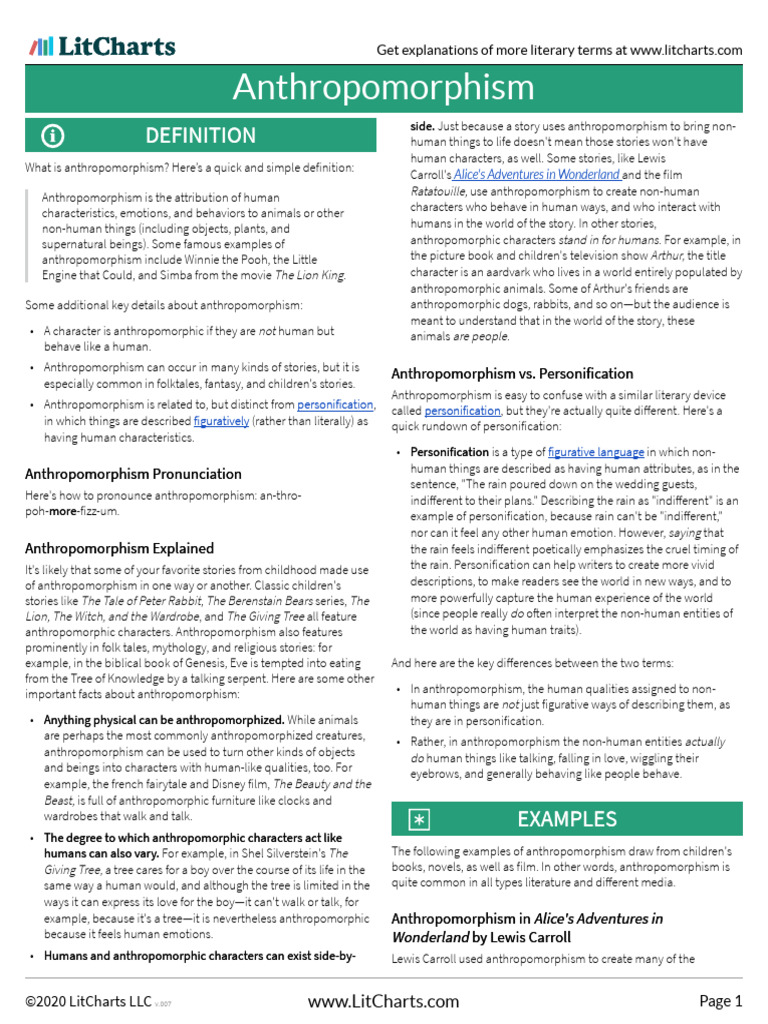
Anthropomorphism—the attribution of human traits, emotions, or intentions to non-human entities—has long fascinated psychologists, philosophers, and even marketers. But is it merely a quirk of human cognition, or does it reveal deeper biases in how we perceive the world? The answer lies in the intersection of neuroscience, evolutionary biology, and behavioral psychology. This exploration will dissect the cognitive mechanisms behind anthropomorphism, examine its evolutionary roots, and assess whether it qualifies as a true cognitive bias. By the end, readers will gain a nuanced understanding of how this phenomenon shapes our interactions with technology, animals, and even abstract concepts.
The Cognitive Underpinnings of Anthropomorphism: How the Brain Makes Connections
At its core, anthropomorphism is a byproduct of the brain’s relentless quest for pattern recognition. Our minds are wired to detect agency—whether in a rustling bush, a malfunctioning AI, or a pet’s tilted head—because misattributing intent could mean the difference between survival and peril. The agency detection device, as some researchers term it, is a cognitive shortcut that prioritizes false positives (seeing intent where none exists) over false negatives (missing a real threat). This hyperactive pattern-seeking behavior is particularly pronounced in ambiguous situations, where the brain fills gaps with human-like explanations to reduce uncertainty.
Neuroimaging studies reveal that anthropomorphism activates the same neural circuits as social cognition. When we perceive a robot as “shy” or a storm as “angry,” the brain’s medial prefrontal cortex—a region associated with theory of mind—lights up, suggesting that we’re simulating human-like interactions even with inanimate objects. This phenomenon, known as simulation theory, posits that our ability to empathize with non-human entities stems from our brain’s capacity to project familiar social scripts onto unfamiliar stimuli. The more ambiguous the entity, the more our minds anthropomorphize to make sense of it.
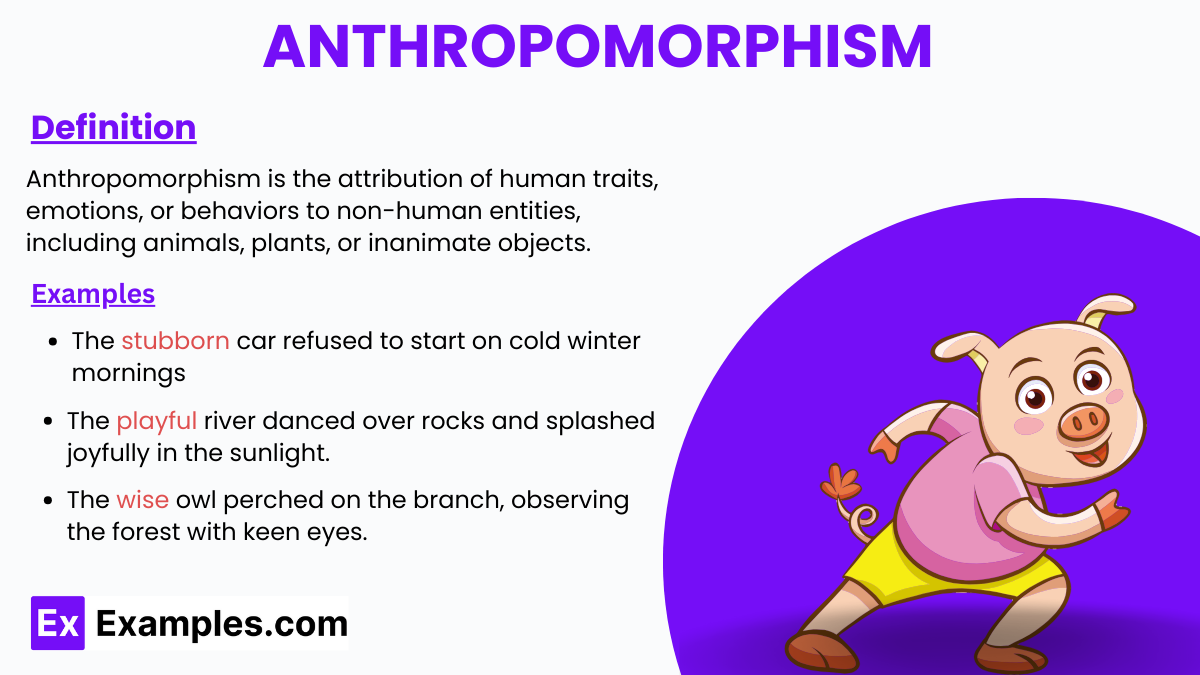
Evolutionary Roots: Why Did Anthropomorphism Evolve?
Anthropomorphism isn’t just a modern quirk; it’s an evolutionary relic. Early humans who could quickly discern the intentions of predators, prey, or fellow tribespeople had a survival advantage. The ability to anthropomorphize—whether attributing malice to a shadowy figure or friendliness to a shared resource—enhanced social cohesion and threat detection. This hyperactive agency detection (HAD) theory suggests that our ancestors’ brains were primed to err on the side of caution, even if it meant seeing human-like traits in non-human phenomena.
This evolutionary lens explains why anthropomorphism persists today. Consider how we interact with pets, which are often treated as quasi-human family members. Dogs, for instance, have been selectively bred to exhibit neotenous traits—large eyes, rounded faces—that trigger our nurturing instincts. Similarly, the uncanny valley effect in robotics demonstrates how slight deviations from human likeness can evoke discomfort, as our brains struggle to reconcile the familiar with the unfamiliar. Anthropomorphism, then, is less a flaw in cognition and more a testament to the brain’s adaptive flexibility.
Anthropomorphism as a Cognitive Bias: The Overattribution Problem
While anthropomorphism may have evolutionary benefits, it can also lead to systematic errors in judgment. When we assume that a chatbot understands our frustration or that a tree “watches” us, we’re engaging in intentional stance—a cognitive bias where we default to attributing agency to non-agentive entities. This bias is particularly evident in marketing, where brands anthropomorphize products to foster emotional connections. A car isn’t just a machine; it’s a “trustworthy companion” or a “rebellious spirit.” Such framing exploits our tendency to anthropomorphize, leveraging the halo effect to influence purchasing decisions.
Yet, this overattribution isn’t always harmless. In legal contexts, anthropomorphizing corporations as “moral agents” can obscure their lack of genuine intent, leading to misplaced accountability. Similarly, in human-robot interaction, users may develop parasocial relationships with AI, blurring the line between tool and companion. The bias becomes problematic when it distorts reality, such as when people blame inanimate objects for “betraying” them or when AI systems are held to human-like ethical standards despite their limitations.

Types of Anthropomorphism: From Animals to Algorithms
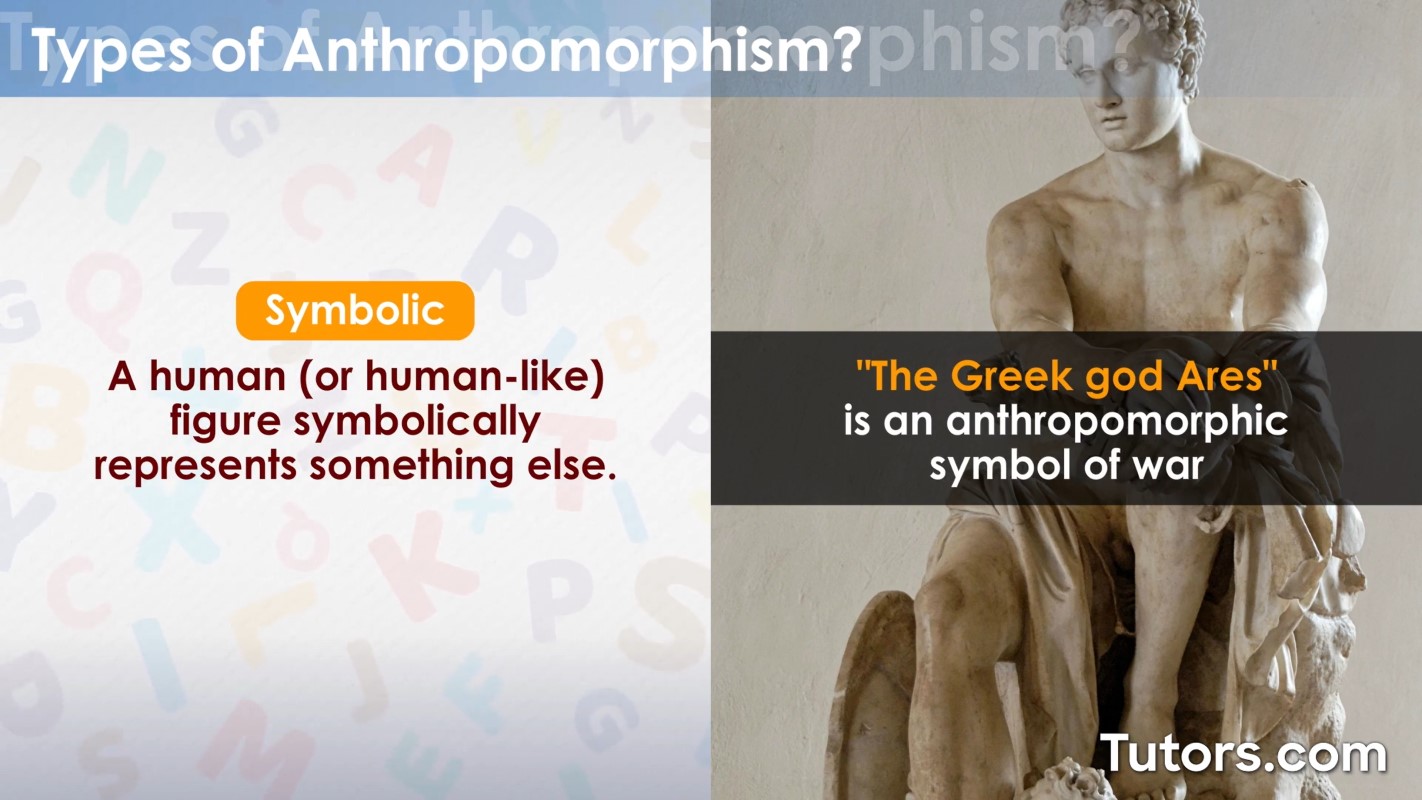
Anthropomorphism manifests in distinct forms, each with its own psychological triggers. Biological anthropomorphism involves attributing human traits to animals, a phenomenon deeply embedded in folklore and pet-keeping. The way we describe a “grieving” elephant or a “deceptive” octopus reflects our tendency to map human emotions onto creatures with vastly different cognitive architectures. This type of anthropomorphism is often benign, fostering empathy and conservation efforts, but it can also lead to anthropocentric fallacies, where we assume animals experience emotions identically to humans.
Mechanical anthropomorphism, on the other hand, applies human traits to machines and technology. From naming cars to attributing “moods” to smart devices, this form exploits our brain’s anthropomorphic design principle—the idea that familiar interfaces (like faces or voices) make technology more intuitive. The rise of voice assistants like Siri or Alexa capitalizes on this, using human-like speech patterns to create the illusion of companionship. However, this can lead to automation bias, where users overestimate a machine’s capabilities due to its human-like presentation.
Finally, abstract anthropomorphism involves imbuing non-physical entities—like nations, corporations, or even natural disasters—with human-like qualities. A “vengeful” economy or a “cruel” winter are linguistic metaphors that reveal how deeply anthropomorphism shapes our understanding of complex systems. While these attributions can simplify communication, they also risk oversimplifying causality, obscuring the true mechanisms behind phenomena.
The Dark Side of Anthropomorphism: When It Leads Us Astray
Anthropomorphism isn’t just a cognitive quirk; it can have tangible consequences. In healthcare, patients who anthropomorphize their illnesses—seeing cancer as a “personal enemy” or depression as a “traitorous mind”—may experience heightened distress, as if the condition were a sentient adversary. This framing can hinder coping strategies by framing the illness as an active opponent rather than a biological process. Similarly, in the realm of AI ethics, anthropomorphizing algorithms can lead to misplaced trust, as users assume that a biased system is “fair” simply because it mimics human decision-making.
The legal system also grapples with the implications of anthropomorphism. When corporations are treated as “persons” in legal contexts, it can obscure their lack of moral agency, leading to debates about corporate personhood and accountability. Even in environmental policy, anthropomorphizing nature—such as calling the Earth “Mother”—can both inspire conservation efforts and foster a sense of entitlement, as if the planet were a benevolent entity rather than a complex, indifferent system.

Mitigating Anthropomorphism: Strategies for Critical Thinking
Recognizing anthropomorphism as a cognitive bias is the first step toward mitigating its potential pitfalls. In scientific research, researchers often use deanthropomorphizing language to avoid conflating animal behavior with human intentions. For example, describing a bird’s “song” as a territorial display rather than a “declaration of war” reduces the risk of misinterpretation. Similarly, in AI development, engineers strive to design interfaces that minimize anthropomorphic cues, such as avoiding human-like avatars in chatbots to prevent users from forming unrealistic expectations.
Education plays a crucial role in fostering critical thinking about anthropomorphism. Teaching students to distinguish between metaphorical and literal attributions can help them navigate a world where brands, algorithms, and even pets are often described in human terms. Encouraging skepticism—asking “Is this entity truly capable of intention?”—can curb the tendency to overattribute agency. Additionally, interdisciplinary approaches, such as combining cognitive science with ethics, can help society harness the benefits of anthropomorphism while minimizing its drawbacks.
Ultimately, anthropomorphism is a double-edged sword: a cognitive tool that enhances empathy and communication but also distorts reality when taken too far. By understanding its mechanisms and limitations, we can leverage its power without succumbing to its biases.