Anthropomorphism—the act of ascribing human traits, emotions, or intentions to non-human entities—permeates our daily lives, from the animated characters we adore to the corporate logos we recognize. It is not merely a literary device but a cognitive shortcut that helps us make sense of the world. Whether through myth, marketing, or modern media, anthropomorphism shapes how we interpret reality, fostering connection and empathy where none logically exists. This guide explores its multifaceted nature, tracing its roots from ancient storytelling to its role in contemporary culture.
The Genesis of Anthropomorphism: When Myth Met Mind
The origins of anthropomorphism stretch back to the earliest human civilizations, where gods, animals, and natural forces were imbued with human-like personalities. Ancient Egyptians worshipped deities with animal heads—Thoth as an ibis, Bastet as a cat—believing that such forms bridged the divine and the mortal. Similarly, Greek myths populated Mount Olympus with deities who quarreled, loved, and schemed like humans, reflecting a profound need to humanize the cosmos. These narratives were not mere fables; they were cognitive tools that rendered the unknown familiar.
Cognitive psychologists argue that anthropomorphism arises from our brain’s tendency to detect agency and intention, even where none exists. This hyperactive agency detection—a survival mechanism—once helped early humans avoid predators by assuming rustling bushes harbored danger. Today, it manifests in our readiness to see faces in clouds or voices in the hum of appliances. Anthropomorphism is, in essence, the mind’s way of reducing uncertainty by projecting human structure onto the unfamiliar.
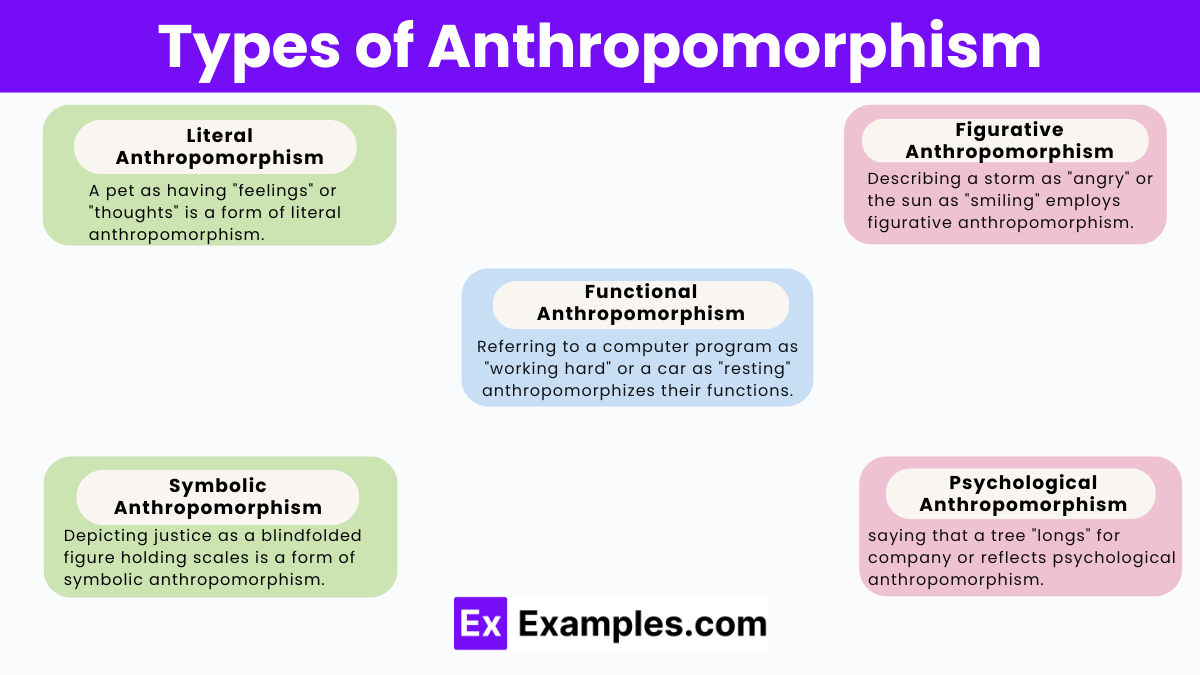
Literary Anthropomorphism: From Fables to Fantasy
Literature has long been the playground of anthropomorphism, where inanimate objects, animals, and even abstract concepts take on human voices. Aesop’s fables, with their talking foxes and scheming tortoises, taught moral lessons through relatable characters. In the 18th century, Gulliver’s Travels satirized human society by casting Lilliputians and giants as exaggerated reflections of humanity. Modern fantasy, too, thrives on anthropomorphism: C.S. Lewis’s Narnia peopled its world with talking beasts, while Animal Farm used barnyard animals to critique political systems.
What makes literary anthropomorphism so enduring is its ability to distill complex ideas into tangible, emotional narratives. By personifying greed as a dragon or justice as a blindfolded figure, writers transform abstract concepts into characters we can root for—or fear. This technique not only simplifies storytelling but also invites readers to engage more deeply with themes, blurring the line between the literal and the symbolic.
Visual Anthropomorphism: When Art Imitates Life (or Vice Versa)
The visual arts have harnessed anthropomorphism to evoke emotion and provoke thought. Renaissance paintings often depicted angels with human features, while surrealists like Salvador Dalí played with distorted, human-like forms in dreamlike landscapes. In contemporary design, anthropomorphism is everywhere: from the smiling faces on emojis to the “eyes” painted on the rear of buses to deter theft. These visual cues exploit our innate tendency to anthropomorphize, creating instant relatability.
Advertising, in particular, leverages this phenomenon. Mascots like the Pillsbury Doughboy or the Michelin Man transform products into characters, fostering brand loyalty through personality. Even logos—think of the Twitter bird or the Apple’s bitten apple—rely on anthropomorphic cues to convey approachability and friendliness. The success of these designs hinges on their ability to make the inanimate feel alive.

Anthropomorphism in Technology: Designing for Empathy
As technology becomes increasingly integrated into our lives, anthropomorphism has become a cornerstone of user experience design. Voice assistants like Siri and Alexa are programmed with human-like voices and conversational patterns to foster trust. Robots, too, are designed with facial features or expressive movements to elicit empathy—consider the wide-eyed, childlike expressions of social robots like Pepper.
This trend reflects a deeper truth: humans are wired to respond to social cues. When a chatbot apologizes for a delay or a GPS system thanks you for your patience, it triggers the same neural pathways as human interaction. However, this raises ethical questions. Does over-anthropomorphizing technology obscure its limitations, leading users to overestimate its capabilities? The line between helpful design and misleading personification is a fine one, demanding careful consideration from creators.
Cultural Anthropomorphism: Gods, Spirits, and Supernatural Beings
Across cultures, anthropomorphism has shaped religious and spiritual beliefs. Hindu deities like Ganesha, with an elephant’s head and human body, symbolize wisdom and remover of obstacles. In Japanese Shinto, kami (spirits) inhabit trees, rivers, and mountains, often depicted with human-like qualities. Even in secular contexts, cultural icons—such as the American Uncle Sam or the British John Bull—personify national identity, making abstract concepts like patriotism tangible.
This cultural variation highlights anthropomorphism’s adaptability. What remains constant is its function: to make the divine, the mystical, and the intangible accessible. By giving form to the formless, cultures create narratives that resonate on a deeply human level, reinforcing shared values and identities.
The Dark Side of Anthropomorphism: When Projection Becomes Problematic
While anthropomorphism can foster connection, it also carries risks. Over-attributing human traits to non-human entities can lead to misplaced empathy or ethical dilemmas. For instance, attributing human emotions to AI systems might obscure their lack of consciousness, fostering unrealistic expectations. Similarly, anthropomorphizing animals—such as assuming a dog’s “guilt” when it avoids eye contact—can misinterpret their behavior, leading to flawed training or care.
In environmental ethics, anthropomorphism can distort conservation efforts. Viewing ecosystems as “suffering” or “dying” may anthropomorphize natural processes, potentially oversimplifying complex ecological interactions. The challenge lies in balancing empathy with accuracy, ensuring that our projections do not obscure the realities of the non-human world.
Anthropomorphism in the Digital Age: Avatars, AI, and Virtual Worlds
The digital revolution has expanded anthropomorphism into new frontiers. Video games populate worlds with characters who think, feel, and evolve, while virtual influencers like Lil Miquela blur the line between human and AI. Social media platforms encourage users to create anthropomorphic avatars, allowing for self-expression beyond physical constraints.
This digital anthropomorphism raises questions about identity and authenticity. Can an AI truly “feel” emotions if it mimics them convincingly? Does an avatar reflect the user’s true self or an idealized version? As technology advances, these questions will become increasingly pertinent, challenging our understanding of what it means to be human.
Conclusion: The Enduring Allure of the Humanized World
Anthropomorphism is more than a literary or artistic device—it is a fundamental aspect of human cognition. From ancient myths to cutting-edge AI, it reflects our innate desire to find meaning in the world around us. By projecting humanity onto the non-human, we create narratives that comfort, challenge, and inspire. Whether through the whimsical charm of a talking teapot or the solemn gaze of a deity, anthropomorphism reminds us of our capacity to see ourselves in everything—and in doing so, to find connection in the most unexpected places.