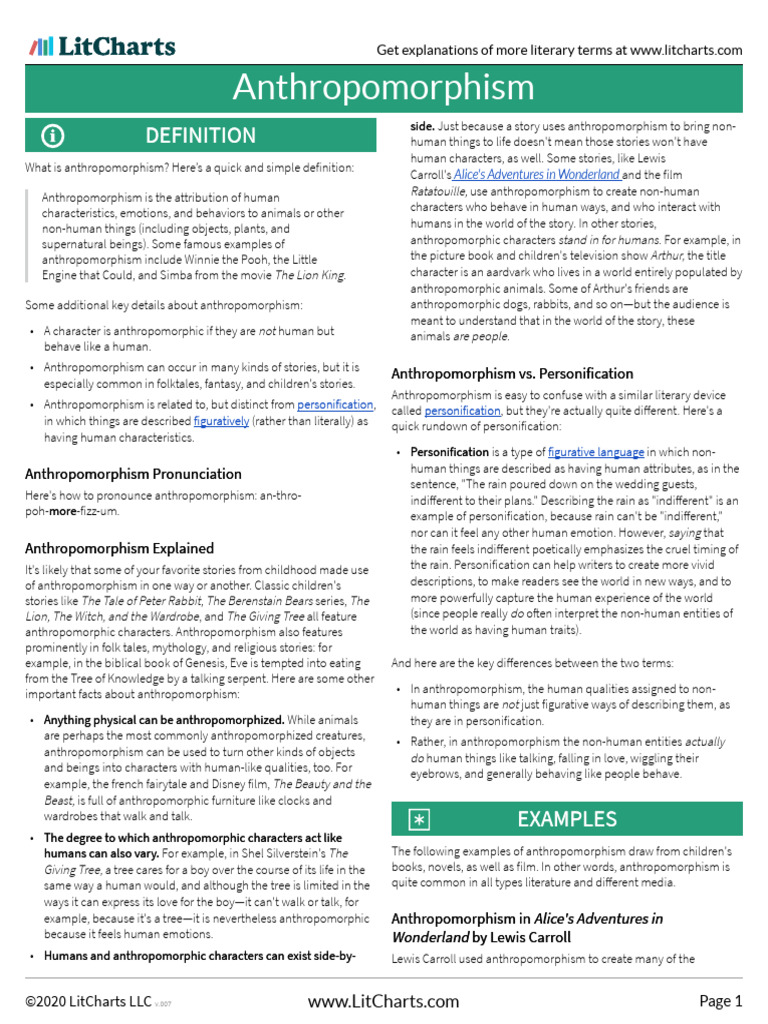
In the evolving landscape of food marketing, anthropomorphism—the attribution of human characteristics to non-human entities—has emerged as a potent strategy to captivate consumers and sway purchasing decisions. By personifying food products or their mascots, brands forge emotional connections that transcend mere utility, engendering loyalty and enhancing recall. This article delves into the multifaceted ways anthropomorphism influences sales, unveiling the psychological underpinnings, varied manifestations, cultural implications, and the delicate balance marketers must strike to optimize consumer engagement without alienation.
The Psychological Foundations of Anthropomorphism in Food Marketing
At the core of anthropomorphism’s efficacy lies its ability to tap into fundamental human cognitive processes. Humans are innately predisposed to recognize agency and intentionality in their environment—a trait deeply rooted in social cognition. When a food product or brand mascot exhibits human-like traits, consumers instinctively assign it personality, emotions, and intentions. This attribution fosters empathy and trust, transforming a mundane purchase into a relational experience.
Moreover, anthropomorphism leverages social cognition to overcome the abstractness of packaged food. A smiling tomato or a friendly berry character imparts warmth and familiarity, mitigating uncertainties about taste or quality. The human brain processes these stimuli not as mere products but as entities with character, simplifying decision-making and increasing inclination to buy.
Varied Forms of Anthropomorphism in Food Marketing
Anthropomorphic strategies manifest in numerous creative forms, each with distinct implications for consumer reception. One of the most prevalent is through mascots and brand characters, which act as humanized ambassadors for a product. For instance, fruits or vegetables depicted with eyes, limbs, and expressive faces become memorable spokespersons that embody the brand’s values and qualities.
Packaging design also plays a crucial role. Subtle anthropomorphic cues—such as shapes reminiscent of smiles or eyes integrated into the product’s shape—evoke subconscious familiarity. Beyond visuals, language is imbued with anthropomorphic qualities: conversational tone, humor, or even product “voices” in advertising campaigns prompt consumers to perceive the product as approachable and relatable.
Digital marketing has expanded these possibilities. Animated videos, interactive apps featuring animated food characters, and social media filters add dynamic layers of anthropomorphism, enhancing engagement and viral potential. By stitching narrative arcs around these humanized figures, brands create stories that invite ongoing consumer interaction and brand loyalty.
Emotional Engagement and Consumer Decision-Making
Anthropomorphism invites consumers into an emotional dialogue with the product, a crucial juncture influencing purchasing behavior. Emotional engagement circumvents purely rational evaluation—taste, nutritional content, price—and strikes at the heart of consumer motivation, which is often driven by affective responses.
Products portrayed with endearing, approachable personas elicit feelings of comfort, happiness, and nostalgia. For example, an animated strawberry with a cheerful smile can evoke childhood memories or feelings of freshness and vitality. This emotional resonance differentiates the product in an overcrowded marketplace, enhancing preference and willingness to pay a premium.
Furthermore, anthropomorphic food marketing taps into the human proclivity for storytelling. Humans process information more vividly when conveyed through narratives involving characters with intentions and emotions. This narrative transportation effect increases memorability and creates positive associations that endure beyond the initial purchase.
Cultural and Demographic Considerations in Anthropomorphic Food Marketing
The reception of anthropomorphic cues is not universal. Cultural frameworks and demographic variables profoundly shape consumer responsiveness to humanized food products. In collectivist societies, anthropomorphism may be interpreted through community-oriented narratives, emphasizing shared values and belongingness. Conversely, individualistic cultures might resonate more with personalized, quirky characters infused with uniqueness and self-expression.
Age demographics further influence effectiveness. Children’s food marketing often leverages overtly anthropomorphic mascots to foster immediate attraction and brand awareness. Adults, on the other hand, may respond better to subtler forms of anthropomorphism, which suggest sophistication or playful nostalgia without appearing infantilizing.
Marketers must therefore calibrate anthropomorphic elements carefully, balancing universality with cultural specificity. Missteps or overusing exaggerated human traits can lead to perceptions of inauthenticity or discomfort, undermining sales rather than bolstering them.
Potential Pitfalls and Ethical Considerations
While anthropomorphism offers powerful opportunities to augment sales, it is not without challenges. One potential risk is the creation of misleading perceptions. Humanizing food can blur lines between fantasy and reality, especially when emotive mascots imply health benefits or ethical qualities that products do not genuinely possess. This can erode consumer trust and invite regulatory scrutiny.
Over-anthropomorphizing products might also trigger negative reactions known as the “uncanny valley” effect—where entities resemble humans too closely, yet evoke discomfort or eeriness instead of affection. Striking an optimal balance is critical to avoid alienating potential buyers.
Ethical marketing demands transparency alongside creativity. Anthropomorphic messaging should complement factual information rather than supplant it, ensuring consumers make informed decisions. Brands that responsibly harness anthropomorphism can build sustainable consumer relationships predicated on both emotion and trust.
Measuring the Impact of Anthropomorphism on Sales Performance
Quantifying the direct influence of anthropomorphism on sales presents analytical complexities, as it intertwines with multiple marketing variables. However, empirical studies and case analyses consistently showcase positive correlations between anthropomorphic elements and key performance indicators such as brand recall, purchase intent, and customer loyalty.
Neuromarketing techniques—such as eye-tracking and emotional response monitoring—offer granular insights into how anthropomorphic cues capture attention and evoke desired emotional states. Complementing qualitative feedback, A/B testing different packaging or advertising variants enables brands to optimize anthropomorphic features for maximum commercial return.
Ultimately, the strategic deployment of anthropomorphism must align with overall brand positioning, ensuring that visual and narrative humanizations reinforce, rather than dilute, the brand promise. Successful integration translates into measurable uplift in market share and consumer affinity.
The Future Outlook: Evolving Trends in Anthropomorphic Food Marketing
As technological innovation continues apace, the frontier of anthropomorphic marketing is poised for profound transformation. Artificial intelligence and augmented reality empower dynamic, personalized anthropomorphic interactions that adapt in real time to consumer preferences and behaviors.
Moreover, growing consumer demand for sustainability and ethical transparency is inspiring brands to humanize food with narratives centering on environmental stewardship and social responsibility. Anthropomorphized characters may embody values such as eco-consciousness or community empowerment, forging deeper alignment with ethically minded consumers.
The convergence of neuroscience, storytelling, and advanced digital media will sharpen the precision with which anthropomorphism influences perception and purchase. Brands adept at navigating this evolving landscape will command heightened emotional loyalty and competitive differentiation in the global food marketplace.