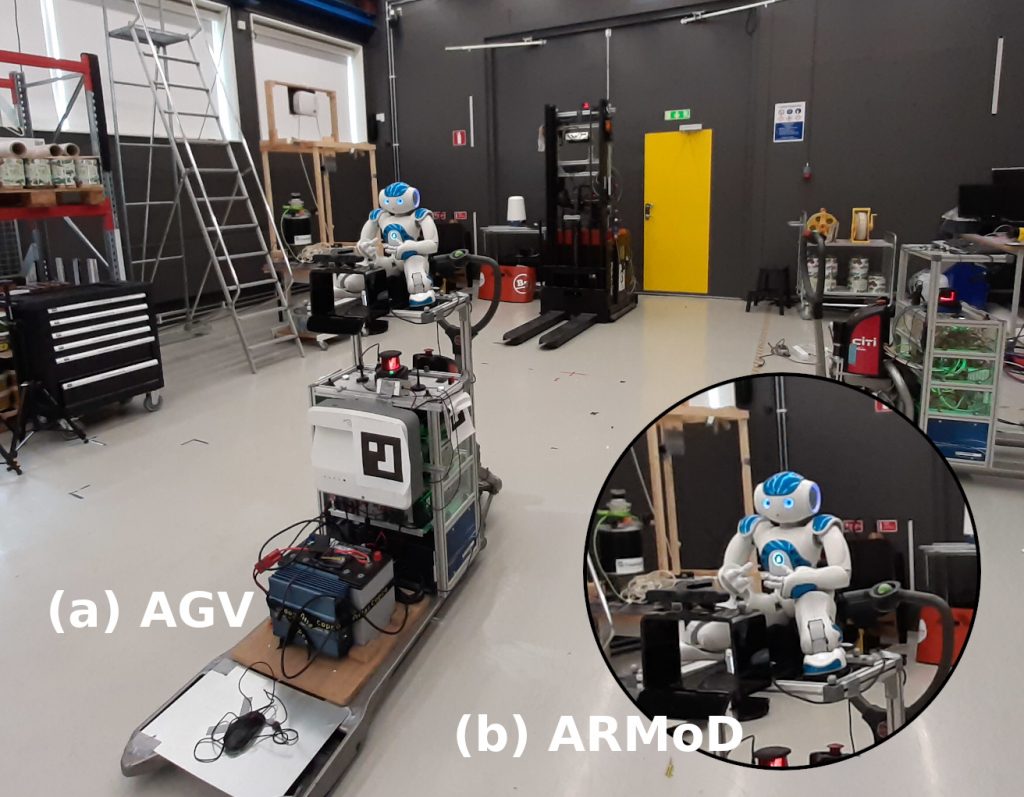
Imagine stepping into a world where machines don the masks of humanity—faces rendered with expressive eyes, gestures imbued with empathy, and voices that echo warmth. This is not mere fantasy but a tangible reality steaming ahead in the realm of robotics, where anthropomorphism acts as both a bridge and a veil. Like a lighthouse casting its luminescent gaze across dark waters, anthropomorphic robots beckon trust from the public, guiding perceptions and emotions as they navigate the uncharted ocean of human-machine rapport. Yet, the allure of such human-like creations dances delicately on the edge of complexity. How does bestowing machines with human traits sway public trust? What hidden mechanisms and psychological currents govern this intricate relationship? Delving into the labyrinth of anthropomorphism in robotics reveals a panorama where trust is crafted, challenged, and continually reshaped.
The Artifice of Familiarity: Anthropomorphism as a Cognitive Shortcut
At its core, anthropomorphism in robotics functions as a cognitive lodestar—an uncanny mimicry of human traits that anchors unfamiliar machines within the sanctuary of familiarity. Humans possess an intrinsic proclivity to attribute human characteristics to non-human entities, a psychological shorthand that eases social interactions and fosters empathy. When machines mirror human features—facial expressions, vocal intonations, or body language—they tap into innate social schemas embedded deep within the human psyche. This sculpting of robots into simulacra of humanity converts the alien into the accessible, dissolving barriers that might otherwise spawn apprehension or alienation.
Yet, this artifice creates an elegant paradox. While anthropomorphism invites approachability, it risks engendering misplaced expectations. Machines draped in human guise may lead individuals to expect a reciprocity of emotions and ethical understanding that the robot’s circuitry cannot truly fulfill. This cognitive shortcut, potent in kindling trust, carries inherently the potential for disillusionment if the anthropomorphic veil is pierced prematurely.
The “Uncanny Valley” and Psychological Resonance
Trust is a fragile construct, vulnerable to inconsistencies and subtle discordances. Enter the “uncanny valley,” a phenomenon where robots that are almost—but not quite—human provoke unease and mistrust. This eerie twilight zone between familiarity and alienation underscores the fine line anthropomorphism treads. When robots appear too mechanical, they repel; when they appear almost human, they skin-crawl. Yet, at the nadir of this valley lies a potent truth: the closer robots can approximate natural human warmth without triggering disquietude, the more profoundly they can embed themselves within the fabric of public trust.
Striking this delicate balance demands nuanced design and behavioral calibrations. The subtleties of expression, the cadence of interaction, and the congruence of behavior with appearance can kindle a psychological resonance that transforms mere curiosity into steadfast confidence. Trust, in this context, becomes a dance—a synchronized interplay between appearance, behavior, and expectation.
Dimensions of Trust: From Perception to Reliance
Public trust in anthropomorphic robots does not crystallize from a single facet but evolves through a multidimensional landscape. Initial perceptions, shaped heavily by anthropomorphic cues, serve as the gateway. A robot’s human-like voice or empathetic nod might elicit an affective trust—an emotional inclination to believe in its benevolence. However, enduring trust demands more: it demands reliability, competence, and transparency.
Anthropomorphism lights the spark of trust but must be buttressed by consistent performance and ethical comportment. When robots transparently communicate their capabilities and limitations, they align expectations with reality, laying a foundation for calculative trust, grounded in rational assessment. This progression—from affective to calculative trust—embodies the complex trajectory public trust must traverse to become resilient and genuine.
Social Robots as Cultural Mirrors and Mediators
Anthropomorphic robots do more than simply mimic human traits; they reflect cultural values, social norms, and shared narratives. In public arenas—be it healthcare, customer service, or education—robots become social agents mediating human interaction. Their anthropomorphic design shapes how societies project trust onto technology, infusing machines with symbolic personas that resonate with collective identities.
These creations thus act as cultural mirrors, reflecting the hopes and anxieties of their time. Their success in garnering trust hinges not only on technical sophistication but on their capacity to embody values such as empathy, respect, and cooperation. Consequently, anthropomorphism becomes a language through which society negotiates its evolving relationship with intelligent machines, establishing trust not merely as a functional necessity but as a social contract.
Risks and Ethical Quandaries of Anthropomorphic Trust
While anthropomorphism can be a powerful catalyst for public trust, it can also cloak ethical quandaries in the soft glow of familiarity. There lies a risk of fostering overtrust—where users imbue machines with capabilities or moral comprehension they do not possess. This imbalance may lead to abdication of human responsibility or exploitation of emotional bonds.
Moreover, manipulating anthropomorphic features to engender trust intersects with broader concerns regarding authenticity and autonomy. The deployment of anthropomorphic robots in sensitive roles—such as caregiving for vulnerable populations—demands vigilant scrutiny to ensure that trust does not metastasize into deception or dependency. Ethical frameworks must evolve to address these concerns, ensuring that the unique appeal of anthropomorphism illuminates trust rather than obscures critical discernment.
The Future Horizon: Harmonizing Human Essence and Robotic Precision
As robotics technology forges ahead, the choreography between anthropomorphism and trust will continually redefine the social landscape. The unique appeal of human-like robots lies in their ability to weave warmth and relatability into the uncompromising precision of machines. The future demands a symbiotic equilibrium—where anthropomorphic design does not merely simulate humanity but complements human values and augmentations.
Emerging paradigms suggest that adaptive anthropomorphism—robots that can modulate their human-like traits in real time based on context and individual preferences—may offer a nuanced path forward. Such responsiveness could nurture personalized trust, tailored to diverse users’ psychological and emotional frameworks.
Ultimately, anthropomorphism in robotics serves as a powerful catalyst that can either illuminate or shadow public trust. Harnessed with insight and ethical foresight, it holds the promise to sculpt a future where humans and machines coexist not as strangers, but as collaborators bound by mutual respect and understanding.