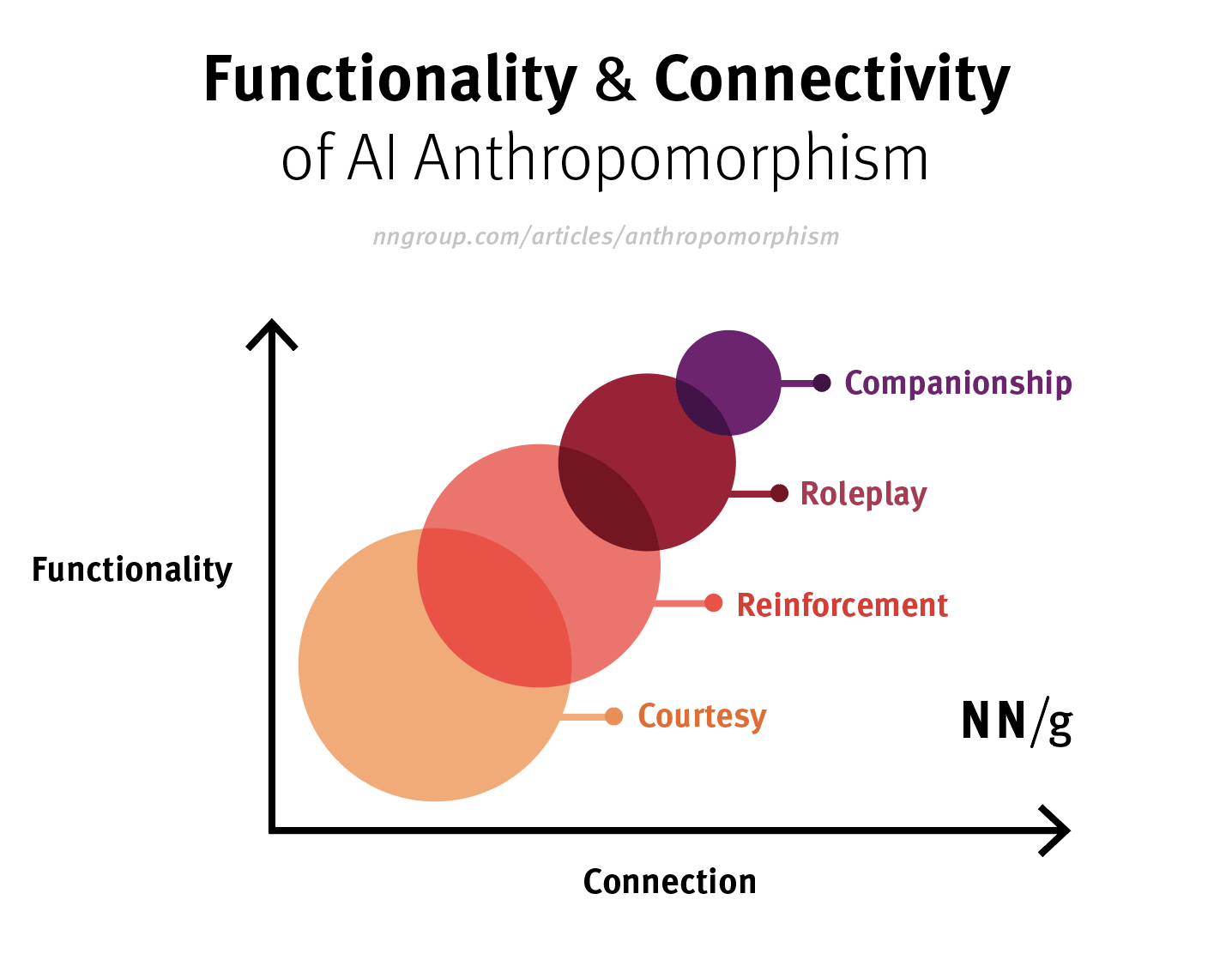
In the vast, ever-evolving landscape of game design, few concepts wield the transformative power of anthropomorphism—a subtle yet profound technique that bridges the chasm between player and playable entity. When game worlds breathe with the lifelike essence of human traits, they cease to be mere backdrops for interaction; they become living, responsive ecosystems where every pixel and polygon hums with intention. This alchemy of design doesn’t just enhance immersion—it redefines it, turning abstract challenges into visceral experiences and static environments into dynamic narratives. By imbuing inanimate objects, creatures, and even environments with human-like qualities, designers craft worlds that feel not just seen, but *felt*. The result? A shift in perspective so profound that players no longer observe the game—they inhabit it.
The Alchemy of Giving Life to the Inanimate
Anthropomorphism is more than a stylistic flourish; it is a psychological bridge. When a rusted, abandoned robot in *Horizon Zero Dawn* gazes at Aloy with eyes that reflect curiosity rather than mere code, it transcends its programming. The robot’s hesitant steps, its tentative vocalizations—these are not just animations; they are silent dialogues that whisper to the player: *I am like you.* This transference of human traits onto non-human entities taps into a primal cognitive mechanism called the “intentional stance,” where we instinctively attribute agency and emotion to objects that mimic human behavior. Games leverage this by designing characters and environments that don’t just *look* alive but *act* alive, creating a feedback loop of empathy and engagement.
Consider the humble health potion in *The Legend of Zelda: Breath of the Wild*. It doesn’t just restore vitality—it *pleads* for attention. Its gentle glow pulses like a heartbeat, and its placement in the environment feels deliberate, almost conspiratorial. The potion doesn’t speak, but its design screams urgency, as if it’s whispering, *”Take me, I’m yours.”* This is anthropomorphism distilled: the inanimate rendered animate through nuanced design. It’s a reminder that immersion isn’t solely the domain of sprawling open worlds or photorealistic graphics; it thrives in the smallest, most unassuming details.
Environments as Characters: The Silent Protagonists
Anthropomorphism extends beyond characters—it breathes life into the very worlds players traverse. In *Shadow of the Colossus*, the desolate landscapes aren’t just obstacles; they are witnesses to the protagonist’s journey. The crumbling ruins murmur of forgotten civilizations, the gusts of wind carry the echoes of past battles, and the colossi themselves are colossal, yes, but also tragic, almost noble in their suffering. The game doesn’t just place the player in a world; it makes the world an active participant in the narrative, its mood shifting with the player’s actions. This is environmental anthropomorphism—a technique where the setting isn’t just a stage but a sentient entity, reacting, resisting, and resonating with the player’s presence.
Take *Journey* by thatgamecompany. Here, the desert sands aren’t inert; they respond to the player’s movements, shifting like liquid underfoot, while the ancient ruins stand as silent sentinels, their hieroglyphs hinting at a history both grand and tragic. The game’s genius lies in its refusal to anthropomorphize overtly. Instead, it lets the environment’s design—its textures, its lighting, its scale—convey emotion. The player doesn’t need a face to empathize; the world itself becomes a mirror, reflecting the player’s solitude, determination, and fleeting connections with other travelers. This is the subtlety of anthropomorphism: it doesn’t shout; it whispers, and in doing so, it lingers.
The Psychology of Empathy: Why We Care About Pixels
At its core, anthropomorphism is a psychological contract between designer and player. When a game character’s eyes well with tears or a pet companion nuzzles against the player’s avatar, our brains release oxytocin—the “love hormone”—fostering attachment. This isn’t mere sentimentality; it’s a survival mechanism repurposed for entertainment. Evolutionarily, our ancestors relied on recognizing human-like cues in their environment to gauge safety, danger, and social bonds. Games exploit this hardwired tendency, turning pixels into proxies for human connection. The more a game’s elements exhibit human traits—facial expressions, vocal inflections, body language—the more our brains treat them as real, deserving of our emotional investment.
This phenomenon is vividly illustrated in *Stray*, where the player controls a cat navigating a cyberpunk dystopia. The cat’s movements aren’t just animations; they’re a language. Its arched back when startled, its purring when content, its wide-eyed curiosity when encountering new stimuli—all these behaviors trigger our innate empathy for animals. We don’t anthropomorphize the cat *as* a human; instead, we recognize its feline nature and project our own emotions onto its experiences. This dual-layered empathy—feeling *for* the character while also feeling *with* them—creates a depth of immersion that static, non-expressive characters cannot achieve.
Breaking the Fourth Wall: When Games Speak Back
Anthropomorphism isn’t confined to visual or auditory cues; it can manifest in meta-narrative techniques that blur the line between player and game. In *Undertale*, the game doesn’t just *have* characters—it *acknowledges* the player’s presence in ways that feel eerily personal. Characters remember past interactions, react to the player’s choices, and even address them directly. This isn’t just fourth-wall breaking; it’s anthropomorphism on a meta level, where the game itself becomes a sentient entity that *cares* about the player’s journey. The result is a relationship that feels less like gameplay and more like a dialogue, where every choice echoes back, altering the world in tangible ways.
Similarly, *Disco Elysium* takes anthropomorphism to its logical extreme by making the player’s own character a vessel for self-reflection. The protagonist’s internal monologue isn’t just exposition; it’s a cacophony of voices, each representing different facets of the player’s psyche. The game doesn’t just tell a story—it *lives* it, with the player’s choices shaping not just the narrative but the very essence of their character. This level of self-awareness in design forces players to confront their own biases, desires, and flaws, turning the act of playing into a mirror held up to the soul.
The Pitfalls: When Anthropomorphism Backfires
Yet, anthropomorphism is a double-edged sword. When wielded carelessly, it can shatter immersion as swiftly as it builds it. Overly saccharine expressions, exaggerated animations, or inauthentic emotional beats can feel manipulative, pulling players out of the experience with a jolt. The key lies in subtlety—human traits must feel earned, not forced. A character’s grief should resonate because it’s grounded in context, not because their face contorts in a caricature of sorrow. Games like *The Last of Us Part II* walk this tightrope masterfully, where even the most harrowing moments feel authentic because the anthropomorphism serves the narrative, not the other way around.
Another risk is the uncanny valley, where characters become *almost* human but not quite, triggering discomfort rather than empathy. This is why stylized or abstract designs often succeed where hyper-realistic ones fail. *Cuphead*’s hand-drawn characters, with their exaggerated expressions and fluid animations, avoid the uncanny valley entirely, instead embracing a charm that feels timeless. The lesson is clear: anthropomorphism must align with the game’s artistic identity. A gritty, realistic shooter demands nuanced, subtle expressions, while a whimsical platformer can revel in the absurd.
Designing for the Future: The Next Frontier of Anthropomorphism
The future of anthropomorphism in game design lies in dynamic, adaptive systems that respond to the player in real-time. Imagine a game where the environment doesn’t just react to your actions but *anticipates* them, where NPCs evolve based on your playstyle, or where the game’s difficulty adjusts not just to your skill but to your emotional state. This isn’t science fiction; it’s the next logical step in immersive design. Games like *Hellblade: Senua’s Sacrifice*, with its binaural audio and psychological depth, already hint at this potential, where the line between player and character blurs into oblivion.
Moreover, as AI becomes more sophisticated, we may see games where anthropomorphism extends to procedural generation. A world that *learns* from the player, where NPCs develop unique personalities based on their interactions, or where the environment itself changes to reflect the player’s moral compass. This would mark a paradigm shift—no longer would games be static experiences but living, breathing entities that grow alongside their players. The promise of such design is staggering: a future where every playthrough feels like a collaboration between human and machine, where the game doesn’t just entertain but *understands*.
Anthropomorphism in game design is more than a tool; it’s a revolution. It challenges players to see the world—and themselves—differently. By breathing life into the inanimate, designers don’t just create games; they craft experiences that resonate on a primal level, where pixels become people, and environments become companions. The result is a medium transformed, where immersion isn’t just felt but *lived*. And in that alchemy of design, the promise of game worlds that feel truly alive is no longer a fantasy—it’s a reality in the making.