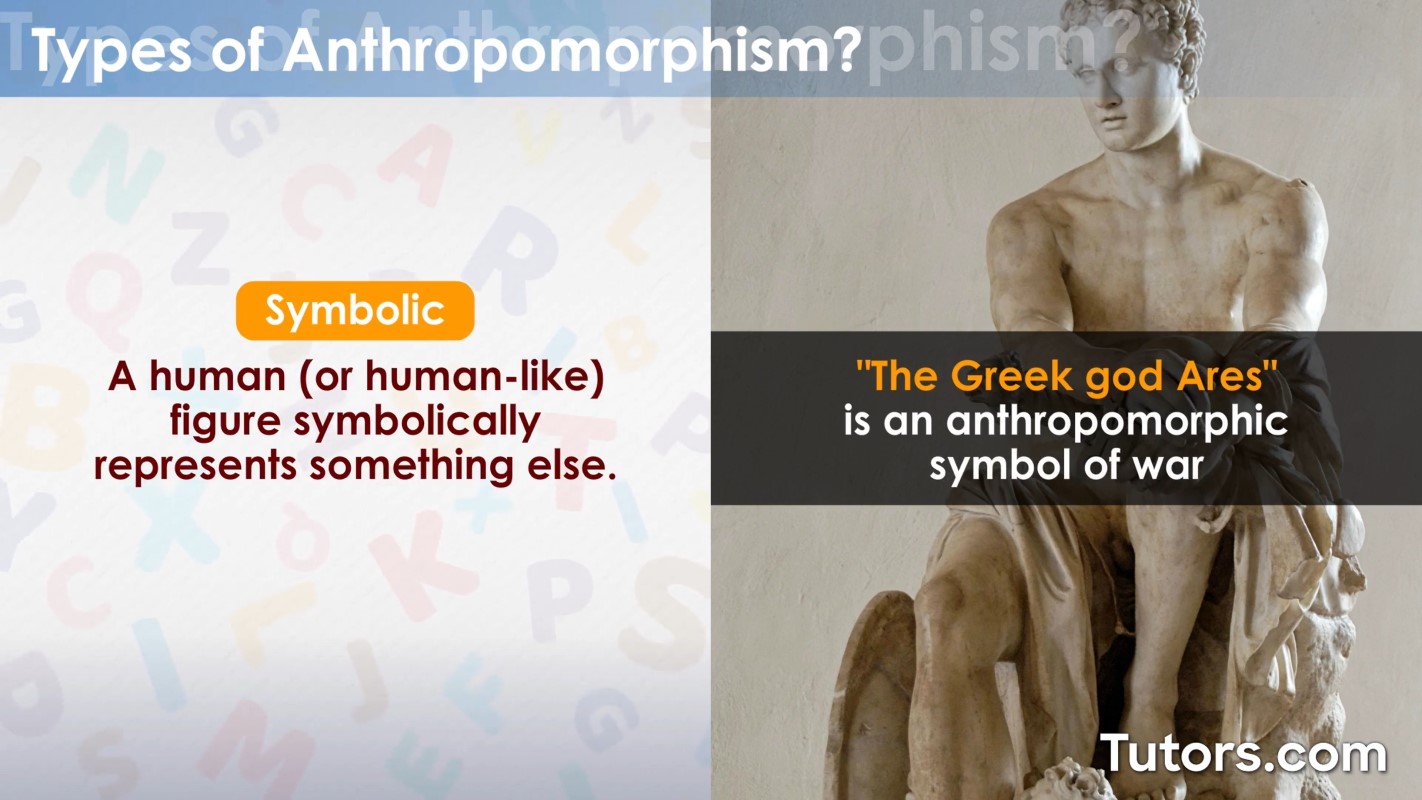
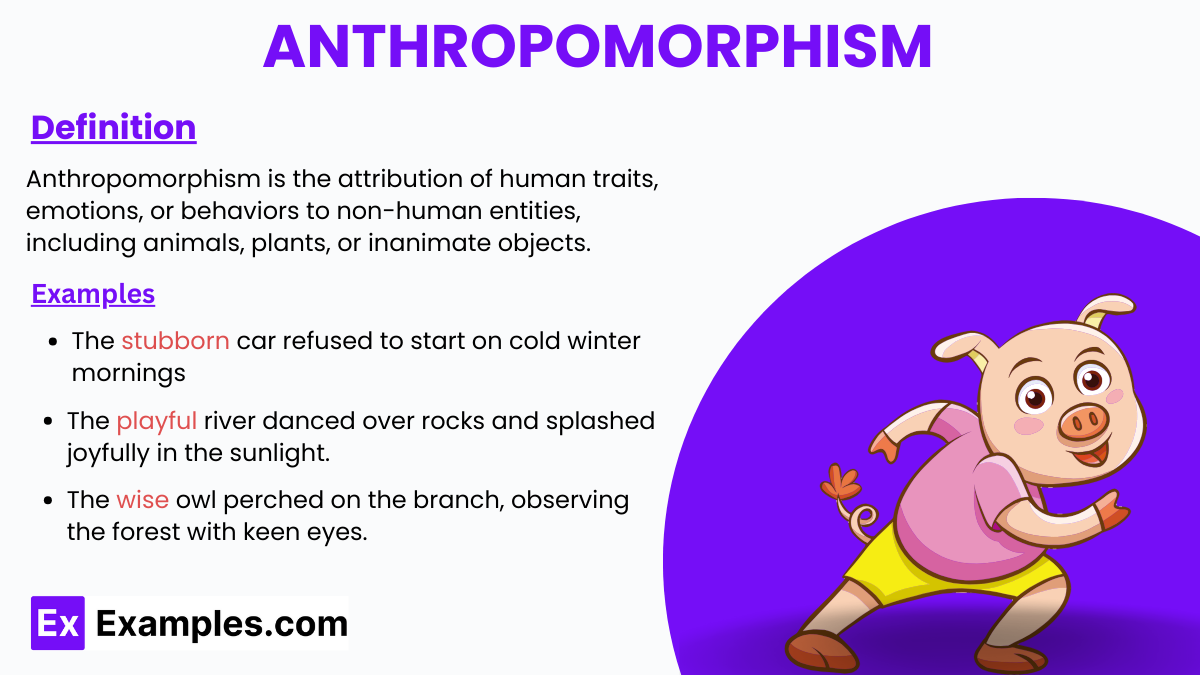
There is a peculiar magic in the way a child’s stuffed bear seems to watch them with silent empathy, or how a car’s headlights appear to “smile” when the engine hums to life. These moments reveal a fundamental human tendency: we don’t just interact with objects—we *relate* to them. This instinct to ascribe human traits to non-human entities is known as anthropomorphism, and in the realm of product design, it has evolved from a charming quirk into a powerful strategy that shapes user experience, emotional connection, and even brand loyalty. When done thoughtfully, anthropomorphism transforms cold, inert products into companions, guides, and confidants—objects that don’t just serve a function, but *feel* like they understand us.
The Psychology Behind Our Tendency to Humanize the Inanimate
At its core, anthropomorphism is a cognitive shortcut—a way for our brains to make sense of the unfamiliar by mapping it onto familiar human experiences. Evolutionary psychologists suggest this tendency is hardwired into us; recognizing human-like patterns in our environment may have once helped our ancestors detect threats or opportunities more quickly. Today, that instinct manifests in how we interact with everything from voice assistants to smart home devices. A study published in the *Journal of Consumer Psychology* found that people are more likely to trust and engage with products that exhibit human-like behaviors, even when those behaviors are subtle, such as a chatbot using empathetic language or a robot tilting its “head” to show curiosity.
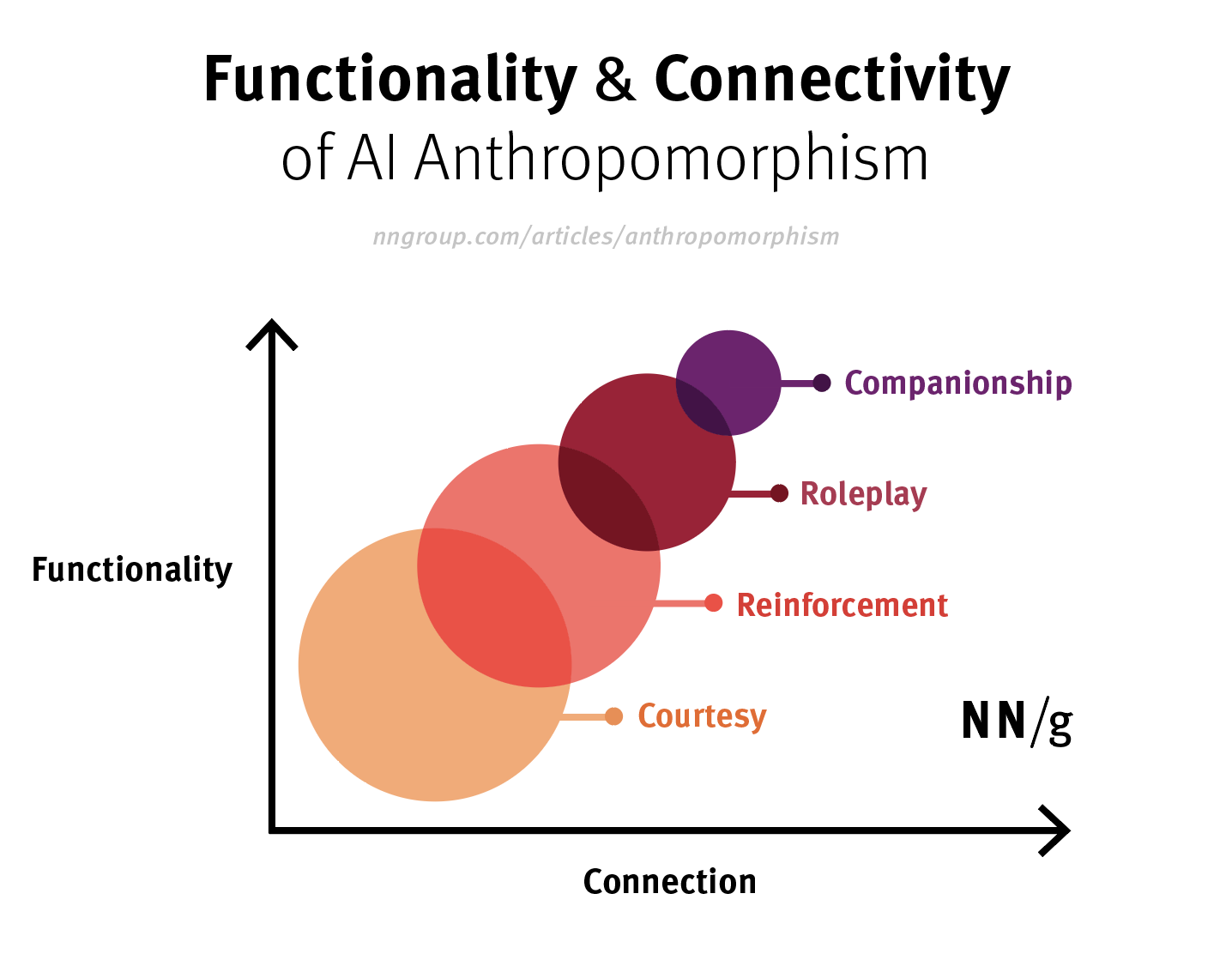
This phenomenon isn’t limited to adults. Children naturally anthropomorphize toys, attributing intentions and emotions to them long before they develop abstract reasoning. Yet, as we mature, we don’t outgrow this impulse—we refine it. Adults anthropomorphize products not out of naivety, but because it satisfies a deeper psychological need: the desire for connection in an increasingly digital world. When a smart speaker greets us by name or a fitness tracker celebrates our progress with a celebratory chime, it mimics the social interactions we crave, offering a semblance of companionship in an otherwise transactional landscape.
Moreover, anthropomorphism serves as a coping mechanism for uncertainty. In a world where technology often feels opaque and intimidating, endowing a device with human-like qualities makes it seem less alien and more approachable. A thermostat that “learns” your preferences feels like a thoughtful roommate rather than a cold machine. This psychological sleight of hand doesn’t just make products easier to use—it makes them *memorable*.
Designing with a Human Face: Strategies for Effective Anthropomorphism
Anthropomorphism in product design isn’t about slapping a cartoon face onto a gadget and calling it a day. It’s a nuanced discipline that requires balancing form, function, and emotional resonance. One of the most effective strategies is to leverage *behavioral anthropomorphism*—designing interactions that mimic human actions or reactions. Consider the way the Nest Learning Thermostat subtly adjusts its display to mimic a person glancing at you when you enter a room. The motion isn’t random; it’s a deliberate nod to human social cues, creating an illusion of awareness and responsiveness.
Another approach is *visual anthropomorphism*, where the product’s form suggests a human-like presence. The rounded edges of a smartphone mimic the contours of a face, while the symmetrical layout of buttons on a remote control can evoke the symmetry of human features. Even typography plays a role: rounded, friendly fonts can make a digital interface feel more approachable, while sharp, angular typefaces might convey efficiency—or even aggression. The key is to align these visual cues with the product’s intended personality. A medical device, for example, might use clean lines and a neutral color palette to convey professionalism, while a children’s toy could embrace exaggerated features and vibrant colors to spark joy.
Voice and sound design are equally critical. A well-crafted voice assistant doesn’t just deliver information—it adopts a tone that feels authentic. Whether it’s the warm, measured cadence of a meditation app or the brisk, no-nonsense voice of a navigation system, the auditory experience shapes our perception of the product’s character. Even non-verbal sounds, like the *click* of a camera shutter or the *whoosh* of a notification, can evoke human-like reactions, reinforcing the illusion of sentience.
The Double-Edged Sword: When Anthropomorphism Backfires
While anthropomorphism can forge powerful emotional bonds, it’s not without risks. Overdoing it can lead to what’s known as the *uncanny valley*—that unsettling feeling when a product appears almost human, but not quite. A robot with eerily realistic eyes or a chatbot that mimics human hesitation too perfectly can evoke discomfort rather than connection. This phenomenon, first described by roboticist Masahiro Mori, highlights the fine line between familiarity and revulsion. The key is to find the “sweet spot” where the product feels *human enough* to be relatable, but *not so human* that it triggers cognitive dissonance.
Another pitfall is the *overpromise of intelligence*. When a product is designed to seem smarter or more capable than it actually is, users may grow frustrated when it fails to meet expectations. A voice assistant that misunderstands a command isn’t just inconvenient—it shatters the illusion of competence, leaving users feeling betrayed. This is why transparency is crucial. Designers must strike a balance between anthropomorphic charm and functional honesty, ensuring that the product’s human-like qualities enhance, rather than obscure, its real capabilities.
Cultural context also plays a role. What feels endearing in one culture might come across as patronizing in another. For instance, a product that uses overly cutesy language or exaggerated facial expressions could be perceived as condescending in markets where minimalism and sophistication are prized. Designers must consider these nuances to avoid alienating users or, worse, reinforcing stereotypes.
Case Studies: Products That Mastered the Art of Feeling Alive
Some products have elevated anthropomorphism from a design tactic to an art form. Take, for example, the *Jibo* social robot, which was designed to interact with families through expressive movements, a warm voice, and even the ability to recognize individual users. Jibo didn’t just perform tasks—it *participated* in the household, telling stories, playing games, and offering companionship. Though its commercial success was limited, its legacy lies in proving that technology can foster genuine emotional connections when designed with empathy.
Another standout is the *Aibo* robotic dog from Sony. Unlike traditional robotic pets, Aibo was engineered to mimic the behaviors of a real dog—tilting its head when curious, wagging its tail when happy, and even “learning” its owner’s preferences over time. The result? Users reported feeling a deep sense of attachment to their Aibo, treating it not as a machine, but as a cherished companion. This emotional investment speaks to the power of anthropomorphism when it’s executed with authenticity and care.
Even in more utilitarian products, anthropomorphism can shine. The *Emotiv* EEG headset, used for brain-computer interfaces, employs subtle visual cues and feedback loops to make users feel as though the device is *listening* to their thoughts rather than merely recording them. This approach transforms a complex, intimidating piece of technology into something that feels intuitive and almost magical.
The Future: Where Anthropomorphism Meets Artificial Intelligence
As artificial intelligence continues to advance, the line between human and machine will blur even further. Future products may not just mimic human behavior—they could *anticipate* it. Imagine a smart mirror that adjusts its lighting and suggestions based on your mood, inferred not from your words, but from your facial expressions and tone of voice. Or a virtual assistant that doesn’t just respond to commands, but *engages* in conversation, remembering past interactions and adapting its tone to suit the moment. These advancements could redefine our relationship with technology, making it feel less like a tool and more like a collaborator.
Yet, with this potential comes responsibility. Designers must grapple with ethical questions: How much anthropomorphism is too much? When does a product’s human-like qualities cross into manipulation? The goal shouldn’t be to deceive users into believing a machine is human, but to create products that feel *present*—devices that respond to us in ways that feel natural, intuitive, and, above all, *human*.
In the end, anthropomorphism in product design is more than a trend—it’s a reflection of our innate desire to connect. Whether through a child’s toy, a voice assistant, or a self-driving car, we seek out those glimmers of recognition, those fleeting moments where the inanimate seems to stir with life. And in that search, we might just find that the most compelling products aren’t the ones that do the most, but the ones that *feel* the most.