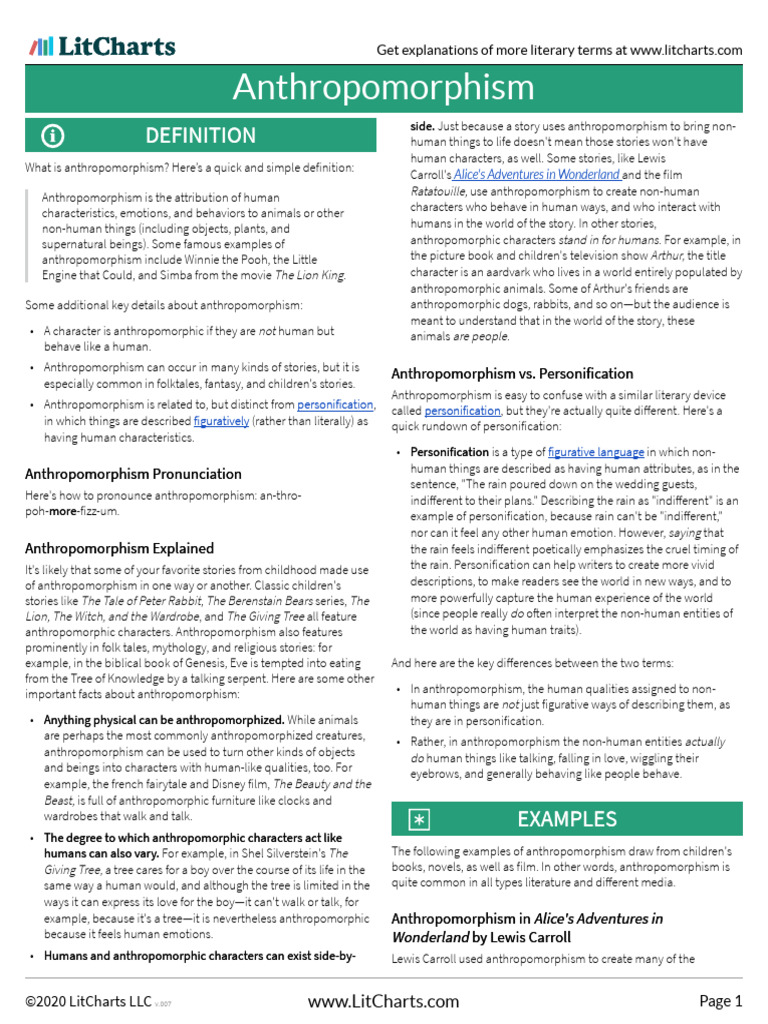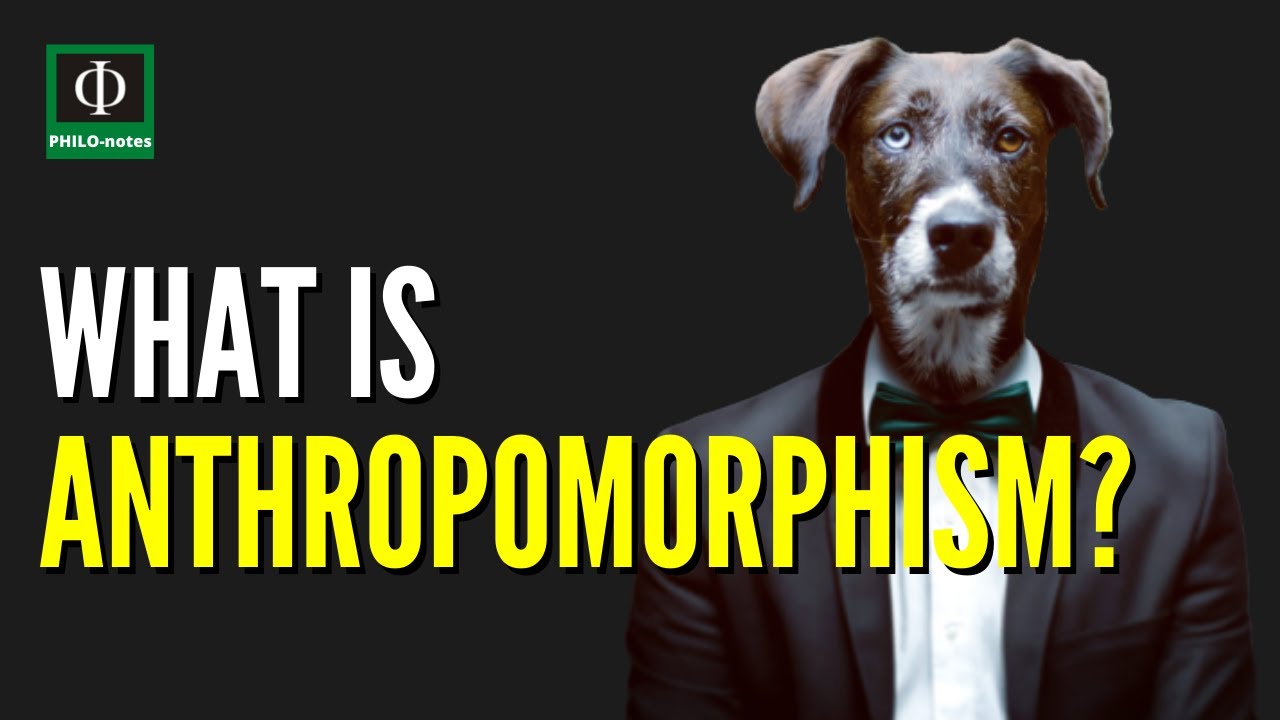
In the grand theater of scientific inquiry, where the pursuit of knowledge often unfurls like a meticulously plotted drama, anthropomorphism emerges as a compelling yet contentious protagonist. It is the act of ascribing human traits—emotion, intention, even consciousness—to non-human entities, from the stoic majesty of a mountain range to the enigmatic gaze of an octopus. While this cognitive shortcut has long been a tool for making the unfamiliar familiar, its ethical dimensions in science demand a closer examination. Is anthropomorphism a bridge to deeper understanding, or does it erect a distorting mirror that obscures the true nature of the natural world?
The Allure and Ambiguity of Humanizing Nature
Anthropomorphism is not merely a linguistic flourish; it is a cognitive lens through which we interpret the world. When a biologist describes a plant “striving” for sunlight or a physicist muses about the “curiosity” of a subatomic particle, they are engaging in a subtle act of narrative alchemy. This humanizing impulse is deeply rooted in our evolutionary history, a survival mechanism that allows us to predict and navigate a complex environment. Yet, when applied to scientific inquiry, it blurs the line between metaphor and misrepresentation.
The danger lies not in the act itself, but in its unchecked proliferation. Consider the case of artificial intelligence, where the term “neural network” conjures images of a brain-like structure, complete with “learning” and “memory.” These metaphors, while intuitively appealing, risk obscuring the fundamental differences between silicon-based computation and biological cognition. The ethical stakes are high: if we conflate human-like behavior with human-like understanding, we may inadvertently bestow agency where none exists, or worse, deny it where it does.


The Ethical Tightrope: Empathy vs. Exploitation
Anthropomorphism can be a double-edged scalpel in the hands of scientists. On one side, it fosters empathy, a vital currency in conservation efforts. When a researcher describes a coral reef as “bleeding” or a wolf pack as “grieving,” they tap into the emotional reservoirs of human experience, galvanizing public support for endangered species. Yet, this same empathy can veer into anthropocentric hubris, where the needs and behaviors of non-human entities are interpreted through the distorting prism of human values.
Consider the ethical dilemmas posed by wildlife documentaries. Filmmakers often anthropomorphize animals to create compelling narratives—lions as noble protectors, elephants as wise elders. While this may captivate audiences, it risks reducing complex ecological interactions to simplistic morality plays. The ethical question lingers: does this narrative convenience serve the animals, or does it serve our own emotional needs? The line between advocacy and exploitation is perilously thin, and anthropomorphism can inadvertently tip the scales toward the latter.
The Laboratory’s Dilemma: When Metaphor Becomes Misrepresentation
In the sterile confines of a laboratory, anthropomorphism takes on a different guise. Here, it is not just a narrative device but a potential methodological pitfall. When a neuroscientist describes a rat’s “fear” of an electric shock or a primatologist interprets a chimpanzee’s “jealousy,” they are venturing into contested territory. These terms carry heavy anthropocentric baggage, implying emotions and motivations that may not align with the animal’s actual experience.
The ethical implications are profound. If we assume that an animal’s behavior is driven by human-like emotions, we risk misinterpreting its needs in research settings. A mouse “avoiding” a maze may not be driven by fear but by curiosity or confusion. The danger is not just scientific inaccuracy but the potential for harm—animals subjected to experiments based on flawed assumptions about their inner lives. The laboratory, then, becomes a stage where anthropomorphism’s ethical tightrope is stretched to its limits.

The Digital Frontier: AI and the New Anthropomorphism
The rise of artificial intelligence has thrust anthropomorphism into the digital age, where it takes on a new set of ethical challenges. When we describe an AI as “learning” or “understanding,” we are engaging in a form of metaphorical shorthand that can mislead as much as it clarifies. The ethical stakes are particularly acute in fields like robotics and machine learning, where the line between tool and agent is increasingly blurred.
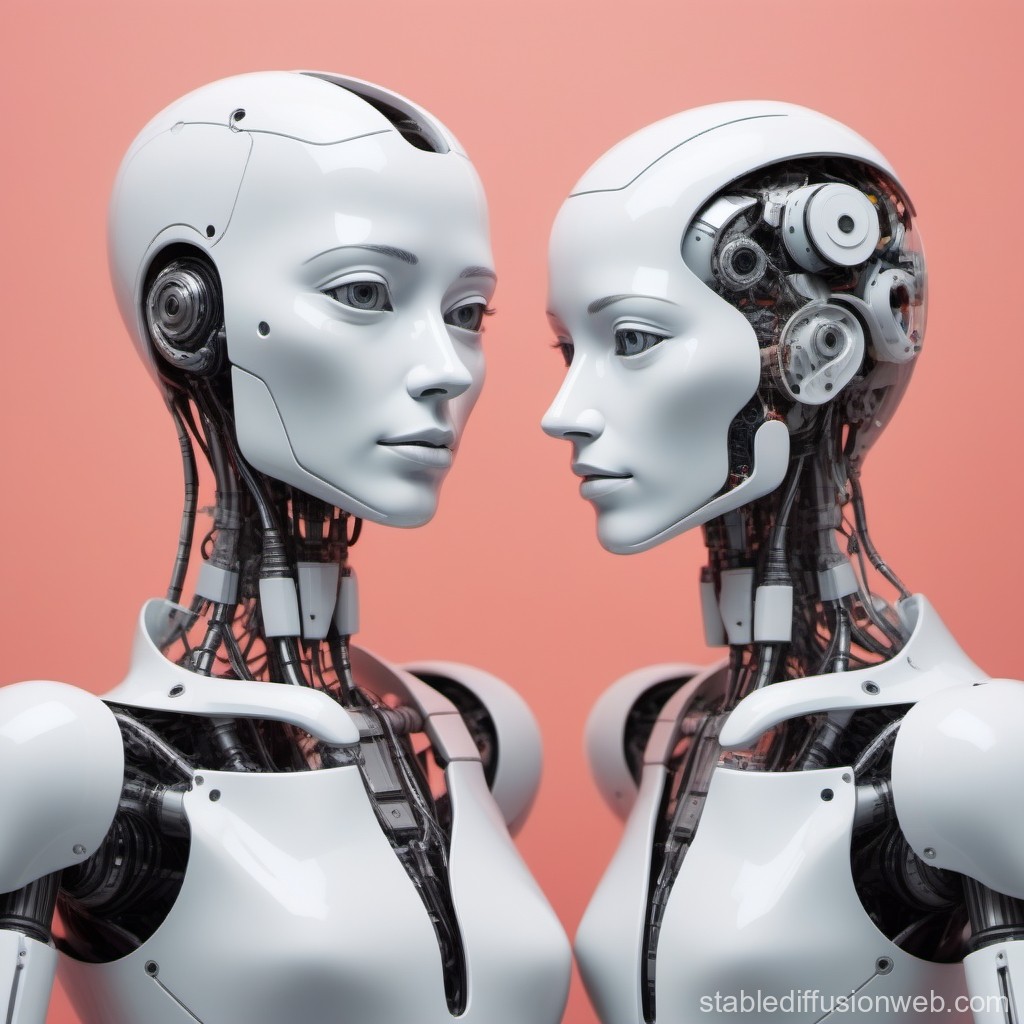
Consider the case of social robots designed to interact with humans. These machines are often programmed to exhibit human-like behaviors—facial expressions, vocal inflections—to facilitate engagement. Yet, when users anthropomorphize these robots, attributing them with intentions or emotions, the ethical implications become murky. Is it harmless anthropomorphism, or does it risk fostering a dangerous blurring of boundaries between human and machine? The question is not just academic; it touches on issues of consent, autonomy, and the very nature of agency in a digitized world.
Toward a More Ethical Anthropomorphism
The ethical implications of anthropomorphism in science are not a call for its eradication but for its careful, deliberate use. The key lies in balance—recognizing the value of metaphor as a tool for understanding while remaining vigilant against its distortions. Scientists must cultivate a disciplined skepticism, questioning whether their anthropomorphic language is illuminating or obscuring the phenomena they study.
One approach is to embrace “critical anthropomorphism,” a framework that acknowledges the human tendency to project while actively working to mitigate its biases. This involves rigorous self-scrutiny, peer review, and a willingness to revise language when it risks misleading. It also demands transparency—clearly distinguishing between observed behavior and inferred intent, between metaphor and reality.
Ultimately, the ethical use of anthropomorphism in science is a dance between creativity and caution. It is the art of using human language to bridge the gap between the known and the unknown, while remaining ever mindful of the chasm that separates us from the non-human world. In this dance, the stakes are high, but the rewards—deeper understanding, greater empathy, and a more nuanced appreciation of the natural world—are well worth the effort.