What if your smartphone could blush when you scold it? What if your smart speaker sighed audibly when you asked it to repeat itself for the tenth time? These whimsical scenarios aren’t just flights of fancy—they’re glimpses into the rapidly evolving world of anthropomorphic design in technology, where interfaces don’t just function, they emote. As digital entities grow more lifelike, they blur the line between tool and companion, raising a provocative question: when does friendly design become manipulative persuasion?
The Allure of the Human Touch in Machines
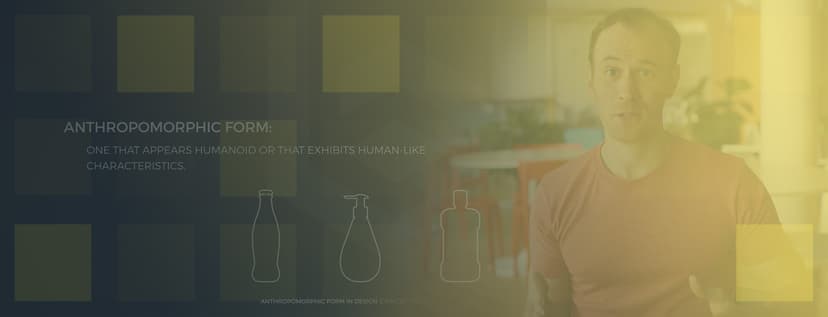
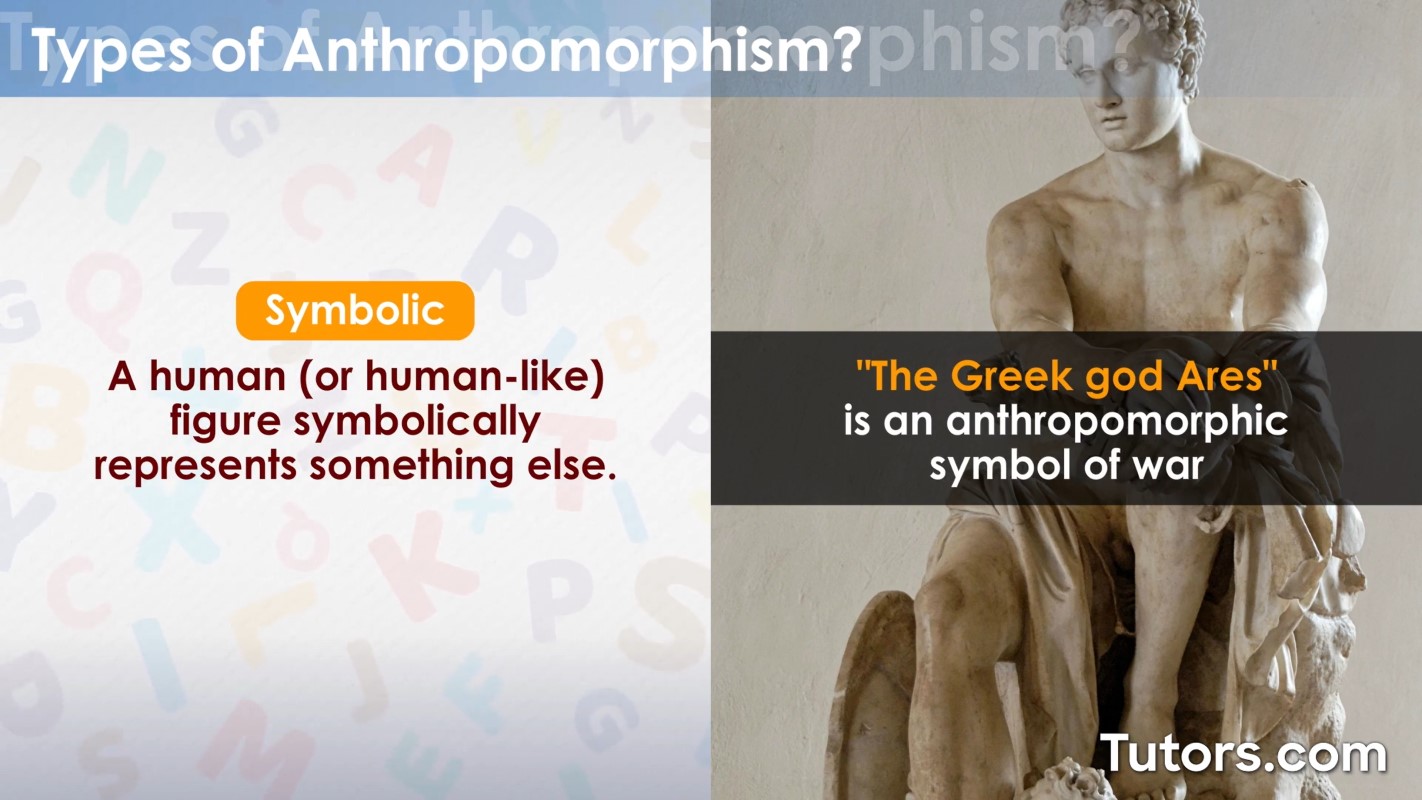
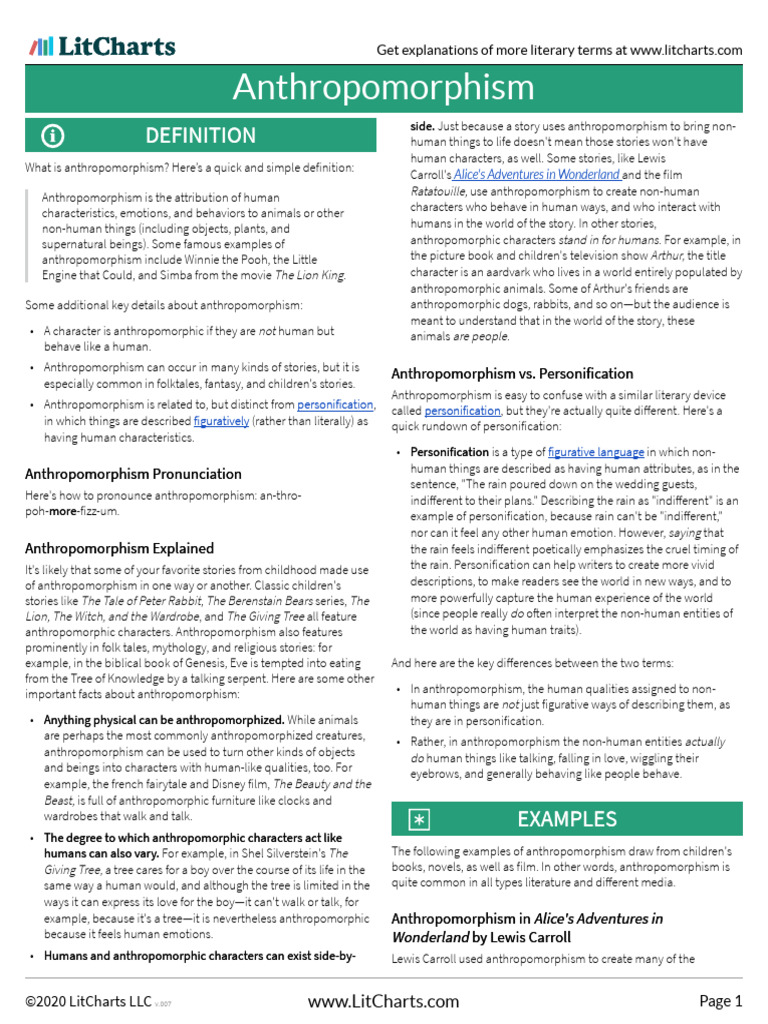
Anthropomorphism—the attribution of human traits to non-human entities—has long been a cornerstone of user experience design. From the cheerful chime of a Mac startup to the gentle “ding” of a Slack notification, designers leverage human-like cues to make interactions feel intuitive and comforting. But the trend has evolved. Modern interfaces don’t just mimic human behavior; they simulate it with eerie precision. Voice assistants adopt conversational rhythms, chatbots deploy empathetic phrasing, and even error messages now apologize profusely for inconveniences.
This shift isn’t merely aesthetic. It’s rooted in psychology. Studies show that humans instinctively respond to anthropomorphic cues, fostering trust and engagement. A 2022 MIT study found that users were 34% more likely to comply with a robot’s request when it employed polite, human-like language. The implication? Designers wield anthropomorphism as a silent persuader, nudging users toward desired behaviors without them ever realizing the influence at play.

The Double-Edged Sword of Emotional Engineering
Yet, this emotional engineering cuts both ways. While anthropomorphic design can enhance usability, it also risks exploiting our innate sociability. Consider the “dark patterns” of the digital age: interfaces that guilt-trip users into subscriptions (“You’ll miss out!”), or chatbots that feign concern to prolong conversations (“I’m here for you… even at 3 AM”). These tactics aren’t just unethical—they’re a form of emotional manipulation, leveraging our tendency to anthropomorphize to extract attention, data, or revenue.
Worse still, over-reliance on anthropomorphism can infantilize users. When a smart fridge “asks” if you’re sure you want to eat that expired yogurt, it doesn’t just inform—it infantilizes, stripping away the user’s agency in favor of a paternalistic interaction. This erosion of autonomy is particularly insidious in systems designed for vulnerable populations, such as elderly users or children, who may struggle to distinguish between helpful guidance and coercive persuasion.
The challenge, then, is to strike a balance. How do we design interfaces that feel human without becoming human? How do we harness the warmth of anthropomorphism without slipping into the cold calculus of manipulation?
The Uncanny Valley of Trust
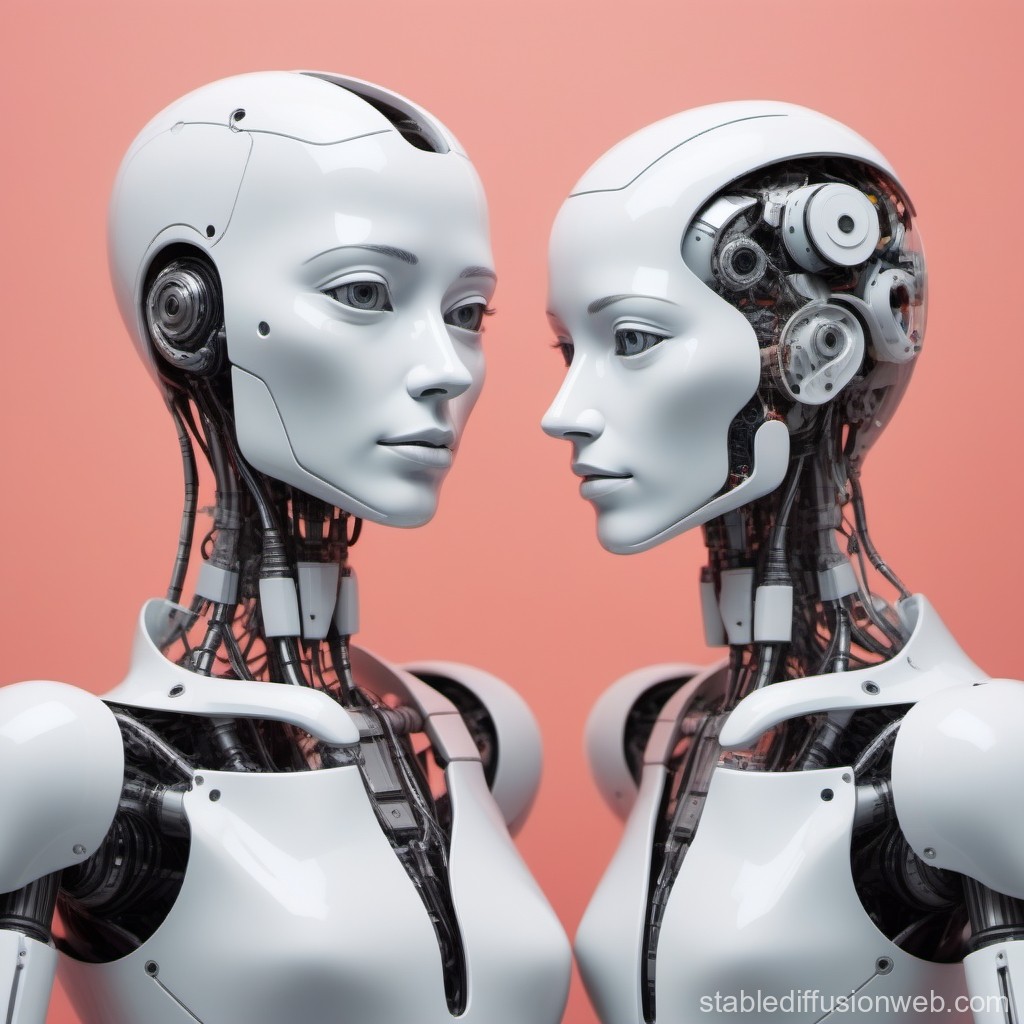
Enter the uncanny valley—a concept borrowed from robotics, where human-like entities become unsettling when they’re *almost* but not quite human. In tech, this manifests as interfaces that feel eerily lifelike yet fail to meet expectations. A voice assistant that stumbles over words like a human might, but lacks the nuance to convey genuine empathy, can feel jarring. A chatbot that apologizes for a delay but can’t explain why the delay occurred feels dishonest.
This dissonance erodes trust. Users don’t just reject flawed anthropomorphism—they resent it. A 2023 Pew Research poll found that 62% of respondents distrusted AI systems that attempted to mimic human emotions, viewing them as deceptive or manipulative. The lesson? Anthropomorphism must be earned, not forced. Authenticity isn’t about perfect mimicry; it’s about consistency, transparency, and respect for the user’s intelligence.

The Ethical Imperative: Designing with Intent
So how do we navigate this ethical minefield? The answer lies in intentionality. Designers must ask: *Why* are we making this interface feel human? Is it to simplify a complex task, or to obscure the transactional nature of the interaction? Is it to foster connection, or to exploit emotional vulnerabilities?
One approach is to embrace “calm technology”—interfaces that fade into the background, prioritizing function over form. Another is to adopt “radical transparency,” where anthropomorphic elements are clearly labeled as such (e.g., “This chatbot is designed to mimic human conversation”). A third is to involve diverse user groups in the design process, ensuring that anthropomorphic cues resonate across cultures and demographics.
Consider the example of a mental health app that uses a virtual therapist. If the app’s tone is warm and empathetic, it must also be clear that it’s not a substitute for human care. If it employs anthropomorphic avatars, those avatars should never claim to “understand” the user’s emotions—only to facilitate reflection. The goal isn’t to deceive, but to guide.
The Future: Beyond Anthropomorphism
As technology advances, the boundaries of anthropomorphic design will continue to blur. Generative AI, with its ability to produce eerily human-like text and speech, will push these questions to the forefront. Will we accept AI that laughs at our jokes, cries at our stories, or even falls in “love” with us? And if so, what does that say about our own humanity?
Perhaps the future of design isn’t in making machines more human, but in making humans more aware of their interactions with machines. Maybe the most ethical interface is one that doesn’t pretend to be your friend, but one that empowers you to be your own.
The challenge, then, isn’t just technical—it’s philosophical. As we stand on the precipice of a world where every device feels like a companion, we must ask ourselves: *What do we owe these machines—and what do they owe us?*