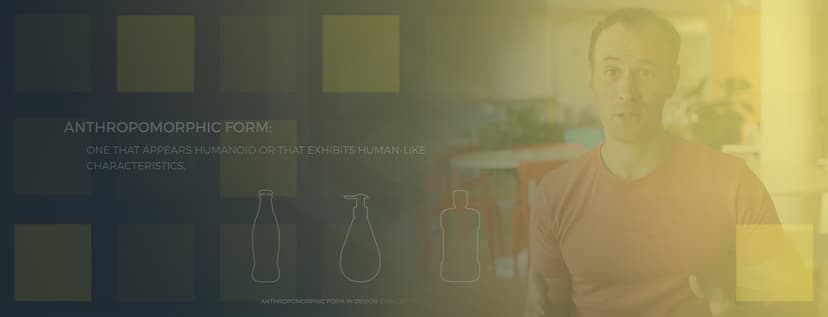
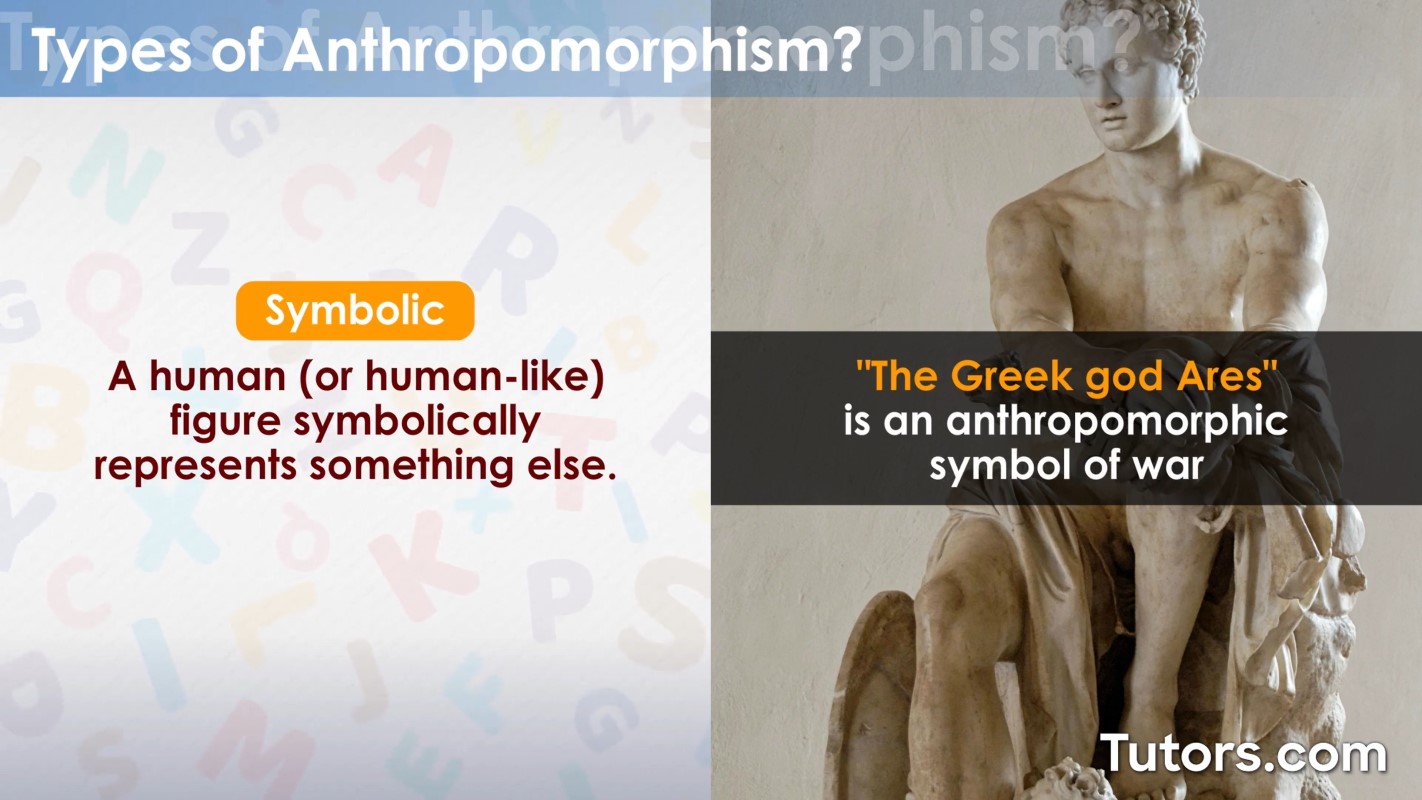
The natural world teems with creatures whose behaviors, forms, and expressions often mirror our own—whether it’s the loyal gaze of a dog, the cunning mimicry of an octopus, or the intricate social rituals of primates. This phenomenon, known as anthropomorphism, transcends mere curiosity; it reflects a profound cognitive inclination to perceive agency, intention, and even emotion in non-human entities. In biology, anthropomorphism is not merely a poetic indulgence but a lens through which we interpret, study, and sometimes misinterpret the living world. Yet, its ethical dimensions remain underexplored, raising critical questions about objectivity, bias, and the boundaries of scientific inquiry. Why do we so readily attribute human traits to animals, plants, or even machines? What are the consequences of this tendency in biological research, conservation, and public perception? And how can we navigate its pitfalls while harnessing its insights?
The Allure of the Human-Like: Why Anthropomorphism Captivates Us
Anthropomorphism is deeply embedded in human cognition, a vestige of our evolutionary past where recognizing agency in the environment conferred survival advantages. Faces, in particular, hold an almost magnetic pull—studies suggest that even newborns preferentially track schematic representations of eyes and mouths, a predisposition that primes us to see “humanness” in the most unlikely places. This bias extends beyond mere visual cues; it infiltrates language, where terms like “clever” for crows or “deceptive” for orchids anthropomorphize biological strategies without empirical justification. The fascination isn’t trivial; it’s a testament to our brain’s relentless search for patterns, even where none exist. Yet, this cognitive shortcut can distort reality, blurring the line between metaphor and mechanism.
Consider the octopus, a master of disguise whose ability to mimic textures and colors has earned it the moniker “shape-shifter.” Popular accounts often describe its behavior in terms of cunning or playfulness, but such language risks anthropomorphizing a creature whose neural architecture—distributed across its arms—operates on principles alien to our own. The ethical dilemma arises when these narratives shape public perception, influencing conservation priorities or even legal protections. If we conflate intelligence with malice, do we risk demonizing species we don’t fully understand? The answer lies not in suppressing anthropomorphism entirely but in recognizing its seductive power and interrogating its implications.
The Double-Edged Sword: Benefits and Biases in Biological Research
Anthropomorphism is not inherently unethical; in fact, it has fueled groundbreaking discoveries. The study of animal emotions, for instance, owes much to researchers who dared to ask whether grief, joy, or empathy exist beyond human experience. Jane Goodall’s early observations of chimpanzees using tools and forming social bonds challenged the rigid boundaries of anthropocentrism, paving the way for a more nuanced understanding of animal cognition. Yet, the same impulse can lead to pseudoscience, where anecdotal evidence replaces rigorous experimentation. A classic example is the “clever Hans” effect, named after a horse whose apparent mathematical prowess was later revealed to be a result of subtle, unintentional cues from its trainer.
The ethical stakes are highest in fields like behavioral ecology, where anthropomorphic interpretations can skew data. If a biologist describes a bird’s song as “sad,” they risk imposing subjective emotional states onto a system governed by evolutionary imperatives. Such language isn’t merely imprecise—it can reinforce harmful stereotypes, such as the notion that maternal care in mammals is inherently “loving” rather than a survival strategy honed by natural selection. The antidote lies in methodological rigor: replacing anthropomorphic descriptors with operational definitions (e.g., “vocalizing at a frequency associated with stress”) and employing blind observers to mitigate observer bias. Yet, even the most rigorous science cannot fully escape the shadow of anthropomorphism, for the questions we ask are often framed by our own experiences.
Conservation and the Moral Weight of Anthropomorphism
In conservation biology, anthropomorphism wields immense power. Species that evoke human-like traits—think of the charismatic panda or the “smiling” quokka—often receive disproportionate attention and funding, while less photogenic creatures, like nematodes or fungi, languish in obscurity. This bias isn’t just a matter of aesthetics; it reflects deeper ethical choices about which lives we value. The “flagship species” approach, while effective in rallying public support, can distort ecological priorities, diverting resources from ecosystems as a whole. Moreover, anthropomorphic narratives can backfire, as when elephants are portrayed as “wise elders” leading their herds, a romanticized view that overlooks the brutal realities of poaching and habitat fragmentation.
Consider the case of the North Atlantic right whale, whose slow reproductive cycle and gentle demeanor have earned it the title “urban whale.” Conservation campaigns often emphasize its “patient motherhood” or “resilient spirit,” framing its survival as a moral imperative. While such narratives galvanize action, they also risk reducing complex ecological issues to simplistic morality plays. The ethical challenge is to balance emotional appeal with ecological complexity, ensuring that conservation efforts are driven by science rather than sentiment. This requires acknowledging anthropomorphism’s role in advocacy while actively countering its distortions through transparent, evidence-based communication.

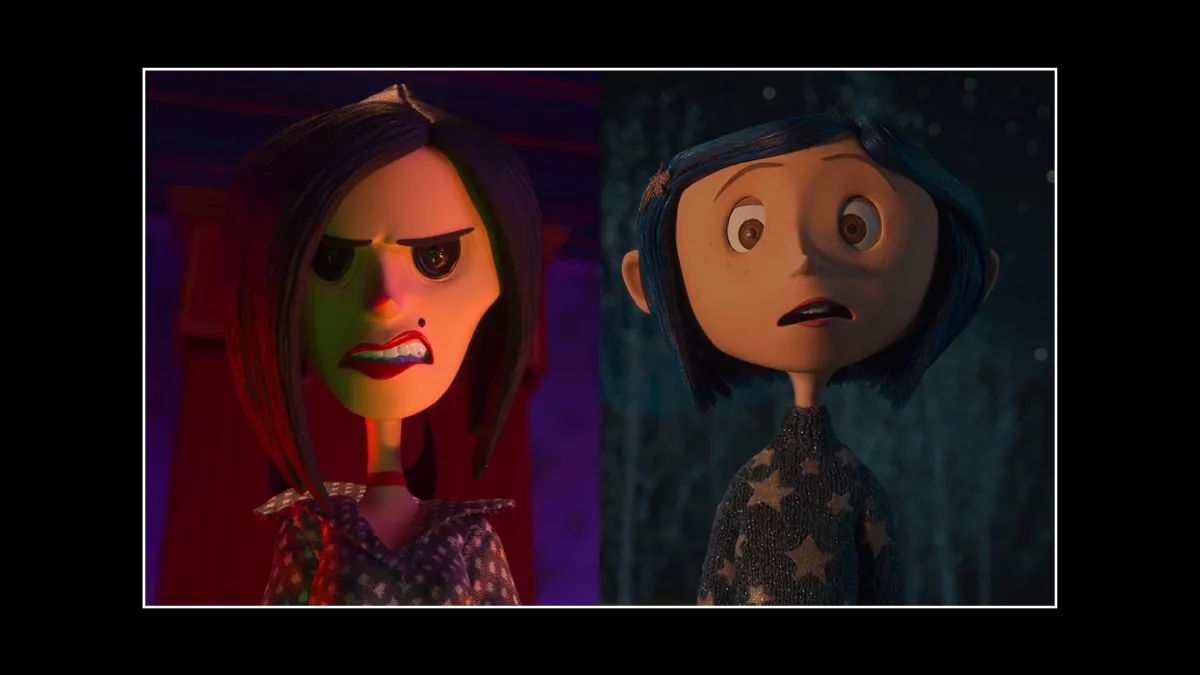
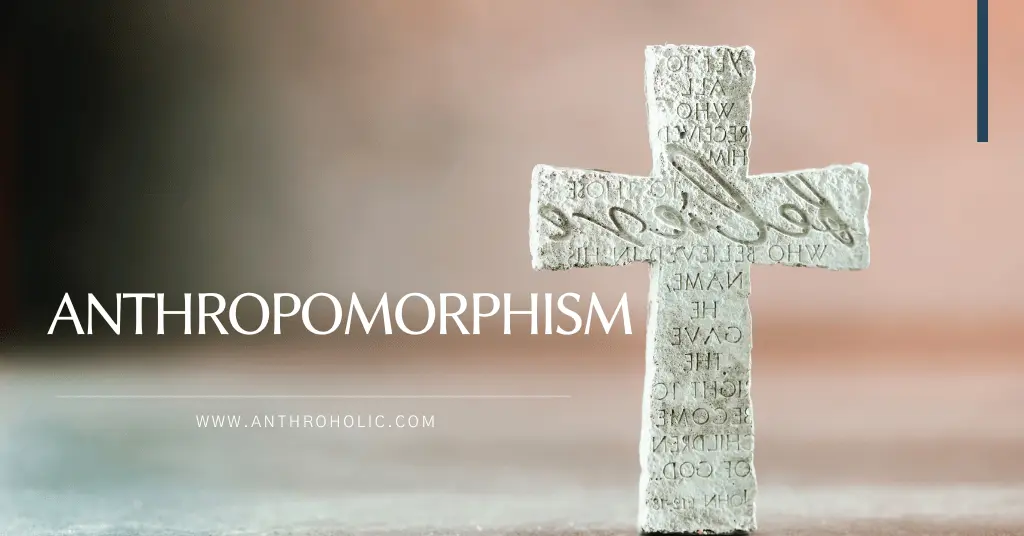
The image above captures the essence of anthropomorphism’s dual nature: it bridges the gap between the human and the non-human, but it also risks erasing the distinctions that define biological reality. In conservation, this tension plays out in debates over de-extinction. Projects like the revival of the woolly mammoth hinge on our ability to project human values onto extinct species—imagining them as noble stewards of the Arctic tundra rather than as creatures shaped by entirely different evolutionary pressures. The ethical question isn’t whether we should pursue such endeavors but how we reconcile our anthropocentric desires with the integrity of the ecosystems we seek to restore.
Anthropomorphism in the Age of AI and Synthetic Biology
The rise of artificial intelligence and synthetic biology has amplified anthropomorphism’s ethical dimensions. When we describe an algorithm as “learning” or a lab-grown organ as “self-assembling,” we blur the boundaries between biological and mechanical processes. This isn’t merely a linguistic quirk; it shapes public perception of emerging technologies, influencing everything from regulatory policies to investment decisions. The ethical concern is twofold: first, that anthropomorphic language may overstate the capabilities of AI or synthetic systems, leading to unrealistic expectations; and second, that it may understate the complexity of biological systems, reducing life to a series of programmable functions.
Take the case of CRISPR gene-editing technology, often framed in terms of “precision” and “editing,” metaphors borrowed from human craftsmanship. While these terms convey the technology’s potential, they also risk obscuring the unintended consequences of genetic manipulation—off-target effects, ecological disruptions, or the ethical minefield of human germline editing. Similarly, when we anthropomorphize AI, we risk anthropocentrism in reverse: assuming that non-human intelligence must resemble our own, when it may operate on principles we cannot yet comprehend. The ethical imperative is to use anthropomorphic language judiciously, ensuring it serves clarity rather than obfuscation.
Toward an Ethical Anthropomorphism: Balancing Empathy and Rigor
The path forward isn’t to eliminate anthropomorphism but to cultivate an ethical framework for its use. This begins with self-awareness: recognizing when our language reflects genuine biological insight and when it reveals our own cognitive biases. Scientists, communicators, and policymakers must adopt a stance of “critical anthropomorphism,” using human-like descriptions as heuristic tools while actively interrogating their validity. In research, this means supplementing anthropomorphic hypotheses with mechanistic alternatives—for example, testing whether a bird’s “grief” is better explained by stress responses or social learning.
For educators and science communicators, the challenge is to harness anthropomorphism’s power without misleading the public. This might involve using analogies sparingly, clarifying their limitations, and emphasizing the provisional nature of scientific knowledge. In conservation, it means diversifying the narratives we tell about nature, highlighting the beauty of organisms that lack human-like traits—like the humble tardigrade, whose indestructibility defies anthropomorphic expectations. Ultimately, an ethical approach to anthropomorphism requires humility: acknowledging that our fascination with the human-like is both a strength and a limitation, a tool for connection and a potential pitfall for misunderstanding.
As we stand on the precipice of new biological frontiers—from AI-driven drug discovery to the resurrection of extinct species—the ethical stakes of anthropomorphism have never been higher. The question isn’t whether we should anthropomorphize but how we can do so responsibly, ensuring that our empathy for the non-human world is matched by our commitment to understanding it on its own terms. In this balance lies the future of ethical inquiry in biology: a world where our capacity for wonder is tempered by the rigor of reason, and where the boundaries between human and non-human are not erased but respectfully acknowledged.