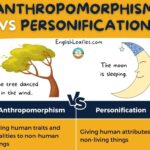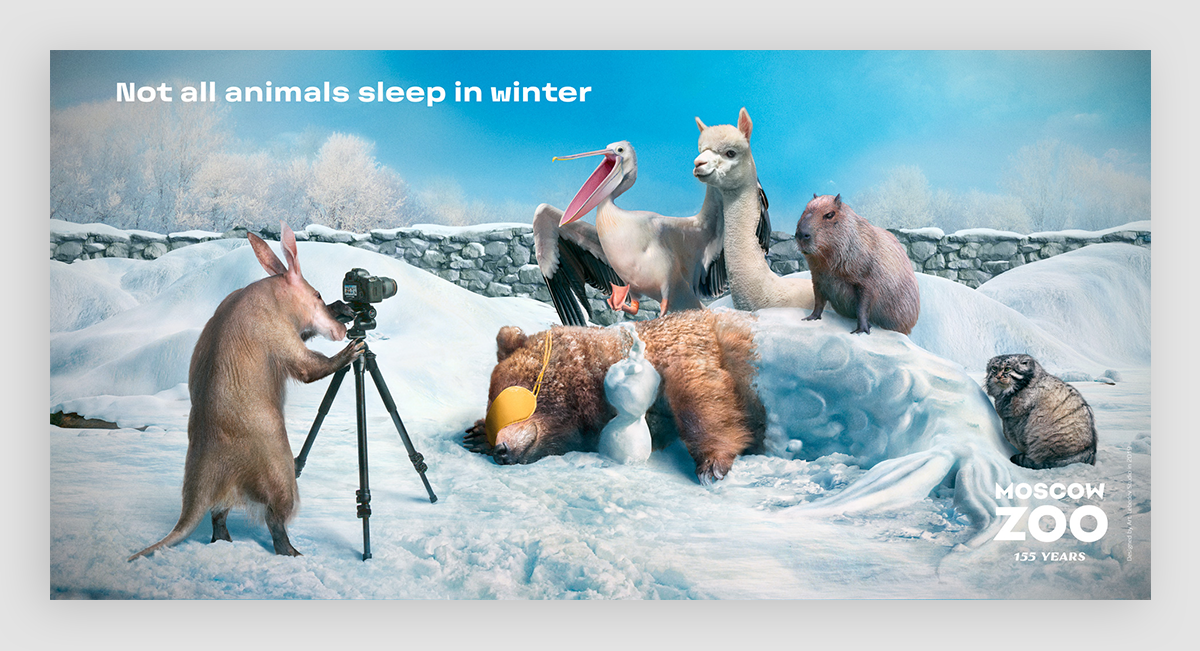
In the grand tapestry of human storytelling, few threads are as enduring—or as revealing—as anthropomorphism. The act of imbuing animals, objects, or abstract concepts with human traits isn’t merely a whimsical literary device; it’s a mirror held up to society itself. Through the lens of metaphor, anthropomorphism allows us to confront the complexities of human nature by cloaking them in the familiar yet fantastical guise of the non-human. From the cunning fox of Aesop’s fables to the sentient teapots of *Beauty and the Beast*, these characters serve as vessels for our deepest anxieties, aspirations, and moral quandaries. They are the chameleons of narrative, shifting hues to reflect the zeitgeist of their era while remaining timeless in their appeal.
The Mirror of Human Nature: How Anthropomorphism Reveals Our Flaws
Anthropomorphism acts as a crucible in which human nature is distilled into its most potent elements. By externalizing traits—greed, vanity, courage—into creatures or objects, literature strips away the veneer of civilization, exposing the raw, unfiltered essence of our character. Consider the wolf in *Little Red Riding Hood*: his sly charm and predatory instincts are not just those of a beast but a dark reflection of human deceit. The wolf doesn’t merely *represent* cunning; he embodies it in its most visceral form, free from the constraints of human morality. This transference allows readers to engage with uncomfortable truths about power, predation, and vulnerability without the paralyzing weight of direct confrontation.
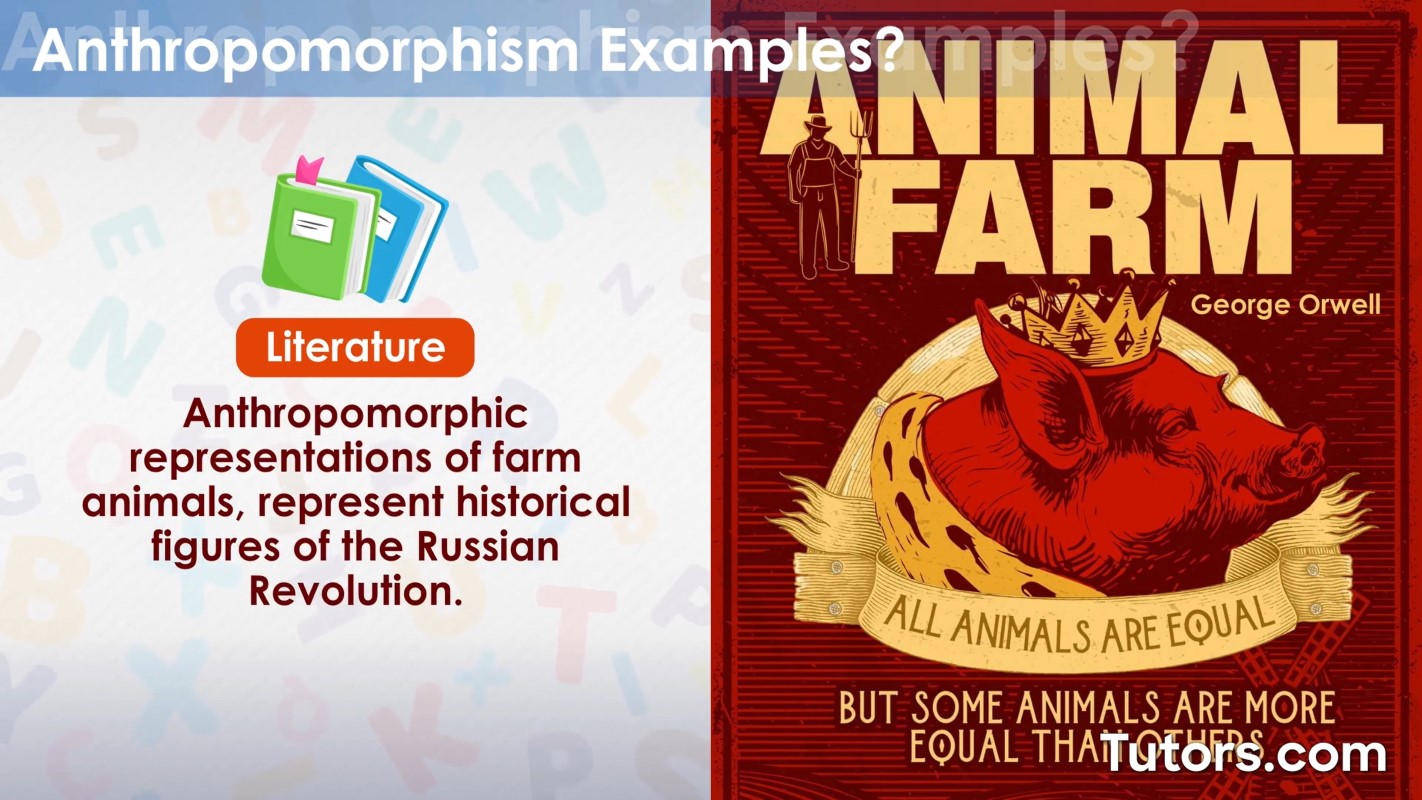
In *Animal Farm*, George Orwell weaponizes anthropomorphism to skewer political hypocrisy. The pigs, once revolutionary leaders, devolve into tyrants, their human flaws magnified by their porcine forms. The satire stings precisely because the animals’ humanity is undeniable—yet their animalistic traits (pigs rolling in mud, horses toiling blindly) underscore the cyclical nature of oppression. Here, metaphor becomes a scalpel, dissecting the anatomy of societal collapse with surgical precision.
The Comfort of the Familiar: Why We Embrace the Uncanny
There’s a paradox at the heart of anthropomorphism: the more alien the subject, the more human it must become to resonate. A talking mouse or a brooding teapot feels less like a violation of reality and more like an inevitable evolution of it. This phenomenon, known as the “uncanny valley” in reverse, suggests that the closer a non-human entity approximates human behavior, the more we accept—and even cherish—it. Children, in particular, gravitate toward anthropomorphic characters because they offer a bridge between the known (their own emotions) and the unknown (the world’s vast, indifferent complexity).
Yet this appeal isn’t confined to childhood. Adults, too, find solace in the metaphorical. The animated films of Studio Ghibli, for instance, populate their worlds with creatures that embody human struggles—*Spirited Away*’s No-Face, a spectral wanderer whose hunger mirrors societal alienation, or *My Neighbor Totoro*’s gentle forest spirits, which reflect humanity’s fragile connection to nature. These characters don’t just entertain; they provide a language for emotions too profound or ambiguous to articulate directly. In a world where direct expression often feels fraught, anthropomorphism offers a sanctuary of indirection.
Cultural Chameleons: How Anthropomorphism Adapts Across Eras
Anthropomorphism is not a static tool but a chameleon, shifting its form to suit the cultural landscape. In medieval Europe, animals in fables often stood in for religious or moral lessons— Reynard the Fox, a trickster figure, embodied the sin of deceit. Fast-forward to the Enlightenment, and anthropomorphic characters like Voltaire’s *Micromégas* (a giant from Saturn) became vehicles for philosophical satire, critiquing human folly from the vantage point of an outsider. The 19th century saw a surge in beast fables, where animals like the White Rabbit in *Alice in Wonderland* mirrored the absurdity of Victorian social mores.
Today, anthropomorphism thrives in digital spaces, where brands and algorithms adopt human personas to foster connection. From the cheerful, emoji-like faces of customer service chatbots to the viral personas of meme animals (think the existential dread of *Distracted Boyfriend*), these characters reflect our evolving relationship with technology. They are the new mythmakers, shaping how we perceive artificial intelligence, consumerism, and even our own identities. The fox in a corporate logo or the owl in a financial app isn’t just a mascot; it’s a cultural artifact, encoding the values—and contradictions—of its time.
The Moral Alchemy of Anthropomorphism: Teaching Through Metaphor
Few tools are as potent for moral instruction as anthropomorphism. By casting ethical dilemmas in the form of animals or objects, literature transforms abstract concepts into tangible, visceral experiences. *The Lorax*, Dr. Seuss’s cautionary tale, personifies environmental destruction in the form of a mustachioed creature whose home is paved over by greed. The story’s power lies not in data or statistics but in the heartbreak of seeing a once-vibrant landscape reduced to silence—a metaphor so potent it transcends its children’s book origins.
Similarly, *Watership Down* uses rabbits to explore themes of leadership, freedom, and the cost of war. The rabbits’ society, with its hierarchies and myths, mirrors human political structures, yet their animal instincts ground the narrative in a raw, almost mythic truth. When Hazel leads his warren to safety, he isn’t just a rabbit; he’s Everyman, navigating the labyrinth of survival with courage and cunning. This alchemy of metaphor turns storytelling into a moral laboratory, where readers can experiment with empathy without real-world consequences.
The Dark Side of the Mirror: When Anthropomorphism Distorts
Yet for all its virtues, anthropomorphism is a double-edged sword. When wielded carelessly, it can perpetuate harmful stereotypes or oversimplify complex issues. The trope of the “savage” Native American in early Westerns, often depicted as a cunning animal-like figure, is a stark reminder of how metaphor can be weaponized to dehumanize. Even in modern media, the line between playful anthropomorphism and reductive caricature can blur—consider the controversy surrounding certain animated films that reduce cultural identities to animalistic tropes.
Moreover, anthropomorphism can lull us into a false sense of superiority. By casting villains as monstrous or inhuman, we absolve ourselves of responsibility for their actions. The Joker, in his various incarnations, is often framed as a force of pure chaos, untethered from human psychology. Yet this portrayal risks turning him into a scapegoat—a metaphorical lightning rod for societal fears rather than a mirror reflecting them. The danger lies in mistaking the metaphor for the truth, in believing that evil is something external rather than a shadow cast by our own nature.
The Future of the Human-Animal Hybrid: Anthropomorphism in the Digital Age
As technology blurs the boundaries between human and machine, anthropomorphism takes on new dimensions. AI assistants like Siri or Alexa are designed with human-like voices and personalities, inviting users to form emotional attachments to algorithms. This raises profound questions: Are we projecting humanity onto machines, or are we, in turn, being reshaped by their metaphorical gaze? The rise of “digital pets” in video games—creatures like *Pokémon* or *Tamagotchi*—suggests that our need for anthropomorphic connection is insatiable, even when the “life” we’re nurturing is entirely artificial.
Meanwhile, virtual influencers and AI-generated characters are redefining storytelling. Lil Miquela, a CGI influencer with millions of followers, blurs the line between person and product, challenging our perceptions of authenticity. These digital entities are the latest evolution of anthropomorphism—a fusion of code and culture, where the metaphor is no longer just a tool but a participant in the narrative. As we hurtle toward an increasingly synthetic future, the question lingers: Will anthropomorphism help us navigate this new world, or will it become yet another layer of artifice obscuring the human experience?
Anthropomorphism endures because it is, at its core, a dialogue between the known and the unknown. It allows us to see ourselves in the eyes of a fox, a teapot, or a sentient algorithm, to laugh at our flaws and weep at our vulnerabilities without losing face. In an era where direct confrontation feels increasingly fraught, these metaphorical mirrors offer a rare clarity—a way to hold up a light to the shadows of society, and perhaps, in time, to ourselves.