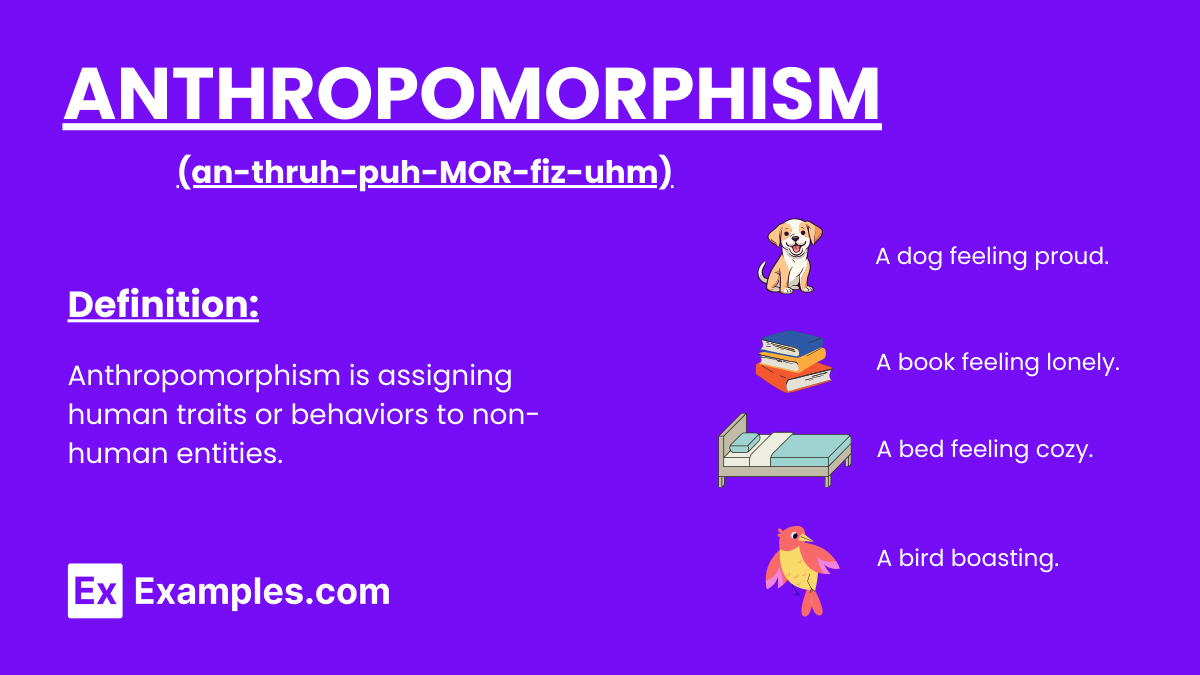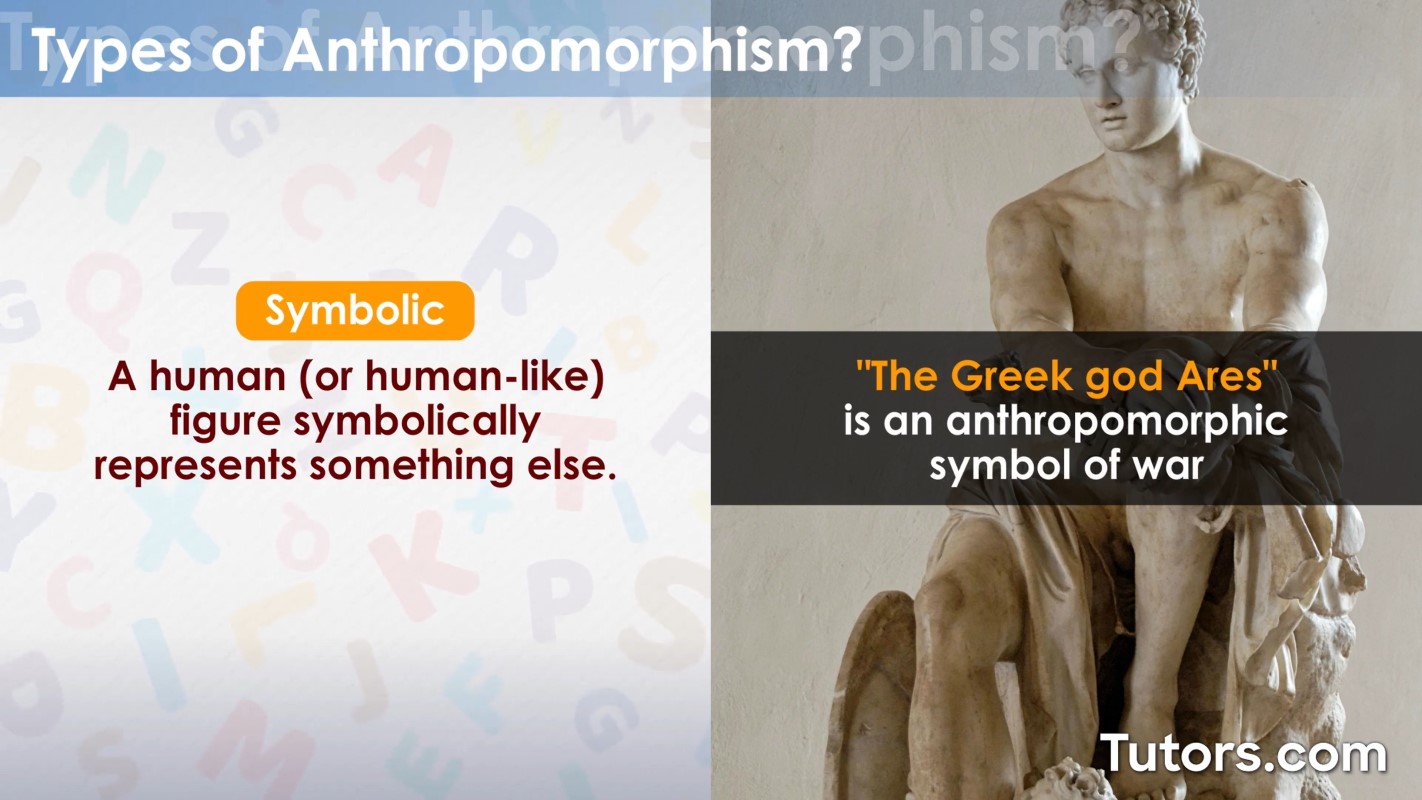
In the cacophony of modern commerce, where attention spans fray like overused parchment, businesses clamor for a narrative edge. Enter anthropomorphism—the ancient art of imbuing the inanimate with human traits—now wielded as a strategic storytelling weapon. When a brand’s mascot grins from a cereal box or a chatbot apologizes for a delay, it’s not whimsy; it’s calculated empathy. Anthropomorphism in business storytelling transcends mere decoration. It forges emotional bridges, simplifies complexity, and transforms passive observers into invested participants. This alchemy of relatability doesn’t just adorn corporate messaging—it redefines it, turning abstract services into tangible companions and faceless corporations into confidants. The result? Engagement that lingers like the aftertaste of a well-told tale.
The Psychological Alchemy of Humanizing Brands
At its core, anthropomorphism exploits the brain’s predisposition to detect faces and emotions—a survival mechanism honed over millennia. When a logo’s eyes follow you across a webpage or a voice assistant adopts a name, the mind suspends disbelief, engaging the same neural pathways activated by human interaction. This phenomenon, known as pareidolia, explains why we see the Virgin Atlantic logo’s swoosh as a smile or why the Michelin Man feels like a jovial guardian. Businesses leverage this cognitive quirk to bypass the cerebral skepticism that often greets marketing. By anthropomorphizing, brands don’t just communicate; they converse. The psychological contract shifts from transactional to relational, where trust is no longer demanded but earned through shared traits—loyalty, humor, resilience. Consider the metamorphosis of a utility company into a steadfast “energy guardian” patrolling the home’s circuits. Suddenly, a mundane bill becomes a pact between allies.

Masquerading as Metaphors: The Power of Brand Personas
Brand personas are the Trojan horses of anthropomorphic storytelling, smuggling corporate values into the consumer’s psyche under the guise of relatable characters. These personas—whether the quirky Geico Gecko or the stoic Maytag Man—operate as narrative proxies, embodying traits businesses wish to be associated with: reliability, wit, or innovation. The genius lies in their versatility. A persona can be a steadfast mentor (like IBM’s Watson), a mischievous trickster (Old Spice’s Isaiah Mustafa), or a wise elder (Clint Eastwood’s “Priceless” campaigns for Mastercard). Each archetype serves a distinct psychological function. Mentors simplify complex decisions; tricksters disrupt complacency; elders evoke tradition and authority. The key is consistency. A persona’s voice, appearance, and backstory must align with the brand’s ethos, creating a narrative anchor that grounds marketing campaigns in authenticity. When executed well, personas don’t just sell—they become cultural touchstones, referenced in memes and quoted in everyday conversations.
Interactive Anthropomorphism: Chatbots with Character
The digital frontier has birthed a new breed of anthropomorphic entities: chatbots with personas. Unlike their static predecessors, these conversational agents don’t just dispense information—they emote. A banking chatbot might adopt a patient, grandfatherly tone, while a gaming support bot could channel the sass of a sarcastic sidekick. The magic lies in micro-interactions—those fleeting moments where a bot’s response feels unexpectedly human. A well-designed bot remembers a user’s name, acknowledges frustration with a wry “Oof, that’s rough,” or even cracks a joke about the weather. These interactions exploit the halo effect, where positive emotional cues in one area (a bot’s humor) spill over to perceptions of the entire brand. The challenge? Avoiding the uncanny valley, where over-anthropomorphism triggers revulsion. The solution lies in subtlety—hinting at humanity without mimicking it perfectly. A bot that says “I’m still learning!” feels endearing; one that delivers an uncanny smile feels unsettling.

Visual Anthropomorphism: When Logos Come Alive
Visual storytelling is the most immediate conduit for anthropomorphism, where static images leap off screens with human-like expressions. A logo’s metamorphosis—from rigid text to a grinning, winking emblem—can turn a forgettable brand into a cultural icon. Think of the M&M’s characters, each a vessel for a distinct personality trait: Red’s boldness, Yellow’s naivety, Green’s sass. These designs aren’t arbitrary; they’re visual shorthand for complex brand narratives. A logo’s eyes, mouth, or posture can convey trust, mischief, or sophistication in milliseconds. Even typography plays a role. Rounded, bubbly fonts feel friendly; sharp, angular ones feel authoritative. The most effective visual anthropomorphism balances abstraction with specificity. The Twitter bird, for instance, is a minimalist masterpiece—its upward wing suggesting flight and progress, while its perky stance invites engagement. For businesses, the lesson is clear: a logo isn’t just a trademark; it’s a silent storyteller, whispering its tale to every passerby.
Narrative Anthropomorphism: Stories Where Brands Take Center Stage
Beyond personas and logos, anthropomorphism thrives in extended narratives—commercials, podcasts, and even annual reports where brands become protagonists. Consider the “Share a Coke” campaign, where bottles bore names like “Emma” or “Liam,” transforming a product into a social catalyst. Or Patagonia’s documentary-style ads, where the brand itself is the wise, eco-conscious elder guiding viewers through wilderness ethics. These stories work because they tap into mythic structures, positioning brands as heroes, mentors, or rebels in the consumer’s personal saga. A fitness app might frame itself as a gruff but encouraging drill sergeant; a fintech startup could cast itself as a Robin Hood figure stealing from banks to give to the “little guy.” The key is to align the brand’s role with the audience’s aspirations. When a narrative anthropomorphizes a brand, it doesn’t just sell a product—it sells a version of the self the consumer wants to become.
Ethical Anthropomorphism: The Fine Line Between Charm and Manipulation
Yet for all its power, anthropomorphism walks a tightrope. Overuse risks infantilizing audiences or, worse, deceiving them. A brand that masquerades as a friend to exploit vulnerability crosses into emotional predation. Ethical anthropomorphism demands transparency. The Geico Gecko isn’t a real gecko; he’s a fictional construct designed to humanize a service. The moment a brand’s persona implies sentience it doesn’t possess—like a chatbot claiming to “feel” tired—it risks eroding trust. The solution lies in metacommunication: acknowledging the artifice while embracing the metaphor. A campaign might wink at the audience, acknowledging that “yes, this mascot is a figment, but isn’t it fun to pretend?” This honesty fosters a collaborative illusion, where both brand and consumer play along, knowing full well it’s a game—but one that enriches both parties.

Measuring the Magic: How to Gauge Anthropomorphic Engagement
Quantifying the impact of anthropomorphism isn’t straightforward, but metrics like time-on-page, social shares, and conversion rates offer clues. A campaign featuring a relatable persona might see users spending 30% more time on a webpage, while a chatbot with a distinct voice could reduce bounce rates by half. Qualitative feedback—surveys, reviews, and social media comments—reveals whether the anthropomorphism resonates. Are users calling the mascot “cute” or “creepy”? Do they anthropomorphize the brand themselves, referring to it as “she” or “he”? Advanced tools like sentiment analysis can detect emotional cues in user-generated content, highlighting whether the storytelling evokes joy, trust, or frustration. The goal isn’t just to measure engagement but to refine it, ensuring the anthropomorphism feels like a handshake—not a bear hug.
The Future: Anthropomorphism in the Age of AI and Beyond
As artificial intelligence blurs the line between tool and companion, anthropomorphism will evolve from a marketing tactic to a design philosophy. Imagine an AI assistant that doesn’t just schedule meetings but “remembers” your coffee order and teases you for your Monday blues. Or a smart home device that “apologizes” when it mishears a command, its voice modulated to convey genuine chagrin. The frontier of anthropomorphism lies in dynamic personification—where a brand’s persona adapts to individual users, learning their quirks and mirroring their emotions. Yet this future demands caution. The more human-like an entity becomes, the greater the ethical stakes. Will consumers accept a brand’s apology if it’s delivered by a synthetic voice indistinguishable from a human’s? The answer may hinge on whether the anthropomorphism serves the user—or the bottom line.