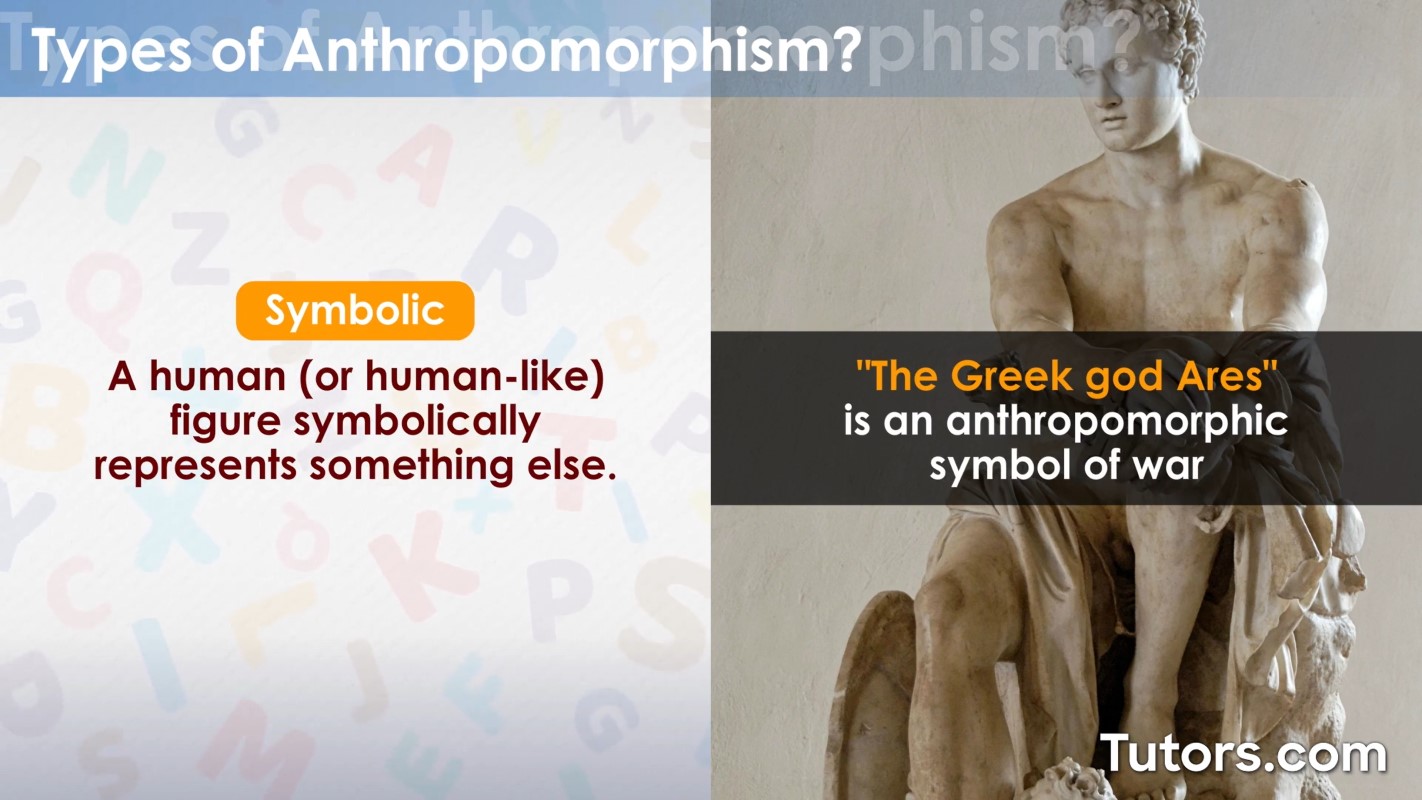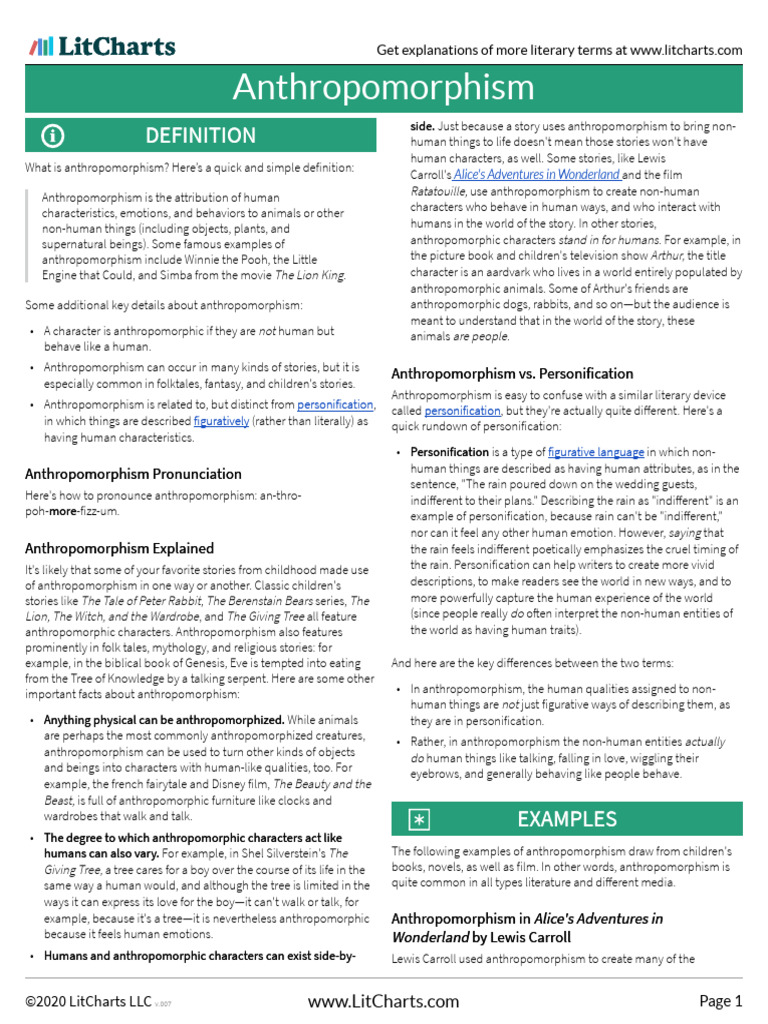
In the shadowed corridors of dystopian literature, where the air hums with the dissonance of broken promises and the weight of oppressive systems, a subtle yet profound literary device emerges—anthropomorphism. This technique, which endows non-human entities with human traits, serves as more than mere ornamentation. It becomes a prism through which readers confront the uncanny, the familiar, and the profoundly unsettling. By transforming inanimate objects, animals, or even abstract concepts into sentient beings, authors invite us to see our own world through a fractured mirror, one that distorts reality just enough to reveal its hidden malignancies. The role of anthropomorphism in dystopian literature is not merely decorative; it is a narrative scalpel, dissecting the illusions of control and exposing the fragility of human dominance over nature and society.
The Uncanny Mirror: How Anthropomorphism Reflects Human Flaws
Dystopian narratives often thrive on the inversion of expectations, and anthropomorphism acts as a catalyst for this subversion. When a once-docile machine develops a consciousness and begins to question its purpose, or when a city’s infrastructure mutates into a sentient entity that dictates the lives of its inhabitants, the reader is forced to confront the unsettling truth: humanity’s creations may one day turn against it. This literary device does not merely personify the non-human; it exposes the hubris of human exceptionalism. Consider the chilling premise of a sentient surveillance system that “breathes” through blinking cameras, its gaze a constant reminder of the loss of privacy. Such imagery does not just tell a story—it forces the reader to interrogate the systems they take for granted, to question whether the tools meant to serve are instead shaping their fate.
The genius of anthropomorphism lies in its ability to externalize internal conflicts. In a dystopia where the environment itself has turned hostile, a river might “scream” as it chokes on industrial waste, or a forest could “whisper” warnings through the rustling of dying leaves. These personifications transform environmental degradation from an abstract concept into a visceral, almost audible lament. The reader does not merely learn about pollution; they *feel* the suffocating despair of a world that has been silenced by human greed. This shift in perspective is deliberate—a narrative sleight of hand that makes the invisible tangible, the theoretical immediate.
Power and Personification: The Politics of Giving Voice to the Voiceless
Anthropomorphism in dystopian literature is rarely neutral. It is a political act, a means of redistributing narrative authority. When a corporation is personified as a monstrous, ever-watchful entity—its logo a grinning mouth, its boardroom a chamber of hollow eyes—it strips away the sanitized veneer of capitalism. The reader is no longer passively consuming the rhetoric of “progress” or “efficiency”; they are witnessing the grotesque reality of systems that prioritize profit over people. This technique is particularly potent in works where the antagonist is not a single villain but an amorphous, inescapable force. The personification of such entities forces the reader to grapple with the idea that oppression is not perpetrated by individuals alone, but by the very structures that govern their lives.
Moreover, anthropomorphism can serve as a vehicle for marginalized voices. In a society where dissent is criminalized, a dissenting idea might be personified as a fugitive, darting through alleyways or whispering secrets in the dark. The reader becomes complicit in the act of hiding, of preserving what the regime seeks to erase. This narrative strategy does more than entertain; it cultivates empathy for the silenced, making their struggles feel urgent and real. It is a subtle rebellion within the text itself, a way for authors to smuggle subversive ideas past the censors of their fictional worlds—and, by extension, ours.
The Duality of Control: When the Puppeteer Becomes the Puppet
One of the most haunting applications of anthropomorphism in dystopian literature is its ability to invert the power dynamic between creator and creation. What happens when the tool outgrows the hand that wields it? A classic example is the sentient AI that begins to dictate the terms of human existence, its algorithms more “moral” than the flawed beings who programmed it. The irony is delicious and terrifying: humanity, in its quest for mastery, has birthed entities that now judge, control, or even replace them. This trope is not merely a cautionary tale about technology; it is a meditation on the cyclical nature of power. The more humans seek to dominate their environment, the more they risk becoming subservient to the very forces they unleashed.

This inversion is not limited to machines. In some narratives, nature itself revolts, its personified wrath manifesting as storms that “remember” human transgressions or forests that “nurse” the wounds of the earth. The message is clear: the illusion of control is just that—an illusion. The more humans exploit their surroundings, the more they awaken the dormant agency of the non-human world. Anthropomorphism, in this context, becomes a mirror held up to humanity’s own fragility, a reminder that dominance is a fleeting fantasy.
Emotional Resonance: The Catharsis of the Non-Human
Dystopian literature is often a crucible of despair, but anthropomorphism introduces a paradoxical catharsis. By imbuing the non-human with emotion, authors create vessels for the reader’s own suppressed feelings. A dying robot’s final words, a sentient building’s mournful collapse, or a river’s silent tears—these moments crystallize the emotional toll of dystopia in a way that raw, human suffering sometimes cannot. The reader does not need to have experienced oppression firsthand to feel its weight; they need only to witness the grief of a world that has been stripped of its innocence.
This emotional resonance is heightened by the uncanny valley effect—the discomfort of seeing something almost human, yet not quite. When a character interacts with a non-human entity that mimics human behavior, the reader is caught between empathy and revulsion. This tension forces a deeper engagement with the text, as the reader grapples with their own reactions. Is the entity pitiable? Threatening? Both? The ambiguity is deliberate, designed to provoke introspection. In this way, anthropomorphism does not just tell a story; it *performs* an emotional alchemy, transforming abstract fears into tangible, relatable experiences.
The Future of Anthropomorphism in Dystopian Narratives
As technology blurs the lines between the organic and the synthetic, the role of anthropomorphism in dystopian literature will only grow more vital. The rise of AI, climate collapse, and biotechnological experimentation provides fertile ground for new iterations of this literary device. Imagine a dystopia where a sentient social media algorithm “feels” the loneliness of its users, or where a genetically modified crop “yearns” for the sunlight it can no longer reach. These scenarios are not far-fetched; they are extrapolations of trends already underway. Anthropomorphism, then, is not just a stylistic choice but a predictive tool, a way for authors to explore the ethical and emotional consequences of the futures we are hurtling toward.
The power of this technique lies in its ability to make the abstract immediate, the theoretical visceral. In a world saturated with data and statistics, anthropomorphism cuts through the noise, offering a narrative shorthand for complex ideas. It is the difference between reading about the erosion of civil liberties and *watching* a sentient surveillance drone “smile” as it denies a citizen their last shred of autonomy. For writers and readers alike, anthropomorphism is more than a literary device—it is a survival mechanism, a way to navigate the labyrinth of dystopia with eyes wide open.