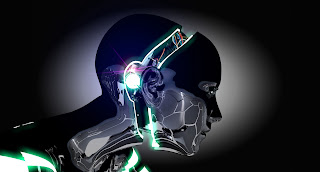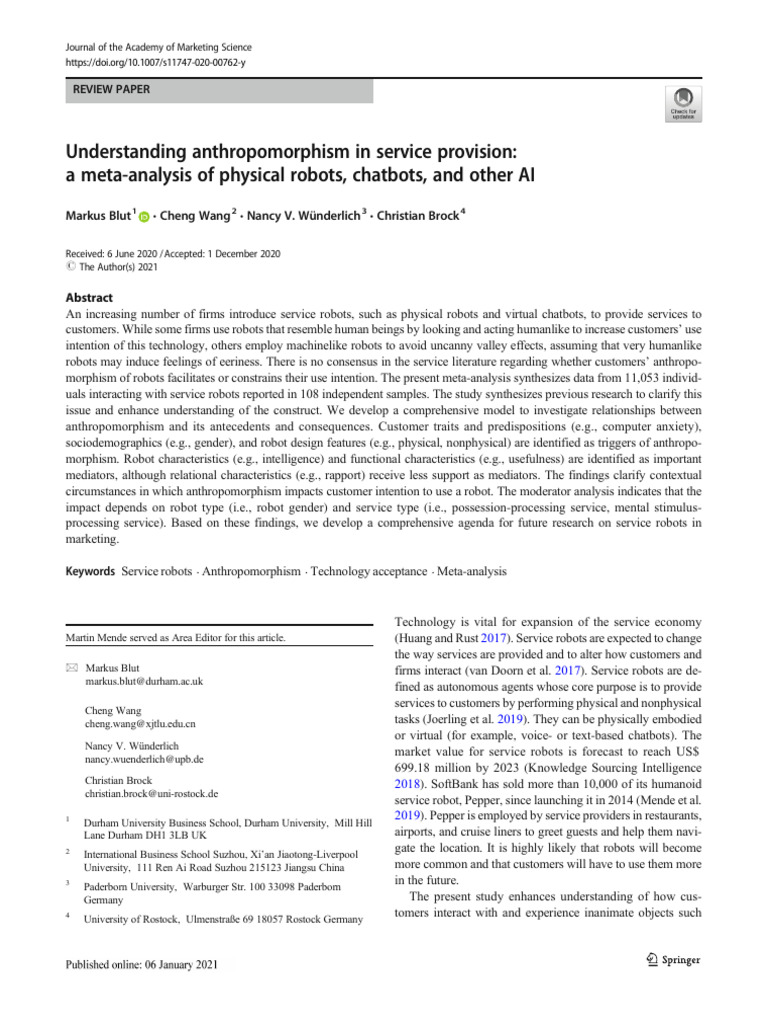
Human beings have an intrinsic propensity to attribute human characteristics, emotions, and intentions to non-human entities—a phenomenon known as anthropomorphism. This tendency is vividly displayed in our interactions with robots, which often transcend their mechanical nature, invoking empathy, trust, and complex social dynamics. Investigating how anthropomorphism impacts the domain of human-robot interaction (HRI) is not merely an academic exercise. It holds profound implications for the design, deployment, and acceptance of robotic systems in society. Behind the apparent simplicity of assigning human qualities to machines lies a tapestry of psychological, cultural, and technological threads that shape the very fabric of how humans engage with robotic counterparts.
The Innate Human Fascination with Anthropomorphism
Anthropomorphism embodies more than just a cognitive shortcut; it is a profound reflection of humanity’s desire to relate and find familiarity in the unfamiliar. From early childhood, humans develop a narrative-based sense-making process, one that instinctively humanizes animals, objects, and eventually machines to bridge gaps in understanding. This fascination is deeply rooted in evolutionary psychology, where attributing agency and emotion to an entity, even erroneously, could enhance survival by fostering caution or cooperation. In the context of robots, this impulse manifests as an almost automatic projection of intentions and feelings onto mechanical beings, transforming cold, metallic constructs into social agents capable of companionship and collaboration.
Psychological Foundations Steering Human-Robot Engagement
The psychological mechanisms underlying anthropomorphism serve as conduits mediating how users perceive and respond to robots. These mechanisms include the Theory of Mind—the ability to attribute mental states to others—which is activated when humans engage with robots displaying lifelike features or behaviors. Emotional contagion, empathy, and the social cue processing system further amplify these effects. When a robot’s design includes human-like facial expressions, vocal intonations, or gestural communication, it triggers neural circuits associated with social cognition, engendering a richer, more meaningful interaction. This not only elevates user engagement but also influences trustworthiness assessments and compliance with robotic suggestions.
Design Implications: Anthropomorphism as a Double-Edged Sword
Incorporating anthropomorphic elements into robots brings forth a paradoxical design challenge. On one hand, human-like appearances and behaviors facilitate intuitive interfaces, easing user adaptation and enhancing emotional bonds. On the other, excessive or mismatched anthropomorphism can engender discomfort, a reaction popularly known as the “uncanny valley.” This phenomenon occurs when robots appear almost, but not quite, human, eliciting feelings of eeriness or revulsion. Thus, designers must calibrate the degree of anthropomorphism judiciously to harness its benefits without triggering adverse responses. Moreover, the context of interaction—whether caregiving, education, or industrial collaboration—demands tailored anthropomorphic cues that resonate authentically with user expectations and cultural norms.
Social Dynamics and Trust: The Role of Anthropomorphic Cues
Trust remains a cornerstone in the efficacy of human-robot collaborations. Anthropomorphic cues contribute significantly to establishing and maintaining this trust by humanizing the robot and thereby reducing perceived unpredictability. A robot that smiles, offers reassuring gestures, or modulates tone to convey understanding often appears more reliable and approachable. These social signals tap into entrenched human interaction schemas, fostering predictability and rapport. However, the sustainability of such trust hinges upon the robot’s consistent, contextually appropriate behavior; misaligned anthropomorphic signals or failures to meet the ‘human’ expectations can rapidly erode confidence, underscoring the complexity of integrating social intelligence into robotic frameworks.
Cultural and Individual Variability in Anthropomorphic Responses
Anthropomorphism is far from a homogeneous phenomenon; cultural background and individual differences shape its manifestation in profound ways. Societies with rich traditions of animism or folklore often exhibit heightened readiness to humanize non-human agents, which can influence acceptance levels and interaction patterns with robots. Conversely, more technocentric cultures may adopt a more utilitarian or skeptical stance. On a personal level, factors such as age, gender, cognitive style, and prior exposure to technology modulate the degree and nature of anthropomorphic attribution. Understanding this heterogeneity is essential for developing adaptive HRI systems that can cater to diverse user populations with nuanced sensitivity.
Anthropomorphism’s Ethical and Philosophical Dimensions
Beyond practical considerations, anthropomorphism in HRI invites reflection on the ethical and philosophical frontiers of technology. When humans confer emotions, intentions, or moral agency onto robots, questions arise regarding accountability, social responsibility, and emotional well-being. Does treating robots as social beings dilute human empathy or create deceptive dependencies? How should designers navigate the tension between facilitating engagement and maintaining transparency about the robot’s capabilities and limitations? These questions challenge conventional boundaries of personhood and agency, prompting interdisciplinary dialogue that intertwines robotics, ethics, psychology, and sociology.
Future Trajectories: Refining Anthropomorphism in Human-Robot Interaction
As robotics technology continues its exponential evolution, the sophistication of anthropomorphic interaction will deepen, offering unprecedented opportunities and challenges. Advances in artificial intelligence and affective computing promise more context-aware, emotionally intelligent robots capable of nuanced social exchanges. Future HRI studies are poised to unravel how dynamic anthropomorphism—where robots adapt their human-likeness in real-time according to situational and user-specific feedback—can optimize outcomes across domains like healthcare, education, and companionship. This trajectory heralds a paradigm shift from static mechanical agents to fluid social partners entwined in the human experiential milieu.
In essence, anthropomorphism resonates as a potent fulcrum in human-robot interaction, illuminating fundamental insights about human cognition, sociality, and technological integration. It is both a reflection of our collective narrative drive and a practical pathway for enriching the symbiosis between humans and machines, revealing the depths of our enduring fascination with bringing inanimate forms to life.