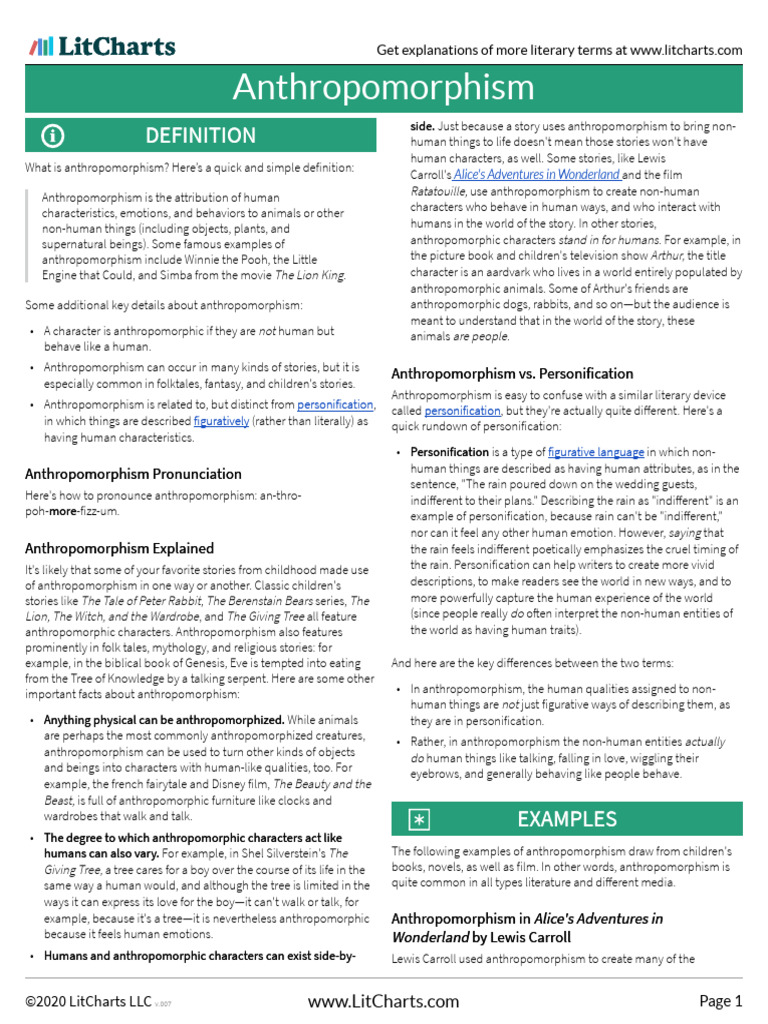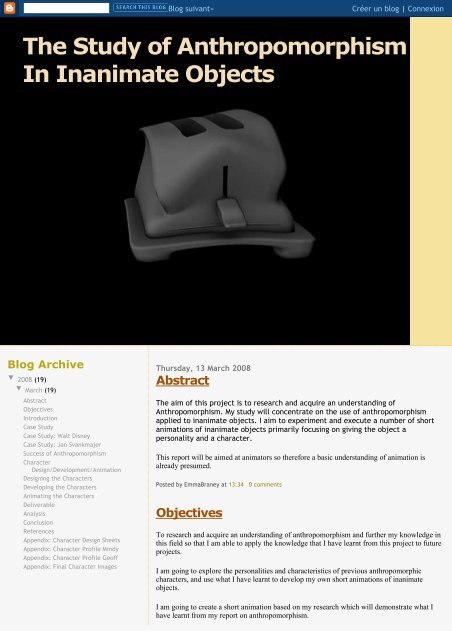
Anthropomorphism—the attribution of human traits, emotions, and intentions to non-human entities—is a pervasive phenomenon observed in various cultures and contexts throughout history. While it is common to occasionally personify objects or animals to make sense of the world, some individuals engage in an excessive form of anthropomorphizing inanimate objects. This proclivity can have profound psychological, cultural, and neurological underpinnings. Exploring why certain people anthropomorphize objects so extensively requires a multifaceted approach, encompassing psychological theories, emotional needs, cognitive processes, and social factors. This article delves into these dimensions, providing a comprehensive understanding of why this behavior manifests with such intensity in some individuals.
Psychological Motivations Behind Excessive Anthropomorphism
One of the primary psychological drivers prompting individuals to anthropomorphize inanimate objects excessively is the human need for social connection. Humans are inherently social creatures, wired to seek relationships and emotional bonds. When social interactions are limited or unsatisfactory, people may redirect their affiliative instincts toward objects, bestowing them with personality and emotional qualities. This can be especially prevalent in situations marked by loneliness or social isolation, where anthropomorphism acts as a compensatory strategy to fill relational voids.
Additionally, anthropomorphism can function as a coping mechanism during times of stress or uncertainty. By endowing an object with human-like agency, individuals may experience a semblance of control over unpredictable environments. For instance, treating a favorite mug or a cherished stuffed animal as a companion might help regulate anxiety by providing familiarity and comfort. The perceived reciprocity from these objects—though illusionary—offers reassurance and emotional stability.
Cognitive Processes and Developmental Influences
The propensity to anthropomorphize is closely linked to cognitive development and how the brain makes sense of ambiguous stimuli. Human cognition is predisposed to pattern recognition and agency detection, sometimes erring on the side of over-attributing intention to objects around us. This hyperactive agency detection device (HADD) plays a crucial role in the imagination of human characteristics in otherwise inanimate things, especially when sensory information is sparse or ambiguous.
From a developmental perspective, children naturally anthropomorphize objects as part of their imaginative and empathetic growth. Excessive anthropomorphizing in adulthood could represent a lingering or intensified characteristic of this developmental phase. Certain individuals may retain or amplify this cognitive style due to personality traits such as high imagination, creativity, or openness. These traits predispose them to perceive their environment through a more animated, emotionally rich lens, continually attributing lifelike qualities to objects.
Emotional Attachment and Object Personification
The formation of emotional bonds with objects transcends mere sentimentality; it can evolve into profound attachments that manifest as excessive personification. Objects often serve as repositories of memory, nostalgia, and identity. When an item is associated with significant personal experiences or represents a tangible link to a loved one, it can elicit complex emotional responses akin to human relationships.
In some cases, people anthropomorphize objects not merely to emulate human interaction but to maintain a symbolic relationship that transcends physical absence or loss. This can be observed in the way individuals cling to heirlooms, souvenirs, or even technology that responds with programmed feedback, deepening the illusion of partnership. The emotional gratification derived from these object-person relationships reinforces the behavior, sometimes leading to an expansive and intricate inner narrative surrounding the object’s ‘persona.’
Cultural and Media Influence on Anthropomorphism
Cultural narratives and mass media substantially shape the way people perceive and interact with inanimate objects. Stories, films, and art often depict animals, robots, and objects as sentient beings with personalities and emotions, embedding anthropomorphic frameworks in collective consciousness. This cultural reinforcement normalizes and even glorifies the behavior, making it easier for individuals to suspend disbelief and engage with everyday objects as if they had a human essence.
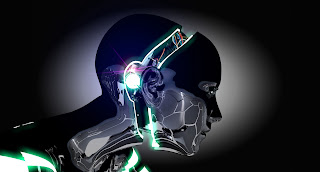
Moreover, contemporary trends such as the proliferation of artificial intelligence, voice-activated devices, and interactive technology intensify the human tendency to anthropomorphize. Devices with human-like voices or responsive behaviors blur the lines between tool and companion, encouraging users to attribute intentionality, feelings, and relational qualities to objects—thus amplifying the extent of anthropomorphism in daily life.
Neurological Correlates and Individual Differences
Emerging research into the neurological basis of anthropomorphism suggests that certain brain regions associated with social cognition and theory of mind may be more active or differently wired in individuals who extensively anthropomorphize. The brain’s default mode network, engaged during introspection and imagination, might facilitate the generation of sophisticated inner narratives about objects, supporting their ascription of human-like traits.
Individual differences in empathy, imagination, and cognitive style contribute significantly to the diversity of anthropomorphizing behavior. People with heightened empathic abilities or stronger imaginative faculties are more likely to imbue inanimate objects with emotional and intentional characteristics. Conversely, neurological conditions affecting social cognition could disrupt or alter anthropomorphic tendencies, highlighting the complexity of the underlying mechanisms.
Implications and Practical Applications of Excessive Anthropomorphism
Understanding why some people anthropomorphize inanimate objects excessively has practical implications across various domains, including mental health, design, marketing, and human-computer interaction. Clinically, it can aid in recognizing when anthropomorphism functions as a benign imaginative habit or signals deeper emotional needs and vulnerabilities that may merit support.
In design and technology, leveraging this human tendency can create more engaging and intuitive products. Anthropomorphic interfaces and interactive objects often foster user trust and emotional connection, enhancing usability and satisfaction. Marketers likewise harness anthropomorphism to personify brands, creating memorable and relatable identities that resonate with consumers on an emotional level.
Nevertheless, it is essential to maintain awareness of the potential drawbacks of excessive anthropomorphism, such as detachment from social reality or over-reliance on objects for emotional fulfillment. Balanced understanding prioritizes both the benefits and limitations of this complex behavior.
Conclusion
The excessive anthropomorphizing of inanimate objects is a richly layered phenomenon rooted in psychological needs, cognitive predispositions, emotional attachments, cultural influences, and neurological modulation. Individuals may personify objects to mitigate loneliness, manage uncertainty, preserve meaningful memories, or simply indulge a vivid imagination. This behavior offers deep insights into how humans navigate relationships—not only with others but also within their inner worlds. Appreciating the multifaceted nature of anthropomorphism enhances our understanding of human psychology and informs how we design technologies, craft narratives, and foster emotional well-being in an increasingly interactional world.