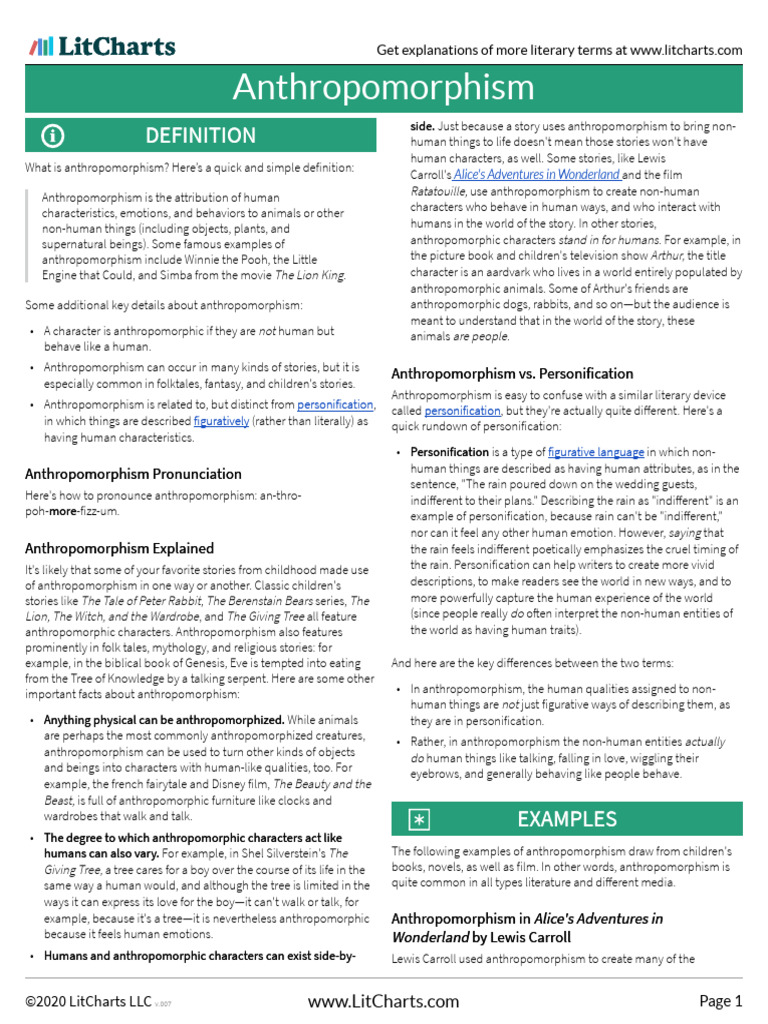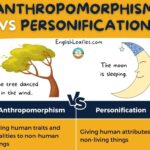
Classic literature has long served as a mirror to human nature, reflecting our deepest fears, aspirations, and moral dilemmas. Among its most enduring techniques is anthropomorphism—the attribution of human traits, emotions, or intentions to non-human entities. This literary device transcends mere whimsy; it is a profound tool for exploring the human condition. From the cunning fox in fables to the stormy tempests of Shakespearean tragedy, anthropomorphism breathes life into the inanimate, making abstract concepts tangible and moral lessons visceral. Its symbolism is not confined to children’s tales; it permeates epic poetry, Gothic novels, and even modernist works, each employing it to dissect societal norms, power structures, and existential questions. This exploration delves into the multifaceted symbolism of anthropomorphism in classic literature, unraveling how authors harness its power to challenge, enchant, and provoke thought.
The Moral Compass of Fables: Anthropomorphism as Pedagogical Parable
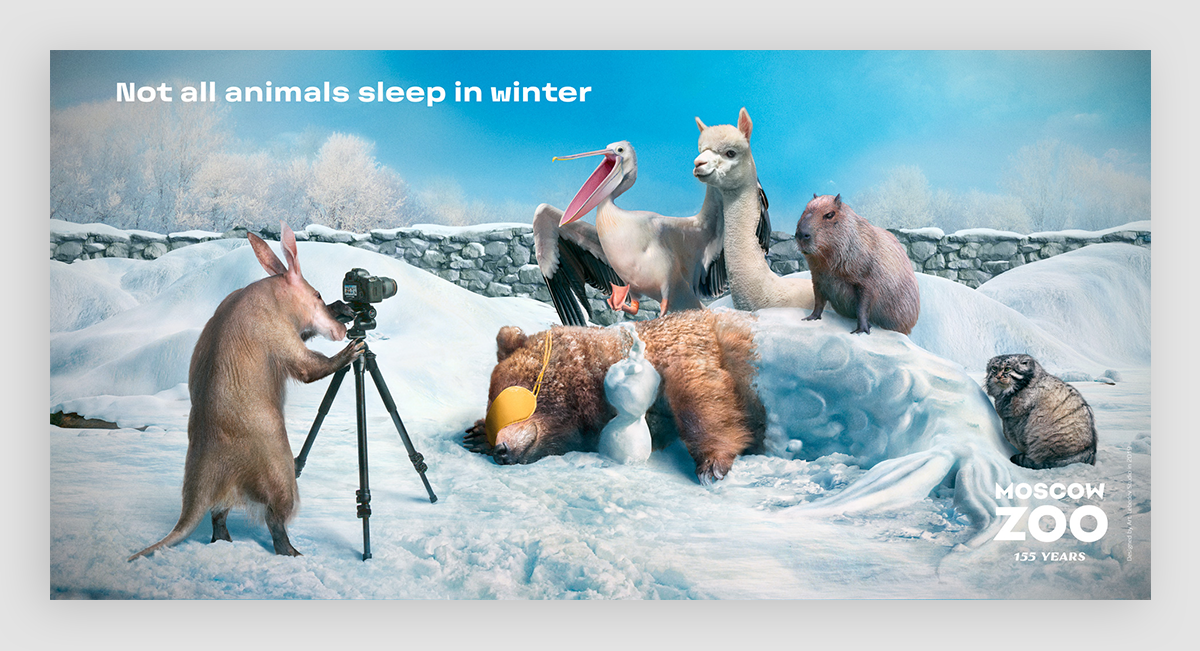
Fables, those miniature narratives brimming with wisdom, are perhaps the most overt practitioners of anthropomorphism. Aesop’s timeless tales, for instance, populate the animal kingdom with characters whose flaws and virtues mirror our own. The sly fox outwitting the vain crow, the industrious ant outmaneuvering the carefree grasshopper—these stories are not merely about animals but about human frailties. The fox’s cunning is not just a trait but a metaphor for deception, while the ant’s diligence becomes a symbol of foresight. Such anthropomorphic figures serve as allegorical mirrors, forcing readers to confront their own moral failings. The simplicity of these tales belies their depth; they are psychological primers, teaching empathy and caution through the guise of the non-human. In this way, fables transform abstract ethics into vivid, memorable narratives, ensuring their lessons linger long after the last page.

Nature’s Personification: The Storm, the Forest, and the Uncontrollable
In literature, nature is rarely a passive backdrop; it is an active, often antagonistic force, personified to reflect human turmoil. Shakespeare’s plays are rife with such anthropomorphic landscapes. In King Lear, the storm on the heath is not merely a tempest but a manifestation of the king’s inner chaos, a physical embodiment of his descent into madness. The howling winds and lashing rain become extensions of Lear’s fractured psyche, a symbol of the universe’s indifference to human suffering. Similarly, in Emily Brontë’s Wuthering Heights, the moors are more than a setting—they are a living, breathing entity, indifferent to the passions of Heathcliff and Catherine. The moors do not judge; they endure, mirroring the cyclical nature of love and vengeance. This personification of nature elevates it from mere scenery to a character in its own right, one that comments on the futility of human endeavors and the sublime indifference of the natural world.
Beasts of Burden: Animals as Mirrors of Societal Hierarchies
Anthropomorphism extends beyond moral lessons and natural forces; it also critiques societal structures. George Orwell’s Animal Farm is a masterclass in this technique, where a barnyard becomes a microcosm of political revolution and corruption. The pigs, initially symbols of enlightenment, gradually morph into tyrants, their human-like greed and manipulation laid bare. The animals’ blind obedience and eventual disillusionment reflect the cyclical nature of power, a cautionary tale about the ease with which revolutions devolve into oppression. Similarly, in Moby-Dick, Melville’s white whale is not just a creature but a symbol of the unknowable, the sublime force that defies human comprehension. Captain Ahab’s obsession with the whale is a projection of his own hubris, a critique of humanity’s futile attempts to dominate the natural world. These narratives use anthropomorphism to dissect power dynamics, exposing the fragility of human control and the illusions of authority.

The Gothic and the Grotesque: Monsters as Human Projections
The Gothic tradition thrives on anthropomorphism, particularly in its portrayal of monsters as embodiments of societal anxieties. Mary Shelley’s Frankenstein is a quintessential example, where the Creature is not merely a monster but a reflection of Victor Frankenstein’s own hubris and guilt. The Creature’s eloquence and longing for companionship humanize him, forcing readers to confront the ethical implications of playing God. Similarly, in Bram Stoker’s Dracula, the vampire is a symbol of repressed Victorian sexuality, a monstrous projection of the era’s fears about female agency and foreign influence. These anthropomorphic monsters are not just villains; they are mirrors, revealing the dark underbellies of their creators’ psyches. The Gothic genre, with its penchant for the grotesque, uses anthropomorphism to explore the boundaries between the human and the inhuman, the civilized and the savage.
Myth and Metamorphosis: Gods, Spirits, and the Divine
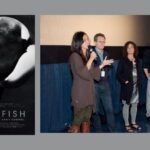
Anthropomorphism reaches its zenith in mythology, where gods and spirits are imbued with human emotions and flaws. The Greek pantheon, for instance, is a rogues’ gallery of flawed deities—Zeus’s infidelities, Athena’s wrath, Dionysus’s chaotic revelry—each reflecting the complexities of human nature. These divine figures are not distant, omnipotent beings but relatable, often petty, characters whose actions shape the fate of mortals. In Ovid’s Metamorphoses, the transformation of humans into animals, plants, or objects is not merely a plot device but a commentary on the fluidity of identity and the consequences of defying natural order. The nymph Daphne’s transformation into a laurel tree, for instance, is a poignant metaphor for the loss of agency and the inevitability of change. Mythology, through anthropomorphism, transforms the divine into the human, making the supernatural accessible and the abstract tangible.
The Modernist Gaze: Machines and the Erosion of Humanity
The 20th century brought a new dimension to anthropomorphism with the rise of technology. Modernist literature, with its existential undertones, often personifies machines as symbols of dehumanization. Franz Kafka’s The Metamorphosis
, while not explicitly about machines, uses the protagonist’s transformation into an insect to explore alienation in an industrialized world. The insect’s plight mirrors the modern worker’s dehumanization, a critique of capitalism’s reduction of individuals to cogs in a machine. Similarly, in Karel Čapek’s R.U.R., robots are not merely tools but entities with emotions, their eventual rebellion a commentary on the ethical dilemmas of artificial intelligence. This anthropomorphism of the inanimate forces readers to question what it means to be human in an increasingly mechanized world, blurring the lines between creator and creation.

Conclusion: The Enduring Power of the Non-Human
Anthropomorphism in classic literature is far more than a stylistic flourish; it is a lens through which authors dissect the human experience. Whether through the moral clarity of fables, the existential dread of Gothic monsters, or the political allegories of animal narratives, anthropomorphism bridges the gap between the familiar and the unknown. It allows readers to see themselves in the storm, the beast, or the machine, fostering empathy and introspection. As literature continues to evolve, so too will its use of anthropomorphism, adapting to new fears and questions. Yet its core purpose remains unchanged: to remind us that the non-human is not so distant after all, and that in the mirror of the other, we often find our own reflection.