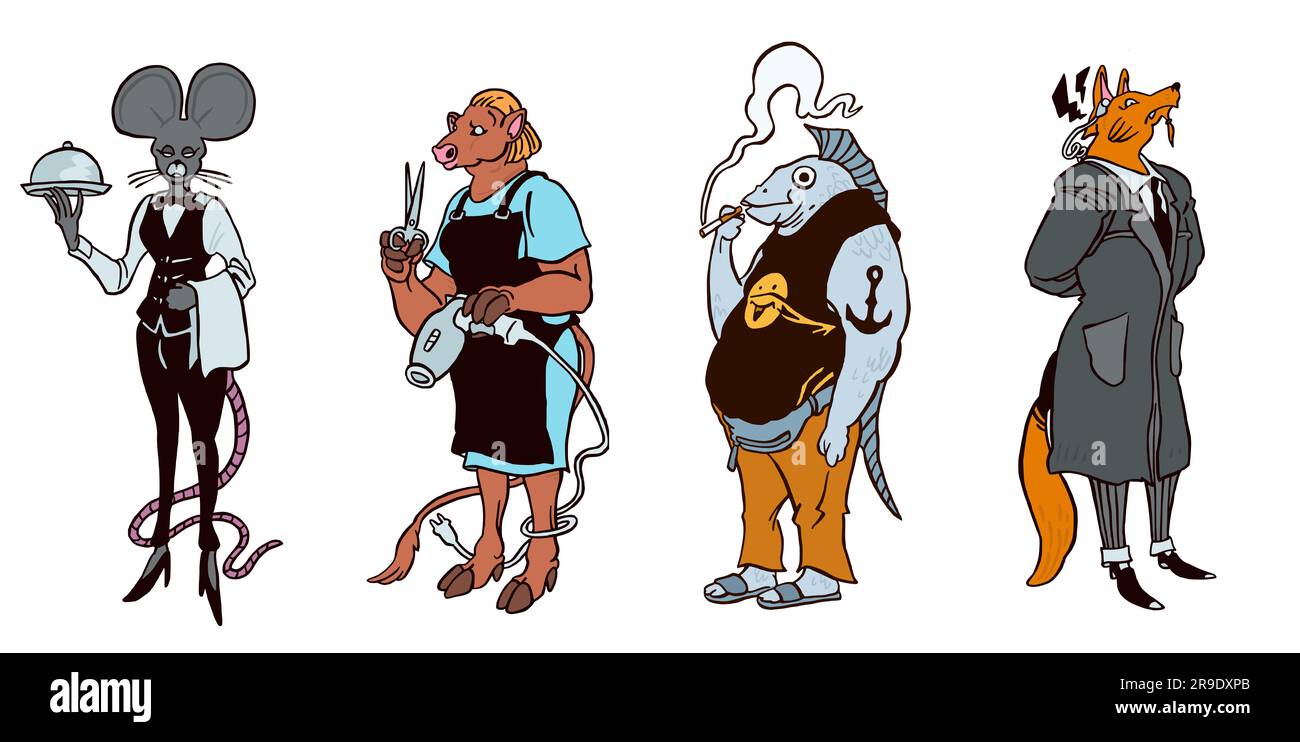
The art of anthropomorphism—the attribution of human traits, emotions, and intentions to non-human entities—has long been a cornerstone of visual storytelling. In comics, this technique transcends mere artistic whimsy; it becomes a lens through which creators explore identity, society, and the human condition. From the earliest cave paintings to the digital pages of modern webcomics, anthropomorphic characters have evolved in complexity, purpose, and cultural significance. This evolution reflects not only advancements in artistic technique but also shifts in societal values, technological capabilities, and narrative ambition. Whether through the whimsical charm of talking animals or the gritty realism of cybernetic hybrids, anthropomorphic characters invite readers into worlds where the boundaries between species blur, and the familiar becomes strange—and vice versa.
The Dawn of Anthropomorphism: Myth, Fable, and Early Comics
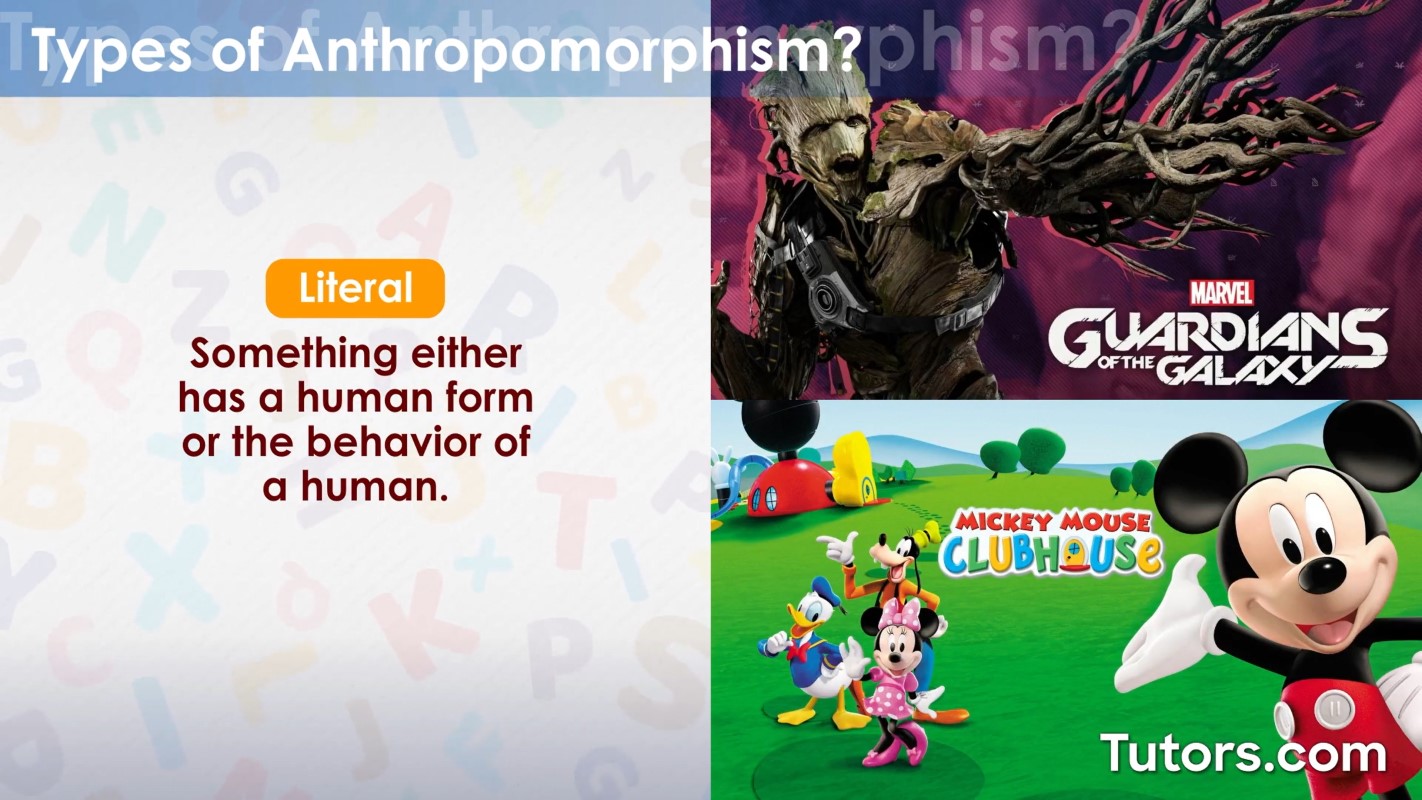
Anthropomorphism predates written language, manifesting in ancient myths where gods took animal forms and beasts spoke in parables. Early comics inherited this tradition, drawing from folklore and fables where animals embodied human virtues and vices. The 19th-century newspaper comics, such as Little Nemo in Slumberland, featured dreamlike anthropomorphic figures that blurred reality and fantasy. These early works were often didactic, using animals to teach moral lessons in a digestible format. The transition from moral allegory to entertainment marked a pivotal shift—characters like Felix the Cat and Mickey Mouse became cultural icons, not just teachers but companions in a rapidly industrializing world. Their human-like expressions and gestures made them relatable, even as their animal forms remained unmistakable.
By the mid-20th century, anthropomorphism had expanded beyond animals to include inanimate objects, plants, and even abstract concepts. Comics like The Little Engine That Could personified trains and toys, imbuing them with agency and emotion. This era laid the groundwork for a more nuanced approach, where the anthropomorphic form served as a bridge between the reader’s world and the story’s internal logic.

Golden Age Reinvention: Superheroes and the Rise of the Hybrid
The Golden Age of comics introduced a new breed of anthropomorphic characters—superheroes who were, paradoxically, both human and other. Superman, though not an animal, embodied the idealized human form while possessing godlike powers. Meanwhile, characters like Batman’s Bat-family and Wonder Woman’s Amazonian warriors blurred the line between humanity and myth. This period saw the rise of the “furry” archetype in mainstream comics, where characters like Howard the Duck subverted expectations by placing a duck in a human-centric world. The humor and satire in such stories highlighted the absurdity of societal norms, using anthropomorphism as a tool for social commentary.
This era also witnessed the emergence of the “anthro” genre in underground and alternative comics. Creators like Robert Crumb, with his Fritz the Cat, pushed boundaries by infusing anthropomorphic characters with raw, unfiltered humanity. These works were less about moral lessons and more about exploring sexuality, power, and identity—topics previously taboo in mainstream comics. The anthropomorphic form became a vehicle for rebellion, allowing creators to critique authority while evading direct censorship.
Anime and Manga: The Globalization of Anthro Aesthetics
The late 20th century saw anthropomorphism transcend Western borders, particularly through Japanese manga and anime. Series like Kimba the White Lion and Akira demonstrated how animal characters could carry profound emotional weight. The anime boom of the 1980s and 1990s introduced global audiences to the “kemonomimi” (animal-eared) trope, where characters retained human bodies but featured animal-like features such as ears, tails, or fangs. This aesthetic became a staple in genres ranging from shōnen adventure (Naruto) to cyberpunk dystopia (Ghost in the Shell).
Manga creators like Osamu Tezuka, often called the “God of Manga,” pioneered the use of anthropomorphism in serialized storytelling. His Jungle Emperor Leo depicted a lion king navigating the complexities of nature and human encroachment, blending ecological themes with dramatic narrative arcs. The success of these works in international markets proved that anthropomorphic characters could resonate across cultures, provided they were grounded in relatable human experiences. The visual shorthand of animal traits—loyalty in dogs, cunning in foxes—allowed for immediate emotional connection, transcending language barriers.
Webcomics and Digital Innovation: A New Frontier for Anthro Narratives
The digital revolution of the 21st century democratized storytelling, giving rise to webcomics where anthropomorphism flourished in unprecedented ways. Platforms like Webtoon and Tapas allowed creators to experiment with serialized anthro narratives, from slice-of-life romances (Lore Olympus) to dark fantasy epics (Lackadaisy). The constraints of print no longer limited panel layouts or color palettes, enabling creators to craft immersive worlds where anthropomorphic characters could thrive. Webcomics also embraced interactivity, with some incorporating reader choices that influenced story outcomes—a feature particularly suited to anthro narratives where identity and choice are central themes.
Digital tools have further expanded the possibilities. AI-assisted art generators and 3D modeling software allow for hyper-realistic anthropomorphic designs, while motion comics and animated adaptations bring static characters to life. The rise of indie anthro comics on platforms like Patreon has fostered niche communities, where creators explore themes like gender fluidity, disability representation, and post-humanism through animal or hybrid characters. For example, Sonny Boy reimagines humanity in a surreal, post-apocalyptic setting, using anthropomorphism to question what it means to be human in a world stripped of its familiar markers.
Genres and Subgenres: Mapping the Anthro Landscape
The versatility of anthropomorphism has spawned a diverse array of genres and subgenres, each catering to different reader appetites. In furry fiction, the focus is often on character-driven stories where the anthropomorphic form is central to identity exploration. Works like Sleepless Domain blend superhero tropes with deep emotional arcs, exploring themes of belonging and self-acceptance. Meanwhile, isekai (another world) stories frequently feature protagonists transformed into animal-like beings, using the trope to examine power dynamics and cultural displacement.
In the realm of science fiction, anthropomorphism extends to cyborgs, aliens, and AI, challenging traditional notions of humanity. Ghost in the Shell’s Major Motoko Kusanagi, with her cybernetic enhancements, blurs the line between human and machine, while Bubblegum Crisis’s Knight Sabers redefine heroism through augmented bodies. Fantasy anthro works, such as The Legend of Zelda: Ocarina of Time’s Gorons and Zoras, use animal traits to create distinct cultures and ecosystems within their worlds. Even horror has embraced anthropomorphism, with creatures like werewolves and vampires serving as metaphors for societal fears—loss of control, contagion, and the beast within.
Romance and slice-of-life anthro stories, often found in yaoi or yuri manga, use animal traits to explore intimacy and relationships in unconventional ways. The trope of “catboys” or “foxgirls” allows creators to play with power dynamics, gender roles, and emotional vulnerability in ways that might feel transgressive in human-centric narratives. These stories often prioritize aesthetics and emotional resonance over plot complexity, catering to readers seeking escapism and aesthetic pleasure.
The Future of Anthropomorphism: Ethics, Identity, and Beyond
As anthropomorphic characters continue to evolve, so too do the ethical and philosophical questions they raise. The furry fandom, in particular, has sparked debates about representation, consent, and the commodification of identity. Creators are increasingly mindful of how they depict anthropomorphic characters, avoiding stereotypes that reduce complex identities to mere animal traits. The rise of own voices anthro stories—where creators draw from personal experiences—has enriched the genre, offering authentic portrayals of marginalized identities through the lens of the non-human.
Technological advancements promise to further revolutionize anthropomorphism. Virtual reality (VR) and augmented reality (AR) could allow readers to step into the shoes of anthropomorphic characters, experiencing their world firsthand. AI-generated content may enable dynamic storytelling where characters evolve based on reader interactions, blurring the line between creator and audience. Meanwhile, the growing acceptance of LGBTQ+ and neurodivergent themes in anthro narratives reflects a broader cultural shift toward inclusivity, where the anthropomorphic form serves as a metaphor for the diversity of human experience.
The future of anthropomorphic characters in comics is not just about visual innovation or genre experimentation—it’s about using the form to ask deeper questions. What does it mean to be human? How do we define identity in a world where boundaries are increasingly fluid? Anthropomorphism offers a unique lens through which to explore these questions, inviting readers to see the familiar in the strange and the strange in the familiar. As long as creators continue to push the boundaries of the form, the evolution of anthropomorphic characters will remain a testament to the power of visual storytelling to reflect, challenge, and redefine the human experience.