The silver screen has long been a canvas for the extraordinary, where the boundaries of reality blur and the impossible becomes tangible. Among the most enduring and captivating motifs in Hollywood is the anthropomorphic character—a figure that straddles the line between human and animal, myth and modernity. These characters, with their expressive eyes and uncanny ability to mirror human emotions, have evolved from simplistic allegories to complex protagonists that challenge our perceptions of identity, morality, and society. Their journey through Hollywood’s history is not merely a chronological progression but a narrative of cultural metamorphosis, reflecting the shifting values, fears, and aspirations of generations.
The Dawn of Anthropomorphism: Allegory and Moral Fables
In the embryonic stages of cinema, anthropomorphic characters were seldom protagonists in their own right; they were vessels for moral instruction, caricatures of human folly cloaked in fur and feathers. The early 20th century saw the rise of animated shorts where animals—often foxes, wolves, or rabbits—embodied human virtues and vices. These characters were archetypes: the cunning trickster, the noble hero, the deceitful villain. Their stories were fables, designed to impart lessons about greed, diligence, or kindness, leveraging the universal language of animal behavior to transcend linguistic and cultural barriers.
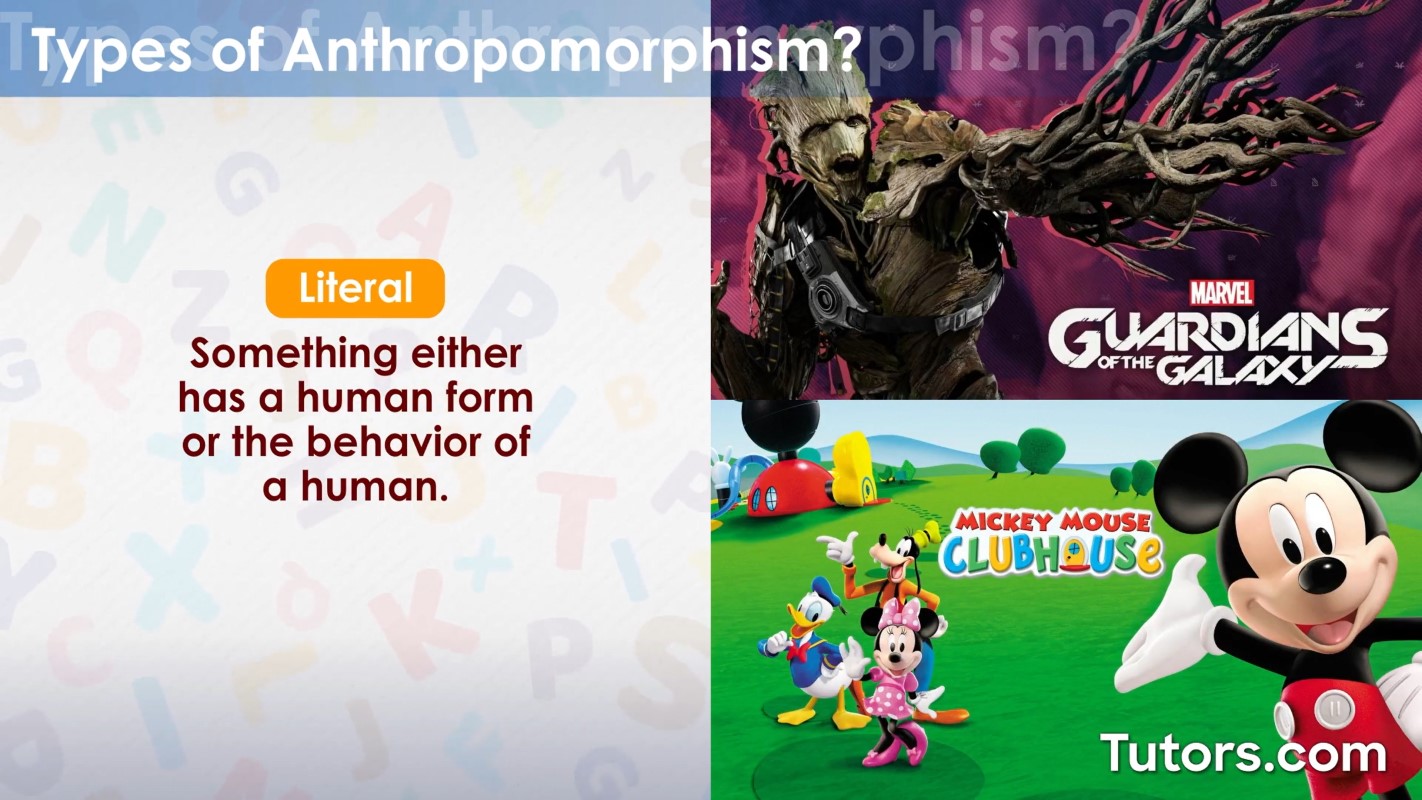
Consider the silent-era films of Walt Disney, where characters like Mickey Mouse and Donald Duck emerged not as fully realized individuals but as embodiments of collective human traits. Mickey, with his everyman optimism, and Donald, with his fiery temper, were mirrors held up to society, their adventures serving as parables for the struggles of the common person. This era laid the groundwork for anthropomorphism as a tool for social commentary, a tradition that would later blossom into something far more nuanced.
The Golden Age of Animation: Personality and Emotional Depth
The mid-20th century heralded a seismic shift in the portrayal of anthropomorphic characters. Animation, once a novelty, became an art form capable of profound emotional resonance. Studios like Disney and Warner Bros. began to infuse their animal protagonists with personalities that mirrored human complexity. Characters like Bugs Bunny and Wile E. Coyote were no longer mere symbols; they were fully realized individuals, their antics driven by wit, ambition, and vulnerability.
This era also saw the introduction of anthropomorphic characters in live-action films, though they remained largely confined to the realm of fantasy and horror. Films like The Wolf Man (1941) and The Creature from the Black Lagoon (1954) used the trope of the “beast within” to explore themes of primal instinct and societal repression. These characters were often tragic figures, their humanity obscured by monstrous forms, forcing audiences to confront uncomfortable truths about their own nature. The anthropomorphic character, in this context, became a metaphor for the duality of human existence—the struggle between civilization and savagery.
The Renaissance of the 1980s and 1990s: From Sidekicks to Heroes
The latter half of the 20th century witnessed a radical reimagining of anthropomorphic characters, as they transitioned from supporting roles to central protagonists. The 1980s and 1990s were a golden age for films that placed animals at the heart of their narratives, often blurring the lines between fantasy and reality. Movies like The Secret of NIMH (1982) and The Lion King (1994) introduced audiences to anthropomorphic characters who grappled with themes of responsibility, loss, and redemption—universal human experiences dressed in animal skins.
This period also saw the rise of anthropomorphic characters in television, with shows like Teenage Mutant Ninja Turtles (1987) and Batman: The Animated Series (1992) redefining the trope for a new generation. These characters were no longer confined to the moral simplicity of fables; they were flawed, dynamic individuals navigating complex worlds. The anthropomorphic character had evolved from a symbol to a storyteller, using the fantastical to illuminate the human condition.
The 21st Century: Complexity, Diversity, and Subversion
The dawn of the new millennium brought with it a wave of innovation in the portrayal of anthropomorphic characters. No longer content with simplistic narratives, filmmakers began to explore the psychological and social dimensions of their animal protagonists. Films like Zootopia (2016) and The Jungle Book (2016) used anthropomorphism to critique systemic discrimination, environmental degradation, and the illusions of utopia. These characters were not just relatable; they were reflective of contemporary societal issues, their stories serving as allegories for real-world struggles.
Moreover, the 21st century has seen a diversification of anthropomorphic representation. Characters like Luz Noceda from The Owl House (2020) and Korra from The Legend of Korra (2012) have challenged traditional gender norms and cultural stereotypes, offering audiences a broader spectrum of identities and experiences. The anthropomorphic character, once a tool for moral instruction, has become a vehicle for exploring identity, belonging, and the fluidity of existence.

The Future: Anthropomorphism as a Mirror to Humanity
As we look to the future, the role of anthropomorphic characters in Hollywood shows no signs of diminishing. Instead, their evolution suggests a trajectory toward even greater complexity and relevance. Emerging technologies like virtual reality and artificial intelligence are poised to redefine the boundaries of storytelling, offering new avenues for anthropomorphic narratives. Imagine a world where characters like those in Her (2013) or Ex Machina (2014) are not just human-like but animal-like, their emotions and behaviors rendered with unprecedented realism.
Furthermore, the growing emphasis on sustainability and ecological awareness has given rise to a new wave of anthropomorphic stories that explore humanity’s relationship with the natural world. Films like Avatar (2009) and Moana (2016) use anthropomorphism to foster empathy for non-human life, blurring the lines between environmentalism and storytelling. These characters challenge us to reconsider our place in the ecosystem, urging us to see ourselves not as conquerors but as part of a larger, interconnected web of life.
The anthropomorphic character, in all its forms, remains one of Hollywood’s most potent tools for storytelling. From the moral fables of the silent era to the complex narratives of today, these characters have continually evolved, reflecting the changing tides of culture and society. As we move forward, they will undoubtedly continue to surprise us, offering new perspectives on what it means to be human—or, perhaps, what it means to be something else entirely.