In an era dominated by instantaneous consumption and relentless trends, fast fashion has emerged as a formidable cultural force, shaping not only wardrobes but also societal values. Yet beneath its glossy veneer lies a complex interplay of ethical tensions, with one of the most intriguing being the phenomenon of anthropomorphism—imbuing inanimate garments with human attributes, narratives, or emotions. This subtle yet pervasive practice challenges conventional perspectives and forces a reconsideration of human connection to material culture. Examining the ethics of anthropomorphism in fast fashion invites a paradigm shift, provoking questions about responsibility, empathy, and the commodification of identity.
Unraveling Anthropomorphism: Beyond the Literal
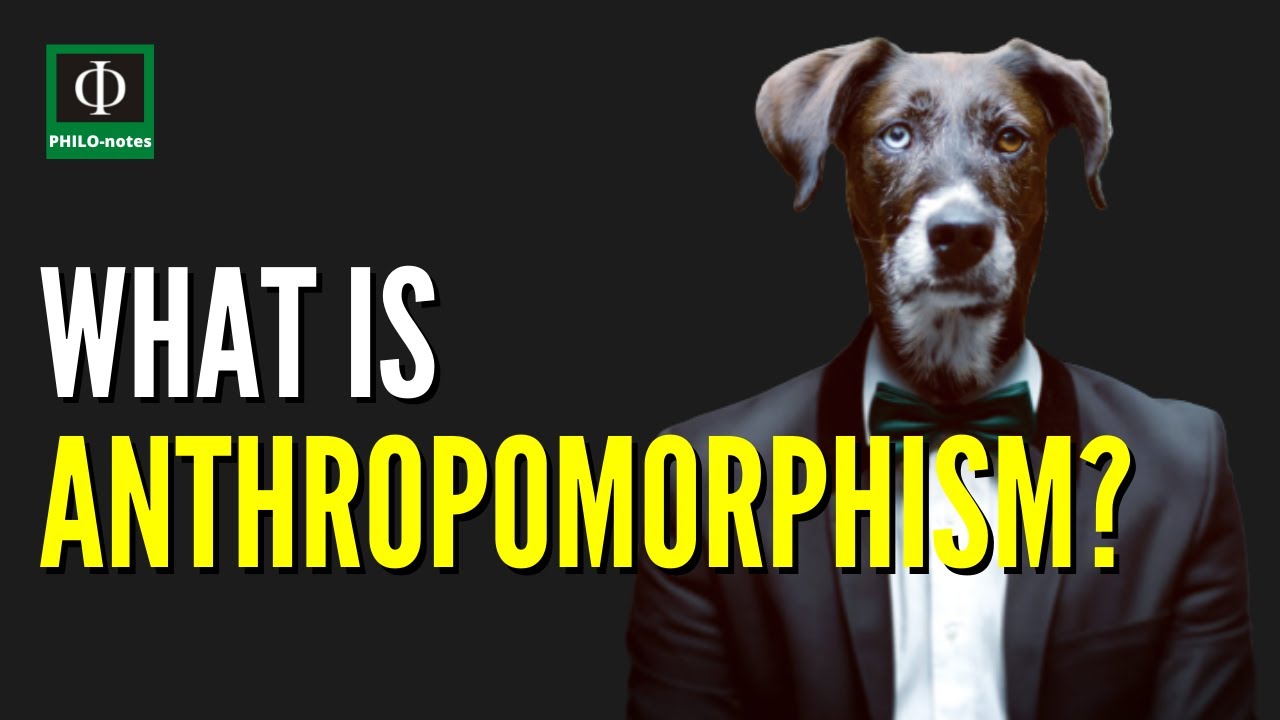
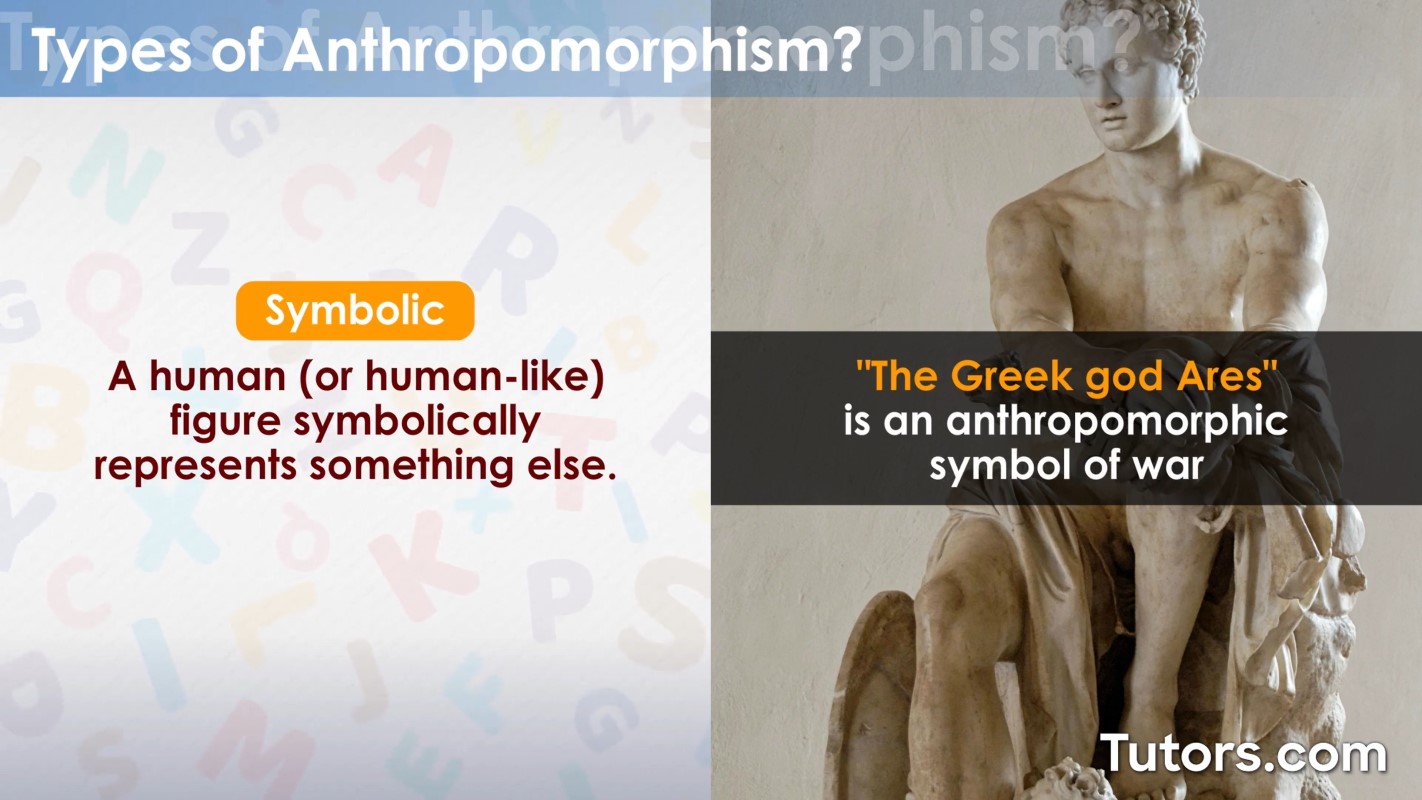
Anthropomorphism, at its core, involves attributing human characteristics to non-human entities. Commonly explored in literature and art, this concept has stealthily permeated consumer culture, especially fast fashion. Brands animate their products with stories, personalities, and even moral identities to construct emotional resonance with consumers. A jacket isn’t just a jacket; it becomes a symbol of rebellion, freedom, or sophistication. This narrative transformation extends beyond mere marketing tactics—it cultivates an illusion of relational intimacy between wearer and garment.
Yet, this seemingly innocuous anthropomorphic lens carries profound implications. It invites consumers to project human qualities onto objects designed for disposability and mass turnover. This projection softens the material’s perceived ephemerality and subtly encourages deeper emotional attachment to transient items. The ethical quandary emerges when the humanization of products obfuscates the exploitative realities beneath their glossy surface.
Ethical Dimensions of Empathy and Emotional Investment
Embedding human traits in fast fashion articles can catalyze empathy—an undeniably powerful social mechanism. When consumers feel a personal connection to their clothing, they may be more inclined to care for it, fostering sustainability at first glance. This imagined sentience can generate a protective instinct, inspiring preservation beyond the garment’s fleeting trends. However, the paradox lies within the transactional ecosystem of fast fashion, where the cycle of purchase and discard thrives.
Anthropomorphism in this context risks engendering performative empathy. Consumers may believe they are nurturing a relationship with their clothing, but often this sentiment masks a repetitive behavior loop—identifying with objects only to betray them with premature disposal. This artificial empathy commodifies emotions, manipulating human psychology to perpetuate consumption rather than meaningful stewardship.
The Illusion of Identity and Consumer Self-Perception
Fast fashion relentlessly traffics in identity fabrication. Through anthropomorphic storytelling, garments are marketed as extensions of the self, promising transformation or social elevation. This constructs a symbiotic relationship between consumer and product, blurring boundaries of individuality and external representation. The clothes are no longer passive; they are active agents, purportedly shaping personal narratives and social belonging.
Such dynamics complicate ethical considerations. Consumers may unwittingly reinforce problematic societal norms—such as superficiality, instant gratification, and disposability—while seeking authentic self-expression. The spectacle of fast fashion anthropomorphism seduces with the promise of meaning, yet often delivers transience. This discrepancy foregrounds questions about authenticity, autonomy, and the true locus of personal identity.
Implications for Labor and Environmental Justice
One cannot contemplate the ethics of anthropomorphism in fast fashion without acknowledging the profound human and ecological costs camouflaged by seductive narratives. The emotional narratives carved into garments risk distancing consumers from the realities of labor exploitation, unsafe working conditions, and environmental degradation intrinsic to the industry’s rapid turnover. By projecting life and personality onto clothes, consumers are distracted from the very real lives affected by the garment production pipeline.
This ethical dissonance can perpetuate apathy toward systemic injustices. The cloak of anthropomorphism commodifies not only clothing but also the invisibilization of suffering embedded within the supply chain. Ethical consumption becomes performative rather than transformative, as the allure of humanized garments supersedes awareness of harmful origins.
Reclaiming Ethical Agency Through Conscious Narratives
Despite its pitfalls, anthropomorphism in fast fashion also holds emancipatory potential when approached conscientiously. It can serve as a tool for cultivating greater mindfulness and accountability. By consciously embedding narratives that honor craftsmanship, laborers’ dignity, and environmental stewardship, the fashion industry and consumers alike can recalibrate their relationships with clothing.
Fostering awareness about the histories and futures of garments, rather than superficial personas, invites a deeper ethical engagement. This paradigm encourages consumers to confront the lifecycle of fashion products candidly—recognizing their complicity and capacity for change. Thus, anthropomorphism need not be merely a marketing device but a conduit for ethical reflection and societal transformation.
Conclusion: Toward a New Ethical Consciousness
The ethics of anthropomorphism in fast fashion provoke a necessary reevaluation of how humanity relates to material culture within an accelerated consumerist landscape. It is a practice at once seductive and deceptive, capable of both fostering empathy and obscuring injustice. Navigating this terrain demands a shift from passive consumption toward active ethical engagement, challenging ingrained perceptions of identity, disposability, and value.
Ultimately, embracing the ambiguities and potentialities of anthropomorphism in fast fashion can inspire more conscientious choices and innovative narratives. Such a shift promises not just a change in perspective but a profound reimagining of the connections between humans, their possessions, and the broader social and ecological systems they inhabit.