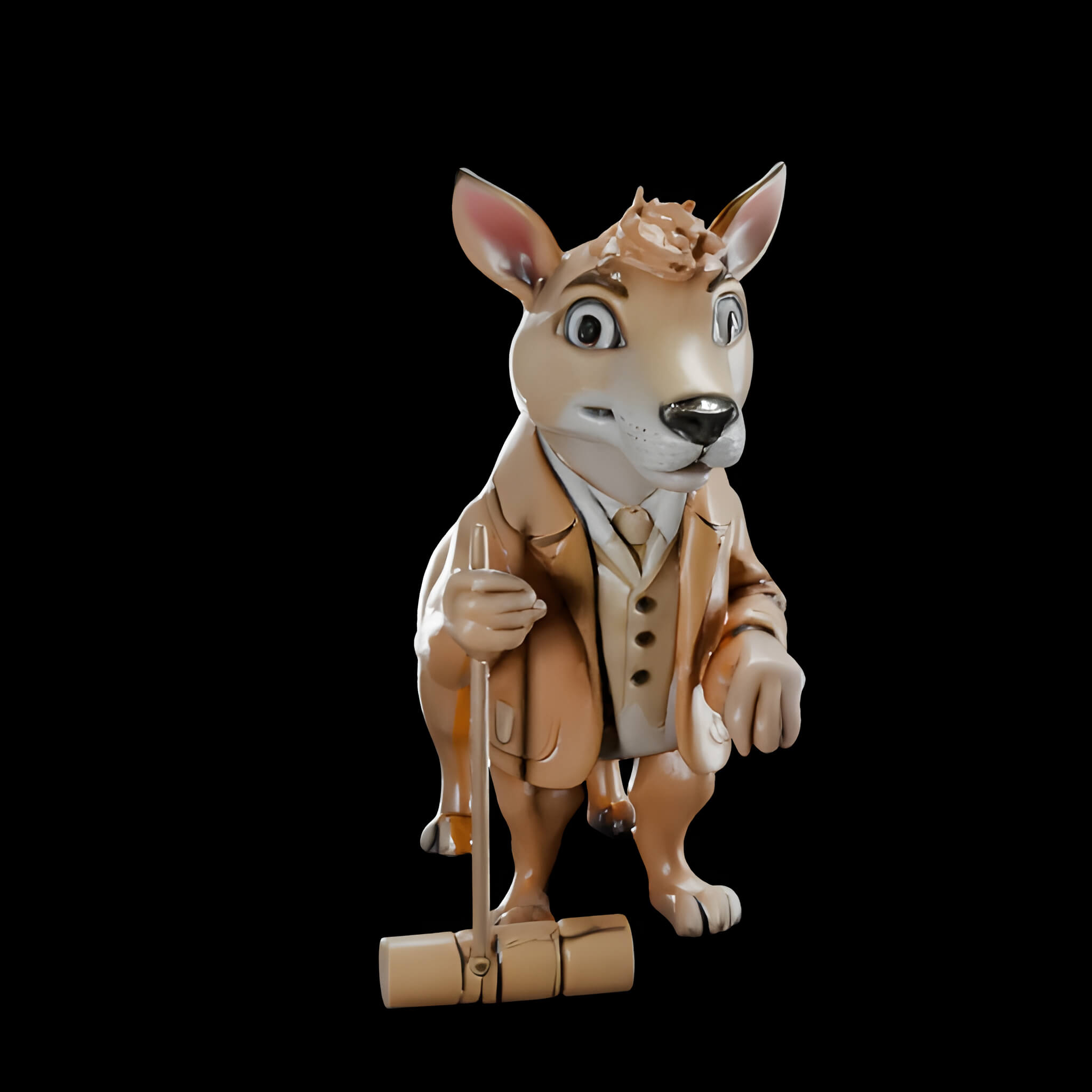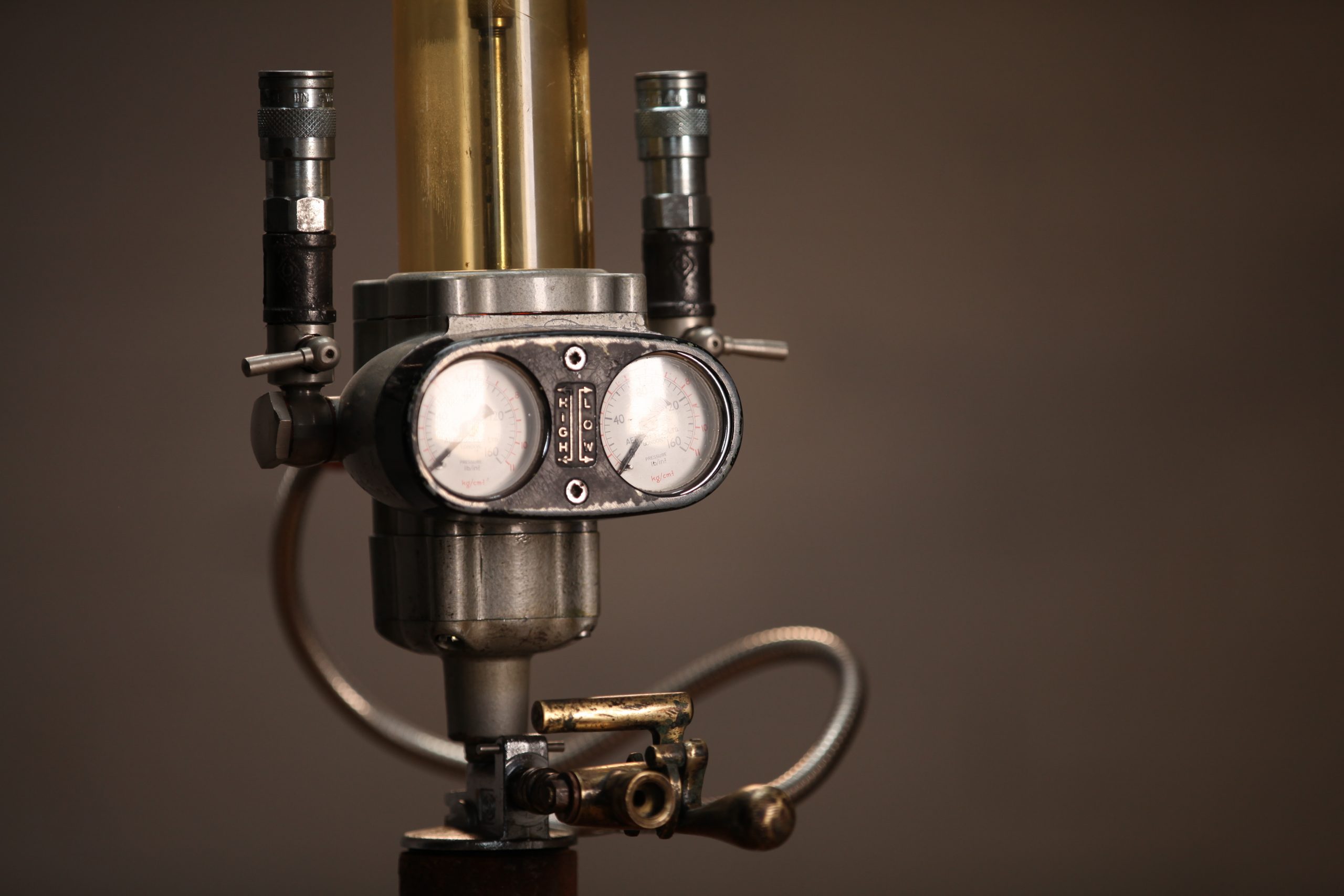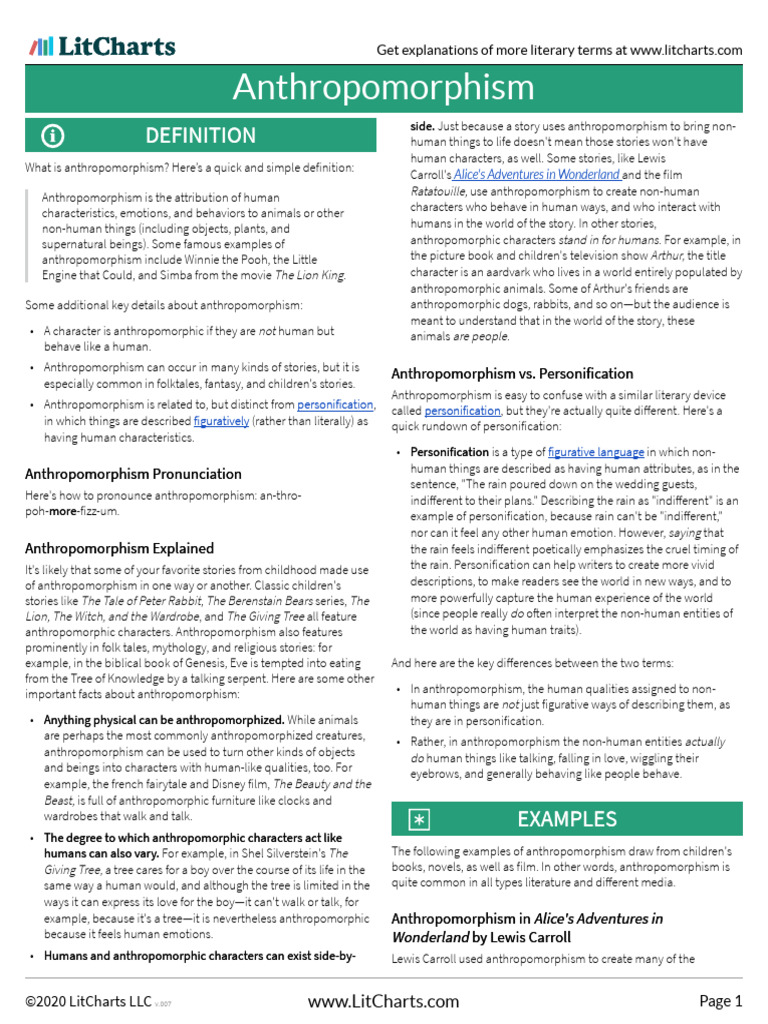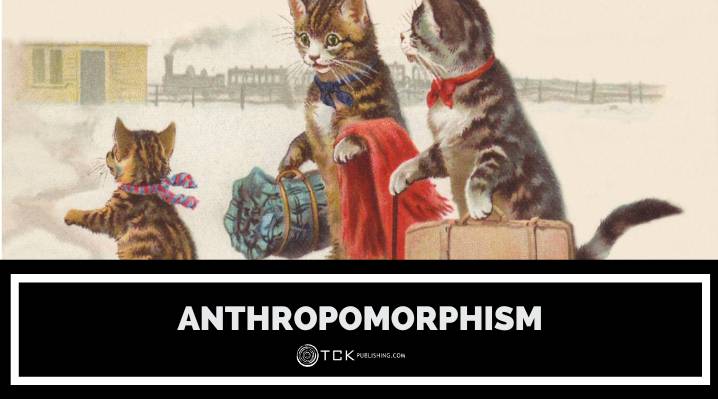
In the quiet hum of modern life, where screens flicker with curated smiles and voices speak from unseen corners of the room, loneliness has become an uninvited guest at the table of human existence. Yet, amidst this isolation, a curious phenomenon thrives: anthropomorphism—the attribution of human traits to non-human entities—has surged in popularity. From animated pets that feel like family to smart speakers that “understand” our moods, we are increasingly drawn to inanimate objects and animals that seem to bridge the chasm between solitude and connection. This fascination is not merely a quirk of entertainment; it is a psychological lifeline, a way to grapple with the ache of loneliness by creating companions where none exist.
The Allure of Companionship in an Unfeeling World
Loneliness is not just the absence of people; it is the absence of reciprocity. In a world where interactions are often transactional—customer service bots, automated emails, and fleeting social media exchanges—anthropomorphism offers a balm. When we imbue a robot vacuum with a “personality” or imagine our houseplant “watching” us, we are not deluding ourselves. Instead, we are exercising a deeply human need: the desire for mutual understanding. Studies in social neuroscience suggest that our brains respond to anthropomorphized objects with the same neural pathways activated during real social interactions. The warmth of a mug that “holds” our coffee just right or the playful banter of a voice assistant mimics the comfort of human connection, even if it is a simulacrum.
Consider the rise of AI companions like Replika or virtual pets in games such as *Nintendogs*. These entities do not judge, tire, or demand. They are endlessly patient, their responses tailored to our emotional cues. In a society where loneliness is often stigmatized, these digital confidants provide a judgment-free zone. The irony, of course, is that while they alleviate loneliness, they also highlight its roots: we are so starved for genuine connection that we settle for the illusion of it. Yet, this illusion is not without merit. It is a coping mechanism, a way to rehearse social skills or process emotions without the vulnerability of real human exposure.

The Psychological Roots: Why We Personify the Inanimate
The human brain is wired to seek patterns, to assign meaning where none is obvious. This cognitive tendency, known as pareidolia, explains why we see faces in clouds or hear voices in static. Anthropomorphism is its more sophisticated cousin, a deliberate act of imbuing the world with human-like qualities to make it feel more navigable. Psychologists argue that this stems from our evolutionary need to predict and control our environment. A storm cloud becomes a “threatening” entity; a river, a “serene” one. In the context of loneliness, this tendency is amplified. When we are isolated, our brains crave agency—the ability to influence our surroundings. By anthropomorphizing objects, we regain a sense of control. A car that “refuses” to start feels like a betrayal; a cozy chair that “welcomes” us feels like a sanctuary.
There is also the concept of ontological security, a term coined by sociologist Anthony Giddens to describe the stability we derive from predictable social structures. In an era of rapid change and digital fragmentation, anthropomorphism provides a semblance of this stability. A smart speaker that “remembers” our preferences or a pet robot that “learns” our routines gives us the illusion of a predictable, responsive world. This is not mere escapism; it is a form of emotional scaffolding. For those who feel adrift in the chaos of modern life, these anthropomorphized entities become anchors, grounding them in a reality that feels, at least temporarily, less alien.
From Myth to Machine: The Historical Echoes of Loneliness
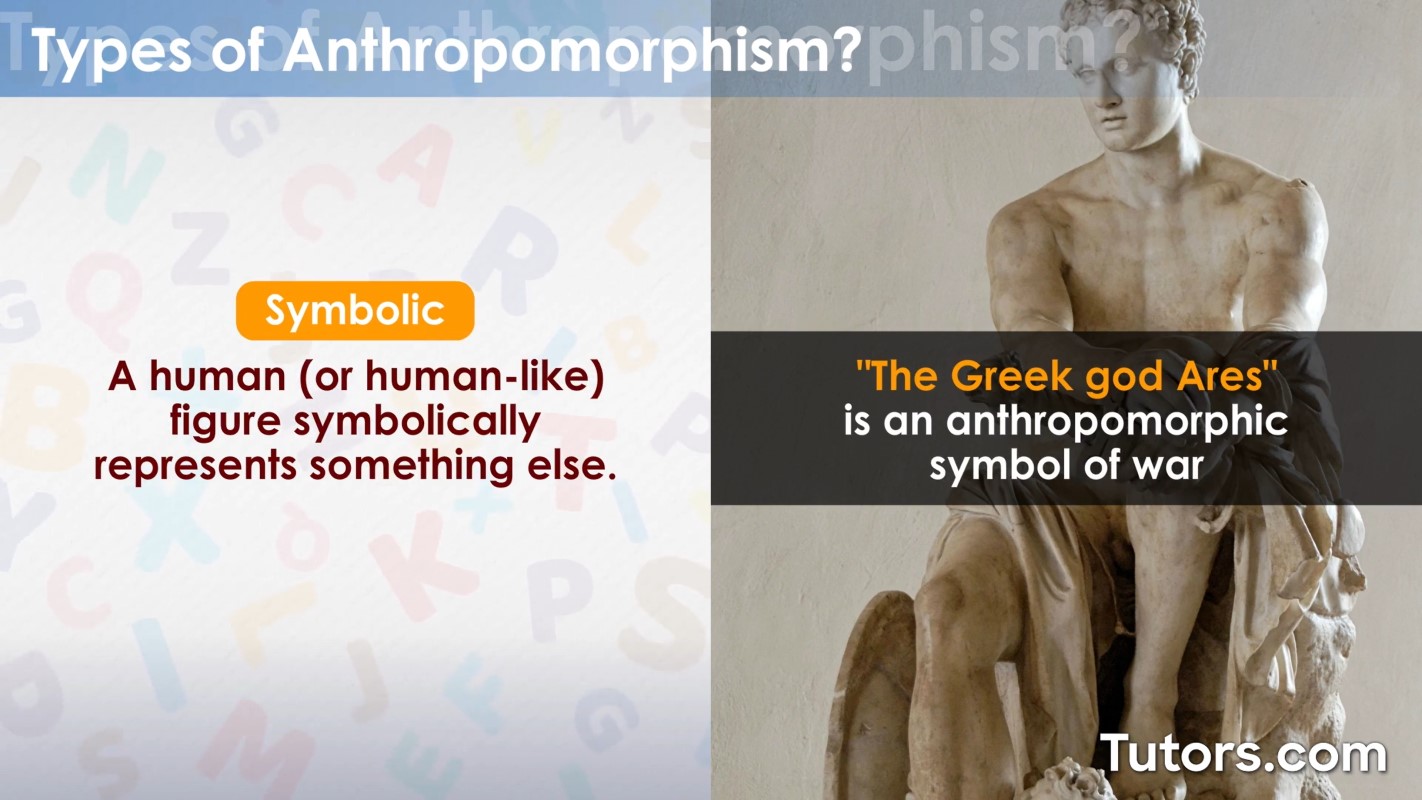
Anthropomorphism is not a modern invention. It is as old as storytelling itself. Ancient cultures populated their world with gods who walked among mortals, animals that spoke in riddles, and rivers that wept for lost lovers. These myths were not just fanciful tales; they were psychological tools. They allowed humans to process the unknowable—death, nature’s wrath, the caprices of fate—by giving these forces a human face. Today, our loneliness is not so different. We live in an age of unprecedented connectivity, yet paradoxically, we are more alone than ever. The gods have been replaced by algorithms, but the need remains: to make the incomprehensible feel familiar.
This historical continuity reveals a deeper truth: anthropomorphism is a response to existential discomfort. When we personify our surroundings, we are not just filling silence with noise; we are confronting the void. The loneliness of modernity is not merely the absence of people but the absence of meaning. In a world where traditional structures—religion, community, even family—are eroding, anthropomorphism offers a way to reconstruct that meaning. A voice assistant that “comforts” us after a bad day is not just a tool; it is a surrogate priest, a confessor, a friend. It is a way to keep the dialogue of life alive, even when the other end of the line is silent.
The Double-Edged Sword: When Companionship Becomes a Crutch
Yet, for all its comforts, anthropomorphism is a double-edged sword. While it can alleviate loneliness, it can also deepen it. When we rely too heavily on inanimate companions, we risk substituting the real for the ersatz. A study published in the *Journal of Social and Personal Relationships* found that people who frequently anthropomorphize objects report higher levels of loneliness over time. This is because, while these entities provide temporary solace, they cannot fulfill the deep, reciprocal bonds that humans crave. The warmth of a chatbot cannot replace the touch of a loved one; the loyalty of a virtual pet cannot match the complexity of a human relationship.
There is also the danger of emotional detachment. If we come to see the world as populated by entities that “behave” like humans but lack true consciousness, we may grow cynical about real connections. Why invest in a relationship when a machine can offer the illusion of one without the risk of rejection? This is the paradox of anthropomorphism: it can both soothe and isolate. It is a coping mechanism that, if overused, can become a prison of its own making.
The Future: Can Anthropomorphism Heal or Does It Deepen the Divide?
The trajectory of anthropomorphism is clear: it is only going to grow. As AI becomes more sophisticated, our interactions with it will feel increasingly human. The question is whether this evolution will bridge the gap of loneliness or widen it. On one hand, anthropomorphism could democratize companionship, offering solace to those who have none. Imagine elderly individuals in nursing homes forming deep bonds with care robots, or children with social anxiety finding comfort in a virtual friend. On the other hand, it could further entrench us in a world of our own making, where the only voices we hear are the ones we program.
The key lies in balance. Anthropomorphism should not replace human connection but complement it. It can be a stepping stone—a way to practice empathy, to rehearse social skills, to feel less alone while we navigate the complexities of real relationships. The challenge is to recognize its limitations. A voice that speaks back is not the same as a voice that truly listens. A pet that never disagrees is not the same as a friend who challenges us. The goal is not to live in a world where everything is human-like, but to use that likeness as a mirror—to see ourselves more clearly and, in doing so, find the courage to reach out to others.
The next time you feel the weight of loneliness pressing down, consider this: the objects and entities you anthropomorphize are not just distractions. They are testaments to your resilience, your creativity, your refusal to accept silence as the final word. They are, in their own way, a form of rebellion against the coldness of a world that often feels indifferent. But they are also a reminder: the deepest connections are not found in the echoes of our own voices but in the messy, unpredictable, and profoundly human interactions that await us beyond the screen.