In the bustling bazaar of consumer choice, packaging is the silent storyteller, whispering tales that beckon the eye and seduce the psyche. Among the myriad strategies employed by brands, anthropomorphic food packaging emerges as a captivating dance between inanimate objects and vivid human traits. This metamorphosis from mere container to charismatic companion transforms ordinary products into engaging characters, embedding themselves deeply within the consumer’s subconscious. Like animated harbingers of desire, they do not merely enclose sustenance—they embody personality, sentiment, and narrative, creating an unparalleled allure that transcends traditional marketing realms.
The Enchantment of Anthropomorphism in Packaging
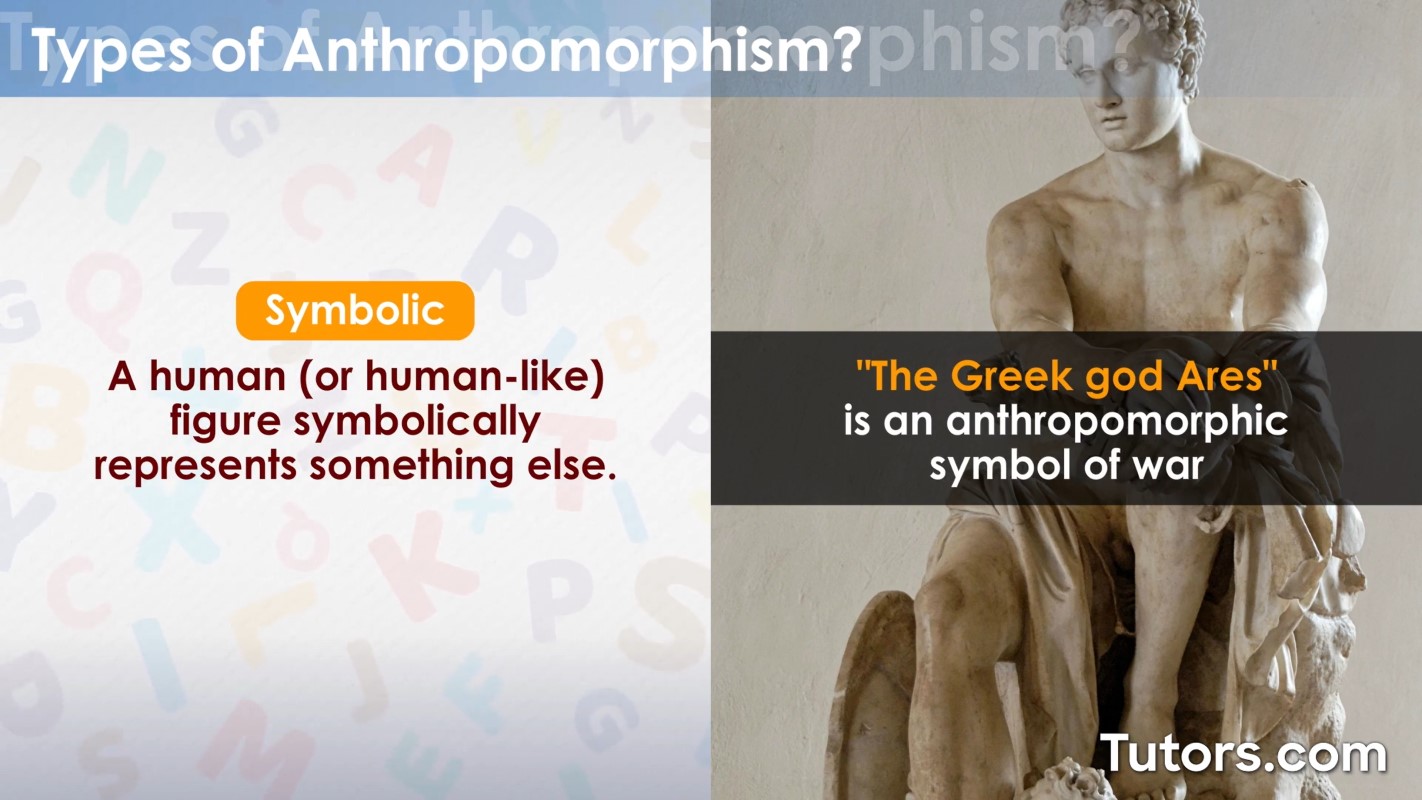
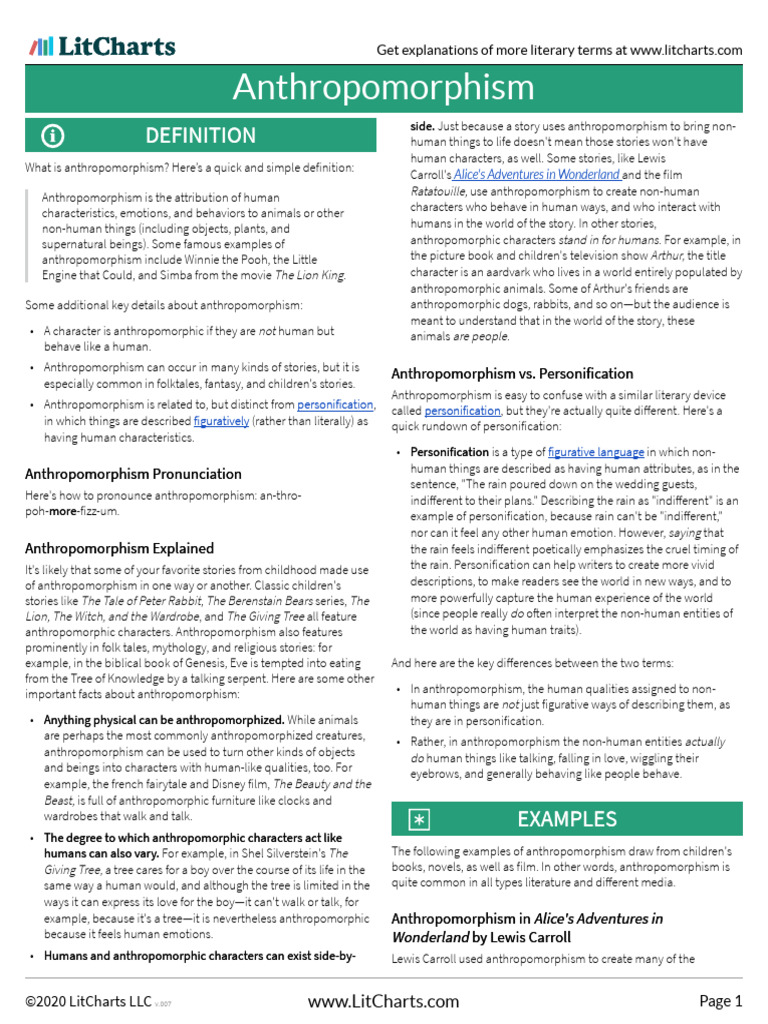
At its core, anthropomorphism is the enchanting alchemy of bestowing human qualities upon non-human entities. In the domain of food packaging, this practice breathes life into cardboard, plastic, and foil, allowing brands to forge a liaison that feels personal and emotive. Imagine a box of cereal with eyes that seem to twinkle with delight or a juice carton smiling warmly as if greeting a familiar friend. These are not mere aesthetic choices but deliberate psychological maneuvers designed to evoke familiarity and warmth, coaxing consumers into a relational dynamic rather than a transactional one.
This personification taps into an innate human predisposition—our tendency to ascribe intent and emotion even to lifeless objects. It activates mirror neurons and empathy pathways in the brain, creating an illusion that these packages possess feelings and personalities. The result is packaging that transcends its functional role, becoming an extension of the consumer’s identity and emotional landscape.

Triggering Emotional Engagement Through Relatability
One of the most potent aspects of anthropomorphic packaging is its ability to spark emotional engagement through relatability. Consumers do not just see a box or a bag; they encounter a character that can conjure memories, emotions, and associations. For instance, a dairy product with animated eyes and a playful grin might evoke the comfort of childhood mornings, while a spicy sauce bottle featuring a fiery face could appeal to adventurous souls craving excitement.
By humanizing packaging, brands create an emotional shortcut that bypasses cold rationality. This shortcut fosters attachment, loyalty, and often prompts impulse purchases. Like a beloved storybook character, the packaging fosters trust and anticipation, making the mundane act of choosing food feel like a delightful interaction. Emotional branding through anthropomorphism amplifies the consumer’s sensory and affective experience, embedding the product within the realm of personal narrative.
Metaphorical Dimensions: Packaging as a Persona
The metaphorical power of anthropomorphic packaging lies in its ability to craft a persona that communicates a product’s essence without uttering a single word. Packaging transforms into a mask—or perhaps a mirror—reflecting brand values, product qualities, and aspirational lifestyles. It can channel innocence, wisdom, playfulness, or even rebelliousness, sculpting a multifaceted identity that resonates on multiple levels.
Consider packaging as a performer on the stage of the retail shelf. Like an actor who dons a costume and steps into a role, anthropomorphic packaging adopts a personality that serves the narrative of the product. This strategy not only aids in differentiation but also enriches storytelling, allowing consumers to perceive the product within an imaginative context. The package ceases to be an object; it becomes a character inviting conversation and connection.
Neuromarketing Insights: The Brain’s Response to Personified Packaging
Neurological studies reveal intriguing insights into why anthropomorphism captivates the consumer brain. When viewing personified packaging, areas associated with social cognition—including the medial prefrontal cortex and temporoparietal junction—become activated. These regions are typically engaged in processing information about other humans, suggesting that consumers respond to anthropomorphic packaging as if interacting with a social agent.
This activation enhances attention, memory retention, and positive affect toward the product. Moreover, anthropomorphic design elements can reduce perceptions of risk and increase feelings of approachability. The package, in a sense, becomes a trusted companion—guiding, inviting, and reassuring the consumer through the decision-making labyrinth.
Applications Across Different Food Categories
The charm of anthropomorphic packaging is not confined to any single type of foodstuff; its vitality permeates multiple categories, each harnessing this tactic to unique effect. In confectionery, for instance, anthropomorphism fuels whimsy and indulgence—the packaging winks at the consumer, promising delight and nostalgia. Dairy products may employ softer, more nurturing personas, evoking purity, health, and comfort.
Even functional foods like energy bars or health drinks utilize this strategy, crafting personas that embody vigor, dynamism, and resilience. By tailoring the anthropomorphic expression to the target audience and product attributes, brands create a coherent identity that enhances the product’s appeal while reinforcing category expectations.
Balancing Novelty and Authenticity: Avoiding the Pitfalls
While anthropomorphic packaging exerts potent magnetism, its efficacy hinges on balance. A design too contrived or excessively whimsical risks appearing gimmicky, potentially alienating discerning consumers. Authenticity remains paramount; the personality portrayed must align with the brand’s ethos and product qualities to avoid cognitive dissonance.
Moreover, cultural nuances play a critical role in how anthropomorphic traits are perceived. Colors, expressions, and gestures signify different meanings across societies, necessitating nuanced design approaches that honor cultural contexts. In navigating these subtleties, brands ensure that their animated packaging communicates sincerity, relevance, and respect.
The Future Horizon: Interactive and Dynamic Anthropomorphic Packaging
The evolution of technology portends a future where anthropomorphic packaging transcends static visuals, embracing interactivity and dynamism. Augmented reality (AR) and smart packaging technologies can allow packages to “speak,” “move,” or even respond to consumer touch and voice. Imagine a juice carton that animatedly reacts to your selection or a snack wrapper that offers personalized messages based on time of day or consumer mood.
This convergence of technology and anthropomorphism promises to deepen consumer engagement by fostering richer, multidimensional relationships with the product. Packaging will no longer be a silent sentinel but an active participant in the consumer journey—communicating, entertaining, and ultimately transforming commerce into a shared human experience.
In the grand theater of consumer goods, anthropomorphic food packaging stands as a compelling protagonist. It marries psychology, artistry, and technology in an elegant pas de deux, enchanting consumers and elevating products from mere commodities to cherished companions. As this narrative unfolds, the simple box or bottle will continue to don its human mask—inviting us into a world where even the most utilitarian object can speak the language of the heart.