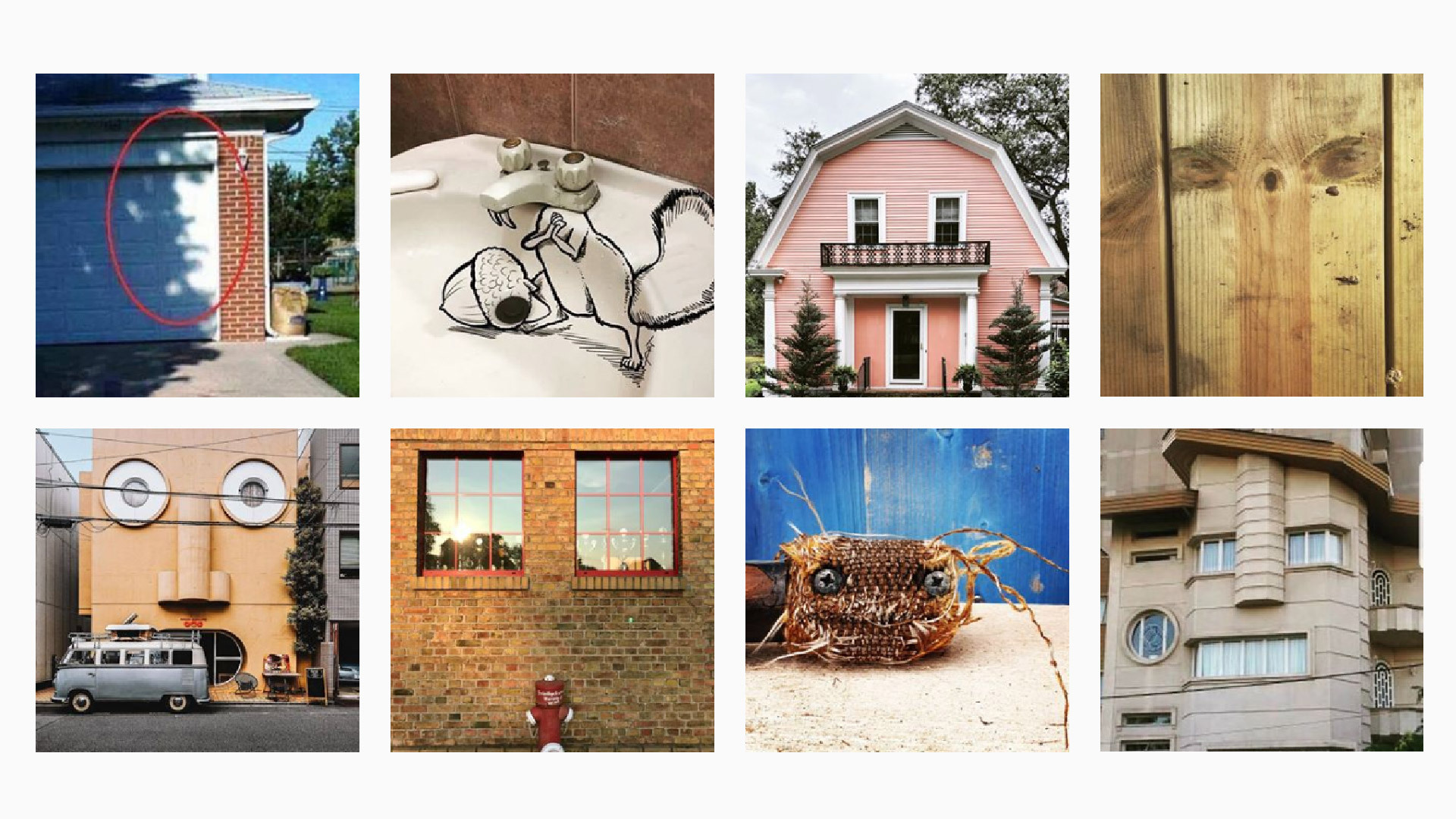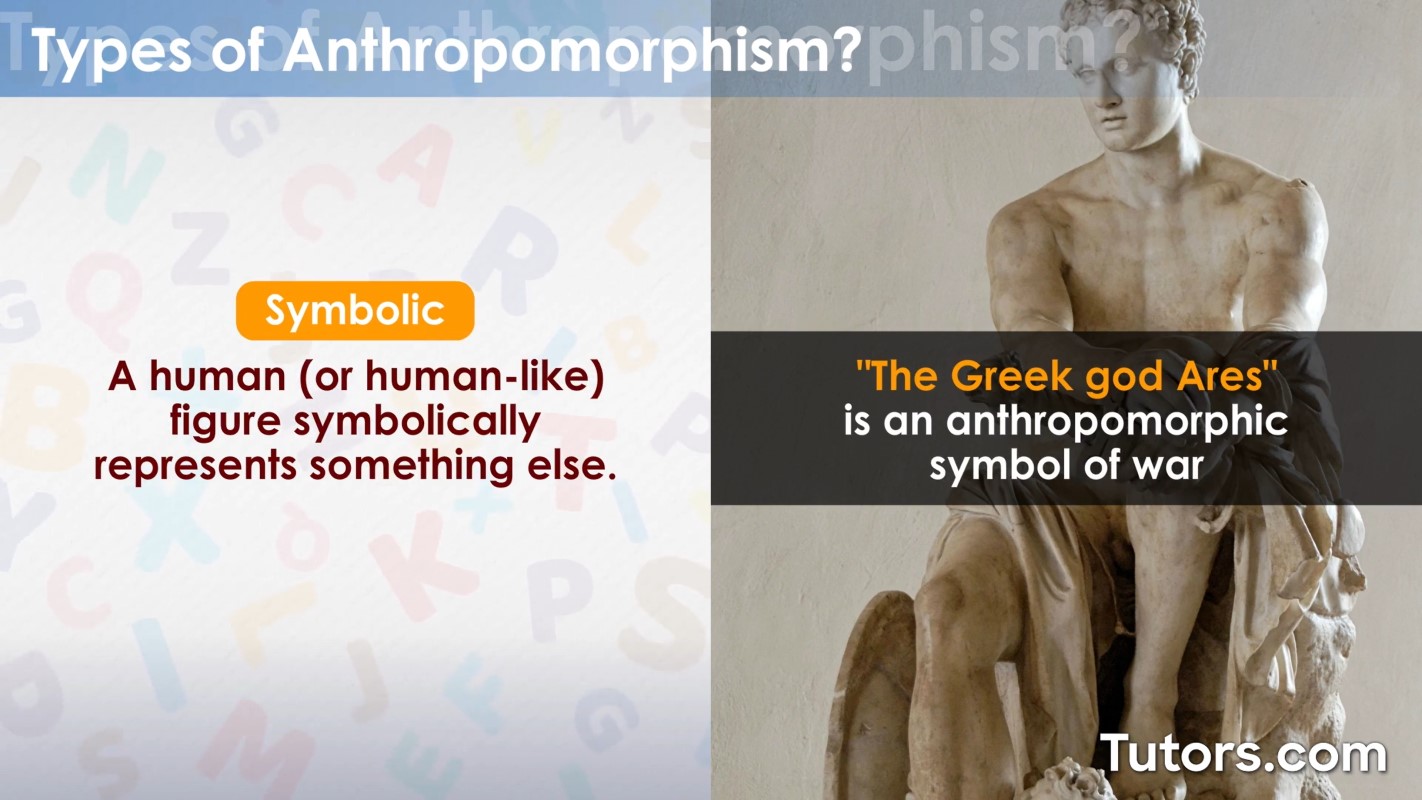
The way a product feels in your hands—or how it seems to “speak” to you before a word is ever uttered—isn’t just a matter of aesthetics. It’s a silent dialogue between form and psyche, where curves mimic kindness, angles suggest precision, and every contour whispers a story. Anthropomorphic product shapes—those that borrow from the human body—do more than catch the eye; they invite emotional connection, ease cognitive load, and even nudge behavior in subtle, almost subliminal ways. This isn’t mere design whimsy. It’s a sophisticated interplay of psychology, biology, and culture, where the familiar becomes the comforting, and the inanimate briefly awakens with a pulse of its own.
The Allure of the Familiar: Why We Trust What Resembles Us
Humans are hardwired to recognize and respond to human-like forms. Evolutionary psychologists suggest this anthropomorphic bias—our tendency to attribute human traits to non-human entities—stems from a survival mechanism. Faces, postures, and gestures signal safety or threat long before conscious thought intervenes. A product that mimics these cues doesn’t just look friendly; it feels known. Consider the ergonomic curve of a water bottle that cradles the palm like a cupped hand, or the gentle slope of a smartphone edge that echoes the contour of a cheek against a pillow. These aren’t accidents of geometry. They’re visual mnemonics, leveraging our innate preference for the familiar to dissolve hesitation at first touch.
This phenomenon extends beyond mere recognition. It taps into ontological mimicry, where an object’s form doesn’t just resemble a human—it performs humanity. A kettle with a spout that resembles a smiling mouth doesn’t just pour; it seems to invite you to pour. The illusion of agency, even in plastic or metal, creates a sense of reciprocity. We’re more likely to anthropomorphize objects that exhibit behavioral cues—symmetry, proportion, and movement patterns that echo biological motion. This is why a car grille designed with a subtle “smile” feels more approachable than one with a rigid, geometric facade.
Cognitive Ease: How Organic Shapes Reduce Mental Friction
Our brains are cognitive misers. They seek patterns to conserve energy, and nothing is more energy-efficient than recognizing something that mirrors the most complex pattern we know: the human body. Products with anthropomorphic shapes exploit this shortcut. A chair with a backrest that mimics the S-curve of a spine doesn’t just support weight—it supports understanding. The user’s brain doesn’t have to decode an abstract shape; it recognizes the silhouette of comfort instantly, reducing cognitive load and enhancing perceived usability.
This principle is rooted in fluency theory, which posits that stimuli we can process quickly feel more intuitive and trustworthy. An object with organic, flowing lines—like the handle of a teapot shaped like a relaxed arm—triggers faster neural recognition than a jagged, industrial form. The result? A product that feels effortless to interact with, even before the user consciously evaluates its function. In retail environments, this translates to longer dwell times and higher conversion rates, as shoppers subconsciously gravitate toward what their brains can “read” without struggle.
Moreover, anthropomorphic shapes often align with affordance theory, where an object’s form suggests its use. A doorknob designed like a finger curled in invitation doesn’t just look like a handle—it feels like one. The user’s muscle memory, honed by a lifetime of interacting with human bodies, intuitively guides the hand. This synergy between form and function creates a seamless user experience, where the product seems to collaborate with the user rather than resist them.
The Metaphorical Power: When Products Tell Stories Without Words
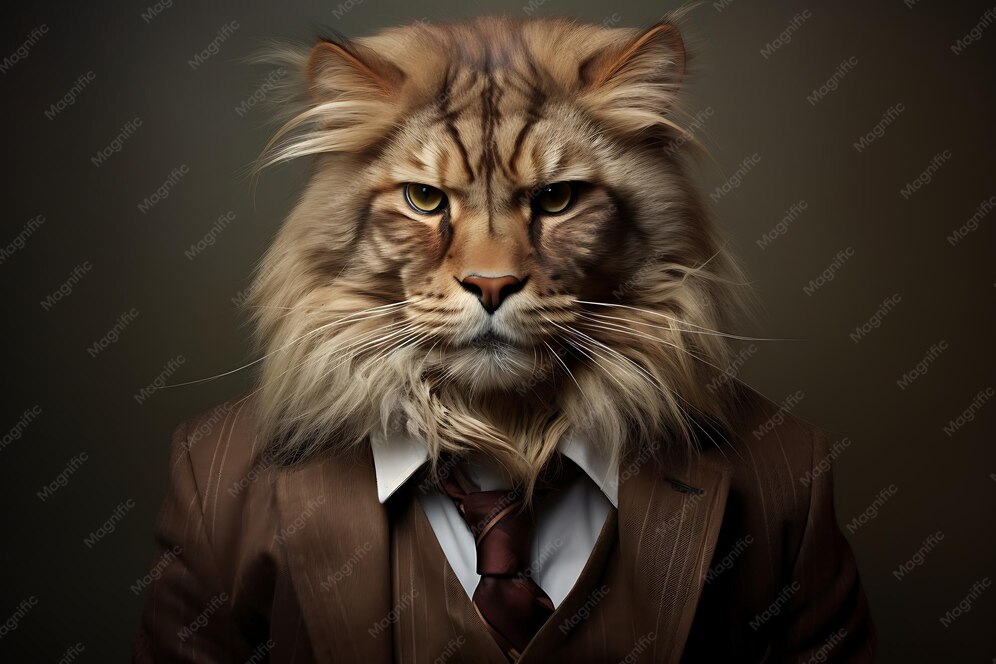
Anthropomorphic design is storytelling in three dimensions. Every curve, every joint, every exaggerated feature becomes a chapter in a silent narrative. A blender with a base shaped like a torso and a lid resembling a helmet doesn’t just blend ingredients—it embodies a culinary warrior, transforming raw chaos into harmony. The metaphor is irresistible: the user becomes the hero, the product the loyal companion. This narrative pull is why anthropomorphic branding—from Michelin’s tire-man to the Pillsbury Doughboy—endures across generations. It turns utility into legend.
Consider the uncanny valley effect in reverse. While hyper-realistic humanoid robots unsettle us, stylized anthropomorphism—like the rounded eyes of a Pixar lamp or the grinning face of a Pringles can—delights. These designs walk the line between abstraction and recognition, offering just enough humanity to spark empathy without veering into the unsettling. The result is a product that feels alive in a way that’s comforting, not creepy. It’s the difference between a toaster that looks like a toaster and one that looks like a cheerful baker, ready to greet you at dawn.
This metaphorical layer also extends to emotional branding. A smartphone with a screen that curves like a smile subtly reinforces the idea that using it will bring joy. A power drill with a handle that mimics a clenched fist suggests strength and reliability. These aren’t just shapes; they’re emotional cues, priming the user’s expectations before the product is ever switched on. In a marketplace saturated with sameness, these subtle narratives become the differentiator—the reason a customer chooses one brand over another, even when the specs are identical.
Cultural Resonance: How Anthropomorphism Bridges Global Divides
While the psychological pull of anthropomorphic design is universal, its interpretation is not. Culture shapes how we perceive “human-like” features, adding layers of meaning that transcend biology. In Western markets, rounded, soft forms often connote approachability and warmth—think of the bulbous, almost fetal shapes of Apple’s early iMacs. But in some Asian cultures, where angularity is associated with precision and modernity, anthropomorphic designs may lean into sharper, more geometric interpretations of the human form. A product’s “face” might be more abstract, its “expressions” conveyed through asymmetry or negative space.
This cultural fluidity is why global brands often employ adaptive anthropomorphism—designs that subtly shift their human cues to resonate across regions. A vacuum cleaner sold in Germany might feature a sleek, almost robotic humanoid silhouette, evoking efficiency and engineering prowess. The same product in Brazil might adopt softer, more organic lines, emphasizing warmth and family connection. The underlying psychology remains the same: we trust what resembles us. But the how of that resemblance is a dance between universal instinct and local nuance.
Even color plays a role in this cultural choreography. In many Western contexts, warm tones like orange or yellow—colors associated with skin and sunlight—enhance the anthropomorphic effect, making a product feel more “alive.” In contrast, cooler tones in East Asian markets might be paired with more minimalist, almost skeletal forms to convey sophistication without literalism. The key is balance: enough humanity to spark connection, but enough abstraction to avoid cultural missteps.
The Future: When Products Don’t Just Look Human—They Evolve With Us
The next frontier of anthropomorphic design lies in dynamic anthropomorphism—products that adapt their forms in real-time to mirror the user’s emotional or physical state. Imagine a smartwatch whose band subtly shifts its curvature to match your posture, or a chair that “relaxes” its contours as you unwind after a long day. These aren’t distant fantasies; they’re the logical extension of today’s AI-driven personalization. By leveraging biometric data, products could morph their shapes to optimize comfort, reduce stress, or even enhance productivity—all while maintaining the intuitive appeal of the familiar.
This evolution also intersects with sustainability. As consumers demand eco-conscious designs, anthropomorphic forms can emphasize regenerative aesthetics—shapes that suggest growth, repair, and cyclical renewal. A water bottle with a “vein-like” pattern of ridges might not just feel ergonomic; it could visually echo the natural world, reinforcing the idea of harmony between product and planet. The message is clear: the most enduring designs aren’t just functional or beautiful. They’re alive in the deepest sense—responsive, empathetic, and eternally human.
As technology blurs the line between object and organism, the psychology of anthropomorphic design will only grow more sophisticated. The products of tomorrow won’t just mimic us. They’ll collaborate with us, their forms shifting in silent conversation with our needs. And in that dialogue, the line between tool and companion will fade entirely—leaving us with designs that don’t just serve us, but understand us.