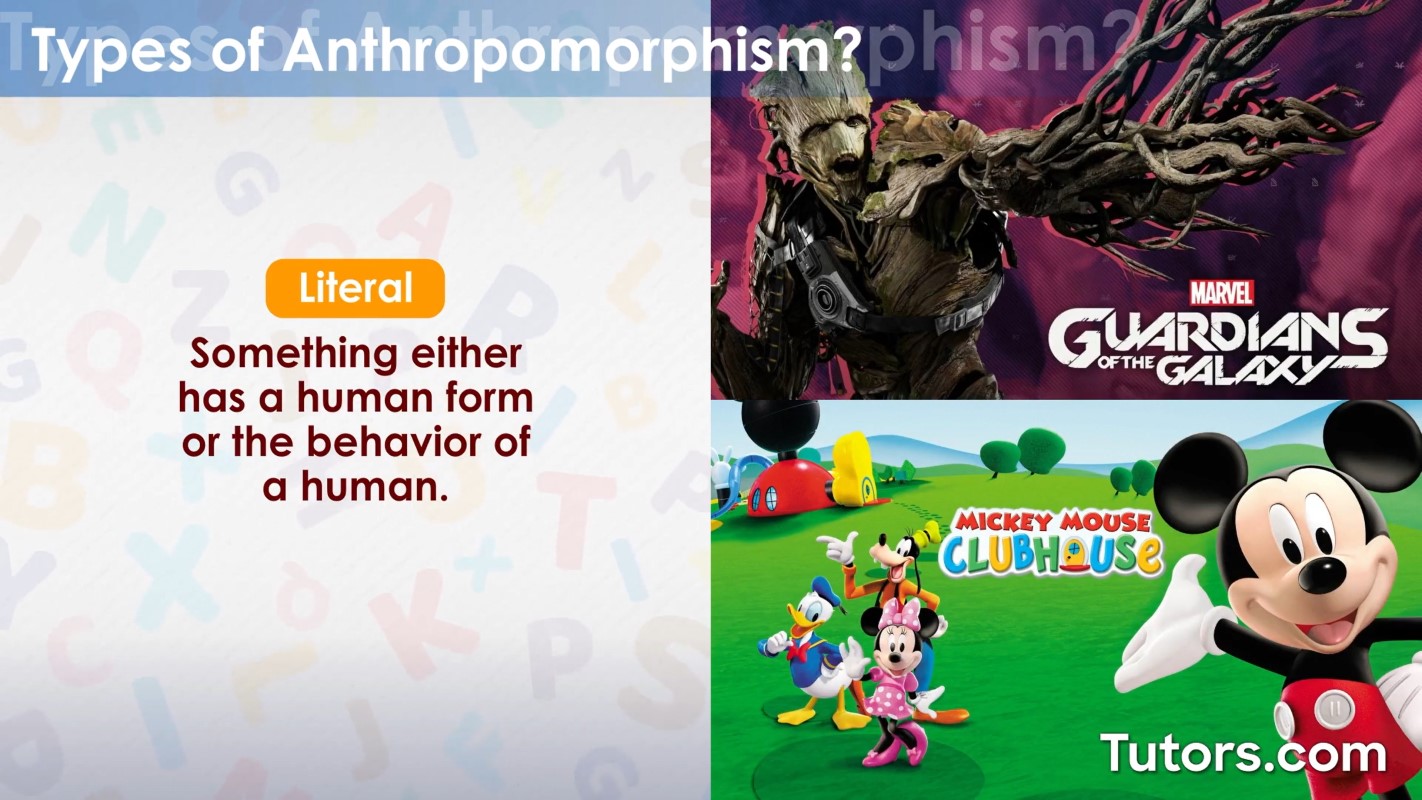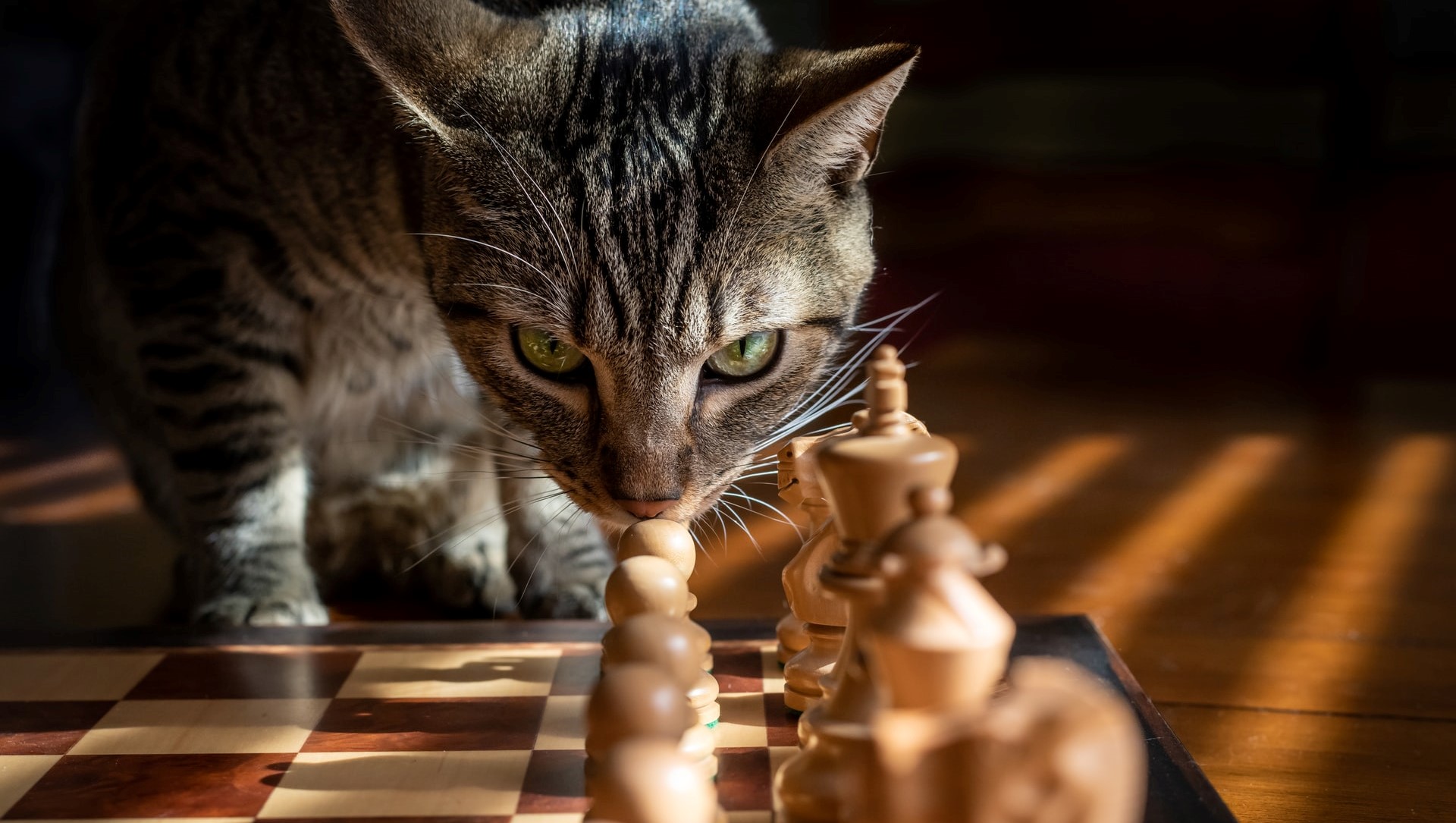
From the earliest flickers of campfire storytelling to the glossy pages of modern picture books, talking animals have slinked, soared, and stomped their way into our collective imagination. These anthropomorphic creatures—whether cunning foxes, wise old owls, or gentle giants like elephants—do more than entertain; they serve as mirrors, teachers, and tricksters, reflecting the complexities of human nature back at us in fur and feathers. But why does this motif endure with such tenacity across cultures and centuries? The answer lies not just in the charm of a talking squirrel or the whimsy of a chatty cat, but in something far more profound: our innate desire to understand, to moralize, and to connect with the world through narratives that blur the boundaries between species.
The Mirror of Human Nature: Animals as Living Allegories
At the heart of every fable featuring talking animals is a silent pact between storyteller and listener: we suspend our disbelief not because we truly believe a wolf can speak, but because we recognize the truth in what he says. The fox who outwits the crow with flattery isn’t just a clever animal—he is the embodiment of human vanity and the fragility of pride. Similarly, the steadfast tortoise racing the boastful hare becomes a parable about perseverance, not speed. These stories distill human virtues and vices into digestible, memorable forms, allowing us to confront our own flaws without the sting of direct accusation. In this way, talking animals act as living allegories, their words and actions serving as a lens through which we examine our own behavior. They are the ultimate anthropomorphic teachers, wearing fur and feathers while whispering truths about ambition, greed, and kindness that resonate across generations.
The Comfort of the Familiar and the Thrill of the Strange
There is a peculiar duality in our fascination with talking animals: they are both intimately familiar and delightfully alien. On one hand, we recognize their behaviors—the slyness of a fox, the nurturing instincts of a mother bear—because they mirror the creatures we encounter in forests, zoos, and even our own backyards. Yet, the moment they open their mouths to speak, they transcend their biological reality, becoming something else entirely. This juxtaposition creates a cognitive dissonance that is both unsettling and exhilarating. It allows us to project our own emotions and dilemmas onto beings that are, at once, like us and utterly unlike us. The talking rabbit in Alice in Wonderland, for instance, is both a whimsical guide and a cryptic philosopher, his chatter a blend of nonsense and wisdom. This tension between the known and the unknown is where the magic of talking animals truly lies—they invite us to explore the boundaries of our own understanding while keeping us anchored in the comfort of the familiar.

The Catharsis of the Trickster: Laughter as a Subversive Tool
Talking animals often wear the mantle of the trickster—a role that is as ancient as storytelling itself. Whether it’s Br’er Rabbit outsmarting his predators or the cunning Anansi spinning his webs of deceit, these characters embody the subversive power of wit over brute strength. Their antics provide a cathartic release, allowing us to laugh at the absurdity of power structures and the folly of those who take themselves too seriously. In a world where adults are expected to be rational and children are taught to obey, the trickster animal offers a rebellious escape. Their words are not bound by politeness or decorum; they speak truth to power, often with a smirk. This is why the talking cat in Alice in Wonderland grins so widely—his mischief is a rebellion against the rigid rules of Wonderland, and by extension, our own world. Through their laughter and cunning, these animals give us permission to question, to mock, and to revel in the chaos of life without fear of consequence.
The Bridge Between Childhood and Adulthood
For children, talking animals are more than characters; they are companions in a world where imagination reigns supreme. A bear who loves honey or a mouse who dreams of grandeur becomes a friend, a confidant, a guide through the labyrinth of growing up. But their appeal doesn’t fade with age. As adults, we revisit these stories not just for nostalgia, but for the deeper layers they offer. The talking animals of our childhood become metaphors for the complexities of adulthood—loyalty, betrayal, the search for meaning. Consider the steadfastness of Aslan in The Chronicles of Narnia, a lion whose very presence evokes both awe and comfort. His words carry weight not because he is a talking animal, but because he represents something greater: the idea that wisdom and courage can come from unexpected places. In this way, talking animals serve as a bridge between the innocence of childhood and the nuanced realities of adulthood, their stories evolving with us even as their forms remain constant.
The Ecological and Ethical Awakening
In an era where environmental consciousness is no longer optional but essential, talking animals take on a new significance. They are not just characters in a story; they are emissaries of the natural world, their voices amplifying the silent struggles of ecosystems teetering on the brink of collapse. When a story features a talking wolf pleading for understanding or a parrot warning of deforestation, it transcends mere entertainment. It becomes a call to empathy, a reminder that the animals we share the planet with are not mere background players in the human drama, but protagonists in their own right. This ecological perspective adds a layer of urgency to the age-old tales. The talking animals of today’s stories often carry messages about conservation, coexistence, and the consequences of human actions. They challenge us to listen—not just to their words, but to the unspoken truths of the natural world.
The Universal Language of Myth and Folklore
Across continents and cultures, talking animals appear in myths and folklore as if by some unspoken agreement. The Native American coyote, the African hare, the Norse ratatoskr, the Japanese kitsune—each culture has its own version of the talking animal, a testament to the universality of this motif. This ubiquity suggests that talking animals fulfill a fundamental human need: the desire to find meaning in the chaos of existence. They are the storyteller’s alchemy, transforming the raw materials of nature into narratives that explain the unexplainable. In Aboriginal Dreamtime stories, animals are often the first beings to walk the earth, their actions shaping the land and its people. In European fairy tales, they serve as moral compasses, guiding heroes and heroines through trials. This shared language of talking animals across cultures underscores their role as archetypes—primordial symbols that resonate with the deepest parts of our psyche.
The Psychological Allure: Projection and Identification
From a psychological standpoint, talking animals offer a unique form of escapism. They allow us to project our own thoughts, fears, and desires onto beings that are simultaneously ourselves and not ourselves. This duality makes them perfect vessels for exploring identity, morality, and the human condition. A child who feels powerless might identify with a small but clever mouse, while an adult grappling with authority might see themselves in a rebellious talking rabbit. The psychologist Carl Jung would argue that these animals are manifestations of our collective unconscious, embodying archetypes that transcend individual experience. The wise old owl, the cunning fox, the gentle giant—each represents a facet of human nature that we recognize within ourselves. By engaging with these characters, we engage in a form of psychological play, a safe space to explore emotions and dilemmas that might otherwise feel overwhelming.
The Evolution of the Talking Animal: From Morality Tales to Modern Narratives
While the talking animal’s roots lie in morality tales and fables, its evolution in modern storytelling has expanded its role far beyond simple lessons. Today, talking animals populate everything from animated films like Zootopia, where a rabbit and a fox navigate societal prejudices, to literary works like The Wind in the Willows, where Mole and Rat’s adventures explore friendship and adventure. In these modern narratives, talking animals often serve as foils for human characters, highlighting the absurdities and injustices of the human world. Their continued relevance speaks to their adaptability—they are not relics of the past, but dynamic symbols that can be reshaped to reflect contemporary concerns. Whether they are used to critique capitalism, explore identity, or simply delight audiences, talking animals remain a potent tool for storytelling, their voices echoing across time.