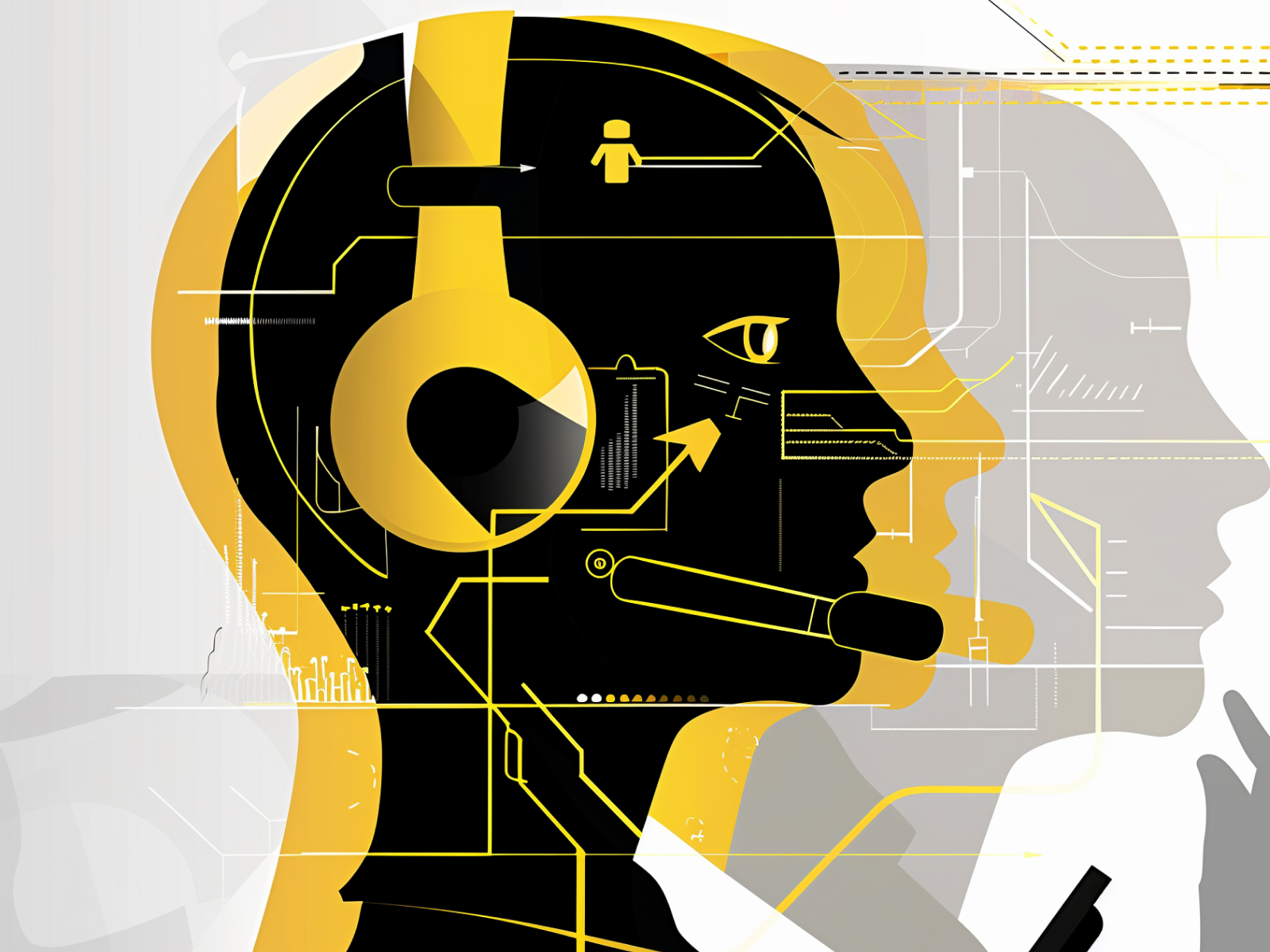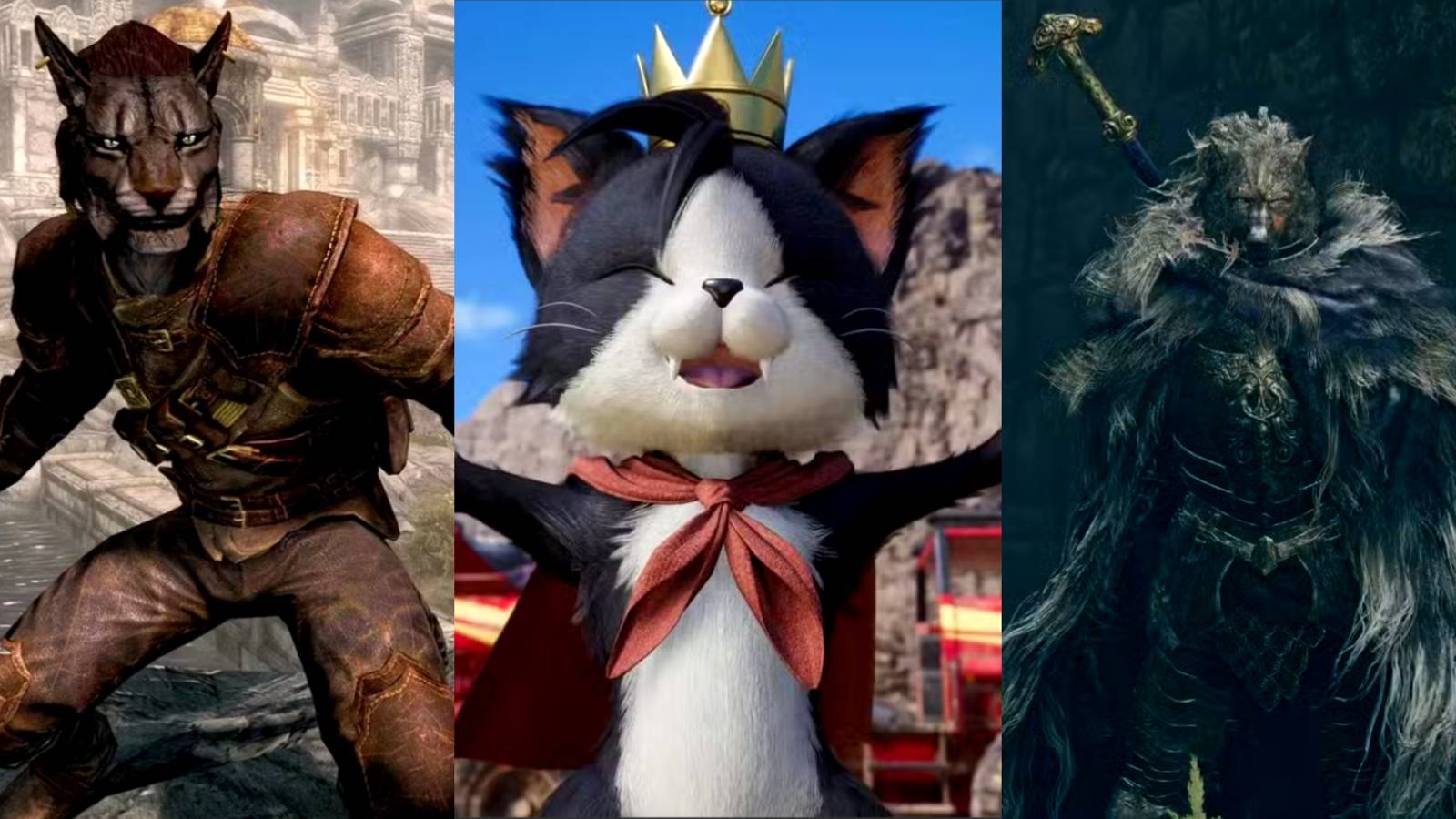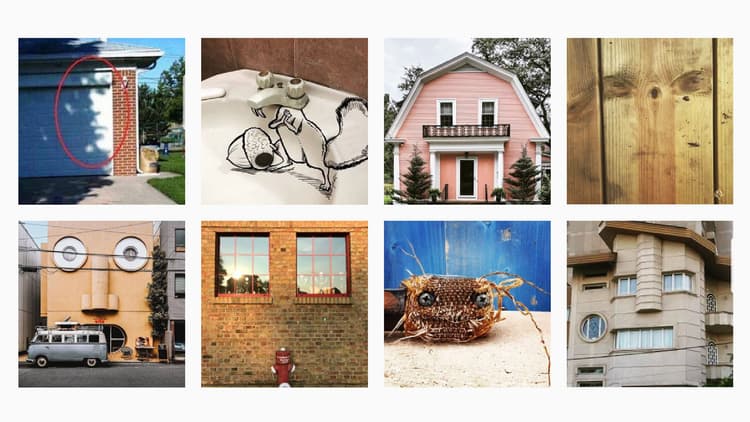
Have you ever woken from a dream where a tree whispered secrets, a storm raged with purpose, or an inanimate object suddenly sprouted eyes and spoke? These aren’t mere figments of imagination—they’re the subconscious mind’s way of weaving stories through anthropomorphism, the act of attributing human traits to non-human entities. But what if these dreams aren’t just whimsical tales? What if they’re mirrors, reflecting our deepest fears, desires, and unresolved emotions? Anthropomorphism in dreams isn’t just a quirk of the sleeping mind; it’s a psychological cipher, waiting to be decoded. Let’s embark on a journey to uncover what these humanized visions reveal about us, and how they might just shift the way you perceive your own inner world.
The Dreamer’s Hidden Language: Why Anthropomorphism Speaks to Us
Dreams are the mind’s most unfiltered storyteller, and anthropomorphism is its favorite narrative device. When a river “sighs” or a clock “judges” us, it’s not random—it’s the subconscious translating abstract emotions into tangible, relatable forms. This phenomenon taps into our innate anthropocentric bias, the tendency to see the world through a human lens. But why does this bias dominate our dreams? Because the brain thrives on patterns, and what’s more familiar than human behavior? By personifying the inanimate, our dreams transform the nebulous into the narrative, the intangible into the intimate. It’s a survival mechanism, a way to process the unprocessable.
Consider the dream where your car suddenly “refuses” to start. In waking life, this might symbolize a stalled project or a sense of powerlessness. But in the dream, the car’s defiance isn’t just a metaphor—it’s a living, breathing entity with agency. This shift from abstraction to animation forces us to confront our emotions head-on, as if the dream is saying, “You can’t ignore this anymore.” Anthropomorphism in dreams doesn’t just describe our inner world; it dramatizes it, making the invisible visible.
The Shadow and the Sage: What Our Dream Characters Reveal
Every anthropomorphized figure in a dream is a fragment of ourselves—a psychological avatar that embodies traits we recognize, suppress, or aspire to. A talking animal might represent an instinctual part of your personality, while a sentient storm could mirror unresolved anger or anxiety. But these characters aren’t arbitrary; they’re archetypes, drawn from the collective unconscious described by Carl Jung. A wise old owl isn’t just an owl—it’s the embodiment of intuition and guidance. A menacing shadow figure isn’t just a shadow—it’s the repressed aspects of your psyche begging for acknowledgment.
What’s fascinating is how these characters evolve. A dream where a bridge “collapses” under you might startle you awake, but it’s not just a fear of failure—it’s a sign that your subconscious is testing your resilience. The next time you dream of a chattering teapot, ask yourself: What’s brewing beneath the surface of your waking life? These anthropomorphized entities are more than symbols; they’re collaborators in your emotional excavation, urging you to listen to the whispers of your inner narrative.
Emotional Alchemy: How Dreams Transform Feelings into Stories
Anthropomorphism in dreams is a form of emotional alchemy, converting raw, formless emotions into vivid, storied experiences. When grief takes the shape of a weeping willow or joy dances as a sunlit field, the dream isn’t just reflecting your state—it’s transmuting it. This process serves a critical function: it makes emotions manageable. By externalizing feelings into characters and scenarios, the mind creates a safe space to explore what might otherwise feel overwhelming. A dream where a locked door “opens” for you isn’t just about opportunity—it’s about the mind’s way of saying, “You’re ready to face this.”
But the alchemy doesn’t stop there. Dreams also use anthropomorphism to recontextualize emotions. Have you ever dreamed of a vengeful kitchen knife or a betraying mirror? These aren’t just random fears—they’re the subconscious reframing your emotions in a way that feels less personal and more universal. It’s as if the dream is saying, “This isn’t just about you; it’s about how we all navigate these feelings.” This reframing can be liberating, offering a new perspective on old wounds.
The Uncanny Valley of Dreams: When the Familiar Feels Foreign
Not all anthropomorphic dreams are comforting. Some veer into the uncanny valley, where the human-like takes on a disquieting, almost sinister quality. A doll with moving eyes, a mannequin that smiles too widely—these images can evoke a primal unease because they blur the line between the real and the artificial. In dreams, this phenomenon often signals a disruption in your sense of self or reality. Are you feeling like an impostor in your own life? Is there a part of you that feels “scripted” or controlled? The uncanny in dreams forces us to confront these questions, revealing the fractures in our perceived identity.
Yet, even in discomfort, there’s revelation. The uncanny valley in dreams can act as a cognitive reset button, jolting you out of complacency. When a familiar object suddenly behaves unnaturally, it’s the subconscious demanding your attention. It’s saying, “Wake up. Something isn’t right.” Paying attention to these dreams can be like having a conversation with your deepest self—one that’s brutally honest and unfiltered.
From Dream to Daylight: Integrating the Lessons
The true power of anthropomorphic dreams lies not in their mystery, but in their potential for transformation. The insights they offer aren’t meant to remain in the dream world; they’re invitations to change in the waking one. Start by keeping a dream journal. Note the anthropomorphized entities, their actions, and the emotions they evoke. Over time, patterns will emerge, revealing the recurring themes of your subconscious. Ask yourself: What is this character trying to tell me? What part of my life feels “humanized” in this way?
Next, engage in active imagination, a technique where you revisit the dream while awake and “converse” with its characters. This isn’t about forcing meaning—it’s about deepening your understanding. If a dream featured a talking river, imagine sitting by its banks and asking, “What do you want me to know?” The answers might surprise you. Finally, consider how these insights apply to your daily life. If a dream animal represents your intuition, how might you honor that intuition more in waking hours? Anthropomorphic dreams aren’t just stories; they’re blueprints for self-awareness.
The next time you find yourself in a dream where the walls breathe or the wind sighs your name, don’t dismiss it as mere fantasy. These visions are portals—windows into the labyrinth of your psyche. They reveal not just who you are, but who you’re becoming. And perhaps, in understanding them, you’ll find the courage to rewrite your own story.