There is a quiet dialogue humming between our hands and the objects we touch—a silent conversation where form whispers to function, and familiarity becomes a bridge across the chasm of the unfamiliar. When we design everyday objects to resemble the human form, we are not merely shaping plastic, metal, or ceramic; we are weaving a narrative of comfort into the fabric of utility. This act of anthropomorphism—infusing the inanimate with human traits—is more than whimsy. It is an ancient instinct, a cognitive shortcut that transforms the cold precision of tools into something warm, relatable, and almost alive. From the gentle curve of a chair back that mimics a resting spine to the wide, watchful eyes of a robot vacuum, these designs do not just serve us; they invite us into a world where objects seem to understand, to care, and to belong.
The Psychology of Recognition: Why We Seek Ourselves in the Inanimate
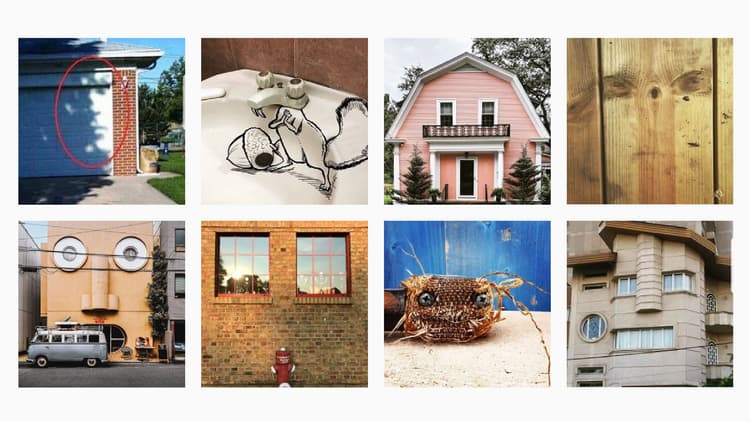
At the heart of our attraction to human-like design lies a profound psychological phenomenon: pareidolia—the brain’s tendency to perceive familiar patterns, especially faces, in random stimuli. When a kettle’s spout curves like a smile or a lamp’s base swells like a torso, our minds do not distinguish between intention and illusion. We recognize the human silhouette, and recognition breeds connection. This is not mere projection; it is an evolutionary adaptation. For millennia, survival depended on quickly identifying life—friend or foe, ally or threat. By endowing objects with human features, designers exploit this primal alertness, transforming passive tools into active participants in our daily rituals. A coffee mug with a subtle lip that resembles parted lips does not just hold liquid; it cradles warmth, echoing the intimacy of human touch.
The Comfort of the Familiar: Design as a Silent Companion
Objects that resemble us become silent companions in our solitude. Consider the anthropomorphic handles of ancient Greek amphorae, their curves echoing the human form, or the whimsical teapots of Christopher Dresser, whose spouts and lids seem to nod in acknowledgment. These designs do not just function; they console. In a world of relentless novelty, they offer a paradoxical stability—the comfort of the known. When a child’s sippy cup sports a face, it transforms the act of drinking from a mechanical necessity into a playful interaction. The object ceases to be a tool and becomes a participant in the child’s emotional world. This is the alchemy of design: turning utility into companionship, and companionship into a balm for the alienation of modern life.
Metaphor in Matter: Objects as Embodiments of Human Values
Every human-like object is a metaphor frozen in material. A chair that cradles the spine like an embrace is not just a seat; it is a declaration of care. A clock whose face mimics a human countenance is not merely a timekeeper; it is a reminder of mortality, a gentle nudge to cherish each moment. Designers leverage this symbolic power to embed deeper meanings into the mundane. The rounded edges of a smartphone, reminiscent of a child’s cheeks, transform the device from a cold slab of technology into a benign, almost affectionate presence. Even the exaggerated eyes of a cartoon character on a cereal box serve as a visual shorthand for innocence and joy. These metaphors are not frivolous; they are the grammar of emotional resonance, allowing objects to speak a language beyond their function.

The Aesthetic of the Uncanny: When Design Teeters on the Edge of the Strange
Yet, the allure of human-like design is a double-edged sword. Venture too far into the realm of the lifelike, and the object tips into the uncanny valley—a place where familiarity curdles into revulsion. A mannequin’s hollow gaze or a robot’s too-perfect smile can unsettle, triggering a primal discomfort. This tension between attraction and repulsion is the crucible in which great design is forged. The most compelling anthropomorphic objects walk this razor’s edge delicately. They borrow just enough humanity to invite connection but retain enough abstraction to avoid horror. Think of the Pixar lamp, whose simple, expressive form conveys emotion without ever becoming truly lifelike. Or the iconic Braun SK4 radio, whose wooden cabinet and fabric grille evoke the warmth of human skin without mimicking it outright. These objects thrive in the liminal space between the animate and the inanimate, where design becomes poetry.
Cultural Echoes: How Anthropomorphism Shapes Our Shared Imagination
Across cultures and centuries, the impulse to humanize the inanimate has left indelible marks on our collective psyche. In Japan, the concept of tsukumogami—objects that gain spirits after a century of existence—reflects a belief in the latent life of things. This cultural narrative finds modern expression in the popularity of kawaii design, where objects like Sanrio characters or plush stationery exude childlike innocence through exaggerated human traits. In the West, the tradition of personifying machines—from Leonardo da Vinci’s robotic knight to R2-D2’s loyal beeps—stems from a desire to domesticate technology, to make the alien feel like kin. These cultural echoes reveal a universal truth: our need to see ourselves in the world around us is not a quirk but a cornerstone of human creativity. It is how we domesticate the unknown, how we turn the chaos of existence into a story we can live with.
The Future of Human-Like Design: Between Empathy and Ethics
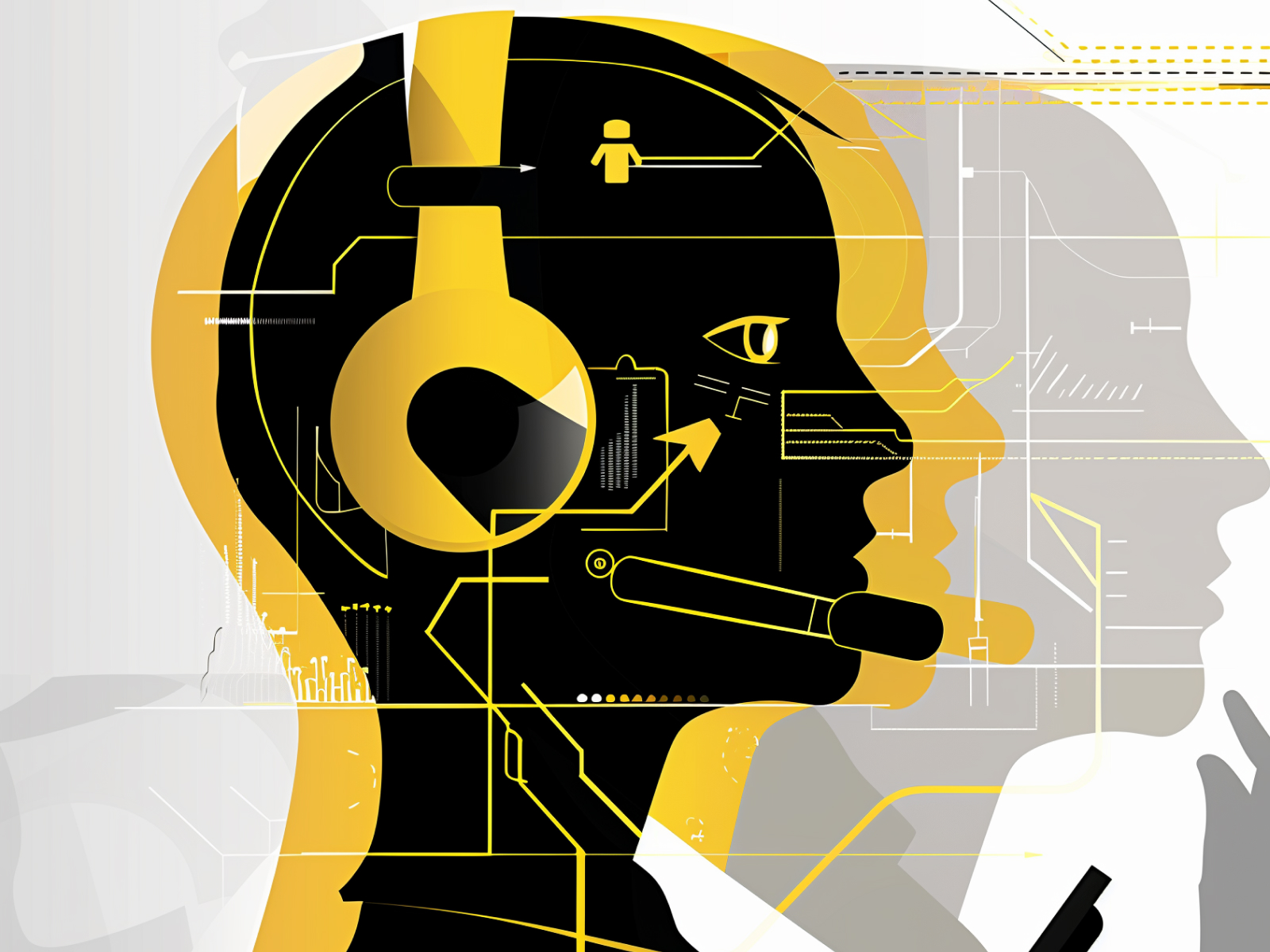
As technology advances, the line between object and organism blurs further. Humanoid robots, AI assistants with synthetic voices, and even smart homes that adapt to our moods are pushing the boundaries of anthropomorphism into uncharted territory. The ethical implications are profound. When a voice assistant apologizes after a mistake, does it merely simulate remorse, or does it erode our capacity to distinguish genuine empathy from algorithmic mimicry? Designers today face a dual mandate: to harness the emotional power of human-like forms while safeguarding against manipulation and dehumanization. The challenge is to create objects that feel companionship without demanding it, that offer comfort without fostering dependency. The future of design may lie not in making objects more human, but in making them more humane—objects that reflect our values, our vulnerabilities, and our shared humanity without ever pretending to be alive.
In the end, the objects we shape to resemble us are less about deception and more about revelation. They reveal our longing for connection, our fear of isolation, and our eternal quest to find meaning in the material world. Whether through the subtle curve of a spoon or the expressive face of a digital assistant, we are engaged in a timeless dialogue—one where the inanimate speaks, and we, in turn, listen.