What if the products on your shelf could whisper secrets, strike a pose, or even strike up a conversation? Anthropomorphic product placement—where inanimate objects are imbued with human-like traits—doesn’t just decorate our lives; it reshapes how we perceive, remember, and interact with the world around us. From the grinning faces of cereal boxes to the outstretched arms of a designer chair, these silent salespeople are quietly rewiring our cognitive circuits. But beneath their charming exteriors lies a labyrinth of psychological triggers, ethical quandaries, and unintended consequences. Can we truly trust an object that smiles back at us?
The Allure of the Humanized Object: Why We Fall for Faces in the Crowd
Our brains are hardwired to detect faces—an evolutionary survival mechanism honed over millennia. When a product mimics human features, it hijacks this primal instinct, creating an instant sense of familiarity and trust. Anthropomorphism doesn’t just stop at eyes and mouths; it extends to posture, gesture, and even personality. A sleek smartphone angled as if mid-conversation feels less like a tool and more like a confidant. This phenomenon, known as the uncanny familiarity effect, explains why we anthropomorphize everything from automobiles to kitchen appliances. The result? A marketplace where objects don’t just serve us—they engage us, often without our conscious consent.
Consider the humble water bottle. A cylindrical vessel with a protruding spout might seem innocuous, but when redesigned with a “smile” etched into its lid or a “winking” cap, it transforms into a character. Suddenly, hydration feels personal. Brands leverage this by crafting product personas—giving objects names, backstories, and even social media presences. The psychological payoff is clear: we’re more likely to purchase, recommend, and even defend products that feel like they have a soul.
The Silent Salesman: How Anthropomorphism Drives Consumer Behavior
Anthropomorphic product placement isn’t just about aesthetics; it’s a calculated strategy to manipulate decision-making. When a product “looks” at us or “points” toward a feature, it guides our attention with the precision of a seasoned salesperson. Eye-tracking studies reveal that consumers fixate longer on products with anthropomorphic cues, as if the object is making direct eye contact. This gaze heuristic triggers a subconscious response: we assume the product is speaking to us, and we feel compelled to listen.
Take the automotive industry, where car grilles are designed to resemble smiling faces. The curvature of the headlights mimics raised eyebrows, while the bumper forms a subtle grin. These subtle cues evoke warmth and approachability, counteracting the intimidating aura of a machine. The result? A consumer who feels an emotional connection to a machine that, in reality, is little more than steel and rubber. The challenge? This emotional manipulation can blur the line between desire and deception, leaving us questioning whether we’re buying a product—or falling for a masquerade.
The Dark Side of Charm: Ethical Dilemmas in Product Anthropomorphism
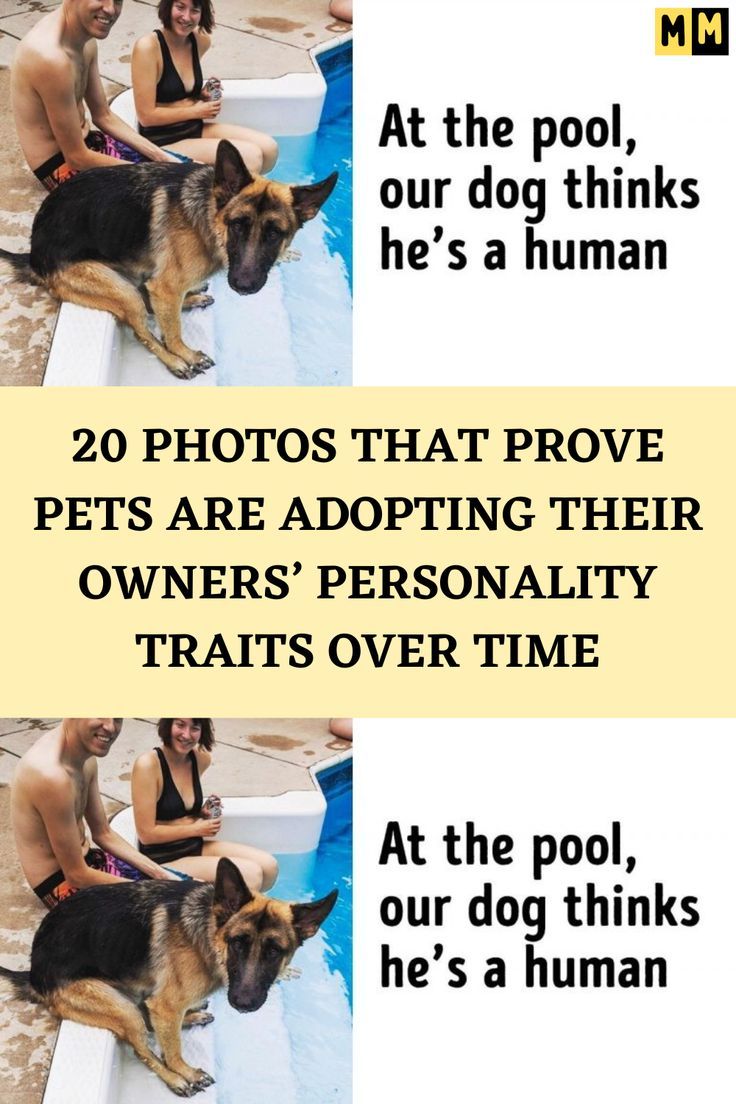
Yet for every smile that sells, there’s a shadow. Anthropomorphism can exploit cognitive biases to an unsettling degree. Children, for instance, are particularly vulnerable to the illusion of reciprocity—the belief that a product “likes” them back. A toy with googly eyes or a plush character that “waves” may coax a child into prolonged play, not out of genuine interest, but because the object appears to reciprocate affection. This raises ethical red flags: Are we teaching the next generation to value relationships with objects over human connection?
Adults aren’t immune either. The halo effect of anthropomorphism can lead to overconsumption. If a product “smiles” at us, we’re more likely to overlook its flaws—whether it’s poor durability, excessive packaging, or environmental harm. Brands capitalize on this by creating personality-driven marketing, where a product’s “character” overshadows its actual utility. The challenge? We may end up paying premium prices for objects that, in reality, are no more sentient than a rock. The question lingers: When does charm become manipulation?
Beyond the Smile: The Future of Anthropomorphic Design
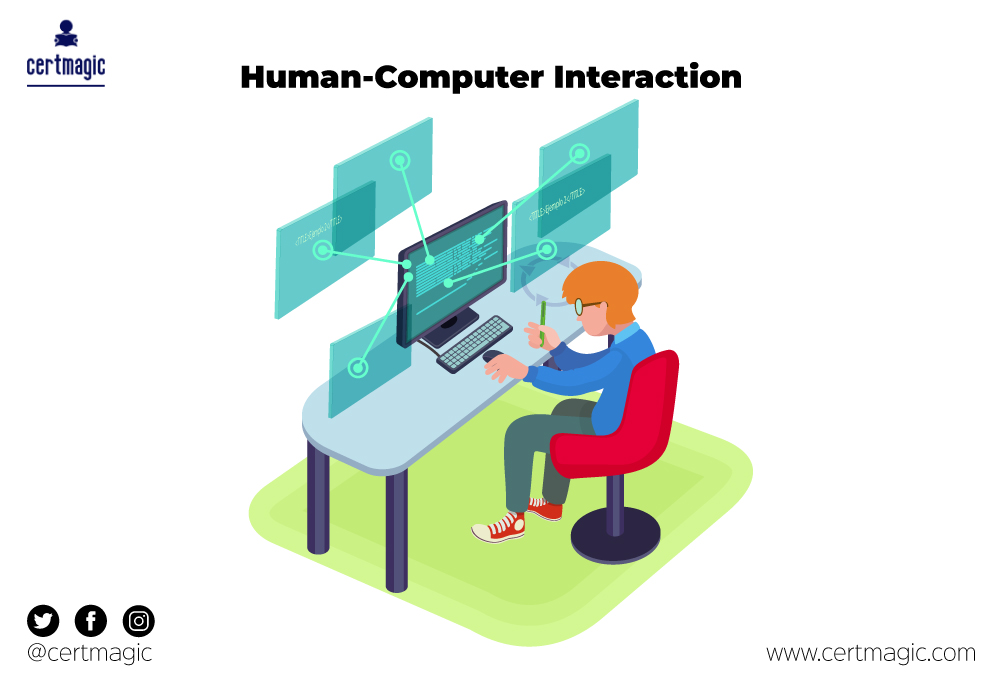
The frontier of anthropomorphic product placement is expanding into uncharted territory. With advancements in AI and robotics, products are no longer just static mimics of humanity—they’re becoming interactive participants in our lives. Smart speakers that “listen” with LED eyes, robotic vacuums that “dance” across floors, and even AI-generated avatars that “endorse” products in advertisements are blurring the line between object and entity. The potential is thrilling: a world where technology feels less alien and more like a companion. But the risks are equally profound.
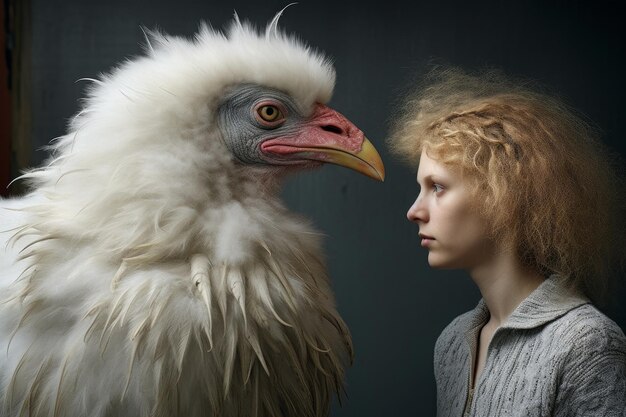
As products gain more “personality,” they risk eroding our ability to distinguish between human and machine interactions. The uncanny valley—that unsettling feeling when a robot’s human likeness is almost, but not quite, perfect—could become a daily experience. Will we grow numb to the subtleties of authenticity? Or will we crave the simplicity of inanimate objects, free from the complexities of human-like expectations? The challenge ahead is to harness anthropomorphism without surrendering to its pitfalls. Can we design products that engage us emotionally without exploiting our cognitive vulnerabilities?
The Paradox of Connection: Do We Really Want Objects to Talk Back?
At its core, anthropomorphic product placement forces us to confront a paradox: we crave connection, yet we’re increasingly surrounded by objects that pretend to connect with us. A coffee mug that “winks” at us in the morning may feel comforting, but does it deepen our relationships—or merely distract us from the loneliness it’s meant to alleviate? The rise of emotional branding suggests that consumers are hungry for meaning, even if it’s manufactured. But meaning, when stripped of authenticity, is a hollow substitute for genuine human interaction.
Perhaps the ultimate irony is that anthropomorphism, in its quest to humanize products, risks dehumanizing us. When every lamp, chair, and smartphone becomes a potential friend, what happens to the art of real friendship? The challenge isn’t just for designers and marketers—it’s for society as a whole. How do we navigate a world where the boundaries between object and entity are dissolving? The answer may lie not in rejecting anthropomorphism outright, but in using it as a tool for empathy, not exploitation. After all, if a product can smile, shouldn’t it also be able to listen?