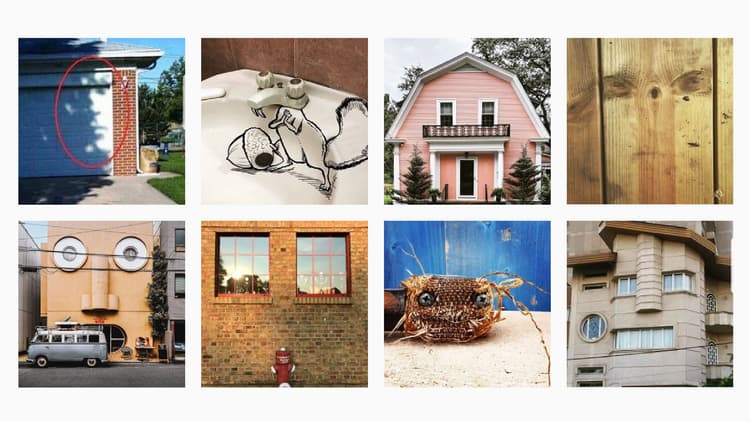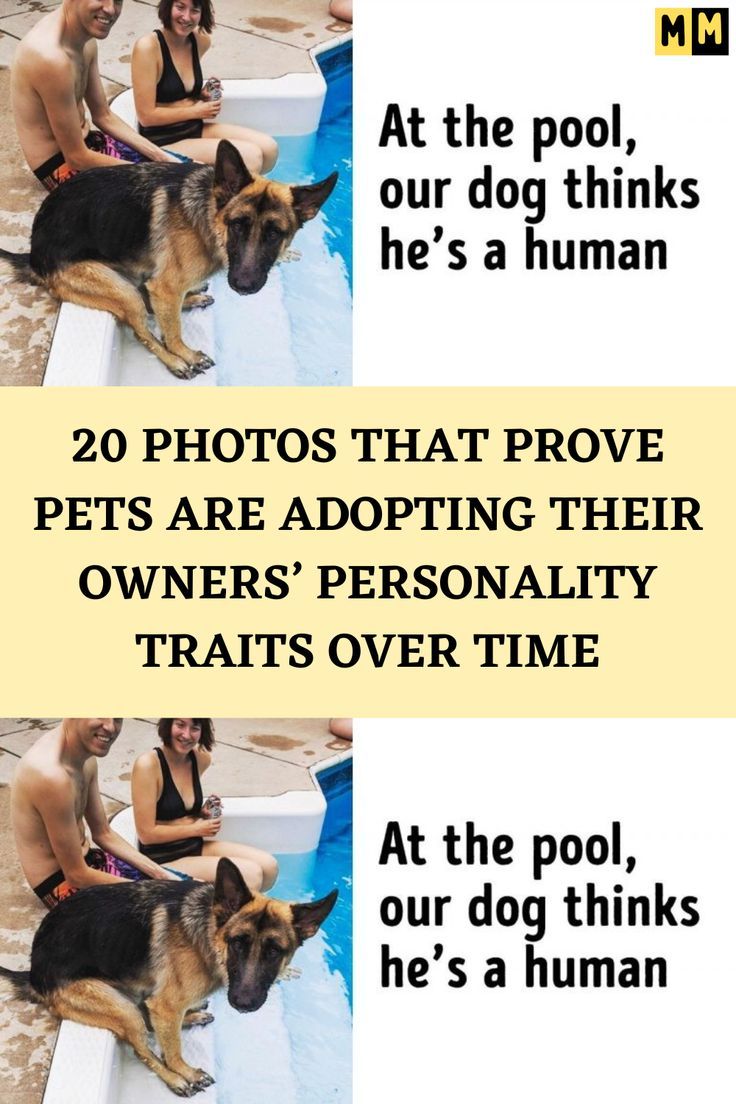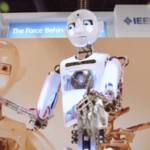
The way consumers perceive prices isn’t merely a matter of numbers on a tag—it’s a psychological dance between cognition and emotion, where the design of a product or service can subtly shift their willingness to pay. Anthropomorphism, the attribution of human traits to non-human entities, has emerged as a powerful force in this dance, reshaping how customers interpret value, justify costs, and ultimately decide whether a price feels fair or exorbitant. From chatbots that mimic empathy to product packaging that whispers personality, the infusion of human-like qualities into inanimate objects and digital interfaces is quietly revolutionizing price perception across industries. This transformation isn’t confined to a single sector; it ripples through e-commerce, service industries, and even financial products, altering the very fabric of consumer decision-making. As businesses increasingly leverage anthropomorphic design to foster connection and trust, understanding its impact on price perception becomes not just insightful, but essential for crafting pricing strategies that resonate in an emotionally intelligent marketplace.
The Psychological Foundations: Why Anthropomorphism Alters Price Perception
At its core, anthropomorphism exploits the human brain’s innate tendency to anthropomorphize—our predisposition to see faces in clouds, voices in the wind, and intentions in algorithms. When a product or service is imbued with human characteristics—whether through a friendly chatbot avatar, a mascot with expressive eyes, or a brand voice that feels conversational—it transcends its utilitarian role and enters the realm of social interaction. This shift activates the brain’s reward centers, triggering feelings of familiarity and reciprocity. A price, once a cold numerical fact, now carries the weight of a social exchange. Studies suggest that consumers are more inclined to accept higher prices when they perceive the seller as benevolent or relatable, a phenomenon rooted in the benefit-of-the-doubt heuristic. When a brand’s anthropomorphic cues—such as a logo with a smile or a customer service bot that apologizes profusely—signal goodwill, customers subconsciously extend trust, making them more tolerant of premium pricing. Conversely, poorly executed anthropomorphism can backfire, evoking eerie uncanny valley reactions that erode price acceptance entirely.
Moreover, anthropomorphism fosters emotional anchoring, where the perceived personality of a brand or product influences the reference price—a mental benchmark against which all other prices are judged. A luxury watch adorned with a suave, human-like mascot doesn’t just sell time; it sells an aspirational identity. The price, therefore, isn’t just for the watch—it’s for the lifestyle it represents. This emotional anchoring can justify price premiums that would otherwise seem unjustified, turning a transaction into a narrative of self-expression. The key lies in alignment: the anthropomorphic traits must resonate with the brand’s identity and the customer’s self-concept. A playful mascot for a children’s toy feels authentic; the same mascot for a high-end financial advisory firm would feel jarring, undermining price credibility.

E-Commerce and the Rise of the “Friendly” Shopping Experience
In the digital marketplace, where transactions are faceless and prices are reduced to pixels, anthropomorphism serves as a bridge between isolation and connection. E-commerce platforms increasingly deploy anthropomorphic elements to humanize the shopping experience, from virtual shopping assistants that greet customers by name to product listings that describe items with a conversational tone. The impact on price perception is profound. When an online store’s interface feels like a dialogue rather than a catalog, customers are more likely to perceive prices as collaborative rather than coercive. A well-designed chatbot that offers personalized recommendations doesn’t just sell a product—it sells the idea that the price is tailored to the customer’s needs, reducing the sting of sticker shock.
One of the most intriguing applications is in the realm of dynamic pricing, where prices fluctuate based on demand, behavior, or even perceived intent. Anthropomorphic cues can soften the blow of these fluctuations. For instance, a travel booking site that uses a friendly, animated owl to explain why prices are rising during peak season reframes the increase as a natural consequence of supply and demand, rather than a predatory tactic. The owl’s persona—wise, patient, and slightly humorous—creates a narrative that makes the price hike feel less arbitrary and more understandable. Similarly, subscription services that use anthropomorphic email notifications (e.g., a cartoon character “pleading” for renewal) can increase retention rates by making customers feel like they’re part of a community rather than a revenue stream.
However, the line between helpful and manipulative is thin. Overly aggressive anthropomorphism—such as a chatbot that insists on a purchase with exaggerated urgency—can trigger psychological reactance, where customers resist the pressure by undervaluing the product or abandoning the cart entirely. The art lies in subtlety: anthropomorphic elements should enhance the shopping experience without overshadowing the product’s intrinsic value. A well-timed empathetic message (“We noticed you’re comparing options—here’s what makes this one special”) can guide a customer toward a purchase without feeling pushy, thereby justifying the price in their eyes.
Service Industries: When Empathy Becomes a Pricing Lever
In service-based sectors—hospitality, healthcare, financial advisory—the human touch is already a cornerstone of value. Anthropomorphism amplifies this touch, turning empathy into a tangible component of the price equation. Consider the hospitality industry, where hotels and airlines deploy anthropomorphic branding to elevate perceived service quality. A boutique hotel with a whimsical, storybook logo and a brand voice that feels like a gracious host doesn’t just charge for a room—it charges for an experience. The price premium is justified by the narrative: staying here isn’t just accommodation; it’s a stay in a character’s world. This narrative pricing strategy is particularly effective in luxury markets, where customers are willing to pay for the story as much as the service.
In healthcare, anthropomorphism can mitigate the anxiety associated with high costs. A telemedicine platform that uses a calming, human-like avatar to explain treatment options and pricing makes the financial burden feel less daunting. The avatar’s demeanor—compassionate, patient, and transparent—creates a sense of partnership, where the price is framed as an investment in well-being rather than a transactional expense. This approach is especially powerful in markets where healthcare costs are stigmatized or poorly understood, as it demystifies pricing while fostering trust.
Financial services, often perceived as cold and transactional, are also leveraging anthropomorphism to reshape price perception. Robo-advisors with friendly, approachable interfaces and explanatory videos featuring “expert” avatars make complex financial products feel accessible. When a customer sees a digital advisor with a reassuring smile explaining why a management fee is justified, they’re more likely to view the cost as a fair exchange for expertise and peace of mind. The key here is to avoid the robotic uncanny valley—where an overly human-like AI feels unsettling—by balancing realism with simplicity. A slightly stylized avatar with human traits, but not hyper-realistic, strikes the right chord.

The Dark Side: When Anthropomorphism Backfires on Price Acceptance
Not all anthropomorphic strategies yield positive results. The uncanny valley effect—where a design feels almost human but not quite—can evoke discomfort, distrust, or even revulsion, directly undermining price acceptance. A chatbot with a voice that’s eerily close to human but slightly off in tone, or a product mascot with exaggerated human features that feel grotesque, can make customers question the legitimacy of the price. This reaction is particularly pronounced in industries where precision and professionalism are paramount, such as legal services or engineering consulting. In these cases, anthropomorphism can feel like a gimmick, eroding the perceived expertise and justifying higher prices.
Another pitfall is the over-justification effect, where anthropomorphic cues inadvertently signal that the price is inflated for non-functional reasons. If a customer perceives that a brand is charging a premium solely because of its “personality” rather than the product’s inherent quality, they may feel manipulated and resist the price. This is common in fast-moving consumer goods (FMCG) where brands use mascots or jingles to stand out. While these tactics can drive short-term sales, they may also condition customers to associate the brand with frivolity rather than value, making it harder to justify premium pricing in the long run.
Moreover, cultural differences play a critical role in how anthropomorphism is received. In collectivist cultures, where community and harmony are prioritized, anthropomorphic branding that emphasizes social connection may resonate strongly, making customers more accepting of higher prices. In individualist cultures, however, where self-expression and uniqueness are valued, anthropomorphism that feels too generic or saccharine can feel inauthentic, leading to skepticism about pricing. Brands must tread carefully, tailoring their anthropomorphic strategies to align with cultural expectations to avoid missteps that could alienate their core audience.
Practical Strategies for Leveraging Anthropomorphism in Pricing
For businesses looking to harness anthropomorphism without falling into its traps, a strategic approach is essential. Start with audience alignment: ensure the anthropomorphic elements resonate with your target demographic’s values and preferences. A playful mascot may delight Gen Z shoppers but repel corporate clients. Next, focus on authenticity—the traits you assign to your brand or product should feel intrinsic to its identity, not bolted on as a gimmick. A luxury car brand using a suave, sophisticated avatar aligns with its image; a budget airline doing the same would feel incongruous.
Another critical strategy is transparency. Anthropomorphism works best when it clarifies, not obscures. Use human-like cues to explain pricing structures, justify costs, and highlight value. For example, a SaaS company could use an animated character to walk customers through a pricing tier comparison, making the differences tangible and the premium features understandable. This not only enhances price acceptance but also reduces churn by setting clear expectations.
Finally, test and iterate. A/B testing different anthropomorphic designs—such as varying the tone of a chatbot’s messages or the expressiveness of a mascot—can reveal what resonates most with your audience. Metrics like conversion rates, average order value, and customer satisfaction scores can indicate whether the anthropomorphic strategy is enhancing price perception or detracting from it. Remember, the goal isn’t to make your brand “cute” or “friendly” for its own sake, but to create a pricing narrative that feels human, relatable, and, above all, fair.
The future of pricing lies in the intersection of technology and humanity, where algorithms meet empathy and data meets emotion. Anthropomorphism is more than a design trend—it’s a paradigm shift in how we perceive value. By understanding its psychological underpinnings and applying it thoughtfully, businesses can transform price perception from a barrier to a bridge, fostering connections that transcend transactions and build lasting loyalty.