In the realm of product design, few strategies captivate the eye and spark curiosity quite like anthropomorphic packaging. By endowing inanimate objects with human-like qualities, designers transform ordinary containers into miniature storytellers, inviting consumers to engage on a deeper, almost emotional level. This technique transcends mere aesthetics—it creates a silent dialogue between product and purchaser, where the package doesn’t just hold the item but seems to *breathe*, *smile*, or even *whisper* its purpose. From the whimsical to the profound, anthropomorphic packaging turns shelves into galleries and shoppers into admirers, proving that design can be as expressive as the contents it protects.
The Allure of the Inanimate Made Alive
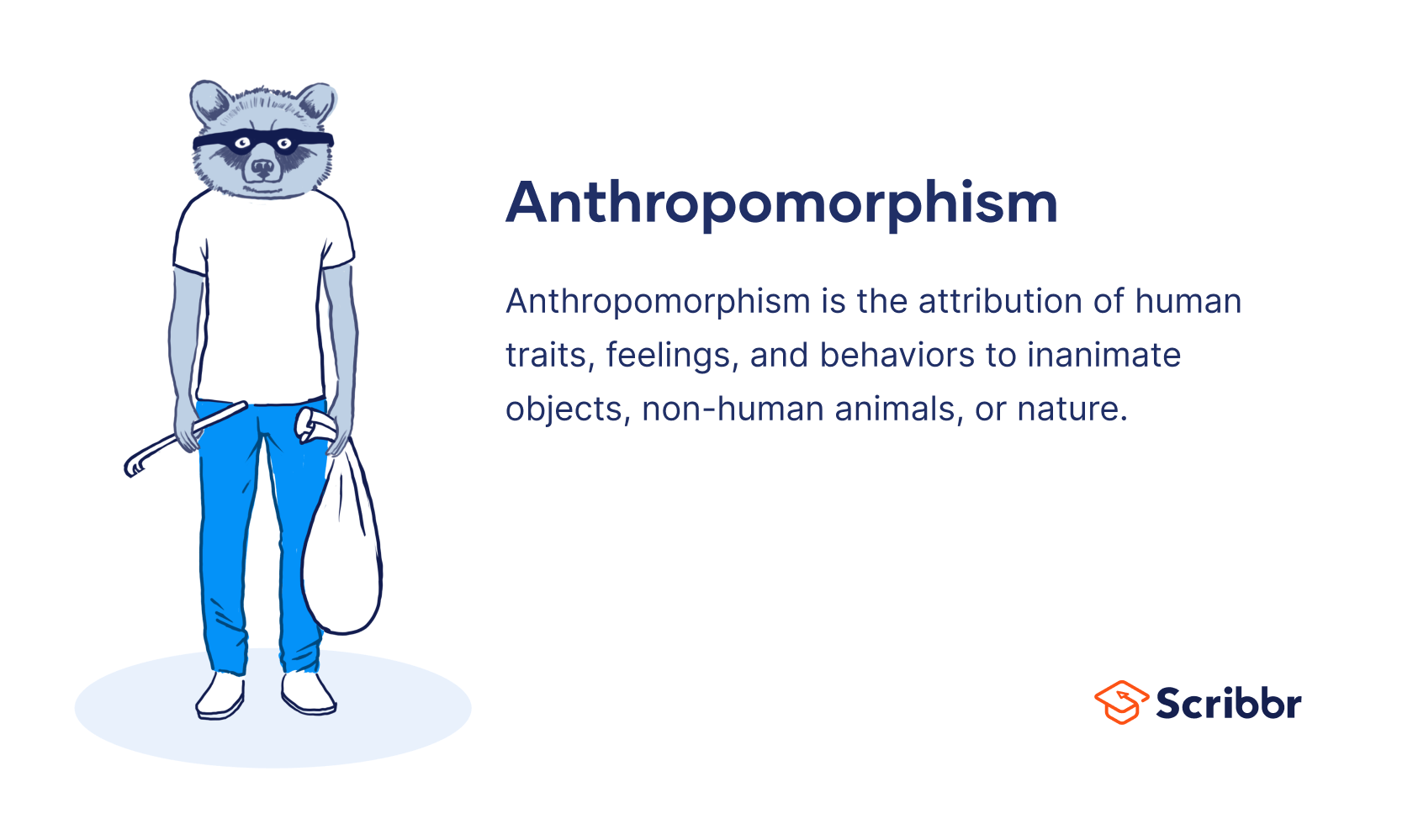
Anthropomorphism—the attribution of human traits to non-human entities—has long been a cornerstone of artistic expression. When applied to packaging, it elevates the mundane into the extraordinary. Consider a shampoo bottle whose cap mimics a startled face, eyes wide with surprise at the thought of tangled hair. Or a cereal box where the mascot’s arms stretch upward in a joyful embrace, as if welcoming the dawn of a new day. These designs don’t just stand out; they *perform*. They turn passive observers into active participants, coaxing smiles, chuckles, or even a moment of pause in the hurried aisles of a supermarket.
The magic lies in the unexpected. A tube of toothpaste might sprout legs and scurry across the counter like a tiny, over-caffeinated creature, its cap a beaming grin. Such designs play on our innate tendency to anthropomorphize, to see faces in clouds or personalities in products. They tap into a primal curiosity, making us wonder: *What does this package want to tell me?* The answer, of course, is nothing—and everything. It’s a visual joke, a metaphor, a silent salesman that doesn’t just sell but *entertains*.
Whimsy Meets Function: When Playfulness Serves a Purpose
Anthropomorphic packaging isn’t merely decorative; it’s a masterclass in functional art. Designers leverage human-like features to guide, inform, and delight. Take, for instance, a milk carton with a face that “sighs” when opened, its expression shifting from contentment to exhaustion as the carton empties. This isn’t just cute—it’s a clever mnemonic device, reinforcing the act of pouring while adding a layer of humor to an otherwise routine task.
Or consider the humble coffee creamer bottle, reimagined as a sleepy barista whose drooping eyelids and yawn suggest it’s time for a caffeine break. The design doesn’t just communicate the product’s purpose; it *embodies* it. The creamer isn’t just a vessel—it’s a character in the morning ritual, a silent partner in the daily grind. This fusion of form and function creates a sensory experience that lingers long after the product is consumed. It’s packaging that doesn’t just hold; it *participates*.
The most effective anthropomorphic designs strike a delicate balance between absurdity and utility. They’re playful enough to evoke joy but grounded enough to serve their primary role. A ketchup bottle with a face that “blushes” when squeezed isn’t just a novelty—it’s a subtle reminder to handle the product with care, lest the “character” become flustered. In this way, anthropomorphism becomes a bridge between utility and emotion, turning even the most utilitarian items into objects of affection.
Metaphor in Motion: Storytelling Through Silhouettes
Beyond mere whimsy, anthropomorphic packaging can weave narratives that resonate on a cultural or emotional level. A wine bottle might don the guise of a regal monarch, its label etched with a crown and its posture exuding authority—metaphorically asserting the wine’s premium quality. Or a children’s snack box could feature a mischievous fox, its sly grin hinting at the playful flavors within. These designs don’t just describe the product; they *tell its story*.
Consider the metaphor of a “sleepy” tea box, its lid drooping like a drowsy eyelid, as if the tea itself longs for a cozy evening. The packaging becomes a visual poem, a silent ode to relaxation. Or a sports drink bottle designed to resemble a muscular athlete mid-sprint, its dynamic pose conveying energy and vitality. Here, anthropomorphism isn’t just about faces—it’s about *gestures*, *postures*, and *expressions* that communicate the product’s essence without a single word.
This narrative power is particularly potent in branding. A skincare line might use packaging that evokes the rejuvenating effects of its products, with a bottle that appears to “smile” as it hydrates the skin. The metaphor is clear: the product doesn’t just cleanse; it *transforms*. Such designs create a cohesive brand identity, where every interaction feels like part of a larger story. Consumers don’t just buy a product—they buy into a narrative, a fantasy, a moment of connection.
The Psychology Behind the Smile: Why We Love to Humanize
Our affinity for anthropomorphic packaging isn’t accidental—it’s rooted in psychology. Humans are wired to seek patterns and assign meaning to the world around us. When a package “looks” at us or “reacts” to our actions, our brains light up with recognition. This phenomenon, known as the *anthropomorphism bias*, explains why we’re drawn to products that seem to have personalities. It’s the same instinct that makes us name our cars or feel guilty when we ignore a sad-looking emoji.
Anthropomorphic designs leverage this bias to create *emotional resonance*. A bottle that “winks” at the consumer doesn’t just stand out—it *connects*. It turns a transactional moment into a fleeting friendship. This is especially powerful in industries where products are highly commoditized, like beverages or snacks. In a sea of identical options, a package that *smiles* or *waves* becomes unforgettable. It’s the difference between a product that’s purchased and one that’s cherished.
Moreover, anthropomorphism can soften skepticism. A pharmaceutical bottle with a reassuring, paternal face might ease anxiety about taking medication. A cleaning product with a determined, no-nonsense expression could instill confidence in its efficacy. The human touch—even a painted one—adds a layer of trust, making the product feel less like a cold, inanimate object and more like a trusted companion. In this way, packaging becomes a silent ambassador, bridging the gap between skepticism and belief.
Sustainability and Anthropomorphism: A Paradox or a Partnership?
As the world grapples with environmental concerns, the sustainability of anthropomorphic packaging comes under scrutiny. Can a product that relies on elaborate designs, multiple materials, or non-recyclable plastics truly align with eco-conscious values? The answer isn’t black and white. Some designers have risen to the challenge, creating anthropomorphic packaging that’s both visually striking and sustainable.
Take, for example, a shampoo bottle molded to resemble a playful otter, its sleek form reducing plastic use while its expressive features draw the eye. Or a snack pouch designed as a friendly sloth, its slow, deliberate movements a metaphor for the product’s natural ingredients. These designs prove that anthropomorphism doesn’t require excess. It can thrive within the constraints of sustainability, using shape, texture, and minimalist detailing to convey personality without waste.
Yet, the tension remains. Overly complex anthropomorphic designs—those with moving parts, multi-material layers, or excessive embellishments—often sacrifice recyclability for charm. The key lies in innovation: using biodegradable materials, modular designs, or even augmented reality to animate packaging digitally rather than physically. The future of anthropomorphic packaging may lie in *virtual anthropomorphism*, where a static bottle comes to life through a smartphone screen, telling its story without a single gram of plastic.
This evolution could redefine the genre, proving that even in an era of environmental responsibility, the human touch—whether physical or digital—remains a powerful tool for connection.
From Shelves to Social Media: The Viral Potential of Expressive Design
Anthropomorphic packaging isn’t just a retail phenomenon—it’s a social media darling. In an age where unboxing videos and product photography dominate platforms like Instagram and TikTok, a package that *does something* is far more likely to go viral than one that merely *looks* good. A bottle that “sheds a tear” when squeezed, or a box that “winks” when opened, isn’t just a product—it’s *content*.
Brands have capitalized on this by designing packaging with shareability in mind. Limited-edition releases often feature the most elaborate anthropomorphic designs, knowing that consumers will eagerly document and share their reactions. A cereal box that transforms into a cartoon character when tilted, or a soda can that “dances” when the tab is pulled, becomes more than a purchase—it becomes a moment worth capturing. This user-generated content, in turn, amplifies the product’s reach, turning customers into unwitting brand ambassadors.
The social media appeal of anthropomorphic packaging also extends to storytelling. A brand might launch a campaign where each product in a line features a different “character,” encouraging consumers to collect them all. The narrative unfolds across platforms, with each package revealing a piece of a larger story. This not only drives sales but fosters a sense of community among buyers, who bond over their shared enthusiasm for the brand’s whimsical world.
In this way, anthropomorphic packaging becomes a bridge between the physical and digital realms, a tangible artifact that thrives in the virtual landscape. It’s a testament to the power of design to transcend its own medium, turning a simple container into a cultural touchstone.

The bottle’s expressive features create an immediate emotional connection, making the product feel alive and engaging.

The cap’s exaggerated expression adds a layer of humor and surprise, drawing attention to the packaging’s playful design.
The Future: Where Design and Emotion Collide
The trajectory of anthropomorphic packaging points toward even greater innovation. As technology advances, we may see packaging that responds to touch, voice, or even biometric data—imagine a bottle that changes expression based on the user’s mood. Augmented reality could allow packages to “speak,” telling stories or offering usage tips when viewed through a smartphone. The line between product and personality will blur further, creating experiences that are as interactive as they are immersive.
Yet, amidst these technological leaps, the core appeal of anthropomorphic packaging remains unchanged: its ability to evoke emotion. Whether through a painted smile, a dynamic silhouette, or a clever metaphor, these designs remind us that even the most mundane objects can carry a spark of humanity. They turn the act of purchasing into a moment of connection, a fleeting interaction that lingers in the memory long after the product is gone.
As we move forward, the challenge for designers will be to balance innovation with intention. Anthropomorphic packaging must do more than startle or amuse—it must resonate. It must feel authentic, not forced. The best designs will be those that surprise us, delight us, and perhaps even make us pause to consider the stories behind the products we use every day. In a world that often feels impersonal, these tiny, expressive faces offer a reminder: design, at its heart, is about connection.