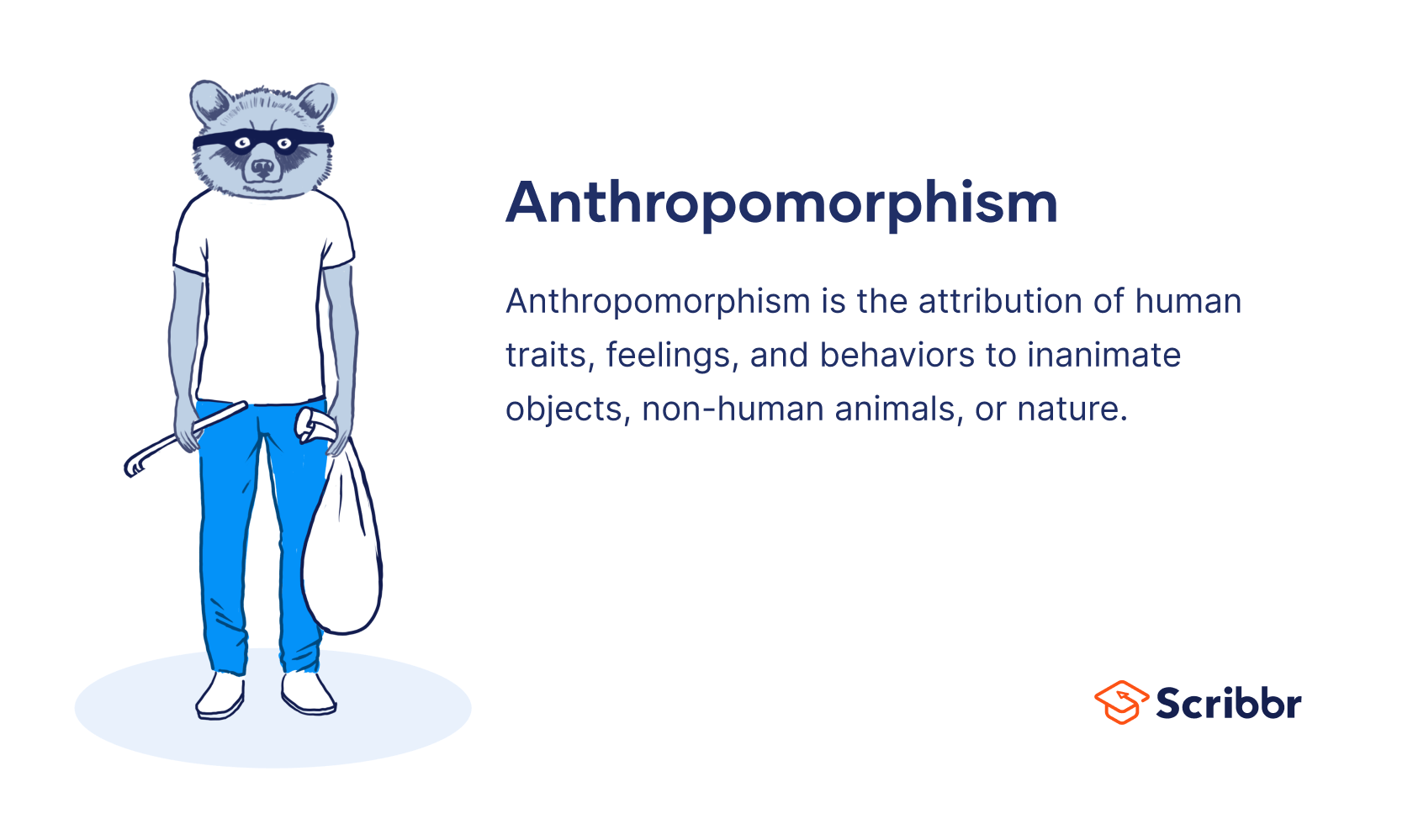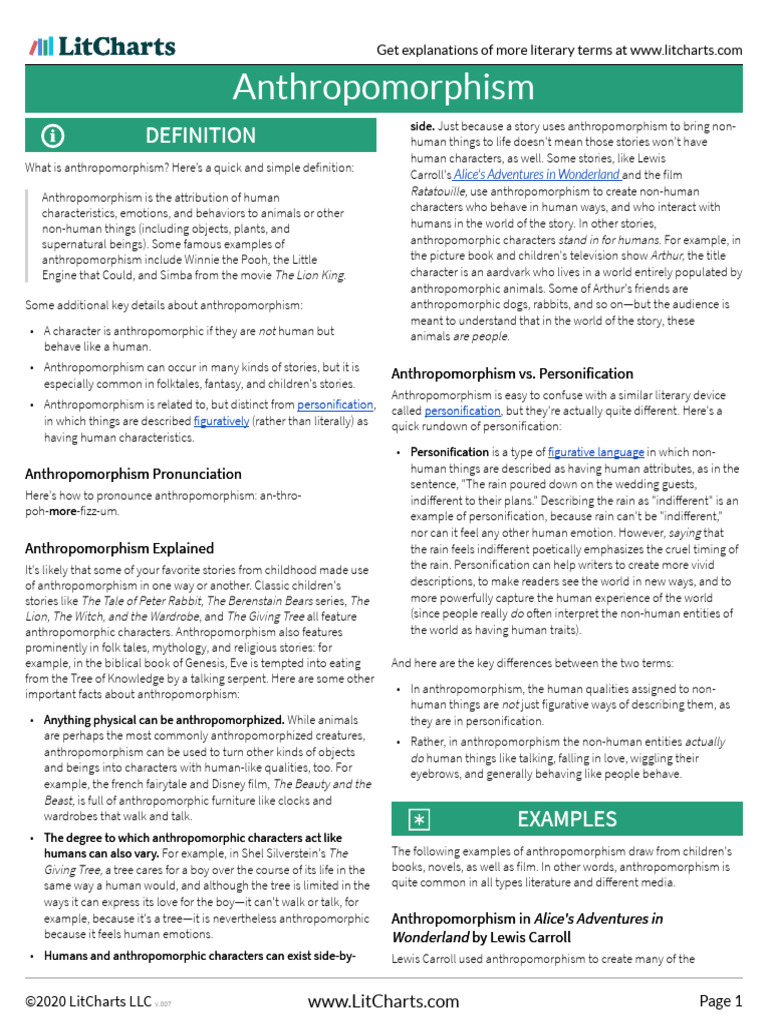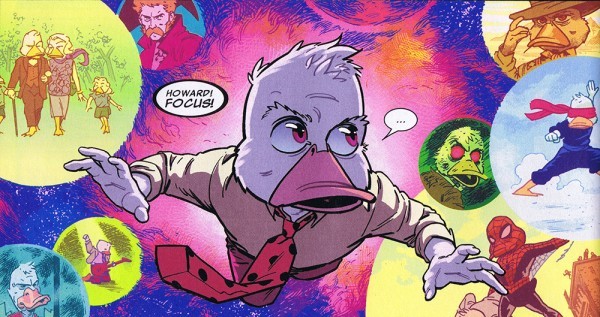
What if the key to unlocking deeper emotional connections in comics lies not in the characters themselves, but in the way they move, emote, and interact with the world? Anthropomorphism—the attribution of human traits to non-human entities—has long been a cornerstone of visual storytelling, but its impact on reader engagement is often underestimated. When a fox dons a trench coat and sips espresso at a café, or a sentient cloud glides through a neon-lit cityscape, something magical happens. The reader doesn’t just observe; they *feel*. This phenomenon transcends mere aesthetic appeal, weaving itself into the fabric of narrative immersion. But how exactly does anthropomorphism elevate comic storytelling, and what challenges does it present to creators seeking to harness its full potential?
The Alchemy of Relatability: How Humanizing Non-Humans Bridges Emotional Gaps
At its core, anthropomorphism is an alchemical process that transforms the unfamiliar into the familiar. By endowing inanimate objects, animals, or even abstract concepts with human-like qualities, comics create a bridge between the reader’s lived experience and the fantastical. Consider the subtle power of a teapot with rosy cheeks and a perpetual blush. Its exaggerated expressions—flustered steam puffs, slumped posture when ignored—mirror human emotions so precisely that readers instinctively empathize. This isn’t mere whimsy; it’s a narrative shortcut that bypasses cognitive barriers. Studies in cognitive psychology suggest that anthropomorphism triggers the brain’s mirror neuron system, which fires not only when we perform an action but also when we observe someone else doing it. When a comic’s protagonist—a sentient toaster, perhaps—burns its bread and sulks, the reader’s neurons hum in sympathetic resonance.
Yet, this emotional shortcut comes with a caveat. Over-reliance on anthropomorphism can dilute the uniqueness of non-human characters. If every creature in a comic world behaves like a caricature of human society, the story risks losing its sense of wonder. The challenge, then, is to strike a balance: humanize enough to foster connection, but retain enough strangeness to preserve the character’s essence. A well-crafted anthropomorphic character should feel like a guest in the human world, not a tourist who’s overstayed their welcome.
Dynamic Poses and the Language of Body: A Silent Dialogue with Readers
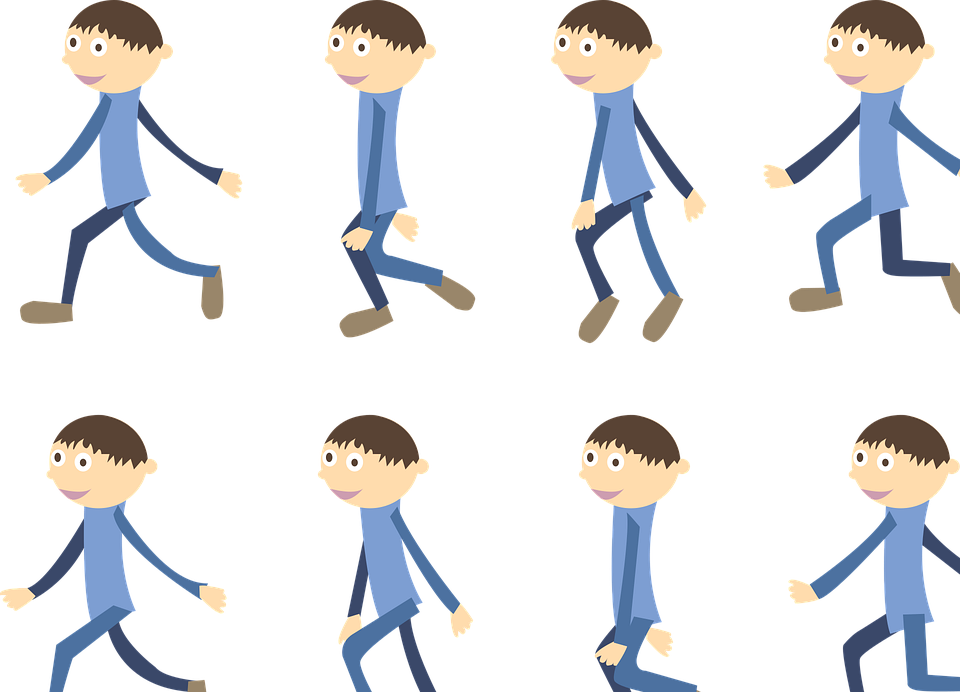
Poses in anthropomorphic comics are never arbitrary. They are a silent dialogue, a lexicon of body language that speaks volumes before a single word is uttered. A hunched back, averted gaze, or clenched fists can convey shame, defiance, or anxiety with surgical precision. The genius of anthropomorphism lies in its ability to amplify these cues. When a deer character clutches a coffee cup with both paws, the act of sipping becomes a performance of vulnerability. The reader doesn’t need exposition to understand that this creature is out of its depth in a human-dominated space.
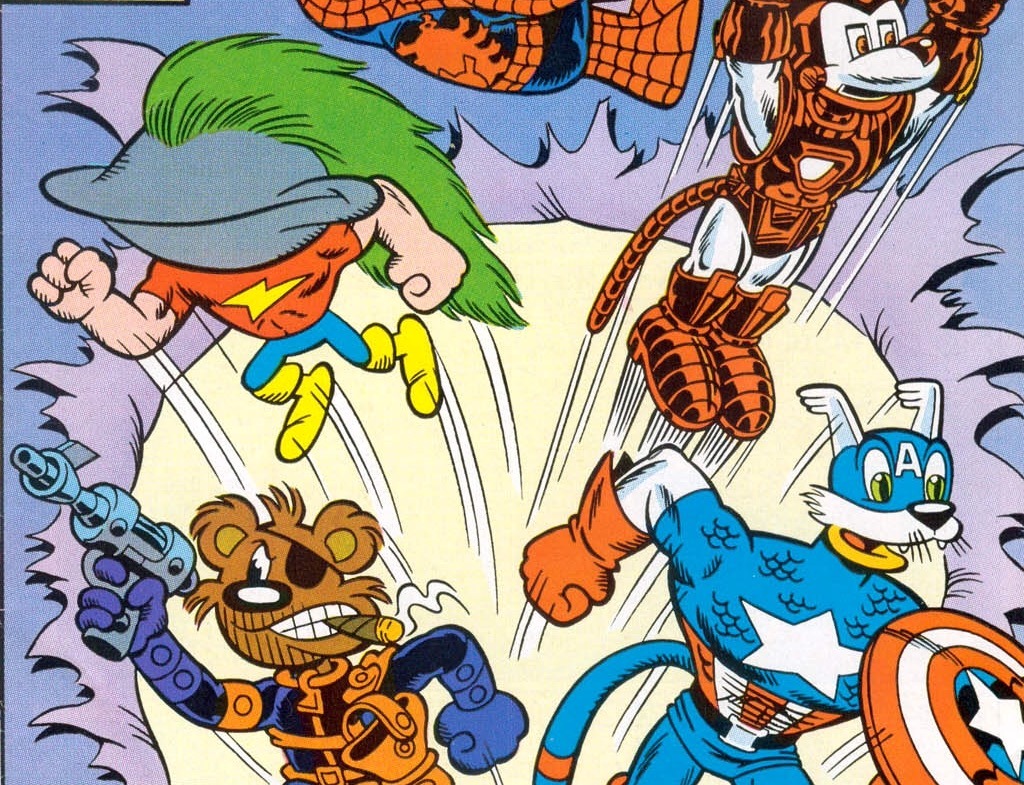
But poses are a double-edged sword. A poorly executed stance can tip into unintentional comedy or, worse, miscommunicate the intended emotion. The difference between a character slumping in defeat and one collapsing from exhaustion is often a matter of line weight, angle, and context. Creators must choreograph these visual beats with the same care as a film director blocking a scene. The challenge intensifies in dynamic action sequences, where anthropomorphic characters must convey motion while retaining their human-like expressiveness. A running wolf with exaggerated, spring-loaded limbs might evoke joy, but a stiff, robotic gait could undermine the narrative’s tone entirely.
The Paradox of the “Too Human” Trap: When Cuteness Overshadows Depth
Anthropomorphism walks a tightrope between enchantment and cliché. The most insidious pitfall? The “too human” trap, where characters lose their non-human quirks in favor of human mannerisms, rendering them indistinguishable from their two-legged counterparts. A sapient robot that blinks like a human, sighs like a human, and even *smiles* like a human risks becoming a hollow vessel for human drama. The solution lies in selective anthropomorphism—retaining enough of the character’s original form to remind the reader of their non-human nature. A cat with human hands might be charming, but a cat with *paws that occasionally manipulate objects* preserves its feline identity while still engaging in human-like activities.
This paradox extends to cultural and societal critiques embedded in anthropomorphic narratives. Comics like Zootopia or Animal Farm use anthropomorphism to explore prejudice, power structures, and identity, but the approach only works if the characters retain enough of their animalistic traits to ground the allegory. A pig in a suit is funny; a pig in a suit who still oinks when startled is profound. The challenge for creators is to wield anthropomorphism as a scalpel, not a sledgehammer—sharpening social commentary without blunting the character’s inherent strangeness.
The World-Building Quandary: Crafting Cohesive Anthropomorphic Universes
Anthropomorphism doesn’t just shape characters; it reshapes entire worlds. A comic set in a city where every streetlamp has a face and every puddle reflects a tiny, grumpy sky might be visually stunning, but it risks collapsing under the weight of its own absurdity if the rules governing this world aren’t clearly defined. Readers crave consistency, even in the most fantastical settings. The key is to establish a *logic* for anthropomorphism. Why do these objects or animals behave like humans? Is it magic? A cosmic accident? A societal norm in this universe? The moment the reader questions the internal rules, the spell of immersion is broken.
Consider the challenge of integrating anthropomorphic elements into a pre-existing genre. A noir detective story featuring a hard-boiled egg as the protagonist must navigate the tonal dissonance between gritty human drama and whimsical anthropomorphism. The solution often lies in *subtle* anthropomorphism—hints rather than overt declarations. A raincloud that drizzles dramatically when sad, or a sentient shadow that stretches unnaturally to eavesdrop, can ground the story in its genre while still leveraging the emotional power of human-like behavior.

The Uncanny Valley of Anthropomorphism: Navigating the Line Between Charming and Creepy
Not all anthropomorphism is created equal. The closer a character hews to human anatomy, the more susceptible it is to the uncanny valley effect—a phenomenon where near-human likenesses trigger discomfort rather than empathy. A humanoid fox with a slightly too-large head and unnaturally smooth skin might elicit revulsion instead of warmth. The challenge is to embrace the *suggestion* of humanity without crossing into the valley’s depths. Exaggerated features, stylized proportions, or even deliberate imperfections (a chipped tooth, a mismatched eye color) can humanize a character while preserving their non-human essence.
This is where the art of *selective* anthropomorphism becomes crucial. A character doesn’t need to be 100% human to feel relatable. A pair of eyes that follow the reader’s gaze, or a mouth that curves into a smile at the corners, can be enough to establish a human-like connection. The goal isn’t to create a perfect facsimile of humanity, but to evoke the *essence* of human emotion through the lens of the non-human.
Conclusion: The Enduring Magic of Anthropomorphic Storytelling
Anthropomorphism in comics is more than a stylistic choice; it’s a narrative superpower. It allows creators to explore the human condition through a kaleidoscope of non-human perspectives, from the stoic resilience of a mountain to the chaotic energy of a sentient storm. Yet, like any superpower, it demands responsibility. The line between enchanting and alienating is thin, and the difference often hinges on the creator’s ability to balance relatability with strangeness, emotion with logic, and whimsy with depth.
For readers, the reward is an experience that feels both intimate and expansive—a reminder that empathy isn’t bound by form, species, or even reality. For creators, the challenge is to wield this tool with precision, ensuring that every anthropomorphic flourish serves the story rather than distracts from it. In the end, the most compelling anthropomorphic comics are those that make the reader pause, tilt their head, and think: Wait, is this fox judging me? And in that moment, the magic of storytelling is complete.