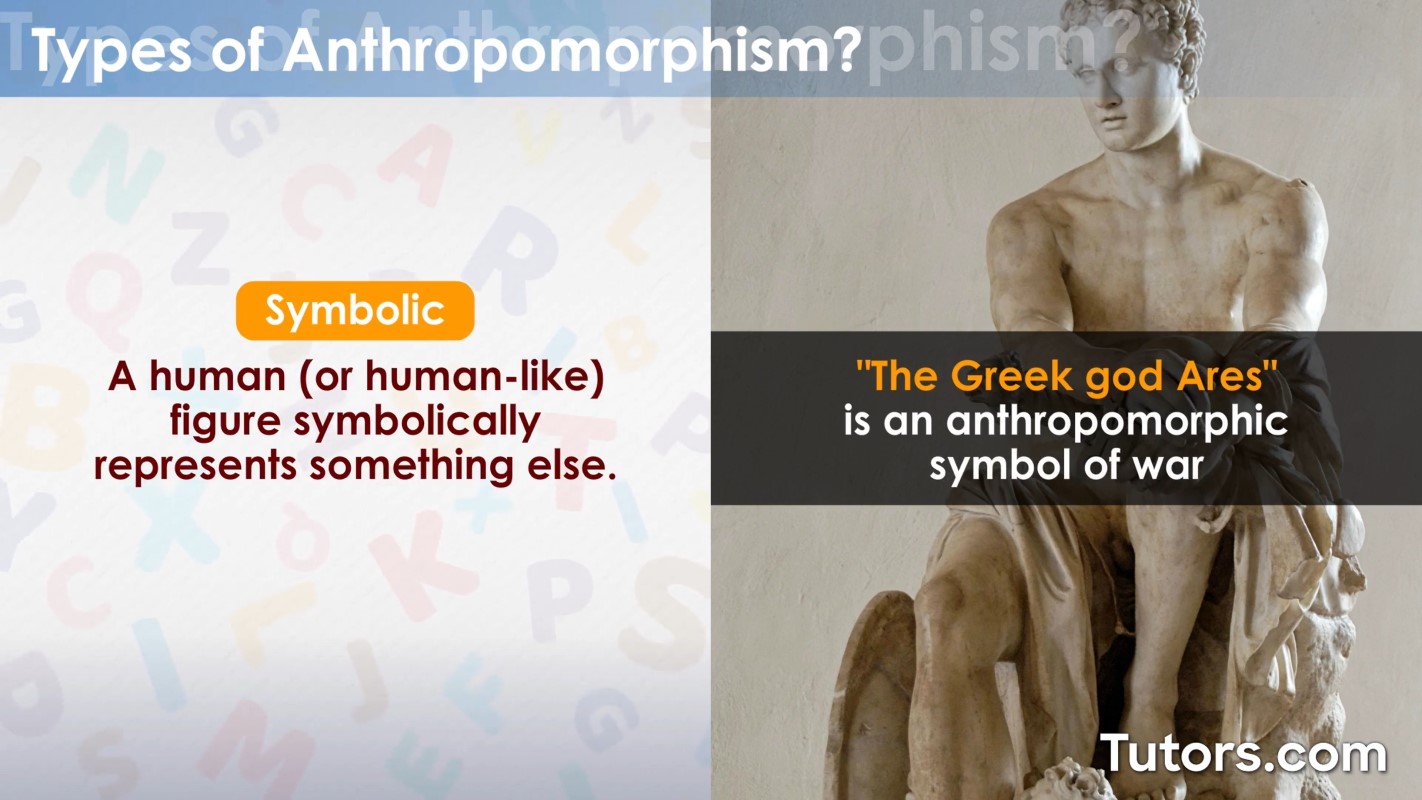
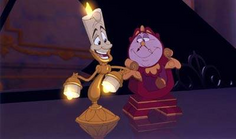
In the silent language of commerce, where every curve and contour of a product’s packaging whispers subliminal promises, a quiet revolution is unfolding. Anthropomorphism—the art of imbuing human traits into non-human entities—has quietly infiltrated the aisles of retail, transforming mundane boxes and bottles into silent brand ambassadors. When a cereal box smiles back at you, or a laundry detergent bottle flexes a “strong arms” motif, it’s not mere whimsy. It’s a calculated embrace of human psychology, a bridge between product and person. This subtle metamorphosis doesn’t just catch the eye—it captures the heart, and ultimately, the wallet. The question isn’t whether anthropomorphism in packaging affects sales. The question is: how deeply does it rewire consumer behavior, and what untapped potential lies in mastering this silent salesperson?
The Human Face of Inanimate Objects: Why We Relate to Packaging
At the core of anthropomorphism lies a fundamental human instinct: the drive to anthropomorphize. From ancient myths that gave voices to rivers and mountains to modern AI that feels “friendly,” we are wired to see ourselves in the world around us. Packaging, once a sterile vessel for function, now wears a human face—literally and metaphorically. A juice carton with a cheerful expression, a shampoo bottle with a determined stance, or a snack bag with a playful wink—each becomes a character in the consumer’s daily narrative. This isn’t just decoration. It’s an invitation to emotional engagement. Studies in consumer neuroscience reveal that anthropomorphized packaging triggers the brain’s reward centers, releasing dopamine not just from the product’s utility, but from the interaction itself. When we see a product “smile,” our mirror neurons fire, simulating a social bond. That bond, however fleeting, transforms a transaction into a relationship.
Consider the unassuming yogurt cup. A plain white tub conveys hygiene and simplicity. But when adorned with a cartoon cow wearing a chef’s hat, it becomes a story. The cow isn’t just a symbol—it’s a personality. It promises care, tradition, and perhaps even a touch of humor. This narrative layering doesn’t just inform; it entertains. And in an era where consumers scroll past thousands of ads daily, entertainment becomes a currency of attention. The more human the packaging feels, the more it stands out in a sea of indifference. It doesn’t just sell a product. It sells an experience—one that feels personal, even intimate.
From Features to Feelings: The Emotional Leap in Purchase Decisions
For decades, marketers relied on feature-benefit matrices: “Our detergent cleans 30% better.” “Our phone has a 120Hz screen.” But in a world saturated with data, feelings outperform facts. Anthropomorphism bridges this gap by converting cold specifications into warm narratives. A bottle of hand soap doesn’t just clean hands—it “protects your family’s health with gentle, caring arms.” The language shifts from mechanics to morality, from utility to virtue. This emotional leap is not superficial. It’s neurological. When packaging adopts human traits, it activates the brain’s social cognition network, the same circuitry we use to interpret human faces and voices. This activation primes consumers for trust and empathy, two emotions that significantly reduce purchase hesitation.
Take the case of children’s products. A juice box shaped like a superhero isn’t just a container—it’s a sidekick. It promises adventure, bravery, and shared joy. Parents don’t just buy nutrition; they buy into a story their child will love. The packaging becomes a silent co-seller, whispering promises of delight before the first sip is even taken. This emotional priming is especially potent in low-involvement categories like snacks or beverages, where differentiation is challenging. A product that feels “friendly” or “trustworthy” doesn’t just compete on shelf—it competes in the consumer’s emotional landscape. And in that landscape, loyalty is born.

The Trust Paradox: When Humanizing Packaging Builds Credibility
Anthropomorphism doesn’t just make products cute—it makes them credible. In an age of skepticism toward advertising and corporate messaging, a product that “speaks” with a human voice feels more authentic. When a vitamin bottle features a wise, bespectacled owl, it’s not just a mascot. It’s a symbol of wisdom and guidance. The owl doesn’t hype the product; it embodies its promise. This subtle shift from hype to humility builds credibility. Consumers, especially younger generations, are increasingly allergic to overt sales language. They crave authenticity, and anthropomorphism delivers it through personification rather than proclamation.
This credibility extends to crisis communication as well. When a brand faces a recall or a misstep, an anthropomorphized mascot can soften the blow. A cartoon character expressing regret or offering a solution feels less corporate and more human. It turns a PR disaster into a moment of connection. The mascot becomes a mediator between the brand and the consumer, humanizing the company’s response. In this way, anthropomorphism isn’t just a sales tool—it’s a shield against distrust. It reminds consumers that behind every product is a story, and behind every story is a personality worth believing in.
The Cultural Canvas: How Anthropomorphism Travels Across Borders
Yet, anthropomorphism is not a universal language. It dances across cultures with different rhythms. In Western markets, friendly mascots and smiling characters often dominate, reflecting values of approachability and individualism. In Japan, however, anthropomorphism often leans toward kawaii (cute) aesthetics, where products take on childlike, endearing forms to evoke warmth and protection. Meanwhile, in Middle Eastern markets, packaging may adopt more formal or spiritual personifications, such as bottles shaped like scholars or containers with calligraphic blessings. These cultural nuances aren’t arbitrary—they’re rooted in deep-seated values and social norms.
Brands that ignore this cultural canvas risk misfiring. A mascot that feels charming in New York might come across as condescending in Berlin. A product that smiles in Tokyo might feel infantilizing in Toronto. The key lies in understanding not just the visual language, but the emotional lexicon of each market. Anthropomorphism, when done right, becomes a cultural translator. It adapts the brand’s voice to resonate with local sensibilities, turning packaging into a bridge rather than a barrier. This localization isn’t just about aesthetics—it’s about respect. It signals that the brand sees its consumers not as targets, but as individuals with unique identities and values.
The Future of Packaging: From Static to Sentient
As technology evolves, so too does the potential of anthropomorphism in packaging. We’re moving beyond static illustrations and toward dynamic, interactive designs. Imagine a cereal box that “winks” when picked up, or a shampoo bottle that “nods” in approval when the cap is twisted correctly. Augmented reality (AR) is already making this possible, turning packaging into a gateway for immersive storytelling. A simple scan could reveal a character stepping out of the box, introducing itself, and sharing the product’s journey from farm to shelf. This isn’t just packaging—it’s a performance.
Even more intriguing is the rise of AI-driven packaging. Smart labels could adapt their “expressions” based on consumer demographics or even mood. A tired parent might see a soothing, calming character on a baby formula box, while a fitness enthusiast sees a dynamic, energetic figure on a protein powder container. The packaging becomes a chameleon, shifting its persona to meet the consumer where they are. This level of personalization doesn’t just enhance sales—it redefines the very nature of consumer-brand interaction. Packaging is no longer a silent servant. It’s a responsive companion, evolving with every touch.
Ethical Considerations: The Fine Line Between Charm and Manipulation
Yet, with great power comes great responsibility. Anthropomorphism, when wielded carelessly, can tip into manipulation. A mascot that promises more than the product delivers risks eroding trust. A character that feels overly intrusive or infantilizing can alienate rather than attract. The line between charm and deception is thin, and brands must tread carefully. Ethical anthropomorphism isn’t about tricking consumers into buying. It’s about creating genuine connections that enhance the product’s value. It’s about using human traits not to deceive, but to illuminate.
Transparency becomes crucial. When a product “smiles,” it should reflect a truth about the brand—its values, its care, its commitment. Misleading anthropomorphism isn’t just bad marketing; it’s a breach of trust. Consumers today are more discerning than ever. They can spot inauthenticity from a mile away. The most effective anthropomorphism feels earned, not forced. It grows from a deep understanding of the product’s essence and the consumer’s desires. When done ethically, it doesn’t just boost sales—it builds communities. It turns customers into fans, and fans into advocates.
Conclusion: The Silent Salesperson That Speaks Volumes
Anthropomorphism in packaging is more than a trend—it’s a transformation. It’s the quiet revolution that turns products into personalities, transactions into relationships, and shelves into stages. In a world where consumers are bombarded with choices, the packaging that feels human stands out. It doesn’t just sell a product; it sells an identity, a promise, a story. It turns the mundane into the memorable, and the ordinary into the extraordinary.
As we move forward, the brands that thrive will be those that master this silent language. They will craft packaging that doesn’t just catch the eye, but captures the heart. They will create characters that don’t just sell, but connect. And in doing so, they will redefine not just what we buy, but why we buy. The future of sales isn’t in louder ads or brighter colors. It’s in the subtle art of making the inanimate feel alive—and in making the consumer feel seen.

![Case Study: How [Brand] Used Anthropomorphism to Go Viral](https://anthropomorphism.org/wp-content/uploads/2026/05/brand-case-study-tony-chocolonely.jpg)