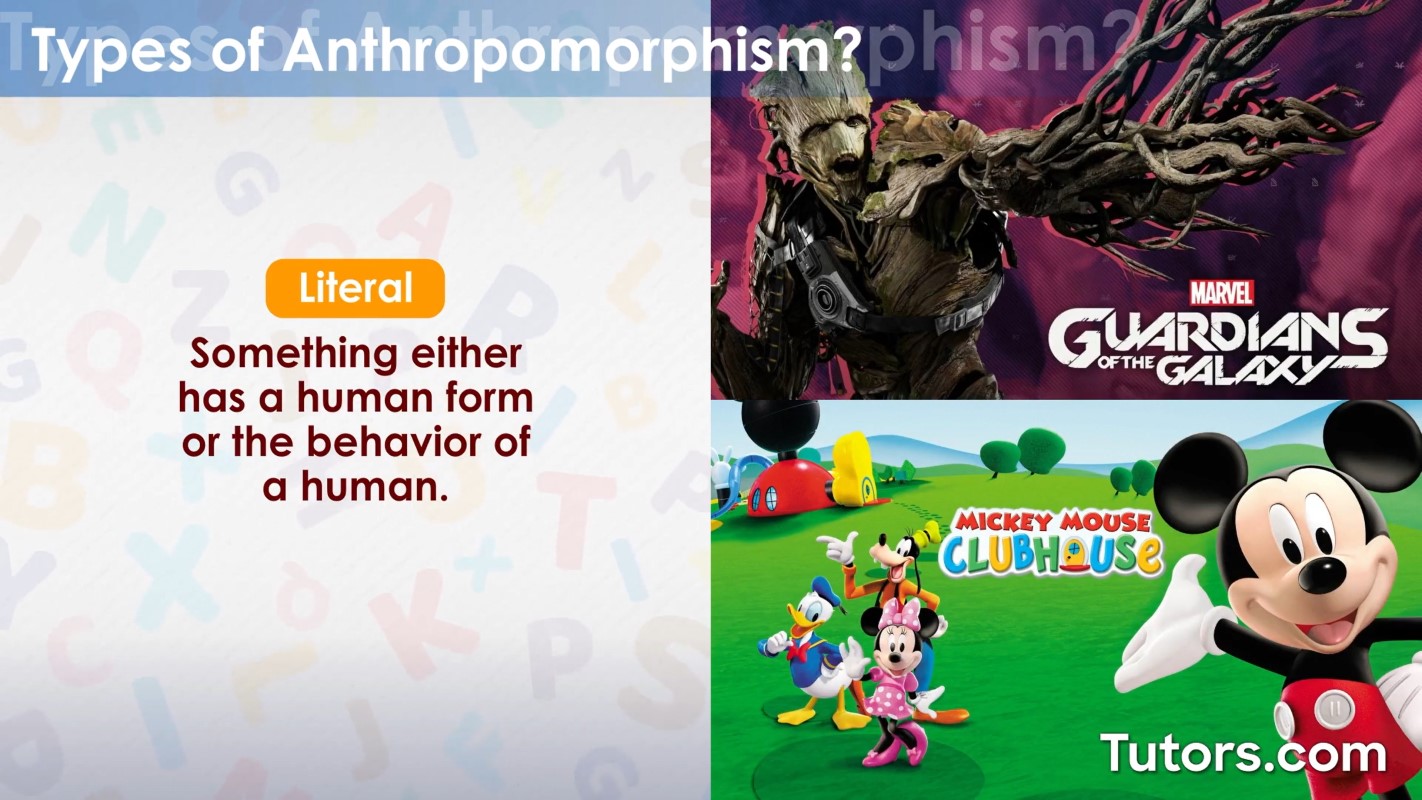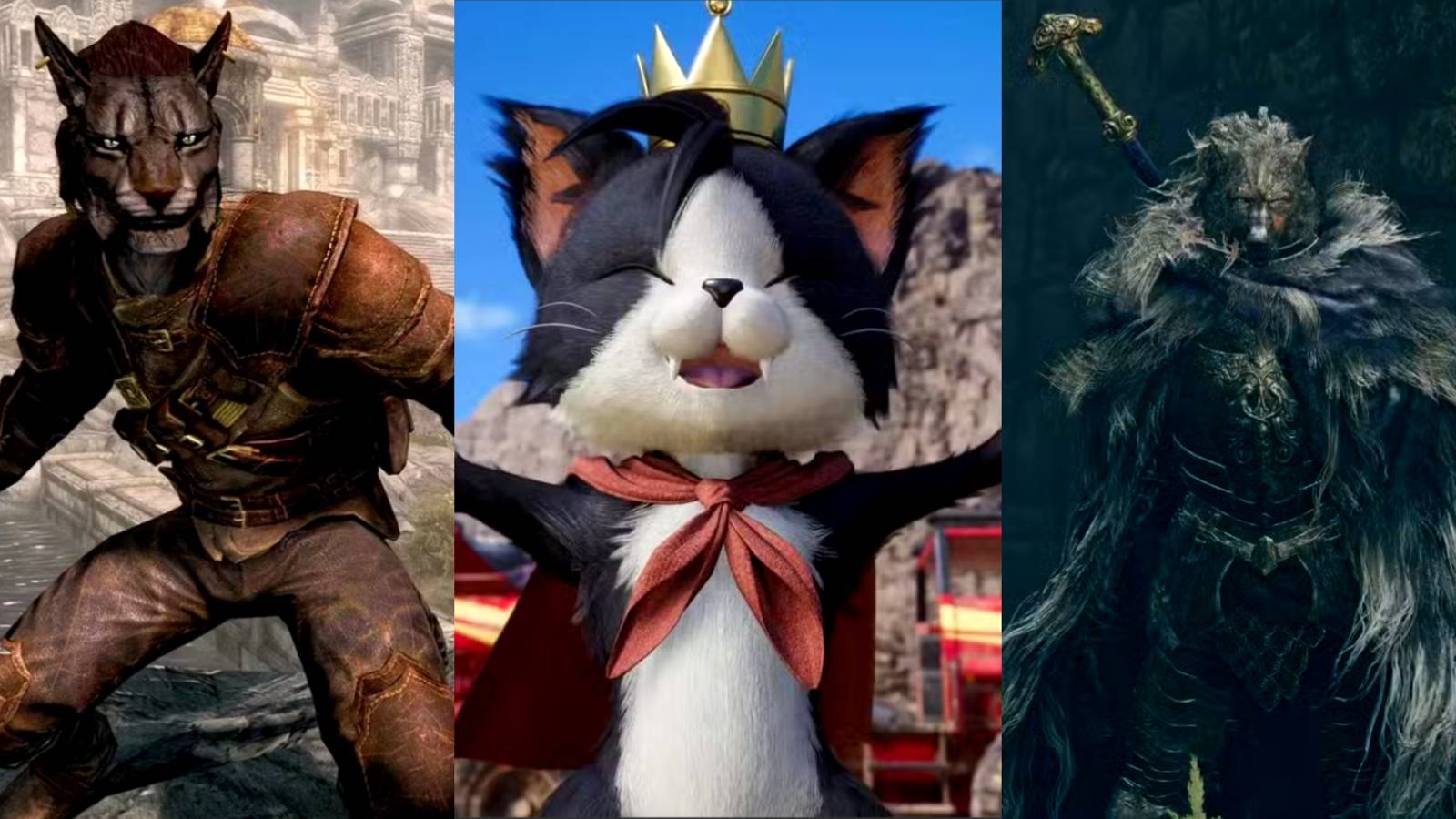
In the vast and vibrant landscape of gaming, anthropomorphic characters—those captivating beings that blend human traits with animalistic features—serve as more than mere visual spectacles. They are psychological bridges, emotional anchors, and narrative catalysts, shaping player experiences in ways that transcend the boundaries of traditional storytelling. From the cunning fox clad in armor to the wise old owl perched on a throne, these characters invite players into worlds where empathy and adventure intertwine. Their presence is not accidental; it is a carefully crafted fusion of artistry and psychology, designed to resonate with our deepest instincts and desires.
The Allure of the Familiar: Why We Connect with Anthropomorphic Characters
At the heart of our fascination with anthropomorphic characters lies a paradox: they are both alien and familiar. By merging human expressions with animalistic forms, they tap into a primal cognitive mechanism known as schemata—mental frameworks that help us process and interpret the world. When a character like Sonic the Hedgehog dashes across the screen with human-like determination, we recognize his emotions instantly, even if his species is fantastical. This cognitive shortcut allows players to suspend disbelief effortlessly, forging an immediate emotional connection.
Moreover, anthropomorphism exploits our innate tendency to anthropocentrism—the belief that human traits are the default lens through which we understand all beings. A character like Ratchet from *Ratchet & Clank* embodies this principle; his exaggerated, cartoonish human gestures amplify his relatability, despite his mechanical augmentations. The psychology here is profound: we don’t just see these characters as animals or machines; we see reflections of ourselves, stripped of the constraints of reality.
Emotional Resonance: The Power of Expressive Design
Anthropomorphic characters thrive on expressiveness, and their design is a masterclass in visual storytelling. Consider the uncanny valley—that unsettling zone where a character’s realism teeters on the edge of discomfort. Yet, anthropomorphic characters often sidestep this pitfall by embracing stylization. A character like Stitch from *Lilo & Stitch* distills complex emotions—joy, anger, loneliness—into exaggerated facial expressions that are impossible to misinterpret. This deliberate exaggeration ensures that players grasp a character’s emotional state at a glance, fostering instant empathy.
Color psychology also plays a pivotal role. Warm hues like gold or red might signify courage and passion, while cool blues or greens could evoke tranquility or mystery. In games like *Animal Crossing*, the pastel palettes of characters like Blathers the owl subconsciously signal approachability, encouraging players to engage in dialogue and community-building. The interplay of form and color creates a silent language, one that communicates volumes without a single word.
Narrative Depth: How Anthropomorphism Enhances Storytelling
Beyond aesthetics, anthropomorphic characters serve as narrative linchpins, their dual nature enabling storytellers to explore themes that resonate universally. A character like Geralt of Rivia from *The Witcher* series, though technically a human, embodies the archetype of the “beast within”—a metaphor for the struggle between civilization and primal instincts. His gruff demeanor and animalistic combat style blur the line between man and monster, inviting players to ponder the duality of human nature.
In contrast, characters like the Pokémon Pikachu transcend language barriers entirely. Their simple, iconic designs—large eyes, rounded features—activate the baby schema, a psychological trigger that evokes protective instincts. This design choice ensures that players, regardless of cultural background, feel compelled to nurture and care for these creatures, deepening their investment in the game’s world.
Anthropomorphism also allows for allegorical storytelling. In *Okami*, the protagonist Amaterasu is a celestial wolf who embodies the Shinto goddess of the sun. Her journey to restore life to a blighted land mirrors humanity’s eternal struggle against chaos, but her animal form grants the narrative a mythic, timeless quality. The fusion of folklore and gameplay creates a tapestry where players don’t just witness a story—they become part of a living legend.

Gameplay Mechanics: How Anthropomorphism Influences Player Interaction
The design of anthropomorphic characters isn’t just about aesthetics—it directly shapes gameplay mechanics and player agency. Characters with heightened senses, like the fox protagonists in *Okami* or *Fable*, often grant players abilities that feel both fantastical and intuitive. A fox’s keen hearing or night vision can be translated into in-game mechanics, such as detecting hidden enemies or navigating dark environments. This synergy between character design and gameplay creates a cohesive experience where form and function are inseparable.
Moreover, anthropomorphic characters often embody archetypal roles that players instinctively recognize. The wise mentor (e.g., Daxter from *Jak and Daxter*), the trickster (e.g., Sly Cooper), or the noble warrior (e.g., Kratos in his early *God of War* iterations) tap into Jungian psychology, providing players with familiar narrative touchstones. These archetypes act as psychological shortcuts, guiding players through the game’s challenges with a sense of purpose and direction.
In multiplayer games, anthropomorphism can foster social dynamics. Characters like the Mii fighters in *Super Smash Bros.* allow players to project their identities onto customizable avatars, blending self-expression with communal competition. The animalistic or fantastical elements of these designs encourage players to adopt personas, whether it’s the cunning fox or the stoic dragon, thereby enriching the social fabric of the game.
The Dark Side of Anthropomorphism: Ethical and Psychological Considerations
While anthropomorphic characters often evoke warmth and nostalgia, their design can also raise ethical questions. The Disneyfication of animal traits—where predators are portrayed as villainous and prey as innocent—can reinforce harmful stereotypes. Characters like Scar from *The Lion King* or the wolves in *Red Dead Redemption* often embody greed or savagery, perpetuating a narrative where animals are reduced to simplistic moral symbols. This can subtly influence players’ perceptions of real-world species, blurring the line between fiction and fact.
Psychologically, over-reliance on anthropomorphism can also lead to over-identification, where players project human emotions onto non-human entities to an unhealthy degree. Games like *Nintendogs* or *Tamagotchi* capitalize on this, creating virtual pets that players care for as if they were real. While this can foster empathy, it may also lead to emotional dependency, particularly in younger players who struggle to distinguish between virtual and real-world relationships.
Additionally, the uncanny valley phenomenon isn’t entirely avoidable. Characters that attempt to straddle the line between human and animal—such as the infamous *Sonic the Hedgehog* movie designs—can inadvertently evoke discomfort rather than connection. The key lies in balancing stylization with consistency, ensuring that a character’s design aligns with the game’s tone and narrative goals.
Cultural and Historical Perspectives: Anthropomorphism Across the Ages
The use of anthropomorphic characters is not a modern invention; it spans millennia and cultures. Ancient civilizations like the Egyptians deified animals, with gods like Anubis (the jackal-headed deity of the afterlife) embodying both human wisdom and animalistic ferocity. In Japanese folklore, the *tanuki* (raccoon dog) and *kitsune* (fox) are shapeshifters who blur the boundaries between trickster and sage, reflecting the duality of human nature.
In gaming, this historical tapestry is woven into contemporary designs. The *Yokai* in *Nioh* or the *Kitsune* in *Okami* draw from centuries-old traditions, infusing modern gameplay with cultural depth. Even Western games like *Horizon Zero Dawn* incorporate Native American motifs through the character of Aloy, whose journey echoes the archetypal hero’s quest while paying homage to indigenous storytelling.
This cross-cultural resonance highlights a universal truth: anthropomorphism is a language that transcends borders. Whether through the mythic beasts of ancient lore or the pixelated heroes of modern indie games, these characters remind us that the stories we tell—and the beings we create—are reflections of our shared humanity.
Conclusion: The Enduring Magic of Anthropomorphic Characters
Anthropomorphic characters are more than just a visual trend; they are psychological mirrors, narrative vessels, and gameplay catalysts. Their ability to evoke empathy, simplify complex emotions, and bridge cultural divides makes them indispensable to the gaming landscape. From the heroic foxes of *Star Fox* to the enigmatic creatures of *Horizon*, these characters invite players to explore worlds where the boundaries between human and animal, reality and fantasy, are delightfully porous.
As gaming continues to evolve, so too will the role of anthropomorphism. Emerging technologies like virtual reality and AI-driven character design promise to deepen the connection between players and their digital companions. Yet, the core appeal remains unchanged: the magic of seeing ourselves in the eyes of another—whether that other is a wolf, a fox, or a dragon. In this alchemy of art and psychology, anthropomorphic characters remind us that the most compelling stories are those that make the unfamiliar feel like home.