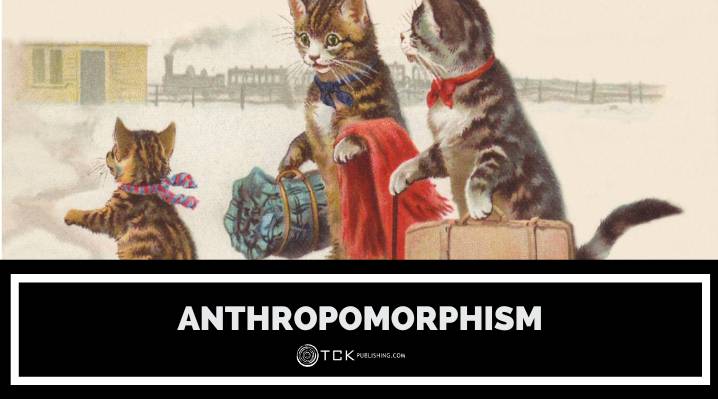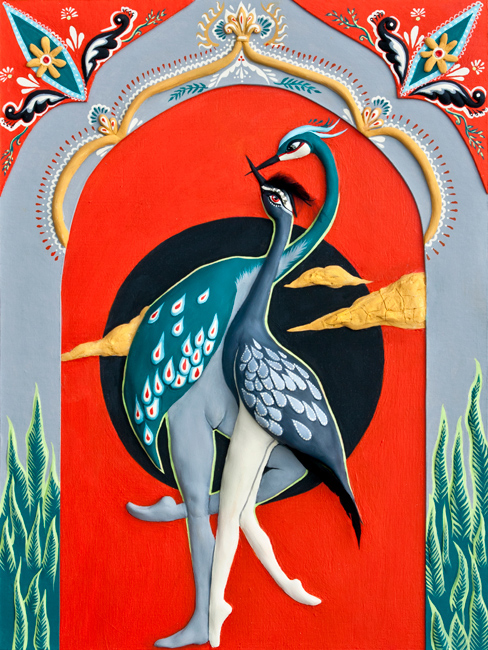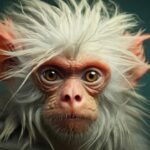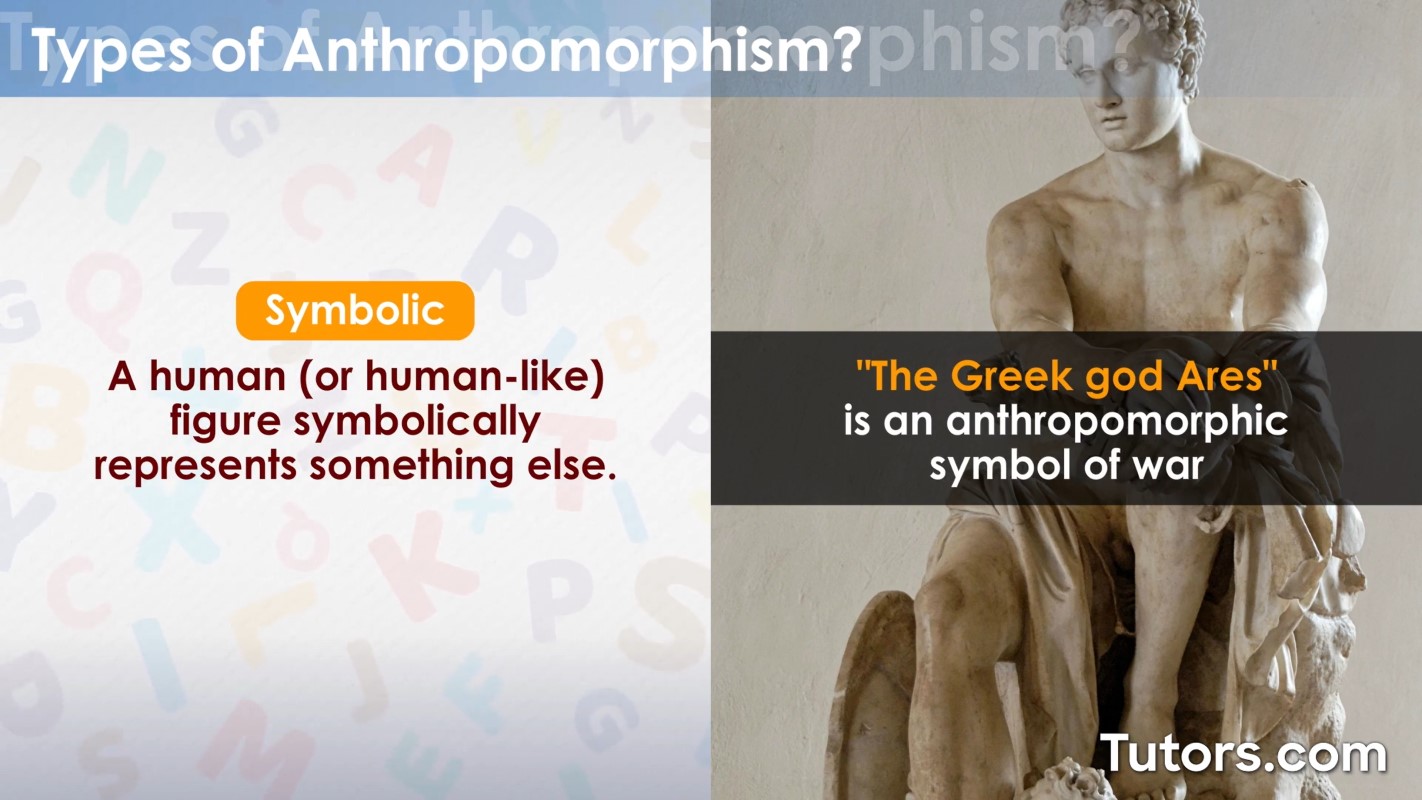
What if the key to unlocking humanity’s empathy for animals lies not in cold, hard facts, but in the whimsical dance of anthropomorphism—the art of ascribing human traits to non-human beings? This playful yet profound question sits at the heart of modern animal rights movements, where the line between reality and imagination blurs to stir moral awakening. Anthropomorphism isn’t just a literary device or a child’s fantasy; it’s a potent tool that activists wield to bridge the chasm between species, transforming abstract suffering into relatable narratives. Yet, as we delve into its role, we must also confront a paradox: while it can ignite compassion, it risks distorting the very truths it seeks to illuminate. How, then, do we harness its power without losing sight of the animals themselves?
The Alchemy of Empathy: How Anthropomorphism Transforms Perception
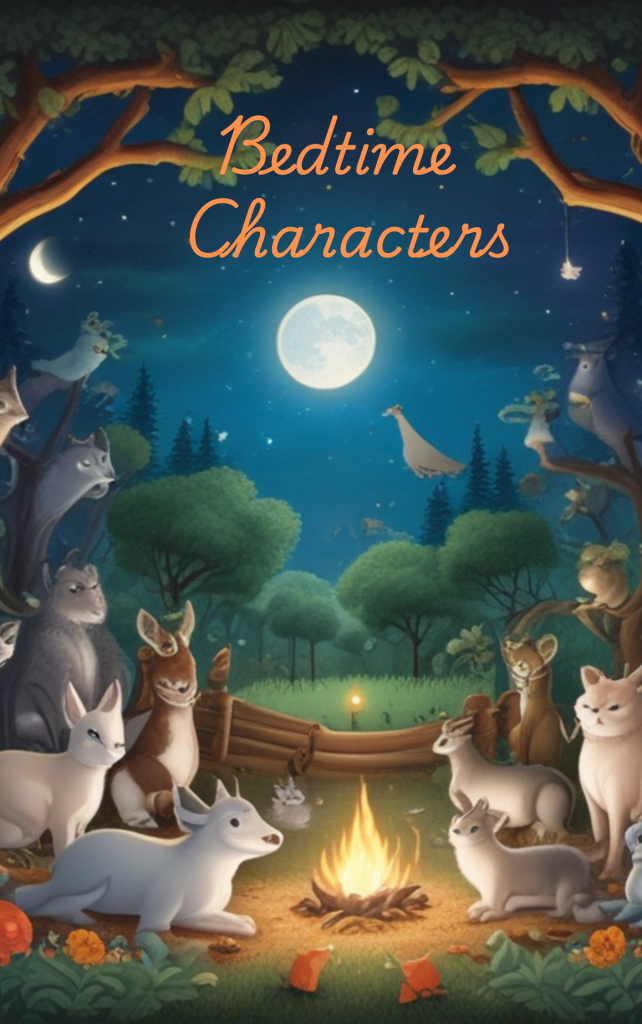
Anthropomorphism acts as a cognitive bridge, collapsing the distance between human and animal experiences. When a campaign features a cow wearing a tiny apron in a kitchen, or a fox donning a chef’s hat to “cook” its own demise, it doesn’t just entertain—it invites viewers to project their own emotions onto the subject. This transference of human feelings—joy, sorrow, indignation—into animal forms creates an emotional resonance that data alone cannot achieve. Studies in neuroscience suggest that our brains process anthropomorphized images with heightened activity in the medial prefrontal cortex, the region associated with social cognition and empathy. In essence, we don’t just *see* an animal; we *recognize* a kindred spirit.
Consider the viral campaigns that depict pigs as doting mothers or elephants as wise elders. These portrayals tap into universal human experiences—parental love, wisdom, camaraderie—making the abstract cruelty of factory farming or habitat destruction feel tangible. The strategy isn’t new; ancient cultures revered animal deities, and fables like Aesop’s have long used animals to critique human behavior. Today, however, anthropomorphism has evolved into a calculated tool, meticulously designed to bypass the analytical mind and strike at the heart. The challenge? Ensuring that this emotional connection doesn’t devolve into sentimentality, where the animal’s true nature is overshadowed by our projections.
The Double-Edged Sword: When Empathy Becomes Distortion
Yet for all its power, anthropomorphism is a double-edged sword. The same mechanism that fosters empathy can also distort reality, presenting animals as mere caricatures of human experience. When a campaign portrays a chicken as a “happy” farm resident, it risks trivializing the animal’s complex cognitive and emotional life. Chickens, for instance, exhibit problem-solving skills, social hierarchies, and even emotional trauma—traits often ignored in favor of cutesy anthropomorphic tropes. This oversimplification can lead to a dangerous complacency: if animals are merely “funny” or “relatable” versions of humans, does their suffering lose its gravity?
The ethical dilemma deepens when anthropomorphism is weaponized. Some industries exploit this trope to whitewash their practices, as seen in advertisements where cows smile while being milked or pigs frolic in idyllic pastures. The cognitive dissonance is stark: the same technique that activists use to evoke outrage is repurposed to lull consumers into complacency. This paradox forces us to ask: Is anthropomorphism a Trojan horse, sneaking empathy into hearts only to be repurposed for profit? The answer lies in the intent behind its use—whether it serves the animal or the agenda.
The Art of Subversion: Anthropomorphism as a Radical Tool
Despite its pitfalls, anthropomorphism remains one of the most radical tools in the animal rights arsenal. When deployed with intention, it doesn’t just humanize animals—it *decolonizes* the human gaze, forcing society to confront its own hypocrisies. Take, for example, the “Earthlings” documentary, which uses stark, unflinching footage of animal suffering. Yet even here, anthropomorphic undertones creep in: the film’s narrative structure mirrors a courtroom drama, with animals as the wronged plaintiffs and humans as the accused. This framing doesn’t just inform; it indicts.
Activists have also turned anthropomorphism on its head, using it to expose the absurdity of speciesism. Campaigns like “The Meatrix,” a parody of *The Matrix*, cast animals as rebels fighting against a dystopian human regime. By inverting the power dynamic, these narratives challenge viewers to question why we grant moral consideration to some animals (pets, charismatic megafauna) but not others (livestock, lab subjects). The subversion lies in the irony: if we can laugh at a cow dodging a tractor beam, why can’t we laugh at the idea of a cow being a mere commodity?
The Cognitive Dissonance of the Modern Activist
For the modern animal rights activist, anthropomorphism is a necessary evil—a tool that must be wielded with precision. The challenge is twofold: first, to avoid reducing animals to one-dimensional characters, and second, to ensure that the empathy it fosters translates into tangible action. This requires a delicate balance between storytelling and education. A campaign that features a cartoonish rabbit mourning its fallen forest home might tug at heartstrings, but it must also provide clear pathways for change—petitions, boycotts, or legislative advocacy.
The cognitive dissonance arises when we realize that anthropomorphism, while powerful, is not a substitute for systemic change. It can inspire individuals to adopt plant-based diets or donate to sanctuaries, but it cannot dismantle the industrial complexes that profit from animal exploitation. Here, the role of anthropomorphism shifts from protagonist to catalyst—a spark that must ignite a larger fire of structural reform. The question then becomes: How do we ensure that the empathy it sparks doesn’t flicker out in the face of apathy?
The Future of Anthropomorphism in Animal Advocacy
As technology advances, so too does the potential of anthropomorphism. Virtual reality (VR) campaigns now immerse viewers in the lives of animals, allowing them to “experience” a day in the life of a battery hen or a circus elephant. These immersive narratives blur the line between fiction and reality, making the abstract visceral. Yet, with this power comes responsibility. Will VR anthropomorphism deepen our connection to animals, or will it further entrench the idea that their worth is tied to their relatability to humans?
The future may lie in a hybrid approach—one that combines anthropomorphism with rigorous scientific education. Imagine a campaign where a playful animated fox teaches viewers about the cognitive abilities of real foxes, or a VR experience that juxtaposes an anthropomorphized pig’s “dream life” with the grim reality of factory farming. By layering empathy with facts, activists can create a more nuanced narrative that honors the animal’s true nature while still leveraging the emotional pull of anthropomorphism.

The Unanswered Question: Can Anthropomorphism Ever Be Truly Ethical?
At its core, the debate around anthropomorphism in animal rights circles circles back to a fundamental question: Is it ethical to use human traits to represent non-human beings, even if it serves a greater moral purpose? Some argue that any form of anthropomorphism is inherently exploitative, reducing animals to mere vessels for human emotion. Others counter that, in a world where human dominance is the default, anthropomorphism is the only language that can reach people. The answer may lie in the intent and execution—whether the animal’s dignity is preserved or sacrificed at the altar of sentimentality.
Perhaps the solution isn’t to abandon anthropomorphism altogether, but to refine it. To use it not as a crutch, but as a bridge—one that connects human hearts to animal realities without collapsing the distance entirely. The goal isn’t to make animals *more* like us, but to make us *more* like them: more attuned to their suffering, more respectful of their autonomy, and more willing to act on their behalf. In the end, anthropomorphism may be the spark, but it is the fire of action that will truly change the world for animals.