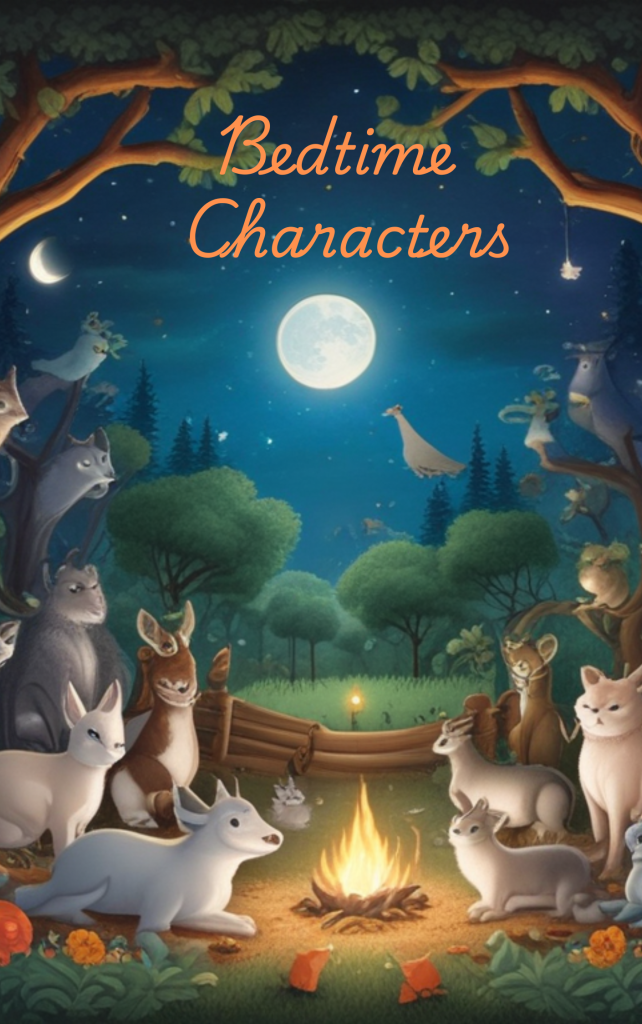
In the hushed glow of a child’s bedroom, where shadows stretch like silent sentinels and the night air hums with the quiet rhythm of breath, stories take on a life of their own. These are not mere tales—they are portals. Portals that transport young listeners into realms where teapots brew wisdom, where foxes wear waistcoats, and where the moon itself whispers secrets to the stars. This is the alchemy of anthropomorphism in bedtime stories: the art of endowing the inanimate, the animal, and the abstract with human traits, intentions, and emotions. It is more than whimsy; it is a narrative sleight of hand that reshapes perception, softens reality, and invites children to see the world—and themselves—through a lens both familiar and fantastical.
The Gateway to Empathy: How Talking Animals Teach Compassion
Consider the fox who outwits a lumberjack, the bear who befriends a lost cub, or the owl who dispenses sagacity from a gnarled branch. These characters are not just creatures of the wild; they are mirrors. Through anthropomorphism, bedtime stories transform animals into emotional cartographers, guiding children through the labyrinth of human feelings without the weight of direct confrontation. A child who pities the lonely dragon in a story learns, by proxy, to recognize loneliness in a classmate. A tale where a river pleads for mercy teaches the listener to hear the unspoken pleas of nature. This is empathy in its most tender form—an inoculation against indifference, delivered not as a lecture, but as a lullaby.
The genius lies in the disguise. By cloaking moral lessons in fur, feathers, or foliage, stories bypass the child’s natural skepticism. A talking rabbit isn’t just a rabbit; it is a confidant, a teacher, a friend. And when that rabbit stumbles, the child feels the stumble too. This emotional transference is the bedrock of empathy, and it flourishes in the fertile soil of anthropomorphic narratives.
The Softening of Fear: Monsters That Wear Smiles
What child has not trembled at the thought of the dark? Yet, in the realm of anthropomorphism, even the dark can be coaxed into conversation. A shadow that stretches too long becomes a shy creature, a closet monster transforms into a clumsy giant who just wants a hug. This is the gentle subversion of fear—a tactic as old as storytelling itself. By humanizing the feared, bedtime stories disarm its power. The unknown becomes known. The monstrous becomes merely misunderstood.
Consider the classic tale of the Big Bad Wolf. Once a symbol of predatory danger, he is recast in modern retellings as a lonely figure, desperate for companionship. The child who once hid under blankets now pities the wolf. The fear has not vanished—it has been reframed. This psychological sleight of hand is not manipulation; it is liberation. It teaches children that even the things that scare them can be approached, understood, and, in time, befriended.
The Mirror of the Self: When Objects Come to Life
Inanimate objects, too, find voices in the quiet hours. A teapot sings, a clock ticks with urgency, a broom sweeps with purpose. These are not mere inanimates brought to life; they are reflections of the child’s own world, magnified and personified. A child who struggles to tidy their room may find solace in a story where a dustpan and brush dance in harmony, where every sock finds its mate. The lesson is not preached—it is lived, vicariously, through the teapot’s cheerful whistle or the lamp’s steady glow.
This anthropomorphic dance with objects serves another purpose: it demystifies the child’s environment. A vacuum cleaner is no longer a roaring menace but a creature of habit, a clock no longer a tyrant but a patient friend. The world becomes less alien, more negotiable. The child learns that even the most mundane can harbor magic—or at the very least, a story worth telling.
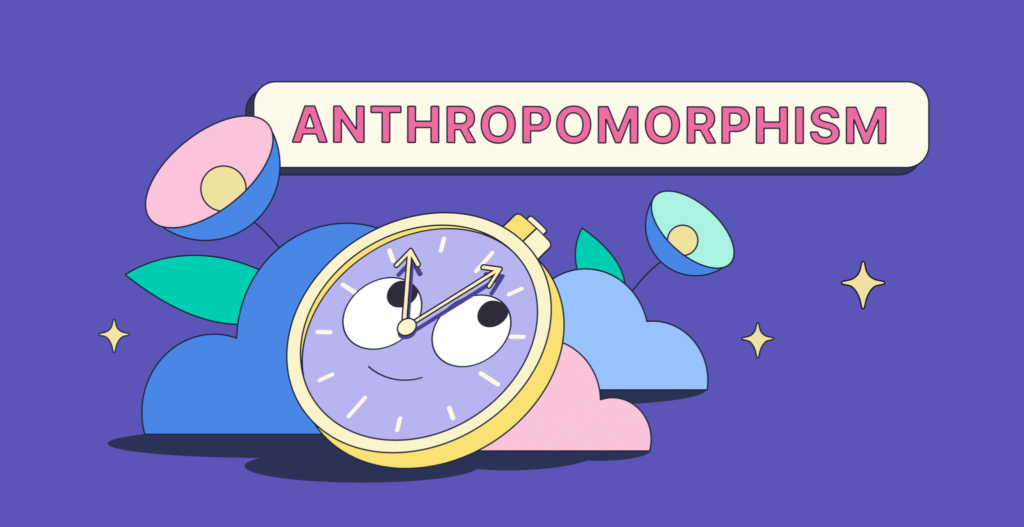
The power of these narratives lies in their ability to make the abstract tangible. A child who fears the dark does not need a lecture on bravery; they need a story where the dark itself is a character, perhaps a shy one, perhaps one who just needs a lantern to feel at home. Anthropomorphism bridges the gap between the child’s inner world and the outer chaos of existence.
The Bridge to Moral Reasoning: Lessons Wrapped in Whimsy
Bedtime stories are not just entertainment; they are the first classrooms of ethics. Yet children resist didacticism like cats resist baths. Enter anthropomorphism—a Trojan horse for morality. A greedy dragon hoards gold not because he is evil, but because he is afraid. A dishonest crow learns the cost of vanity when his feathers are ruffled by the wind. These are not moral fables in disguise; they are moral truths rendered in flesh and fur.
The genius of this approach is its subtlety. The child does not feel lectured; they feel intrigued. The story becomes a puzzle, and the child, the solver. When the dishonest crow repents, the child does not recoil from the lesson—they lean in, eager to understand why the crow changed. This is the birth of moral reasoning: not through fear of punishment, but through curiosity about consequence.
Anthropomorphism also allows for the exploration of complex emotions in a safe space. A child who feels anger but does not know how to name it may find a kindred spirit in a storm cloud that rumbles with frustration. The storm cloud does not judge; it simply is. And in its being, the child finds permission to feel, to express, to understand. The lesson is not lost—it is lived.
The Lullaby of the Unseen: Giving Voice to the Voiceless
There is a quiet revolution in giving voice to the voiceless. The wind that howls through the trees becomes a storyteller. The river that carves through stone becomes a philosopher. The stars that blink in the night sky become conspirators in a grand celestial joke. This is not mere poetic license; it is an acknowledgment of the child’s innate sense that the world is alive, even when adults insist it is not.
Anthropomorphism in bedtime stories is, at its core, an act of radical inclusion. It says to the child: you are not alone in sensing that the world is more than it seems. The trees whisper. The mountains watch. The moon keeps secrets. And if the world can be alive, then so too can the child’s imagination. This is the true promise of anthropomorphism—not just to entertain, but to validate the child’s perception of a world brimming with unseen life and untold stories.
In this way, bedtime stories become more than a ritual of sleep; they are a ritual of awakening. They teach the child to listen—to the fox’s cunning, to the teapot’s song, to the shadow’s sigh. And in listening, the child learns to see the world not as a collection of objects and forces, but as a tapestry of stories waiting to be told.