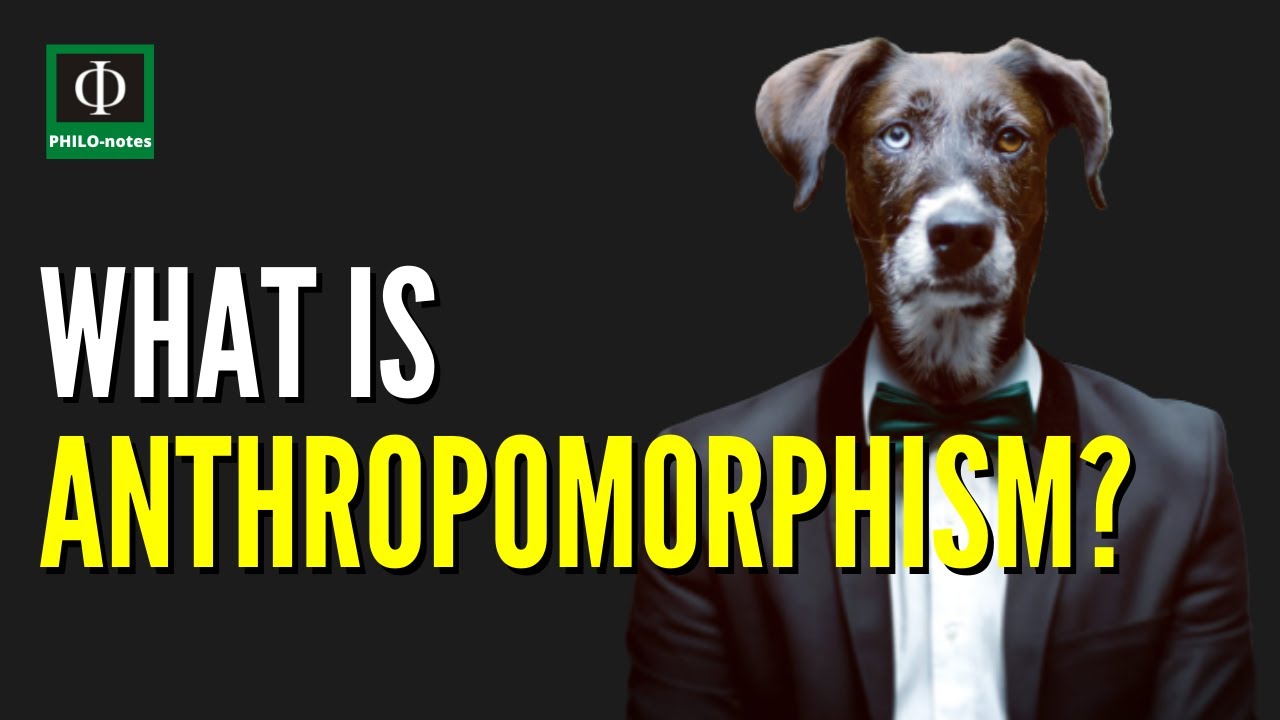
In classrooms worldwide, the tendency to attribute human traits to non-human entities—ranging from animated characters to digital tutors—remains a persistent and intriguing phenomenon. This anthropomorphic impulse shapes how learners interact with educational tools, often imbuing them with distinct personalities, emotions, and intentions. At first glance, this may appear as a simple pedagogical strategy designed to engage students more effectively. Yet, beneath this surface lies a complex interplay of cognitive predispositions and socio-cultural factors that fuel our fascination with human-like qualities in education, ultimately influencing both perception and cognition in profound ways.
The Innate Drive Behind Anthropomorphism in Learning Environments
Human beings are wired to seek connection and familiarity. This deep-seated cognitive urge explains why learners readily project human characteristics onto abstract or mechanical objects within educational settings. From a neurological standpoint, anthropomorphism activates mirror neurons that facilitate empathy and social understanding. When learners perceive a textbook character or an AI tutor as capable of emotions or intentions, it catalyzes engagement by translating abstract content into relatable narratives.
Moreover, the attribution of human qualities to educational tools is not merely an act of imaginative whimsy. It resonates with an evolutionary predisposition to interpret ambiguous stimuli through a social lens, prioritizing social agents in our environment to enhance survival. In classrooms, this primal inclination manifests as a mechanism to reduce uncertainty and build rapport with instructional mediums, thus fostering an immersive and memorable learning experience.
Enhancing Emotional Engagement and Motivation
The psychological allure of anthropomorphic designs in education lies prominently in their capacity to evoke emotional responses. Emotions are critical catalysts for memory consolidation and motivation. When students engage with avatars or characters endowed with human-like expressions, they embark on a vicarious emotional journey that extends beyond rote memorization.
Anthropomorphism cultivates an empathetic bond, making learning feel less transactional. For example, digital tutors that exhibit warmth or encouragement can diminish learners’ anxiety and perceived isolation, particularly in remote or self-paced settings. This emotional scaffolding lends itself to higher perseverance rates and reduces cognitive load, allowing learners to absorb content more efficiently and with greater enthusiasm.
Anthropomorphic Interfaces as Cognitive Bridges
Complex or abstract concepts often pose substantial barriers to comprehension, especially in STEM subjects. Anthropomorphic elements serve as cognitive bridges that distill these abstract notions into familiar social forms. By personifying scientific phenomena or mathematical operations, educators harness embodied cognition—an approach that grounds understanding in sensory and motor experiences.
For instance, an animated character that ‘struggles’ with a physics problem or ‘celebrates’ solving an equation creates a narrative context wherein students observe and internalize problem-solving strategies. This social narrative aids in scaffolding knowledge, as students analogize the character’s experiences to their own mental processes, enhancing conceptual clarity and retention.
The Role of Anthropomorphism in Technology-Mediated Learning
As digital learning environments increasingly integrate artificial intelligence and interactive media, anthropomorphism assumes new significance. Virtual assistants, chatbots, and AI tutors are commonly embedded with human-like avatars that speak with natural intonation and convey emotions through facial expressions. This deliberate design choice fosters a sense of social presence, critical for sustaining learner interest and trust.
The phenomenon extends to the so-called “degrees of anthropomorphism,” where varying levels of human likeness—from minimal to highly realistic—tailor functionality and connectivity. A carefully calibrated anthropomorphic interface can strike a balance between user comfort and technological sophistication, thereby optimizing educational efficacy without triggering uncanny valley effects or unrealistic expectations about the tool’s capabilities.
Potential Pitfalls and Cognitive Biases
While anthropomorphism fosters engagement, it can also engender misconceptions if learners overestimate the autonomy or intentionality of educational technologies. This misattribution may lead to cognitive biases, such as the illusion of companionship or misunderstanding the scope of a digital tutor’s capabilities. Consequently, learners might develop unrealistic dependencies or neglect critical evaluation of content quality.
It is essential to recognize and mitigate these risks by promoting media literacy and digital discernment alongside anthropomorphic elements. Educators must clarify the distinction between designed human-like behavior and genuine human cognition, preserving critical thinking without diminishing the motivational power of anthropomorphism.
Cultural Dimensions and Variability in Anthropomorphic Appeal
The resonance of anthropomorphism in education is not uniform across cultures; it is deeply entwined with cultural narratives, myths, and socialization patterns. In some societies, animistic or relational worldviews predispose learners to embrace anthropomorphic representations more readily, viewing them as natural extensions of lived reality. In others, technological skepticism or differing conceptions of agency may temper the effectiveness of human-like educational tools.
Understanding this cultural variability is crucial for designing inclusive learning environments that leverage anthropomorphism optimally. Tailoring anthropomorphic cues to align with learners’ cultural backgrounds can enhance relevance and accessibility, ensuring that this pedagogical technique transcends mere novelty to become a meaningful educational bridge.
Conclusion: The Multifaceted Impact of Anthropomorphism on Learning
Anthropomorphism in education transcends its conventional role as an engagement tool. It taps into fundamental aspects of human cognition—our social nature, emotional landscapes, and cultural fabric—to transform learning from a solitary acquisition of facts into a rich, relational experience. The phenomenon illuminates a profound truth: learning is not merely about absorbing information, but about connecting with ideas through the lens of shared human experience.
Harnessing anthropomorphism thoughtfully can amplify motivation, deepen understanding, and democratize access to knowledge. Yet, educators and designers must remain vigilant, balancing the allure of human-like interactions with clarity and critical perspective to nurture learners who are both inspired and discerning. Ultimately, the nuanced deployment of anthropomorphism holds immense promise in cultivating educational environments where curiosity flourishes, and learning becomes genuinely transformative.