In the ever-evolving landscape of streetwear, brands continuously seek novel ways to captivate consumers. One intriguing approach that has emerged is the incorporation of anthropomorphism—imbuing non-human elements with human characteristics—into clothing designs and marketing. This technique transcends mere aesthetic appeal, tapping into deep psychological associations that influence consumer behavior. But does anthropomorphism genuinely propel streetwear sales, or is it an ephemeral trend? This exploration delves into the conceptual underpinnings, practical applications, and commercial implications of anthropomorphism within streetwear, offering a comprehensive analysis of its role in contemporary fashion commerce.
Understanding Anthropomorphism and Its Psychological Roots
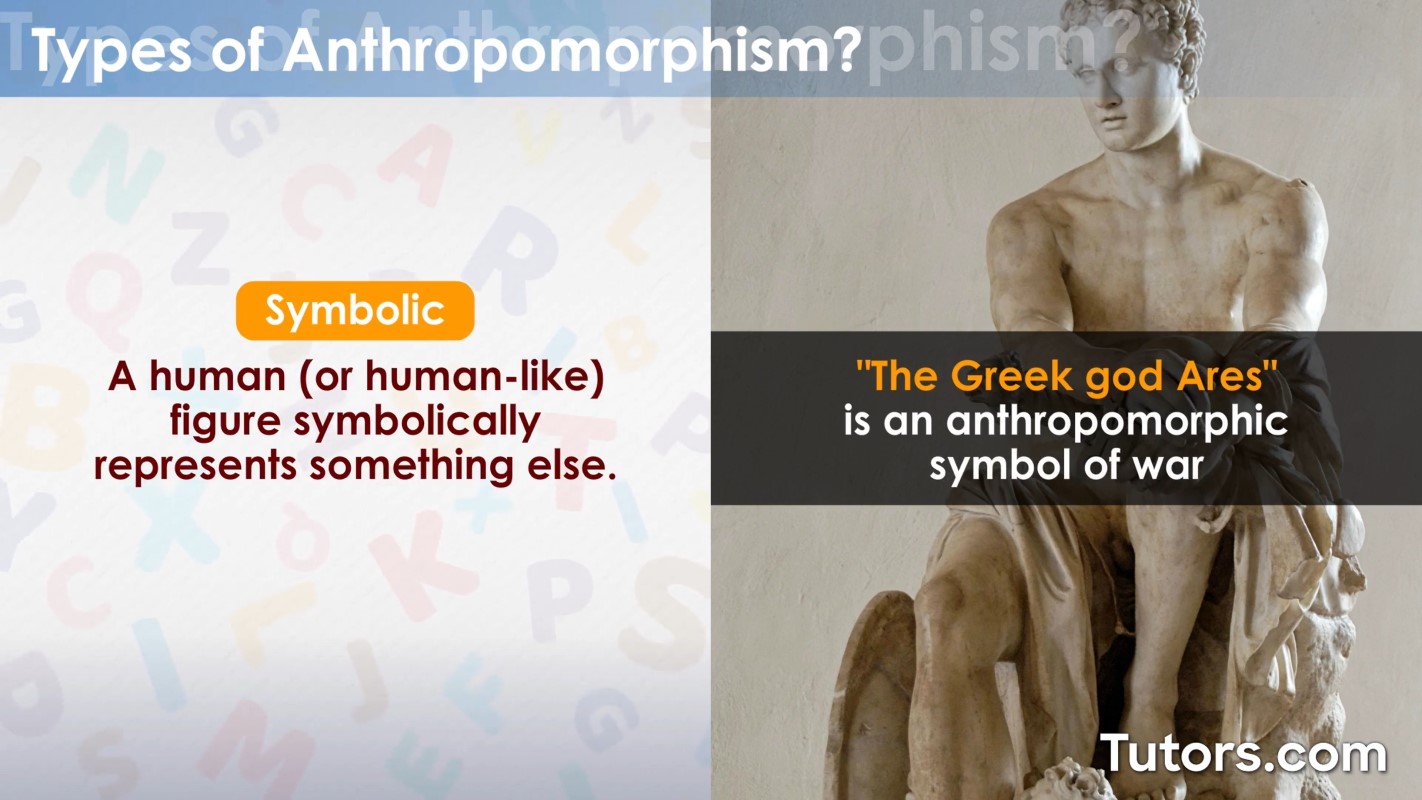
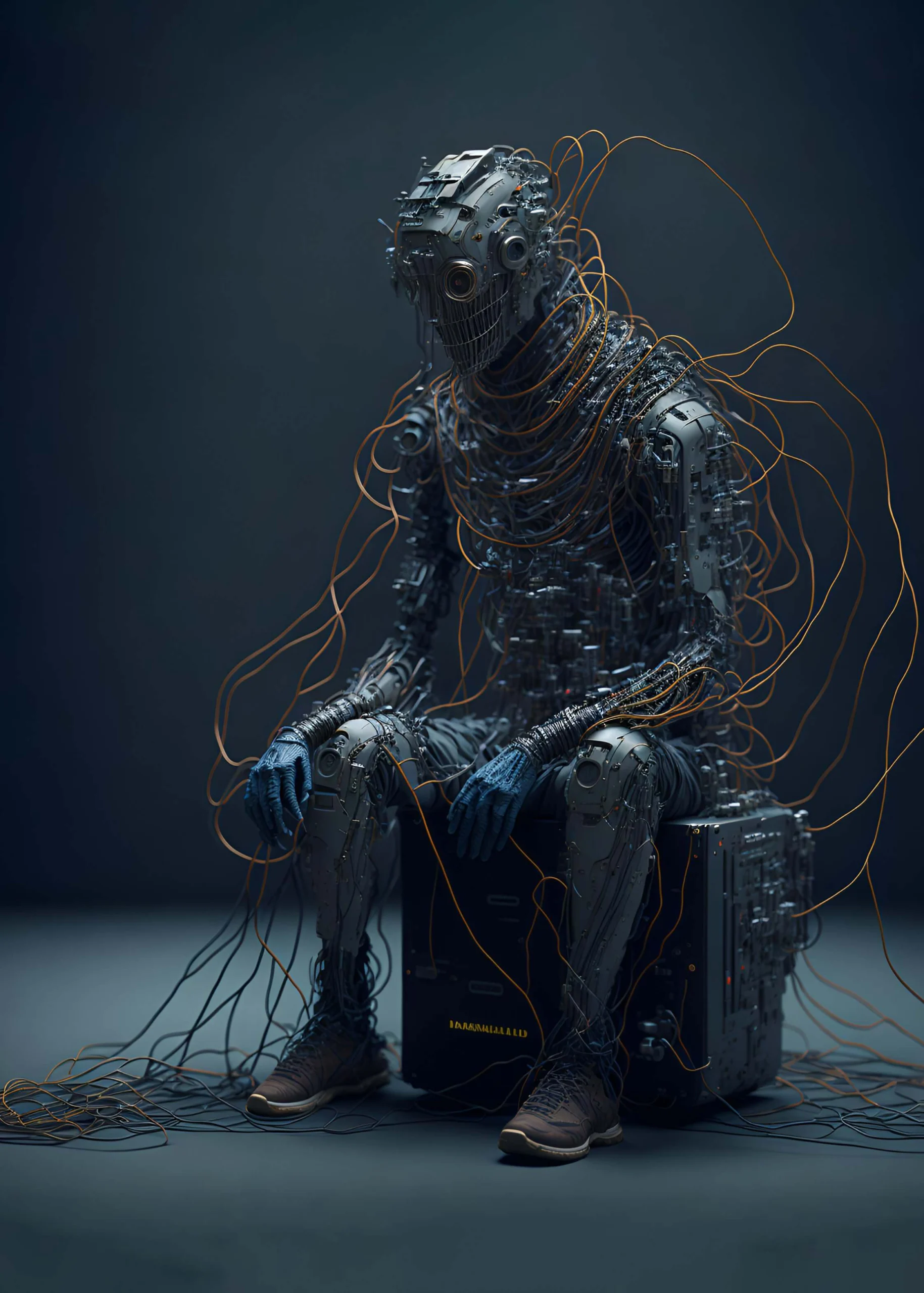
Anthropomorphism, at its core, involves attributing human traits, emotions, or intentions to animals, objects, or abstract concepts. This cognitive phenomenon has been pervasive throughout human history, manifesting in folklore, art, and language. Within the context of consumer goods, anthropomorphism engenders familiarity and emotional resonance, often fostering a bond between the product and the individual. This psychological interplay is undergirded by the theory-of-mind framework, where individuals project human motivations onto non-human entities, thereby enhancing engagement and empathy.
In streetwear, this principle extends beyond anthropomorphic logos or mascots. It encompasses the personification of fabrics, patterns, or even the streetwear culture itself. By attaching human qualities to these elements, brands create narratives that invite consumers into a more immersive and relatable world. This phenomenon can elevate a garment from mere apparel to a symbol laden with personality and identity, which is critical in a market driven by self-expression.
Manifestations of Anthropomorphism in Streetwear Design
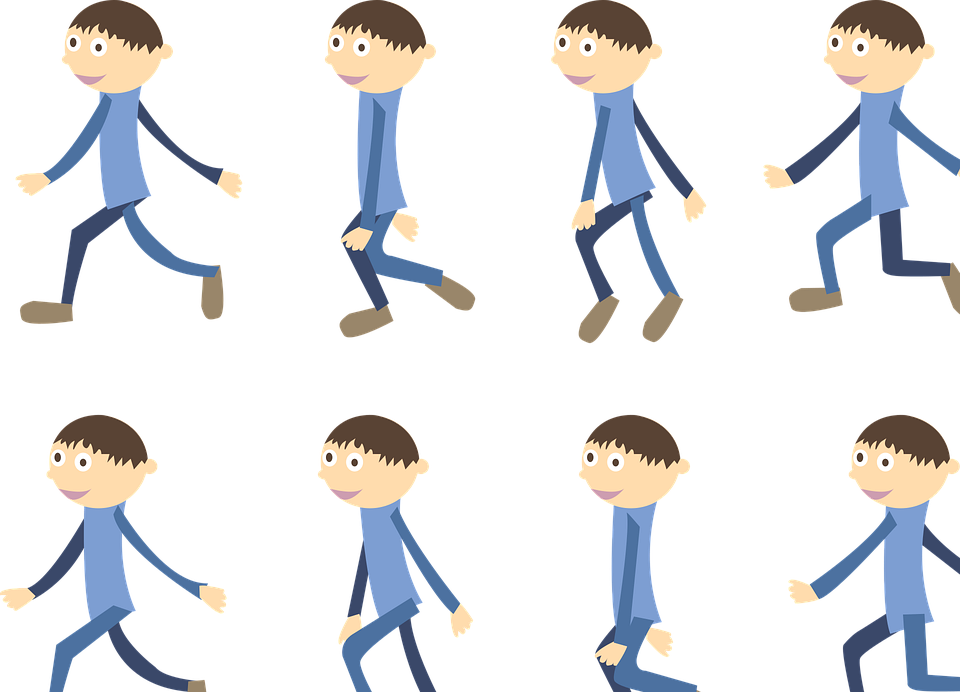
Anthropomorphism in streetwear is multifaceted, ranging from subtle design cues to overt character-driven motifs. One prevalent approach is the utilization of mascots or character icons that embody brand philosophy. These mascots often feature exaggerated human-like expressions or gestures, rendering them instantly recognizable and emotionally impactful. For example, some streetwear brands employ cartoonish animals or mythic creatures with human features, creating a blend of fantasy and familiarity that attracts diverse demographics.
Beyond mascots, anthropomorphic tendencies appear in graphic prints and embroidery—depicting humanized objects or animals engaging in everyday activities. This narrative storytelling on fabric elevates the apparel’s function from clothing to wearable art. Additionally, the sizing and cut of garments might metaphorically emulate human anatomy or posture, further blurring the lines between the human form and the clothing itself.
Even product names and marketing language contribute to anthropomorphism, where terms like “soulful,” “fearless,” or “rebellious” imply human characteristics that the garment purportedly embodies or imparts to the wearer. This lexicon weaves a deeper connection between the consumer and the product, enhancing the desire to integrate the piece into one’s personal identity.
Marketing Strategies Leveraging Anthropomorphism
Streetwear brands frequently harness anthropomorphism as a strategic marketing tool, capitalizing on its capacity to humanize the brand persona and cultivate loyalty. The creation of mascot figures or personified icons serves as an emotional anchor, enabling brands to transcend transactional relationships and forge community-centric cultures. These symbols often become viral phenomena, shared extensively across social media platforms and stimulating organic conversation around the brand.
Interactive campaigns frequently employ anthropomorphic elements, inviting consumers to engage with “living” characters or animated digital avatars that mirror human behaviors and emotions. Such initiatives not only enrich customer experience but also personalize brand interaction, making consumers feel acknowledged and valued on a human level.
Moreover, the storytelling aspect facilitated by anthropomorphism enables brands to articulate values, histories, and aspirations in a compelling and accessible manner. This narrative immersion aligns well with streetwear’s intrinsic association with expressionism and subcultural identity, making anthropomorphism a powerful conduit for authentic brand storytelling.
Consumer Reception and Emotional Impact
Consumers often respond positively to anthropomorphic elements as they offer a psychological shortcut for empathy and connection. When a brand or garment exudes human-like qualities, it can evoke loyalty, trust, and even affection—sentiments traditionally reserved for interpersonal relationships. This emotional resonance directly influences purchasing decisions, particularly within younger cohorts who prioritize brand authenticity and relatability.
However, the effectiveness of anthropomorphism is not universal and can vary based on cultural context, individual predispositions, and market saturation. In some instances, overly simplistic or forced anthropomorphic designs may be perceived as gimmicky or juvenile, potentially alienating certain demographics. A nuanced balance is essential; designs and campaigns must exude sincerity and coherent vision to resonate effectively.
The cyclical nature of trends within streetwear also plays a pivotal role. As anthropomorphism gains prevalence, consumer novelty may wane, necessitating brands to innovate continually and deepen the sophistication of their humanized narratives to maintain emotional engagement.
Anthropomorphism as a Catalyst for Brand Differentiation
In an industry inundated with options, differentiation is paramount. Anthropomorphism offers streetwear brands a method to stand out through distinctive visual language and storytelling. By endowing apparel and accessories with humanized characteristics, brands create unique intellectual property that can be trademarked and marketed extensively.
This uniqueness extends into collaborations and limited-edition releases, where anthropomorphic elements become collectible icons fostering secondary markets and enhancing brand prestige. Furthermore, anthropomorphism facilitates cross-cultural resonance, as human characteristics transcend linguistic barriers, enabling global brand appeal.
With heightened consumer emphasis on identity curation, anthropomorphic streetwear transforms from mere fashion into a social statement—a wearable avatar reflecting personal ethos and group affiliation. This role positions it as a pivotal asset in brand strategy and long-term market positioning.
Challenges and Limitations in Employing Anthropomorphism
Despite its advantages, implementing anthropomorphism in streetwear is not without challenges. There exists the risk of over-reliance on anthropomorphic motifs, which may dilute brand originality if mimicked across competitors. Additionally, legal complexities may arise when employing copyrighted characters or culturally sensitive iconography.
The balance between subtlety and explicit anthropomorphism also demands careful calibration. Excessive humanization might detract from the stylistic versatility valued by consumers seeking minimalist or avant-garde aesthetics. Similarly, the anthropomorphic narrative must remain congruent with brand ethos to avoid cognitive dissonance among consumers.
Furthermore, the production implications—such as increased costs for detailed prints or embroidery—can affect pricing strategies and accessibility. Brands must weigh these factors against anticipated consumer response and profitability.
Future Trajectories: Anthropomorphism and Technological Integration
The intersection of anthropomorphism and emerging technologies presents exciting possibilities for streetwear’s evolution. Augmented reality (AR) and virtual reality (VR) platforms enable consumers to interact with anthropomorphic brand avatars in immersive environments, enriching experiential marketing.
Additionally, the rise of digital fashion and non-fungible tokens (NFTs) allows anthropomorphic designs to transcend physical apparel, offering ownership of virtual streetwear imbued with dynamic, human-like traits. Such innovation could redefine value perceptions and foster new consumer-brand paradigms.
Artificial intelligence further empowers personalized anthropomorphic experiences, tailoring brand communication and product recommendations based on individual personality profiles and social behaviors, deepening consumer-brand symbiosis.
In summary, anthropomorphism in streetwear is a potent, multifaceted strategy that leverages psychological engagement to drive consumer interest and sales. While it demands careful execution and continual innovation, its capacity to humanize brands and apparel imbues streetwear with narrative depth and cultural relevance. As the fashion industry continues its dialogue with technology and identity, anthropomorphism stands poised to shape the future contours of street culture and commerce.