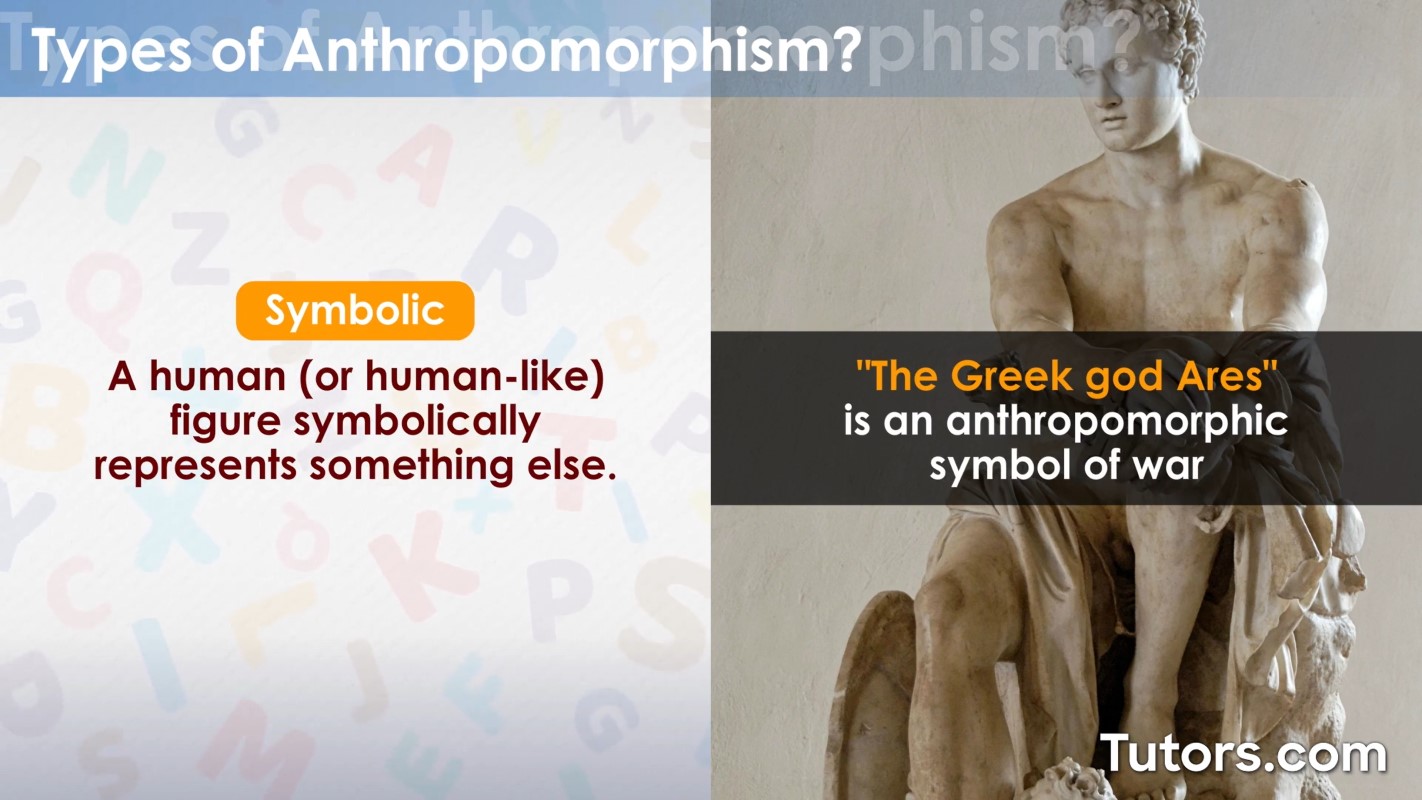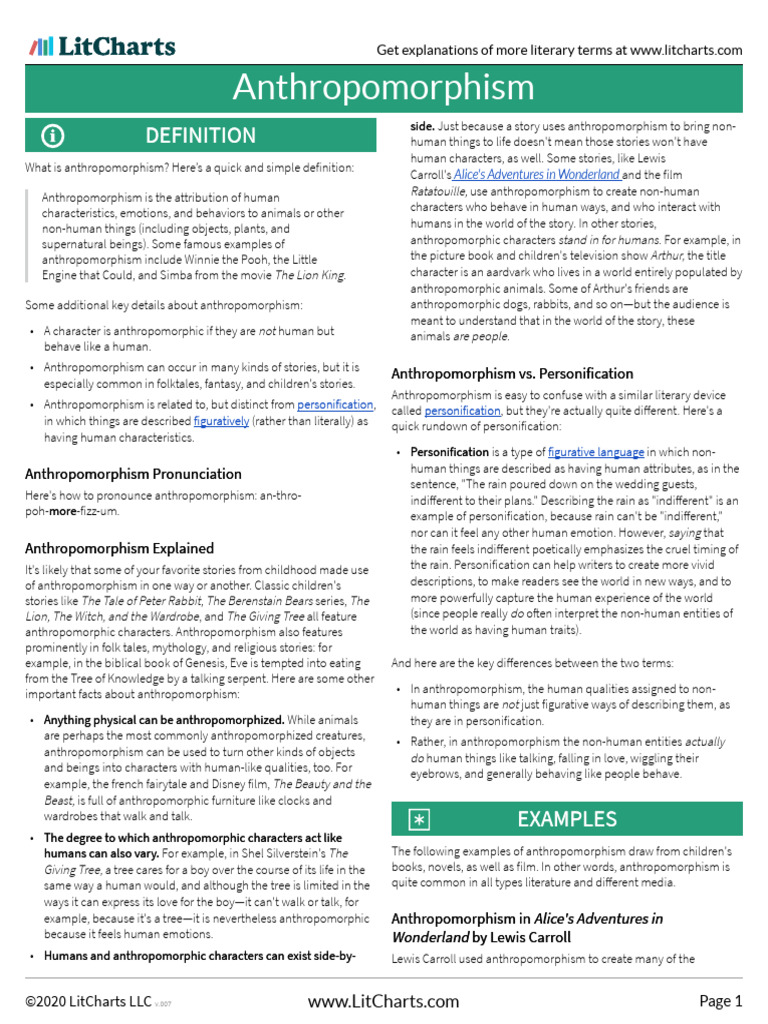
In the vast tapestry of existence, the Earth often emerges not merely as a physical backdrop but as a sentient protagonist in humanity’s unfolding saga. Anthropomorphizing the Earth—imbuing it with human traits, emotions, and intentions—invites us into a profound dialogue where geology dances with mythology, and science melds with spirit. This practice, rich in metaphor and symbolism, oscillates between reverence and risk, offering both pathways to deeper environmental empathy and pitfalls of misinterpretation. Exploring the ethics of this anthropomorphic lens reveals a complex interplay of cultural narratives, ecological responsibility, and philosophical reflection.
The Earth as a Living Entity: The Allure of Anthropomorphic Metaphors
Anthropomorphizing enshrines the Earth with agency, suggesting intentionality behind natural phenomena. In doing so, it fosters a unique emotional investment—a sense of stewardship that shifts the Earth from a resource to be exploited toward a partner to be respected. The metaphor resonates because it appeals to the ancient archetypes embedded within human consciousness, invoking the nurturer and the nurtured in an intimate relationship spanning millennia.

Ethical Dimensions: Reverence Versus Reductionism
The ethical contours of anthropomorphizing the Earth are fraught with tensions that pit reverence against reductionism. On one hand, this approach can inspire profound ecological awareness. By perceiving the planet as a sentient being, individuals and societies may cultivate a moral obligation akin to familial duty, elevating environmental preservation to a sacred charge.
Yet, anthropomorphism can oversimplify or distort complex ecological realities. Assigning human-like motives risks projecting desires and intentions onto systems that operate under indifferent natural laws. This projection may lead to misguided environmental policies or complacency—expecting the Earth to “forgive” or “heal” on its own timetable, rather than recognizing the urgency imposed by human-induced damage.
Cultural Narratives and Indigenous Perspectives
Across cultures, anthropomorphizing the Earth is not merely metaphor but foundational worldview. Indigenous traditions often articulate the planet as a conscious entity—imbued with spirit and deserving reciprocal respect. These epistemologies intertwine the physical with the spiritual, emphasizing relationality rather than domination.
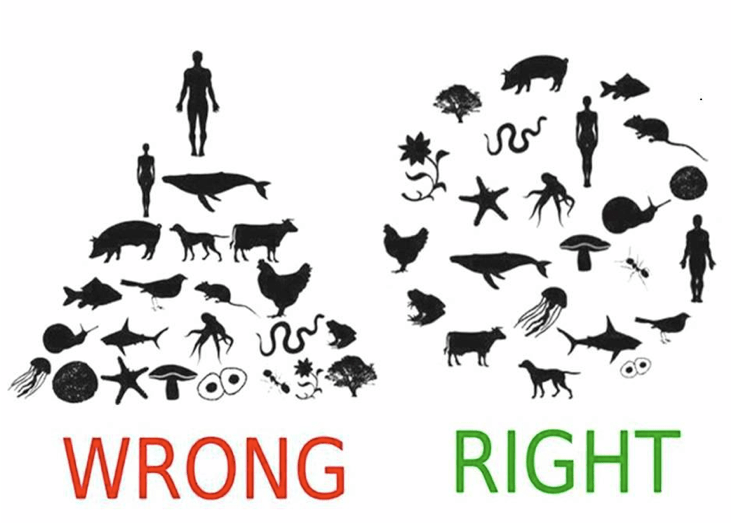
Such perspectives challenge the dominant anthropocentric paradigm that views nature as inert or utilitarian. They propose ethics rooted in mutual interdependence, where the well-being of the Earth and its human inhabitants are inseparable. This relational ethic offers a counterpoint to extractive modernity and invites a regenerative ethos that transcends simplistic binary oppositions.
The Perils of Personification in Scientific Discourse
Within scientific milieus, anthropomorphizing the Earth can introduce epistemic ambiguities. Science thrives on objective analysis and empirical rigor; humanizing the planet may obscure mechanistic explanations by veiling them in emotive language. The personification of ecosystems as “fragile mothers” or “angry giants” might inadvertently anthropocentrize the discourse, leading to anthropogenic bias rather than ecological clarity.
Moreover, this personification can paradoxically distance the public from empirical realities if interpreted literally rather than poetically. The ethical imperative here is to maintain a balance—leveraging metaphor to inspire care without diluting scientific integrity or fostering magical thinking.
Anthropomorphizing and Environmental Activism
The evocative power of anthropomorphism has galvanized numerous environmental movements. Imagining the Earth as a sentient being in distress animates campaigns and heightens public mobilization. Petitions to “save Mother Earth,” climate marches invoking Gaia, and narratives casting pollution as wounds inflicted on a living mother all derive energy from this symbolic language.
This appeal is unique because it beckons participants beyond abstract environmentalism into relational empathy. Activists are not only defending ecosystems but protecting a beloved figure—imbued with emotional and moral significance. However, this emotive strategy demands ethical calibration to avoid sentimentalism that eclipses nuanced policy debates.
Philosophical Reflections: Animism, Gaia, and Beyond
Philosophically, anthropomorphizing the Earth opens portals to ancient and contemporary thought currents. Animism, the belief that all elements of nature possess spirit, challenges Cartesian dualism and the mechanistic worldview that separates humans from nature. Gaia theory, proposed in the late 20th century, envisions the Earth as a self-regulating superorganism maintaining conditions conducive to life.
These frameworks invite reconsideration of human identity and ethics. If Earth is a living entity, then humanity’s actions are dialogues with a co-evolving organism. Such paradigms evoke humility, interconnectedness, and a mindful approach to technological and ecological interventions.
Conclusion: Navigating the Ethical Terrain with Nuance
Anthropomorphizing the Earth crafts an intricate mosaic of meaning, bridging emotion, science, culture, and ethics. It endows a planet of stone, water, and air with tenderness and intention—transforming landscapes into kin and elements into narratives. Yet, this poetic endowment carries responsibilities: to honor the metaphor without succumbing to illusion, to harness its empathic power without neglecting factual complexity.
Ethically navigating this terrain necessitates a dialectical approach—embracing anthropomorphism as a tool for environmental consciousness while critically appraising its limitations. When wielded judiciously, it enriches the human-Earth relationship, fostering an ethic not just of use, but of profound respect and co-creation. In the echo of the Earth’s silent voice, anthropomorphism offers a channel—a whispered invitation to listen, care, and act.