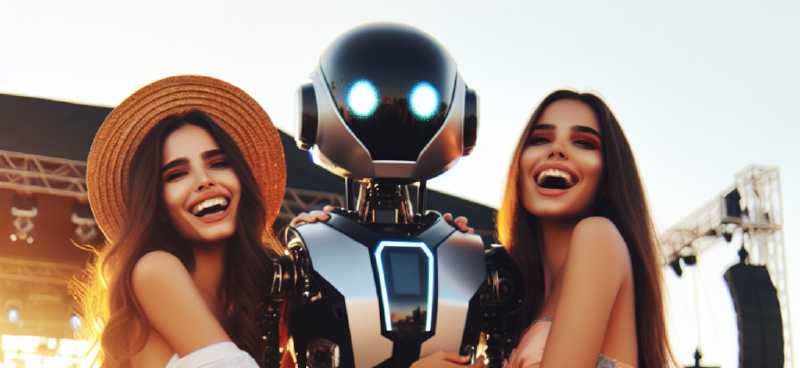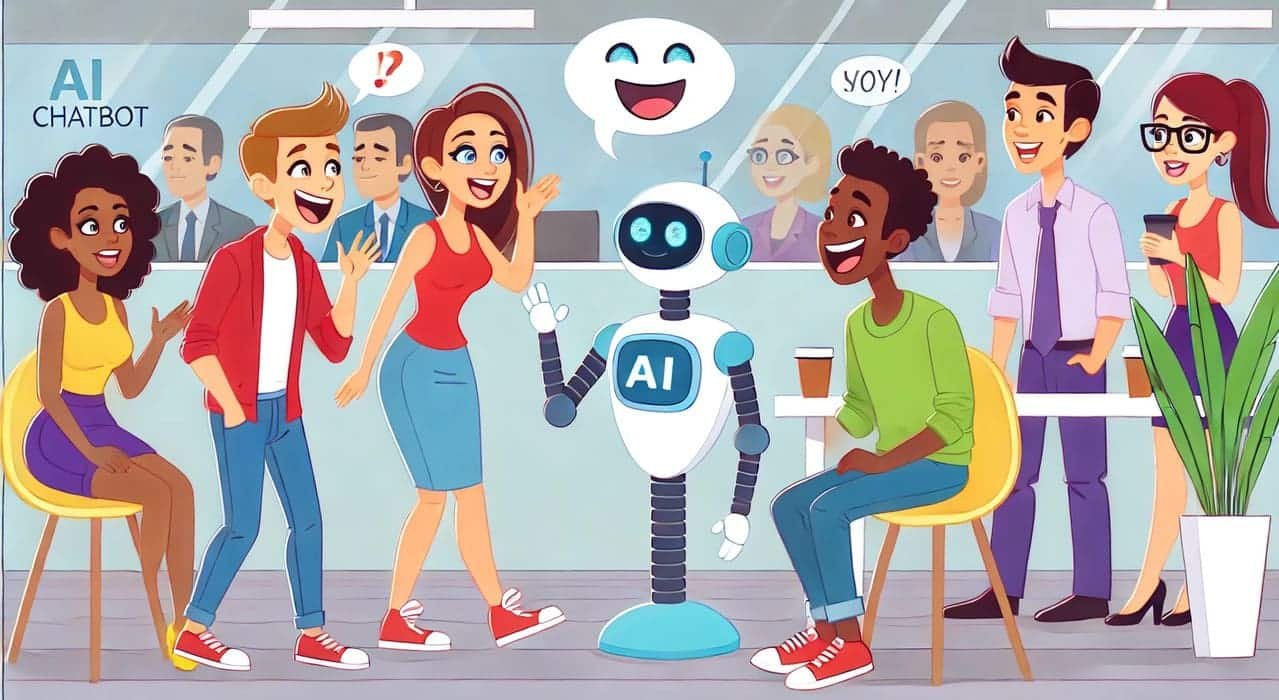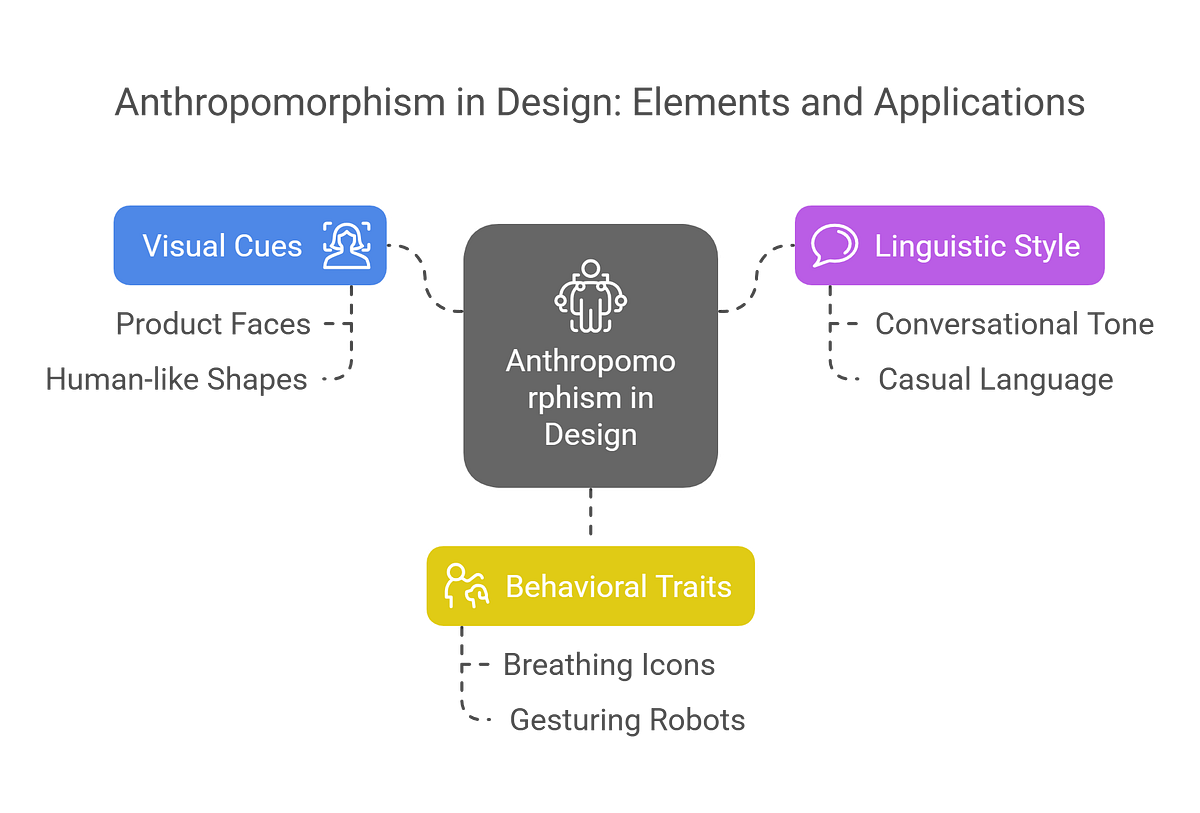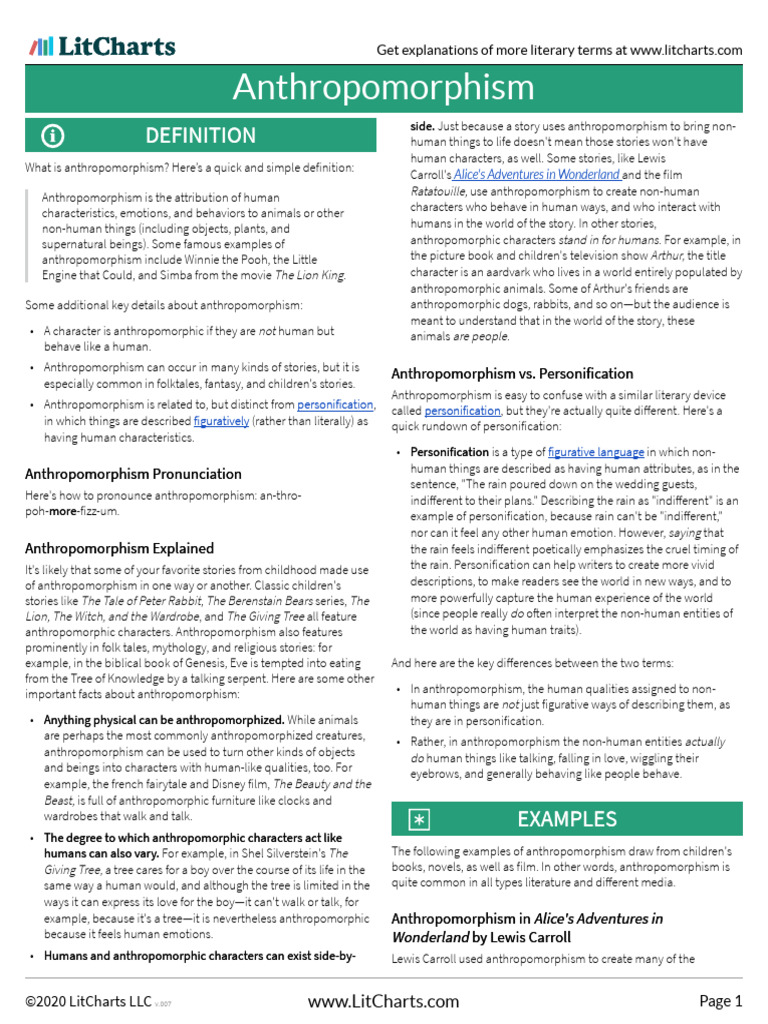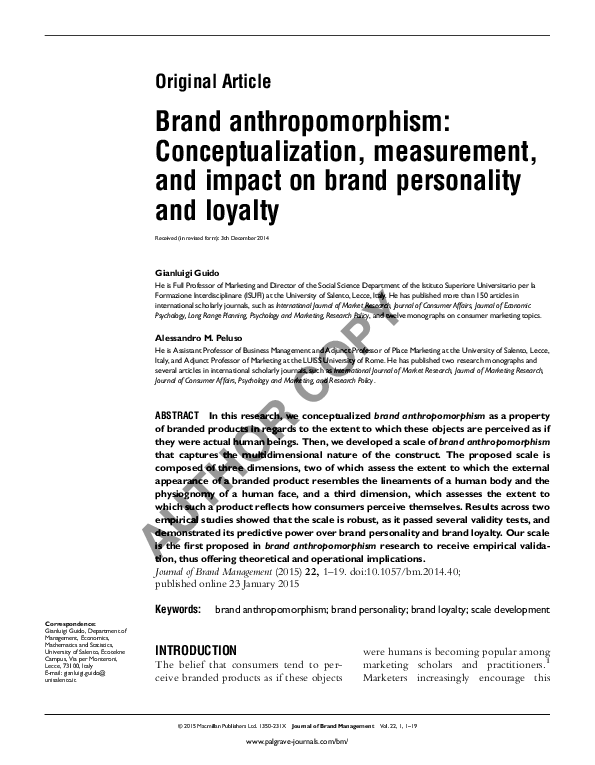
In the labyrinthine corridors of modern technology, where code hums like a silent symphony and algorithms choreograph our digital lives, a curious phenomenon has taken root—anthropomorphism. This is not the stuff of ancient myths or children’s fables, but a deliberate design choice, a sleight of hand that endows machines with the warmth of human traits. From chatbots that apologize for delays to voice assistants that crack jokes, technology is learning to wear a human face. But beyond the surface-level charm, anthropomorphism in tech is a powerful catalyst for user loyalty, weaving emotional threads that bind users to their digital companions. It transforms cold interfaces into trusted confidants, elevating mere tools into lifelong allies.
The Allure of the Human Face in a Digital World
Imagine a world where your smartphone doesn’t just buzz with notifications but greets you with a knowing smile. Where your GPS doesn’t bark directions but offers them with the patience of a seasoned navigator. This is the world anthropomorphism creates—a digital ecosystem where inanimate objects don’t just serve, but relate. The appeal is primal. Humans are wired to seek connection, to anthropomorphize even the most abstract entities. When a voice assistant like Siri or Alexa adopts a conversational tone, it doesn’t just convey information; it simulates companionship. This mimicry of humanity is not deception but an invitation—an unspoken pact between user and machine.
Consider the case of a customer service chatbot that begins interactions with a polite “Hello, how can I assist you today?” instead of a robotic “Enter your query.” The former doesn’t just solve problems; it acknowledges the user’s presence. This subtle shift from transactional to relational interaction fosters a sense of reciprocity. Users, in turn, are more likely to return to a service that makes them feel seen rather than processed. Anthropomorphism, in this light, is the art of making technology feel less like a tool and more like a partner in the user’s journey.

Trust as the Bedrock of Digital Loyalty
Trust is the invisible currency of the digital age, and anthropomorphism is its most persuasive mint. When a robot vacuum cleaner emits a cheerful chirp after completing its task, it’s not just signaling completion—it’s performing a ritual of reassurance. Users anthropomorphize the vacuum, attributing to it a sense of diligence and care. This projection of human-like virtues onto machines cultivates trust, a commodity as valuable as data security in the modern marketplace. Studies have shown that users are more forgiving of errors when a device or service exhibits human-like traits, as if the machine’s “personality” softens the blow of its fallibility.
Yet, trust is a fragile edifice. Anthropomorphism must be wielded with precision, for overindulgence can backfire. A chatbot that feigns empathy too convincingly may raise ethical eyebrows, while a voice assistant that cracks jokes at the wrong moment can feel jarring. The key lies in balance—enough humanity to foster connection, but not so much that it blurs the line between tool and companion. When executed thoughtfully, anthropomorphism becomes a bridge, spanning the chasm between skepticism and loyalty. Users don’t just use a service; they believe in it.
The Emotional Alchemy of User Engagement
Anthropomorphism is not merely a design strategy; it is an emotional alchemist, transmuting passive users into fervent advocates. When a fitness tracker celebrates a user’s milestone with a virtual high-five, it doesn’t just log steps—it celebrates the user’s effort. This emotional resonance transforms a mundane activity into a shared experience. The tracker becomes more than a device; it becomes a cheerleader, a silent partner in the user’s personal growth. Such interactions tap into the deep-seated human desire for validation and encouragement, forging bonds that transcend functionality.
This emotional engagement is particularly potent in sectors where user retention is paramount, such as education and healthcare. A language-learning app that rewards users with animated confetti after a lesson isn’t just reinforcing vocabulary—it’s reinforcing the user’s commitment. Similarly, a mental health chatbot that responds with empathetic phrases like “I’m here for you” doesn’t just provide information; it provides solace. These interactions don’t just satisfy needs; they nurture them, creating a cycle of engagement that is self-sustaining. Users don’t just return to a service; they return to the feeling it evokes.
The Pitfalls of Over-Anthropomorphism: When Machines Wear Too Many Faces
Yet, the path of anthropomorphism is fraught with pitfalls. The same charm that endears can also unsettle. When a humanoid robot’s eyes follow you across the room, it doesn’t just feel observed—it feels invasive. When a voice assistant’s tone becomes overly familiar, it can cross into the uncanny valley, where the line between helpful and creepy blurs. The challenge lies in calibrating the degree of anthropomorphism to match user expectations and cultural sensibilities. What feels like a warm embrace to one user may feel like an invasion of privacy to another.
Moreover, anthropomorphism risks fostering dependency. A user who relies on a chatbot’s empathetic responses may struggle to develop coping mechanisms for real-world interactions. There’s also the ethical dimension: when does anthropomorphism become manipulation? If a virtual assistant subtly nudges a user toward a purchase by adopting a persuasive tone, is it enhancing the experience or exploiting it? These questions underscore the need for ethical guardrails, ensuring that anthropomorphism serves users rather than subverts them. The goal is not to make machines human, but to make them human enough—just enough to resonate without overwhelming.
The Future: A Symbiosis of Silicon and Soul
The future of anthropomorphism in tech is not a dystopian landscape of sentient machines, but a harmonious symbiosis where technology and humanity coexist. Advances in artificial intelligence and natural language processing are making interactions increasingly seamless, blurring the boundaries between human and machine communication. Imagine a world where your car doesn’t just drive you but understands you—where it anticipates your mood and adjusts the music or temperature accordingly. This is not science fiction; it is the next frontier of anthropomorphic design.
Yet, the most compelling applications of anthropomorphism will be those that prioritize authenticity over artifice. A virtual assistant that genuinely listens, a robot that adapts to a user’s emotional state, a smart home that responds to subtle cues—these are the innovations that will redefine user loyalty. The goal is not to deceive, but to connect. In this future, technology doesn’t just serve users; it understands them, creating a bond that is as enduring as it is enriching. Anthropomorphism, when wielded with wisdom, is not just a design choice—it is a revolution in how we relate to the digital world.