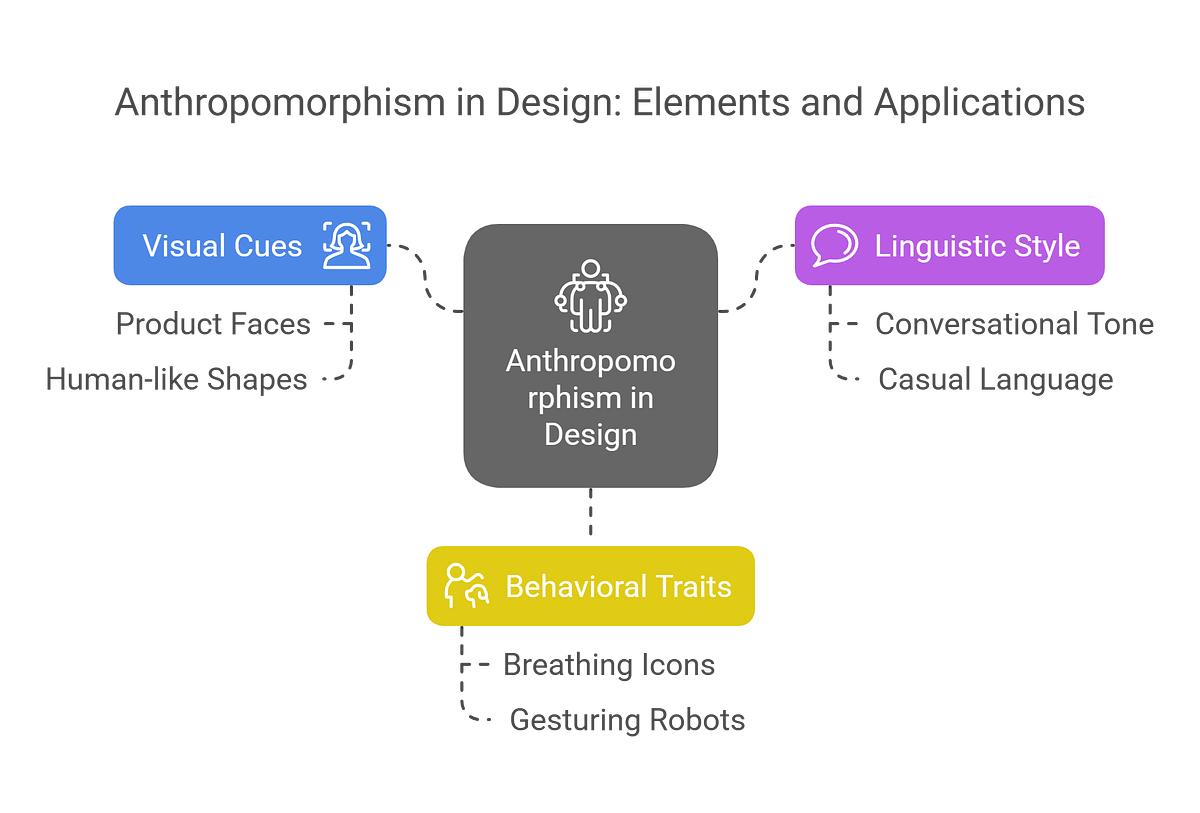
In the pantheon of luxury branding, where opulence meets emotion and exclusivity dances with desire, a silent revolution is unfolding. Brands are no longer content to be mere commodities; they yearn to be companions, confidants, even characters in the grand narrative of their consumers’ lives. This metamorphosis is powered by a deceptively simple yet profoundly effective strategy: anthropomorphism. By imbuing inanimate luxury goods with human traits—personality, emotion, even flaws—brands transcend their material essence, forging connections that resonate on a visceral level. But does this alchemy of humanity and high-end commerce truly work? To answer this, we must venture beyond the glossy advertisements and delve into the psychology, the artistry, and the unexpected consequences of giving a soul to the inanimate.
The Alchemy of Humanizing the Inanimate: How Anthropomorphism Transforms Luxury
At its core, anthropomorphism is the ancient art of seeing the self in the other—a psychological mirror that reflects our own humanity back at us. In luxury branding, this phenomenon is not merely a marketing tactic but a transformative force. Consider the iconic Rolex crown, which doesn’t just denote timekeeping precision but embodies regal authority, a silent nod to the wearer’s own aspirations. Or the sleek, almost imperious lines of a Rolls-Royce, which whisper of aristocratic lineage and unshakable confidence. These brands are not selling watches or cars; they are selling identities, and anthropomorphism is the alchemist that turns metal and glass into mirrors of the self.
The magic lies in the subconscious. When a luxury brand adopts human characteristics—whether it’s the rebellious charm of a Harley-Davidson or the nurturing warmth of a Burberry trench coat—it taps into our innate tendency to anthropomorphize. Studies in consumer psychology reveal that this strategy triggers the same neural pathways as human interaction, fostering trust, loyalty, and even love. The result? A customer who doesn’t just buy a product but adopts a persona, a lifestyle, a story. Anthropomorphism doesn’t just sell; it invites the consumer to co-author a legend.

From Personality to Personhood: Crafting Characters in the Luxury Realm
Luxury brands that embrace anthropomorphism don’t just adopt a personality—they craft a personhood. This is where the strategy ascends from clever marketing to narrative artistry. Take, for instance, the legendary rivalry between Coca-Cola and Pepsi, where each brand is personified as a distinct character with its own quirks, values, and even flaws. In the luxury sphere, this personification is elevated to an art form. Chanel is not just a perfume; it is the enigmatic, timeless muse who moves through history with effortless grace. Cartier is not merely jewelry; it is the guardian of dreams, a silent witness to declarations of love and triumph.
The key to this transformation lies in consistency. A luxury brand’s anthropomorphized persona must be meticulously curated across every touchpoint—from the tone of its advertisements to the design of its packaging, from the ambiance of its boutiques to the cadence of its customer service. The goal is to create a character so vivid that it becomes a shorthand for the consumer’s own identity. When a woman slips into a Dior gown, she isn’t just wearing fabric; she is embodying the brand’s ethos of feminine power and poetic elegance. The gown becomes an extension of her, a second skin woven from aspiration and artistry.
Yet, this personification is not without its risks. A poorly executed anthropomorphic persona can feel gimmicky, even cringe-worthy. The line between charm and caricature is perilously thin. The most successful luxury brands navigate this tightrope with finesse, ensuring their humanized personas feel authentic rather than contrived. It’s a delicate balance—one that demands a deep understanding of the brand’s heritage, its audience, and the cultural zeitgeist.
The Emotional Resonance: Why Anthropomorphism Strikes a Chord in Luxury
Luxury is, at its heart, an emotional pursuit. It is the thrill of the rare, the allure of the unattainable, the promise of a life lived in Technicolor. Anthropomorphism amplifies these emotions by giving luxury brands a voice, a face, and a heartbeat. When a consumer gazes into the eyes of a Maserati’s grille, they don’t see a car; they see a partner in adventure, a steed ready to carry them into the sunset. When they unbox a Hermès Birkin, they don’t hold a bag; they cradle a promise of exclusivity and craftsmanship.
This emotional resonance is particularly potent in an era where consumers crave authenticity and connection. In a world saturated with digital noise, anthropomorphism offers a human touch—a way for brands to stand out by standing *with* their customers. It transforms transactions into relationships, purchases into rituals, and products into talismans. The luxury consumer of today doesn’t just want to own a piece of art; they want to be part of its story, to feel its pulse, to see themselves reflected in its gaze.
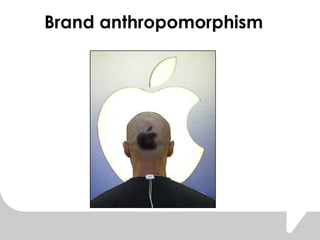
Consider the rise of “brand mascots” in luxury, from Tiffany’s iconic blue box to Louis Vuitton’s playful monogram patterns. These are not mere logos; they are visual shorthand for the brand’s personality, instantly recognizable and deeply evocative. They invite consumers to project their own narratives onto the brand, creating a symbiotic relationship where the consumer and the brand co-create meaning.
The Dark Side of the Mirror: When Anthropomorphism Backfires
Yet, for all its allure, anthropomorphism is not a panacea. Like any powerful tool, it can be wielded with disastrous consequences if misapplied. The most glaring pitfall is the risk of inauthenticity. When a brand’s humanized persona feels forced or insincere, it can erode trust faster than a poorly crafted campaign. Consumers today are savvy; they can sniff out disingenuity from a mile away. A luxury brand that suddenly adopts a “rebellious” persona without the heritage to back it up risks coming across as a poser rather than a pioneer.
Another danger lies in over-personification. When a brand’s persona becomes too literal—when it starts to feel like a caricature rather than a character—it can alienate its audience. Imagine a luxury watch brand that adopts the persona of a “tough guy” in every advertisement, only to be met with eye rolls from its core demographic of sophisticated collectors. The key is subtlety, nuance, and an unwavering commitment to the brand’s true essence.
There’s also the ethical dimension to consider. Anthropomorphism can blur the line between aspiration and manipulation, especially when it preys on consumers’ insecurities or desires for social validation. Luxury brands must tread carefully, ensuring that their humanized personas empower rather than exploit. The goal should be to elevate the consumer, not to manipulate them into a purchase they may later regret.
The Future of Humanized Luxury: Trends and Transformations
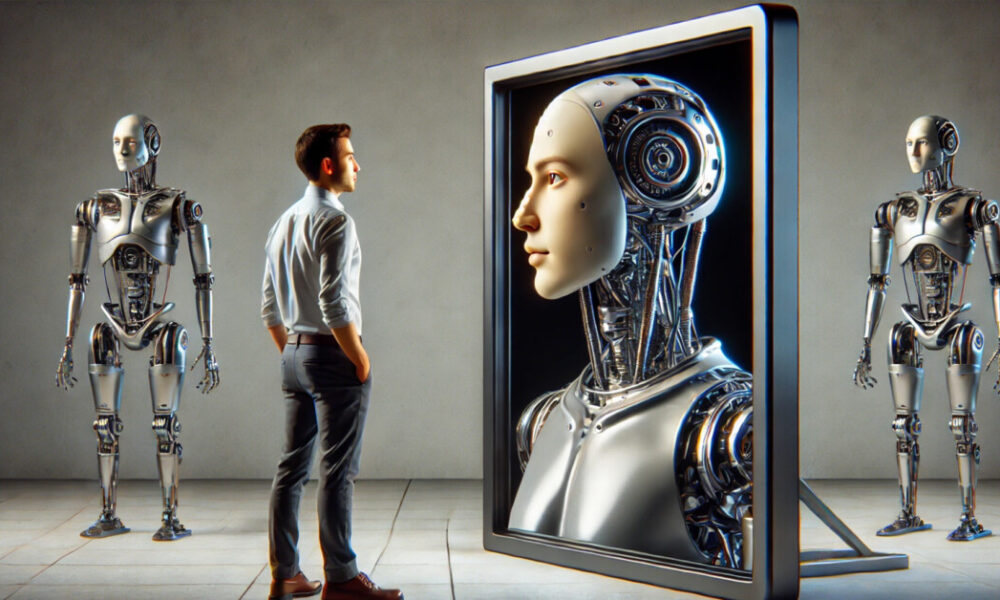
As we peer into the horizon of luxury branding, the role of anthropomorphism is poised to evolve in fascinating ways. The rise of artificial intelligence and virtual influencers offers a new frontier for humanized luxury. Imagine a digital avatar of a legendary designer, like Coco Chanel herself, guiding consumers through a virtual boutique, offering personalized styling advice with the warmth of a trusted confidante. This fusion of technology and anthropomorphism could redefine the boundaries of luxury interaction, making the experience more immersive, more intimate, and more human than ever before.
Another emerging trend is the emphasis on sustainability and ethical luxury. Anthropomorphism can play a pivotal role here by giving a voice to the planet itself. Brands might personify nature as a silent guardian, urging consumers to make eco-conscious choices without sacrificing style or status. This approach not only aligns with the values of modern luxury consumers but also adds a layer of depth to the brand’s narrative, transforming it from a mere purveyor of goods into a steward of the future.
The future of anthropomorphism in luxury branding also lies in its ability to foster community. As consumers increasingly seek belonging, brands that can create shared narratives—where the brand and its customers co-create stories—will thrive. Think of a luxury brand that invites its customers to contribute to its lore, perhaps by sharing their own stories of how a particular piece changed their lives. This collaborative storytelling turns the brand into a living entity, one that grows and evolves with its community.
Conclusion: The Human Touch in an Inhuman World
Anthropomorphism in luxury branding is more than a strategy; it is a testament to the enduring human desire to connect, to belong, and to see ourselves reflected in the world around us. In an era where materialism often feels hollow, luxury brands that embrace this philosophy don’t just sell products—they sell stories, identities, and legacies. They transform the act of consumption into an act of creation, where the consumer and the brand dance in a delicate ballet of desire and fulfillment.
Yet, the true magic of anthropomorphism lies in its duality. It is both a mirror and a window—a reflection of the consumer’s own aspirations and a portal into new worlds of possibility. When executed with finesse, it elevates luxury from the merely desirable to the truly essential. And in doing so, it reminds us that even in a world of cold, hard commodities, the human touch is—and always will be—the most luxurious commodity of all.

![Case Study: How [Tech Company] Used Anthropomorphism to Improve UX](https://anthropomorphism.org/wp-content/uploads/2026/05/Company-Case-Study-Template-edit-online.png)