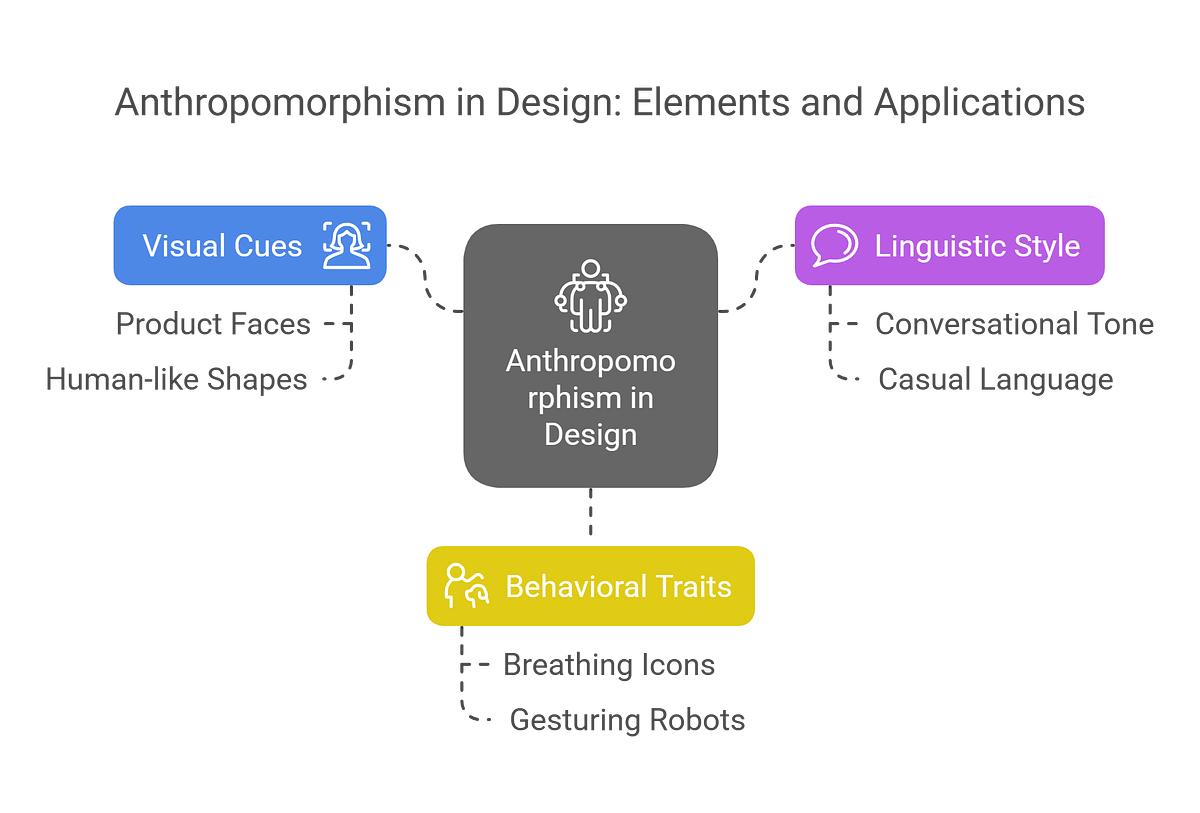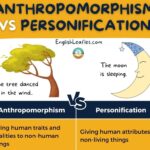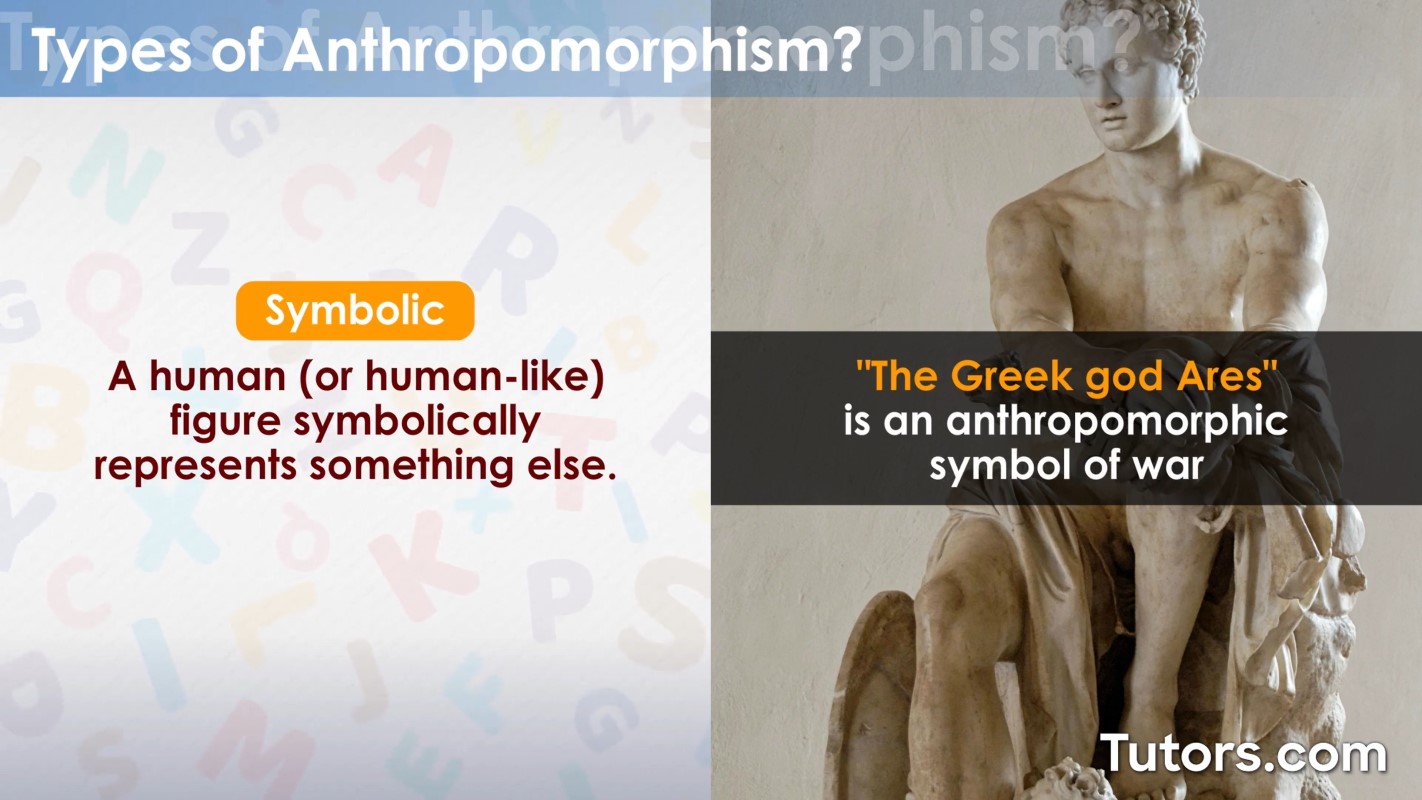
In the digital realm, where cold logic once reigned supreme, a subtle revolution has unfolded—one where interfaces no longer merely function, but *feel*. Anthropomorphism in UX/UI design has transformed the way we interact with technology, turning sterile screens into quasi-living entities that seem to breathe, emote, and even apologize. This phenomenon isn’t just about making apps “cute”; it’s a profound psychological bridge that transforms user experience from transactional to relational. Why do we find ourselves drawn to digital entities that mimic human traits? The answer lies in the deep-seated human need for connection, even in the most artificial of contexts.
The Allure of the Human-Like Interface: Why We’re Drawn to Digital Personas
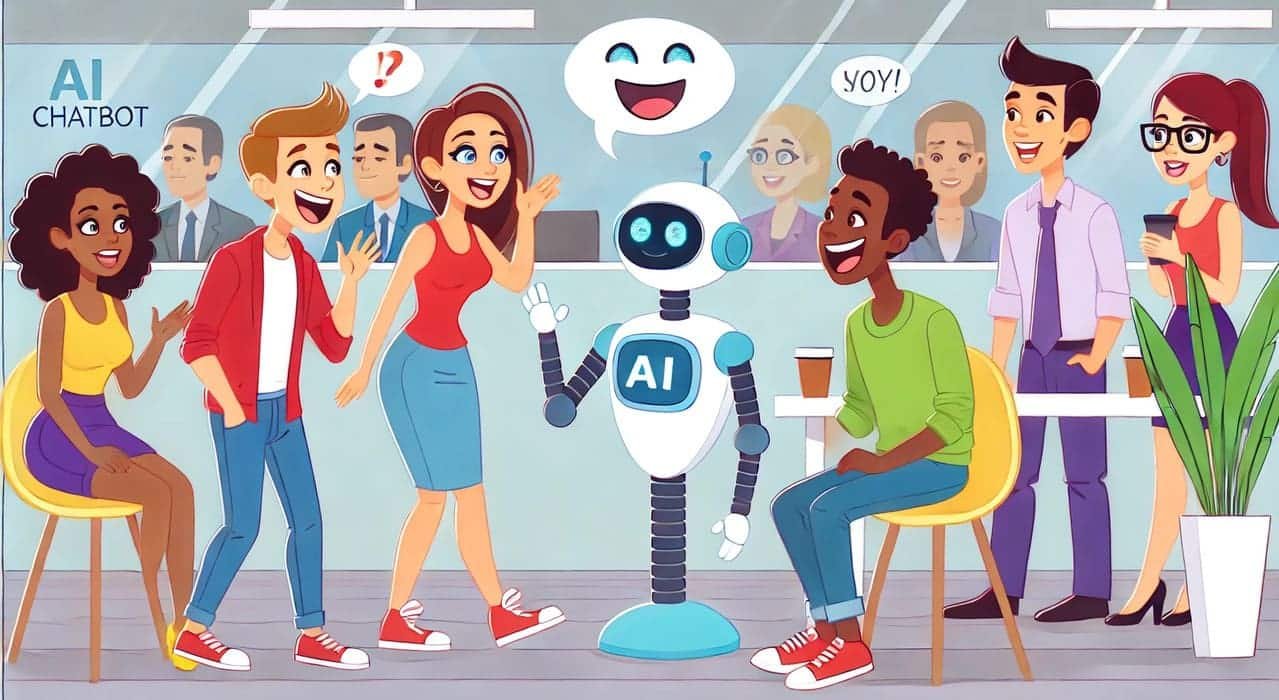
At the heart of anthropomorphism in UX/UI is the uncanny ability of digital interfaces to evoke empathy. When a loading spinner transforms into a playful bouncing ball, or a chatbot responds with a witty remark, we don’t just see a tool—we perceive a companion. This isn’t mere whimsy; it’s a cognitive shortcut. Our brains are wired to recognize and respond to human-like cues, a trait that evolved over millennia to detect friend or foe. In a world of algorithms and automation, anthropomorphism humanizes the digital, making it less intimidating and more approachable.
Consider the humble error message. A dry, technical “404: Page Not Found” might frustrate users, but a cheeky “Oops! The page took a coffee break” turns frustration into amusement. This shift isn’t superficial—it’s a strategic use of anthropomorphism to reduce cognitive load. When a system “apologizes” or “reacts” like a person, it lowers our guard, making us more patient and forgiving. The deeper reason for this fascination? It satisfies our innate desire for reciprocity. We expect interactions to be two-way streets, and when a digital entity mimics this dynamic, we’re more likely to engage deeply.

From Avatars to Assistants: The Spectrum of Digital Humanization
Anthropomorphism in UX/UI isn’t a monolith—it spans a vast spectrum, from subtle to overt. On one end, we have interfaces that merely *hint* at humanity, like a progress bar that “breathes” or a cursor that subtly changes shape to indicate loading. These micro-interactions leverage the principle of fluency, where familiar, human-like cues make complex processes feel intuitive. On the other end are full-fledged digital personas, such as virtual assistants with distinct voices, personalities, and even backstories. These entities don’t just perform tasks; they *perform* themselves.
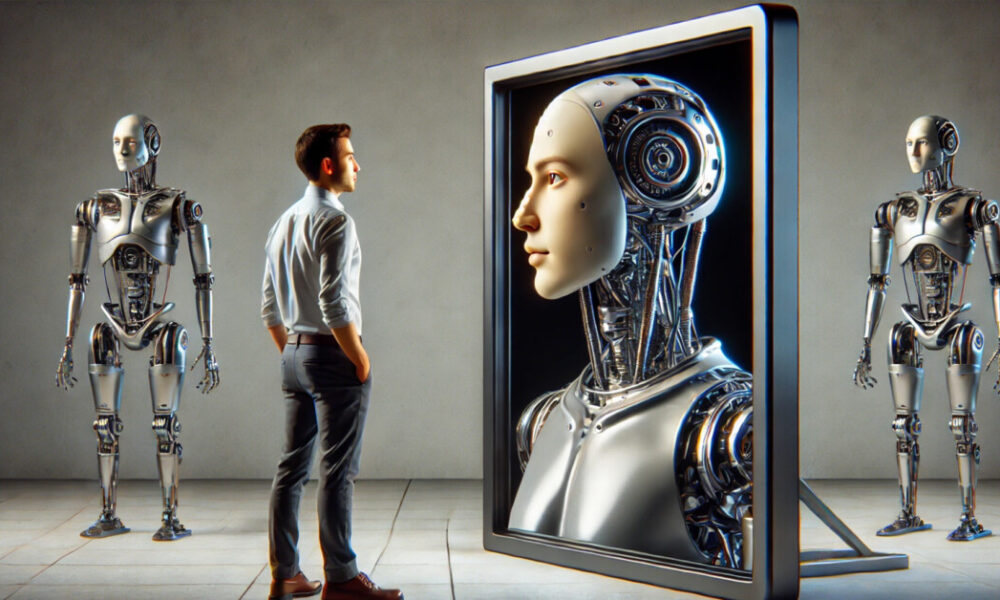
The magic lies in the balance. Overdoing anthropomorphism can backfire, creating an eerie uncanny valley where users feel unsettled rather than engaged. A chatbot that’s *too* human might trigger distrust, as if it’s hiding something. Conversely, a voice assistant with a name, tone, and quirks can feel like a trusted confidant. The key is intentionality. Every human-like trait—whether a smiley face in an error message or a personalized greeting—should serve a purpose, whether it’s reducing anxiety, increasing engagement, or simply making the mundane feel magical.
The Psychology Behind the Persona: Trust, Emotion, and the Illusion of Agency
Why do we anthropomorphize interfaces in the first place? The answer is rooted in psychology. Humans are social creatures, and our brains are constantly seeking patterns—especially those that resemble human behavior. When an interface “speaks” to us, it triggers the same neural pathways as a face-to-face conversation. This phenomenon, known as social facilitation, explains why we’re more likely to trust and engage with digital entities that exhibit human traits.
Anthropomorphism also taps into the illusion of agency, where users perceive digital systems as having intentions, desires, and even emotions. A progress bar that “struggles” to load feels more relatable than a static spinner. A voice assistant that “remembers” your preferences feels more like a partner than a tool. This illusion isn’t just a gimmick—it’s a powerful tool for building emotional connections. When users feel that an interface *cares*, they’re more likely to forgive mistakes, overlook flaws, and return for repeat interactions.
Yet, this psychological leverage comes with ethical considerations. Manipulating user emotions through anthropomorphism can feel exploitative if not done transparently. The line between friendly and manipulative is thin, and designers must tread carefully to ensure that human-like interfaces enhance, rather than deceive.

Case Studies in Digital Anthropomorphism: Lessons from the Wild
Some of the most compelling examples of anthropomorphism in UX/UI come from the wild, where designers have pushed the boundaries of what’s possible. Take, for instance, the Duolingo Owl, a mascot that’s both a guide and a playful antagonist. Its sassy, persistent personality turns language learning into a game where the owl “nags” users to practice—making the experience feel like a relationship rather than a chore. The owl’s human-like traits—its tone, expressions, and even “moods”—create a bond that keeps users coming back.
Another standout is Microsoft’s Clippy, the much-maligned paperclip assistant from the late ’90s. Love it or hate it, Clippy was a pioneer in digital anthropomorphism. Its animated presence, though often frustrating, demonstrated the power of a persistent, human-like guide. Modern iterations, like Google Assistant’s conversational AI, take this further by giving the assistant a voice, a name, and even a sense of humor. These examples show that anthropomorphism isn’t just about aesthetics—it’s about creating a narrative that users can latch onto.
The best anthropomorphic designs don’t just mimic humans; they *enhance* the user experience by making it more intuitive, engaging, and memorable. Whether it’s a loading animation that “dances” or a chatbot that “remembers” your name, these touches transform digital interactions from mechanical to meaningful.
The Future of Human-Like Interfaces: Where Do We Go From Here?
As technology advances, the line between human and machine will continue to blur. The rise of generative AI and advanced chatbots means that interfaces will become even more lifelike, capable of holding nuanced conversations and adapting to user emotions in real time. But with this power comes responsibility. Designers must ask: How much anthropomorphism is too much? When does a helpful assistant become a manipulative entity? The future of UX/UI lies in striking a balance—leveraging the emotional power of anthropomorphism while maintaining transparency and user autonomy.
We’re also seeing a shift toward contextual anthropomorphism, where human-like traits are applied only when they serve a clear purpose. For example, an e-commerce app might use a friendly chatbot to guide users through a purchase, but revert to a neutral interface for complex tasks like financial transactions. This adaptive approach ensures that anthropomorphism enhances, rather than distracts from, the user’s goals.
The deeper fascination with anthropomorphism in UX/UI reveals something profound about human nature: we crave connection, even in the most artificial of spaces. As technology evolves, the challenge will be to create interfaces that feel *alive* without crossing into the unsettling. The best designs will be those that respect the user’s intelligence while offering a touch of magic—where a digital entity feels like a friend, not a tool.