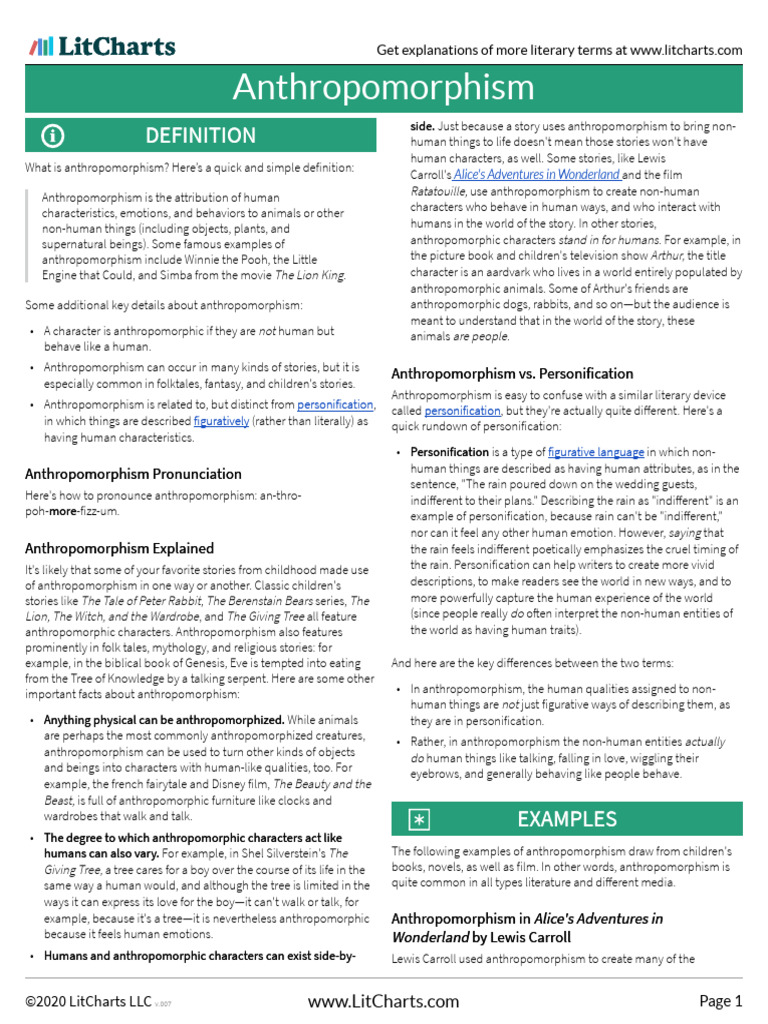
In the realm of medical advertising, a curious phenomenon is silently reshaping the way public health messages are perceived and internalized: anthropomorphism. By endowing inanimate diseases, viruses, or abstract health concepts with human traits and characteristics, medical ads forge an emotional nexus between the audience and otherwise impersonal health threats. This intriguing narrative device promises a paradigmatic shift—transforming cold statistics and scientific jargon into gripping, relatable stories that provoke awareness, action, and sometimes unexpected reactions. Exploring how anthropomorphism influences public health campaigns reveals a fascinating interplay between empathy, cognition, and behavioral change, opening new pathways for communication strategy and ethical consideration.
Anthropomorphism as a Catalyst for Emotional Engagement
At its core, anthropomorphism operates as an evocative bridge connecting the abstract world of disease with the tangible dimensions of human experience. When ailments are personified—depicted with faces, emotions, and intentions—they morph from faceless threats into recognizable characters. This engenders emotional resonance, allowing audiences to grapple with health information not as sterile data but as a narrative imbued with personality and purpose. For instance, envisioning a virus as a mischievous antagonist or a friendly immune cell as a vigilant guardian triggers affective responses that statistics alone rarely achieve.
The emotional engagement elicited by such representations is not merely superficial; it tangibly influences memory retention and persuasive impact. Medical ads leveraging anthropomorphism tap into underlying psychological mechanisms, such as empathy and theory of mind, which enable individuals to infer intentions and feelings in others. This humanizing effect compels viewers to care more deeply about the message, potentially heightening motivation to adopt healthier behaviors or heed preventative advice.
Transforming Compliance: Anthropomorphism’s Role in Behavioral Change
Behavioral compliance, especially in the context of health recommendations, often hinges on personal relevance and perceived threat. Anthropomorphism has demonstrated an uncanny ability to recalibrate these perceptions. By animating diseases with human-like qualities—such as desires, cunning, or vulnerabilities—medical advertisements can make risks feel more immediate and personalized.
This personification can induce a cognitive shift: audiences begin to conceptualize diseases not merely as invisible biological processes but as entities capable of intent or malice. This tangible conceptualization simplifies complex medical information, reducing psychological distance and enhancing the urgency of precautionary measures. Consequently, compliance rates with preventive actions—such as vaccination, hand hygiene, or screening—can experience measurable improvement as individuals perceive themselves in a more direct, almost interpersonal conflict with the anthropomorphized threat.
Anthropomorphism and the Dichotomy of Fear Versus Empowerment
However, anthropomorphism navigates a delicate balance between inciting constructive fear and overwhelming anxiety. Portraying diseases as malevolent characters may heighten vigilance, but it also risks instigating dread or fatalism. If a disease is rendered as overwhelmingly sinister and invincible, public health messages may paradoxically extinguish hope, discouraging proactive behavior.
Conversely, anthropomorphism can also facilitate empowerment by attributing vulnerabilities or human errors to the medical threats. When a disease is shown as fallible or defeatable, audiences internalize a sense of agency—fostering confidence that their actions matter. This nuanced portrayal nurtures resilience and sustains engagement, emphasizing partnership rather than passive victimhood in health outcomes. The strategic use of anthropomorphism, therefore, holds the power to pivot messaging from paralyzing fear to inspiring determination.
Amplifying Comprehension Through Visual Metaphors
Visual metaphors embedded in anthropomorphic depictions serve as powerful pedagogical tools, particularly in public health campaigns that cater to diverse literacy levels. By translating complex physiological or epidemiological concepts into recognizable human-like figures, ads circumvent barriers of language and education, making information more accessible.
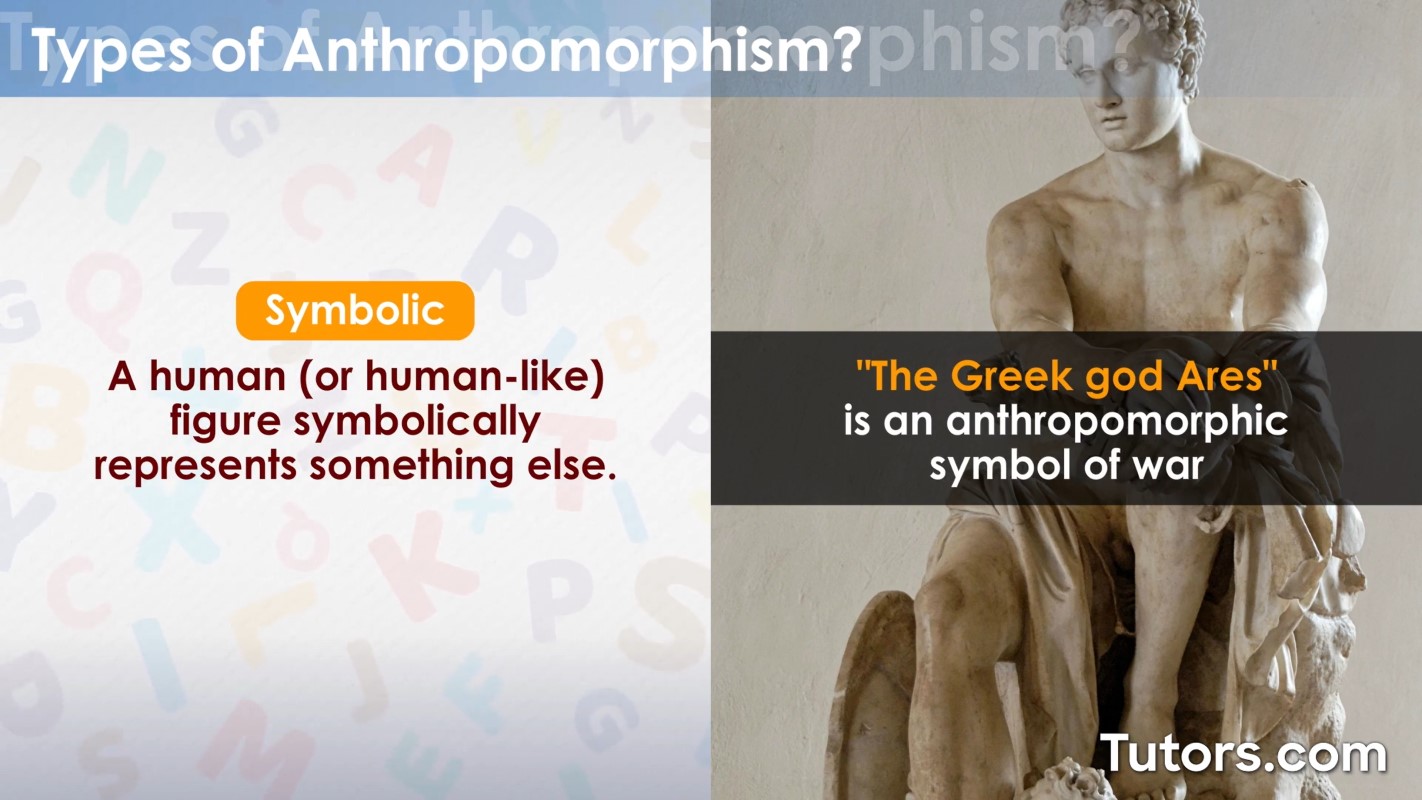
For example, illustrating the immune system as an army of heroic defenders or depicting the spread of infection as an invading horde personifies mechanisms that otherwise remain invisible or abstract. These symbolic frameworks not only educate but also stimulate curiosity, prompting individuals to seek deeper understanding or discuss health topics more openly. This democratization of medical knowledge enriches community health literacy, which is foundational to effective disease prevention and control.
Unintended Consequences and Ethical Implications
While anthropomorphism holds considerable promise, it also carries risks that warrant careful scrutiny. Mischaracterizing or oversimplifying diseases through human traits can inadvertently propagate stigma or misinformation. For instance, portraying certain conditions as “evil” or “dangerous personalities” might exacerbate social ostracism for affected individuals.
Moreover, over-reliance on anthropomorphic narratives could obscure the scientific complexity of health issues, leading to misconceptions that undermine critical thinking. Ethical stewardship requires that medical advertising balances creativity with accuracy, ensuring that personification illuminates rather than distorts the reality of disease and prevention.
Redefining the Future of Medical Advertising
The integration of anthropomorphism into medical advertising signals a formidable evolution in public health communication. It challenges traditional paradigms, inviting creators to weave compelling stories that transcend mere factual reporting and engage audiences on a visceral level. As digital platforms proliferate and competition for attention intensifies, the deployment of anthropomorphic characters or narratives offers a distinctive avenue to cut through informational noise.
Looking forward, the potential lies not just in the novelty of human-like depictions but in their thoughtful calibration to diverse cultural contexts, health priorities, and audience sensibilities. Advanced technologies such as virtual influencers and interactive media further expand the canvas upon which anthropomorphic storytelling can unfold. These innovations pledge to refine message delivery, foster sustained behavioral change, and elevate public health to new heights of visibility and impact.
Ultimately, anthropomorphism in medical ads does more than personify illness—it personifies an opportunity: to reconceptualize how health crises are communicated, understood, and confronted. This promising shift beckons communicators and policymakers to harness empathy and imagination as potent allies in the enduring struggle to protect and promote public health.