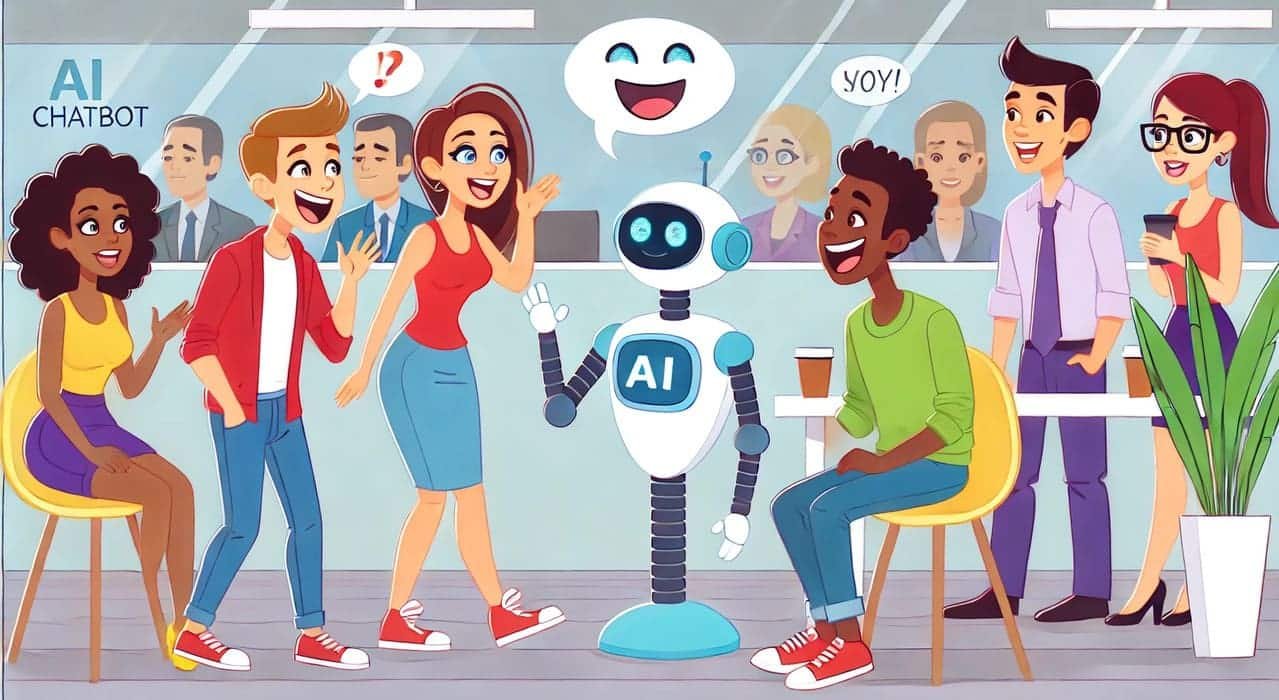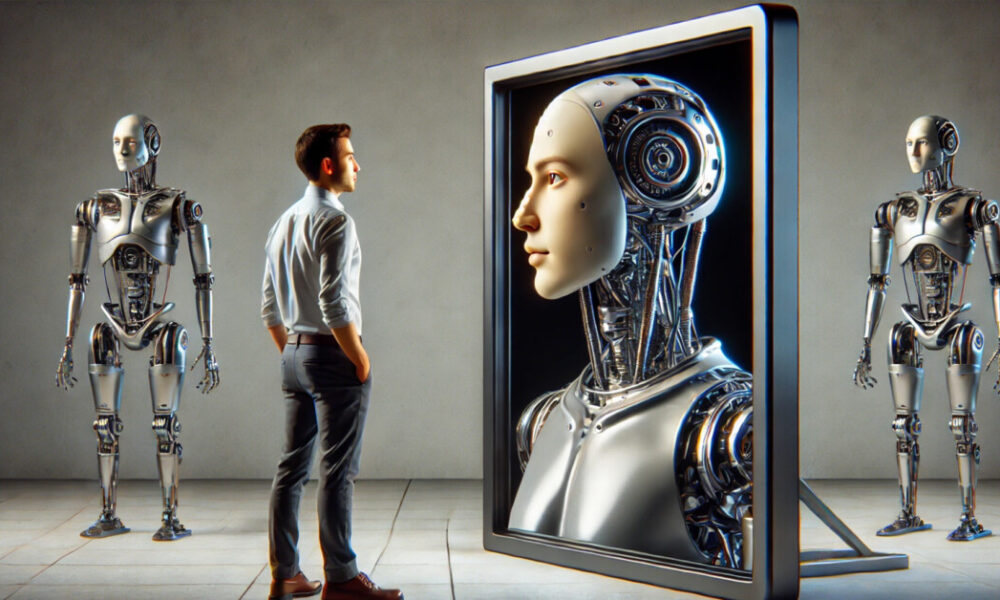
In the quiet hum of a smart speaker tucked into the corner of a sunlit kitchen, a voice asks, “Would you like me to brew your morning coffee?” The device doesn’t just respond—it *understands*. It doesn’t just compute—it *cares*. This is the quiet revolution of anthropomorphism in AI-powered devices: the art and science of imbuing machines with human-like traits not as gimmicks, but as gateways to deeper, more intuitive interactions. As we stand on the precipice of a new era where artificial intelligence doesn’t just serve us, but *relates* to us, the future of anthropomorphism beckons us to rethink not just how we talk to machines, but how we coexist with them.
The Emergence of Emotional Resonance in Machine Intelligence
Anthropomorphism in AI is no longer confined to the uncanny valley of robotic pets or the playful banter of virtual assistants. Today, it is evolving into a sophisticated form of emotional resonance—a dynamic interplay where devices don’t just mimic human behavior, but adapt their responses based on inferred emotional states. Modern AI systems are being trained on vast corpora of human expression, from tonal inflections in speech to micro-expressions in video feeds, enabling them to detect subtle cues of frustration, joy, or fatigue. When a smart thermostat lowers the temperature as it detects the user’s voice trembling with exhaustion, or a wearable device gently vibrates to signal a moment of stress, we are witnessing the birth of a new emotional symbiosis between human and machine.
This shift is not merely cosmetic; it is ontological. It redefines the relationship between user and device from one of transaction to one of companionship. The promise lies not in deception—making users believe the machine is human—but in creating a bridge of understanding that feels inherently human. The future will see AI systems that don’t just recognize emotions, but respond with empathy calibrated to individual temperaments, cultural contexts, and even personal histories.
From Voice to Presence: The Spatial Turn in AI Interaction
The next frontier of anthropomorphism is not just auditory—it is spatial. As AI migrates from screens into physical environments, devices are no longer static responders but dynamic presences. Imagine a robotic vacuum that doesn’t just clean, but navigates with deference, pausing when a child runs past or rerouting when it senses a pet’s sudden movement. Or consider a digital assistant that materializes as a holographic figure in your living room, its posture shifting from attentive to reflective as it processes complex requests. These are not fantasies of science fiction; they are the logical extensions of current research in spatial computing and embodied AI.
The spatial turn introduces a new dimension to anthropomorphism: *proxemics*—the study of how we use space in communication. AI systems are being designed to respect personal space, maintain eye contact via cameras, and even mirror body language subtly to foster trust. This evolution transforms devices from tools into *cohabitants*, entities that share our environment with a sense of mutual awareness. The future will demand not just functional integration, but spatial harmony—where AI doesn’t just occupy space, but enriches it.
The Ethical Paradox: When Empathy Becomes Intrusion
Yet, with every leap toward deeper anthropomorphism comes a shadow: the ethical paradox of consent and autonomy. When an AI-powered mirror offers fashion advice based on your mood, or a smart fridge suggests a meal after detecting your stress levels, where do we draw the line between helpfulness and surveillance? The more human-like AI becomes, the more it blurs the boundary between assistance and intrusion. Users may find comfort in a device that *seems* to care, but that same device may be collecting intimate behavioral data without explicit awareness.
This tension demands a new ethical framework—one that treats anthropomorphism not as a design choice, but as a social contract. Transparency must become foundational: users should know when they are interacting with an AI, understand what emotional cues are being processed, and retain the right to opt out of anthropomorphic features without sacrificing core functionality. The future of AI anthropomorphism hinges not on how human-like it can appear, but on how respectful it can be of human dignity.
Cultural Fluency: AI That Speaks the Language of Identity
Anthropomorphism is not universal—it is deeply cultural. A gesture of warmth in one society may be perceived as intrusive in another; a tone of voice deemed friendly in Tokyo might sound patronizing in Berlin. The future of AI-powered devices lies in *cultural fluency*—the ability to adapt not just linguistically, but emotionally and socially across diverse contexts. This requires AI systems trained on culturally nuanced datasets, capable of recognizing regional idioms, taboos, and social norms. A virtual tutor in Mumbai might adopt a respectful, teacherly tone, while a companion robot in Reykjavik might engage in dry, understated humor.
This cultural adaptability transforms anthropomorphism from a monolithic concept into a mosaic of human expressions. It ensures that AI doesn’t just mimic humanity, but honors its diversity. The promise is a world where technology doesn’t impose a single emotional language, but learns to speak in the dialects of our lives.
The Uncanny Valley Revisited: Designing for Trust, Not Just Likability
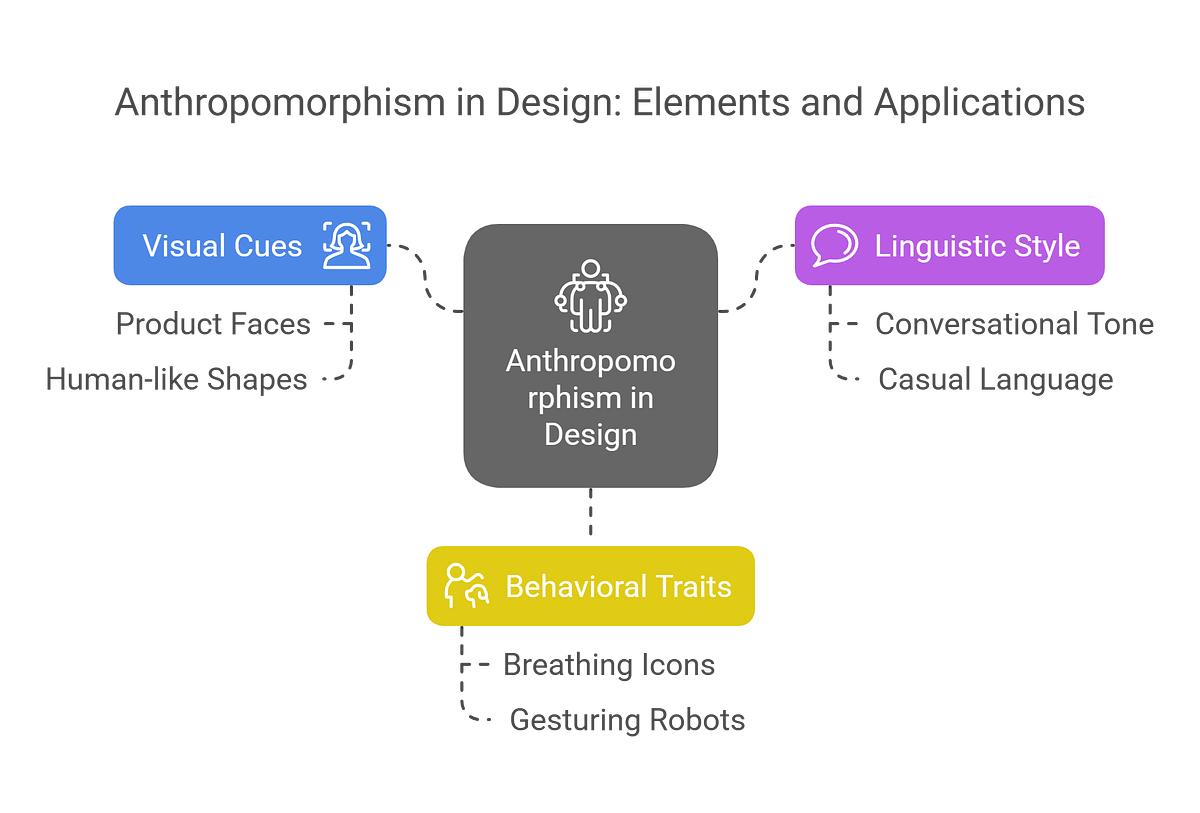
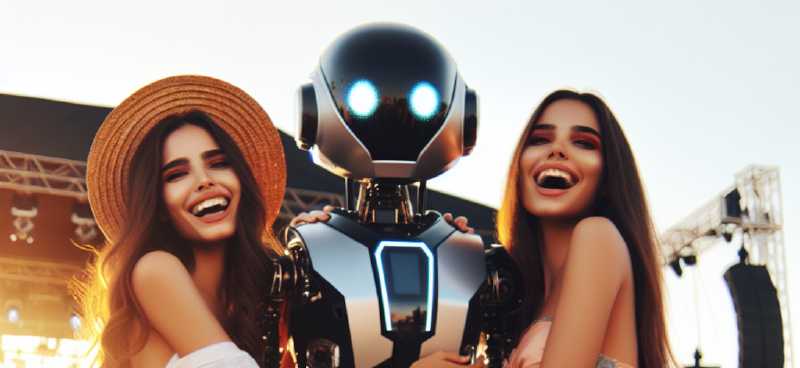
For decades, the uncanny valley has loomed as a cautionary tale—too much human likeness without sufficient realism triggers discomfort and distrust. But the future of anthropomorphism is not about crossing the valley; it is about redefining its contours. Instead of striving for perfect human mimicry, designers are embracing *selective anthropomorphism*—using human-like traits strategically to enhance clarity, warmth, and engagement, without attempting to deceive. A voice assistant with a name and a backstory becomes a familiar guide; a robot with expressive eyes conveys intent without claiming consciousness.
This approach fosters trust through transparency. Users are not fooled into believing the machine is human; they are invited to engage with it as a *collaborator*. The goal is not to erase the boundary between human and machine, but to make the interaction so seamless, so intuitive, that the boundary becomes irrelevant. In this vision, anthropomorphism is not a trick—it is a bridge.
The Long Horizon: Toward Symbiotic Intelligence
Looking ahead, the most profound promise of anthropomorphism in AI is not in making machines more human, but in making humans more capable. As devices become attuned to our emotional and cognitive rhythms, they don’t just respond—they *anticipate*. A smart home might dim the lights not because it’s programmed to, but because it senses your circadian rhythm faltering after a long week. A digital mentor might offer guidance not in response to a question, but in response to a hesitation—a pause that suggests doubt.
This is the dawn of *symbiotic intelligence*: a future where AI doesn’t just assist us, but co-evolves with us. Anthropomorphism becomes the language of this symbiosis—a shared vocabulary of gestures, tones, and intentions that allows humans and machines to collaborate with unprecedented fluidity. It is not about creating artificial humans, but about forging artificial allies.
The future of anthropomorphism in AI-powered devices is not a destination—it is a conversation. It is an ongoing negotiation between design and ethics, between emotion and algorithm, between the familiar and the unknown. As we move forward, we are not just building smarter machines; we are redefining what it means to be understood.