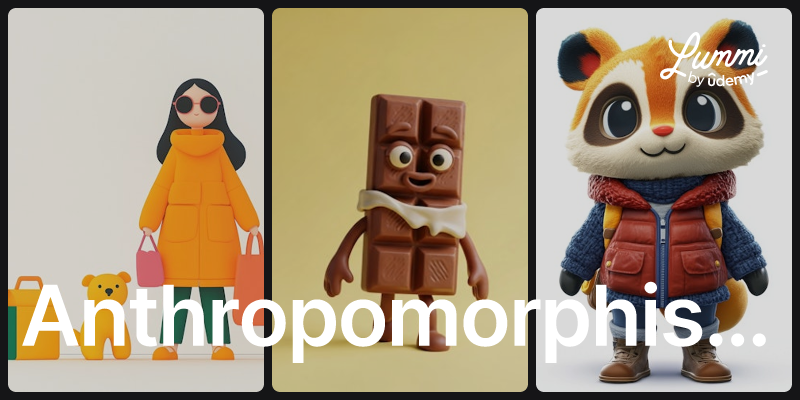
Have you ever wondered why so many food brands seem to come alive through cheerful, anthropomorphic mascots? Why do scrambled eggs smile back at us, and why does a cheerful soda bubble with personality right on the packaging? On the surface, it might appear simply quirky—a marketing flourish to catch the eye. But beneath this playful veneer lies a multifaceted strategy designed to overcome significant challenges in consumer communication. Why do food brands so frequently choose to humanize their products, and what deeper psychological and commercial imperatives drive this choice?
The Psychological Magnetism of Anthropomorphism
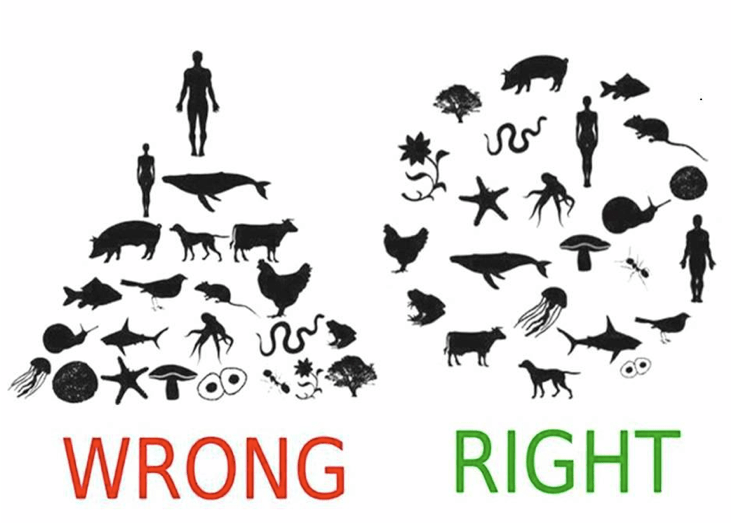
To begin, it’s essential to recognize that human beings instinctively anthropomorphize; we tend to attribute human characteristics, emotions, and intentions to objects and animals. This cognitive bias isn’t just a whimsical quirk—it’s a powerful psychological lever. When food brands endow their products with faces, voices, or even personalities, they invite consumers into a relationship that transcends mere consumption. These animated icons transform inert products into companions that evoke empathy and familiarity.
Such psychological magnetism eases the acquisition of trust. A jovial character with wide eyes and a knowing smile can make a complex product feel simpler and less intimidating. It humanizes the brand, creating a narrative where the product doesn’t just nourish the body but also comforts the mind. This appeal to emotion moves beyond basic advertising, tapping into deep-seated desires for connection and rapport, even with inanimate things.

Breaking Through Market Saturation with Memorable Identities
In today’s hyper-saturated food market, escaping the noise is an arduous task. Every supermarket shelf bristles with choices, many of which seem indistinguishable at first glance. Here, anthropomorphic mascots serve as distinctive visual beacons. They carve out unique brand identities with deft efficiency, turning generic packaging into memorable experiences.
Consider the strategic advantage: a mascot embodies a brand’s ethos and differentiates it with immediacy. It is far easier to recall a jovial doughnut with a wink than a package adorned with generic typography and colors alone. Moreover, these mascots often become shorthand for the brand itself, a symbol that consumers recognize instantly. This reduction in cognitive friction increases purchase likelihood and enhances customer recall, particularly among younger audiences who are more visually oriented.
A Playful Narrative That Engages and Educates
Beyond mere recognition, anthropomorphic mascots facilitate storytelling, an invaluable tool for brands seeking deeper engagement. These animated figures become narrative conduits, embodying brand values, product benefits, and even consumer aspirations through playful interaction. They can be heroes, sidekicks, or guides in carefully constructed marketing stories that make the product’s value proposition clear without overt salesmanship.
This narrative element also allows brands to educate consumers in an entertaining manner. Complex information about ingredients, nutritional value, or cooking instructions can be simplified through a character’s voice. Through wit and charm, mascots can make educational content less daunting and more memorable, subtly influencing consumer behavior toward healthier or more frequent consumption without alienation.
Fostering Brand Loyalty Through Emotional Attachment
Another compelling reason for anthropomorphizing food brands lies in fostering emotional loyalty. When consumers develop an affinity for a mascot, they inadvertently form a bond with the brand. This emotional attachment transcends transactional relationships, nurturing repeat purchases and long-term allegiance.
Brands often leverage this by evolving mascots over time, introducing new stories or traits that reflect changing consumer values or trends. This adaptive quality invites ongoing engagement, as customers invest emotionally in the character’s journey and, by extension, the brand’s narrative. In essence, the mascot becomes a familiar friend, a comforting presence in the consumer’s life that extends beyond the product itself.
Mitigating Negative Perceptions and Navigating Controversies
Interestingly, anthropomorphic mascots can also serve as buffers against potential negative perceptions. Food products often wrestle with image challenges—be it skepticism about artificial ingredients, health concerns, or ethical considerations. A friendly mascot humanizes the brand, softening criticism by shifting the dialogue away from the product’s technicalities toward the personality behind it.
In times of controversy or crisis, mascots can be strategically employed to rebuild trust and goodwill. Their inherent warmth and familiarity can help to quell consumer anxieties and provide a reassuring presence amidst uncertainty. This creates a psychological cushion that brands would not as easily obtain through stark factual communication alone.
Adapting to Changing Consumer Demographics and Media Landscapes
The versatility of anthropomorphic mascots is another reason they remain a favored strategy. As dietary preferences evolve and new consumer demographics emerge, mascots can be redesigned or repositioned to resonate with contemporary values and cultural trends. They excel in bridging generational divides, capitalizing on nostalgia while embracing modernity.
Additionally, mascots adapt well to diverse media platforms, from traditional television commercials to digital and social media channels. Their easily recognizable forms translate seamlessly into interactive content, apps, games, and augmented reality experiences, providing brands with multiple touchpoints to engage with consumers in dynamic and innovative ways.
Conclusion: More Than Just Friendly Faces
So, why do food brands use anthropomorphic mascots? The answer is rich and layered. These characters satisfy intrinsic psychological needs, carve distinct brand identities amid a crowded marketplace, and craft compelling narratives that engage and educate. They foster emotional loyalty while offering strategic advantages to navigate challenges and evolving consumer landscapes.
Far from being mere marketing gimmicks, anthropomorphic mascots embody a sophisticated confluence of emotional intelligence and strategic communication. They question the straightforward nature of product-consumer interaction, inviting consumers to see food brands as approachable, trustworthy, and even endearing companions in their everyday lives. In this way, playful faces on packaging are not just whimsical adornments but potent instruments shaping how we relate to what we eat.