Have you ever noticed how a child’s eyes light up when a toy robot seems to “smile” back at them or how a storybook character elicits real tears after an adventurous mishap? This captivating reaction might seem simple at first glance but begs a deeper question: To what extent does anthropomorphism—the imitation of human traits in non-human entities—ignite empathy within a child’s developing mind? And what challenges could arise as this fascinating interplay shapes their understanding of the world around them?
Understanding Anthropomorphism and Its Roots in Childhood
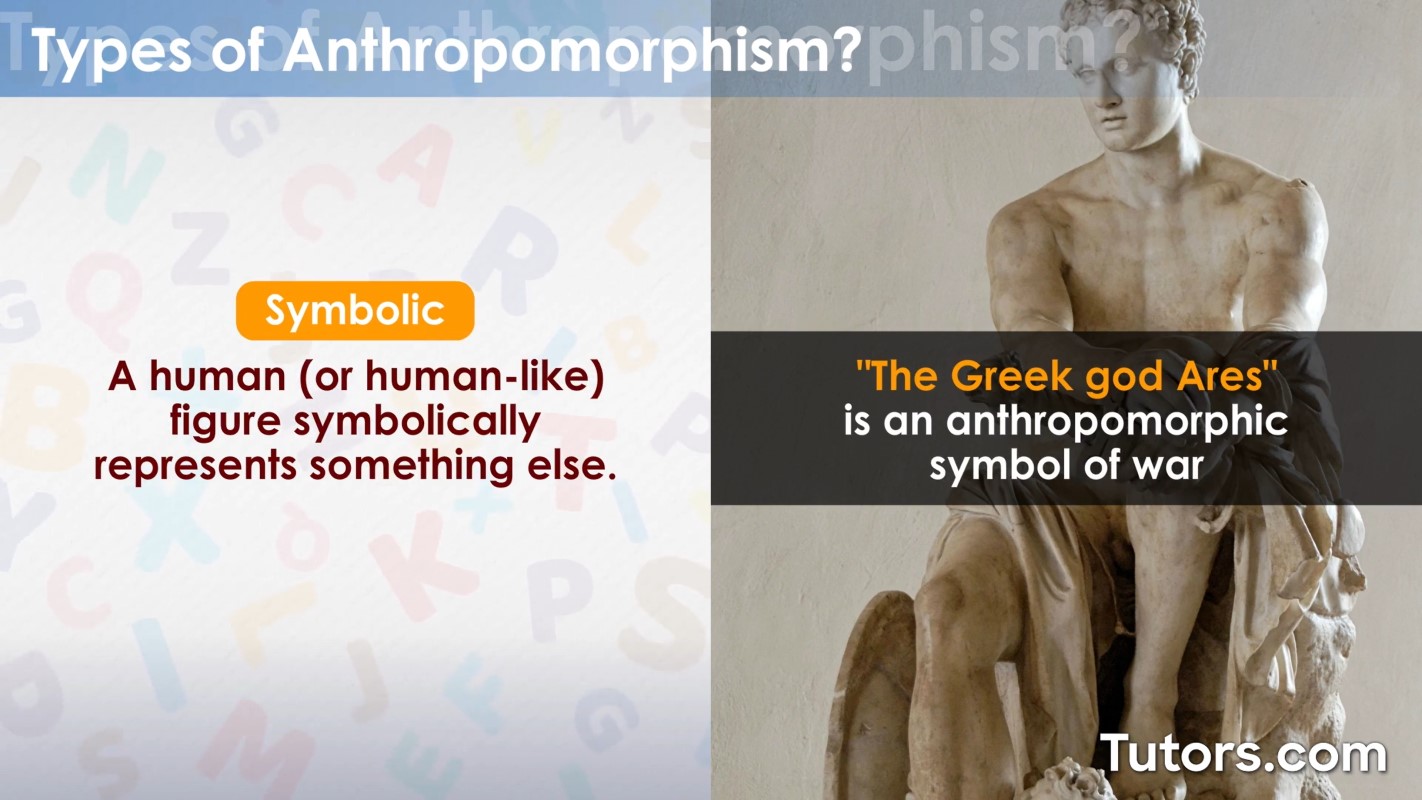
Anthropomorphism, at its core, is the attribution of human characteristics, emotions, or intentions to animals, objects, or even abstract concepts. From the earliest stages of cognitive development, children are naturally inclined toward this form of imaginative projection. It serves as an intuitive mechanism allowing young minds to bridge the complex gap between the animate and inanimate, the known and the unknown. The cheerful smile of a stuffed bunny, the reassuring wink of a robot toy, or the animated tears of a cartoon character provide a scaffold for children to navigate empathy by mirroring familiar human gestures.
This tendency is not merely fanciful whimsy. Instead, it can be seen as a foundational cognitive strategy that facilitates social understanding. When non-human entities adopt apparent emotions or intentions, children can practice recognizing feelings without the pressure or unpredictability of direct interpersonal encounters. This indirect interaction becomes a safe playground for their burgeoning social and emotional capacities.

Anthropomorphism as a Gateway to Empathy Development
The question then arises: how precisely does anthropomorphism promote empathy in children? Empathy—the ability to identify with and understand another’s emotional state—is crucial for successful social interaction and moral development. By attributing human qualities to non-human agents, children are invited to engage in a sort of emotional rehearsal. They imagine what it might be like to be “someone else,” even if that someone else is a creature made of plastic or pixels.
This imaginative leap is not trivial. It triggers neural and psychological processes akin to those activated in real-life empathy. Children learn through repeated interactions with anthropomorphized characters and objects, developing perspective-taking abilities and emotional resonance. The emotional connection formed with these non-human entities often mirrors that formed with human companions. The boundary between “real” and “imagined” blurs, allowing true compassionate responses to emerge.
Importantly, this connection is frequently nurtured through storytelling and play—two pillars of child development. Narrative frameworks allow children to journey alongside anthropomorphized characters through conflict, loss, and triumph. Through such journeys, children internalize emotions, values, and ethical judgments in a way that is both engaging and deeply memorable.
The Role of Playful Interaction and Imaginative Engagement
Play is arguably the most potent arena for the synthesis of anthropomorphism and empathy. When children imbue toys or fictional protagonists with human-like traits, they embark on complex emotional exchanges that resemble human social interactions. These exchanges can encompass caring for a “living” pet rock, negotiating emotions with a superhero doll, or comforting a robotic companion that “feels” lonely.
These anthropomorphic engagements present essential opportunities and challenges. On the one hand, they help children practice compassion, cooperation, and emotional regulation in a low-stakes environment. On the other hand, there is the potential for blurred boundaries between reality and fiction, which could complicate emotional discernment if not guided appropriately.
Caregivers and educators play a pivotal role by framing these interactions and encouraging critical reflection. Helping children understand the distinctions between animate and inanimate, real and imagined, reinforces emotional literacy without diminishing imaginative freedom. When balanced thoughtfully, these adult interventions enrich the depth and quality of children’s empathetic capabilities.
Anthropomorphism in Technology: Robots, AI, and Empathy
In an increasingly digitized age, anthropomorphism extends beyond traditional toys and stories to encompass robots and artificial intelligence interfaces. Children today often interact with gadgets that simulate human expressions and reactions. This technological displacement raises compelling questions: Can anthropomorphized machines truly foster empathy? Or might they unwittingly skew emotional development?
Robotic companions designed with human-like facial cues and responsive behaviors can encourage children to attribute feelings and intentions where none intrinsically exist. This might foster prosocial behaviors and emotional engagement, expanding the realm of empathetic experience. However, there looms a challenge—a risk of substituting genuine human connection with algorithmic imitation. Children might develop unrealistic expectations about relationships or confuse programmed responses with authentic emotional exchange.
The ethical and psychological implications urge caution, demanding that technological anthropomorphism be thoughtfully integrated with human guidance. When harnessed wisely, such technologies hold promise to complement traditional empathic learning, offering novel avenues for inclusivity, education, and socialization.
Empathy Through the Lens of Animal Anthropomorphism
Animals have long been anthropomorphized in folktales, educational materials, and popular media, providing another rich dimension for children’s empathy to flourish. Laying human traits over animal characters often highlights virtues such as kindness, bravery, or perseverance, facilitating moral understanding.
When children relate empathetically to animals portrayed with human feelings, they simultaneously cultivate concern for living beings beyond their immediate social circle. This expanded moral horizon can nurture environmental stewardship and cross-species compassion. The challenge here arises in balancing idealized portrayals with realistic understanding—recognizing the intrinsic nature of animals while appreciating empathetic connections.
By integrating anthropomorphic narratives with factual knowledge, caregivers can foster nuanced empathy that embraces both imagination and reality, cultivating a sophisticated emotional intelligence in young minds.
Navigating the Challenge: When Anthropomorphism Hinders Empathetic Growth
Yet, the story is not without complications. One potential pitfall is the overextension of anthropomorphic illusions, wherein children may misinterpret or misattribute emotions and intentions. This can lead to confusion, misplaced trust, or frustration when inanimate objects or fictional characters fail to behave as expected in human terms.
Additionally, an overreliance on anthropomorphic cues might overshadow important lessons about diversity in emotional expression. Real people differ widely in how they communicate feelings, and not all experiences fit neatly into familiar human archetypes presented by anthropomorphized entities.
Therefore, steering children through a balanced approach—valuing imaginative empathy without sacrificing critical emotional awareness—is paramount. Encouraging inquiry, open dialogue, and reflective thinking can equip children with the tools needed to navigate both the comforts and complexities of their anthropomorphic encounters.
The Transformative Power of Anthropomorphism in Emotional Education
Ultimately, anthropomorphism acts as a powerful catalyst in shaping empathy within children. It unlocks a playful yet profound channel through which emotions are explored, practiced, and understood. From the smiles of stuffed animals to the interactive gaze of robots, anthropomorphic agents offer safe, imaginative spaces for empathy to grow and mature.
When embraced with intentional guidance and sensitivity, this interplay fosters emotional resilience, social connection, and moral sensitivity. It prepares children not only to care more deeply for animate and inanimate others in their immediate environment but to engage compassionately with the broader tapestry of life.
In a world where understanding and kindness remain urgent imperatives, nurturing empathy through anthropomorphism—a seemingly simple yet complex phenomenon—may well be one of the most enchanting and essential gifts we can offer the next generation.