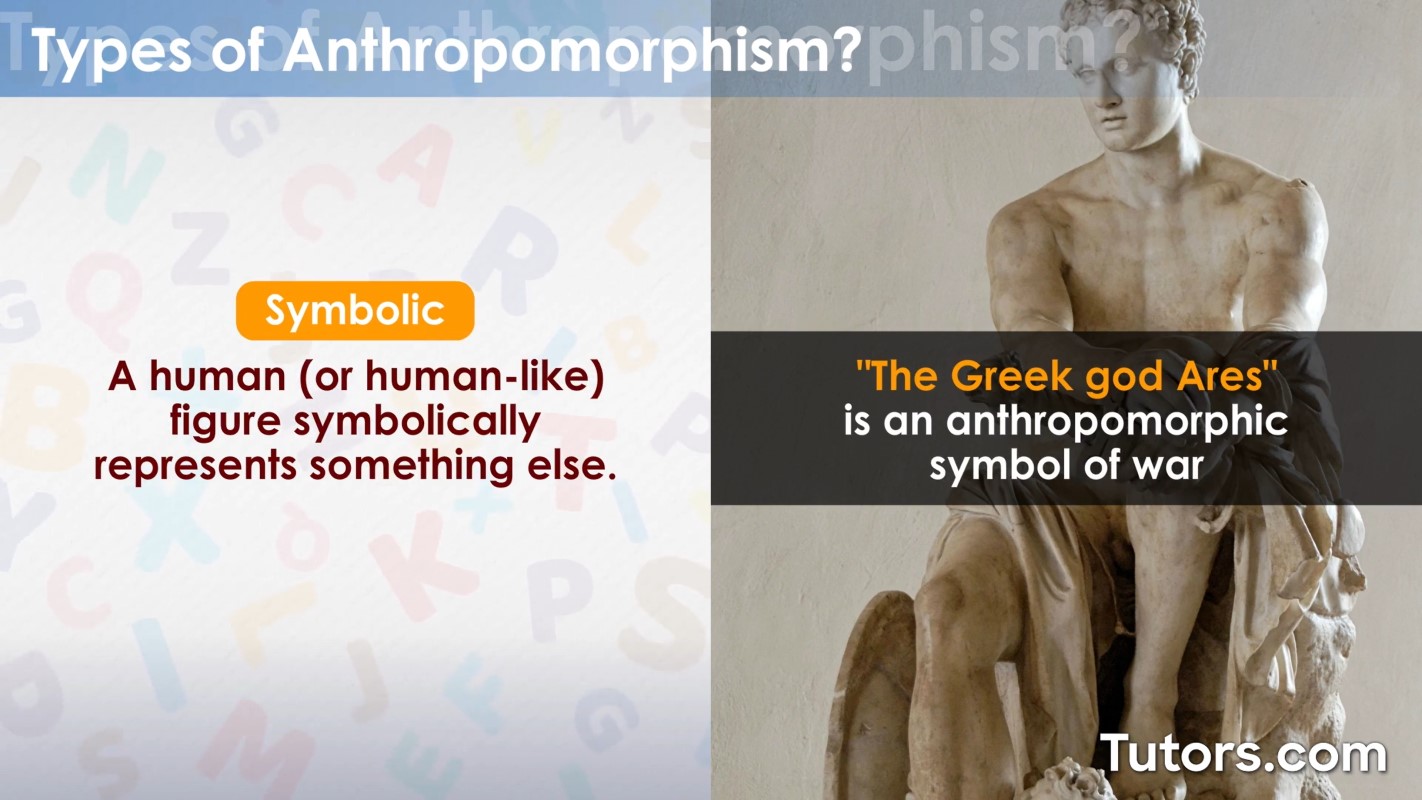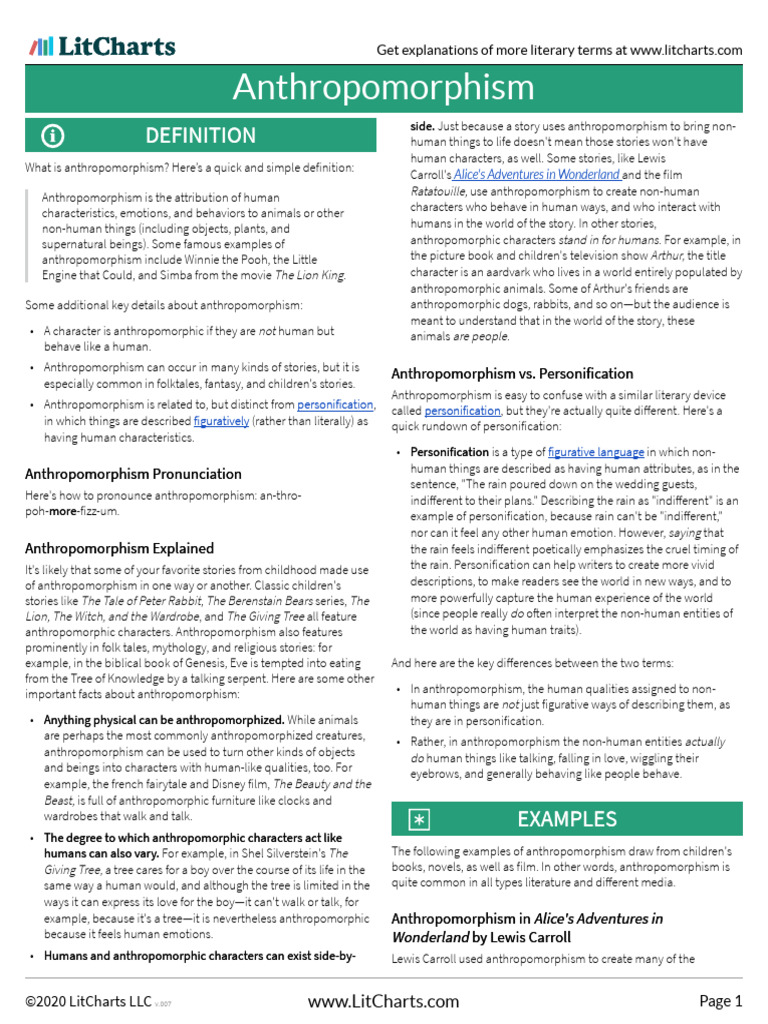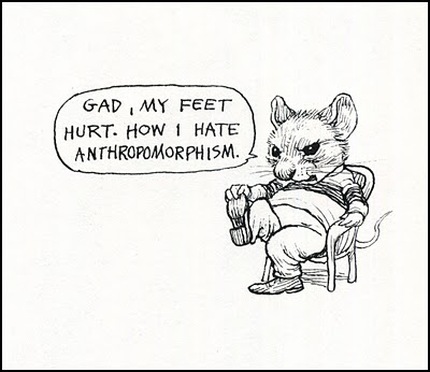
Children’s innate fascination with anthropomorphism—the attribution of human traits, emotions, or intentions to non-human entities—permeates much of their early interactions with the world. This phenomenon is not merely a whimsical aspect of childhood but rather a profound cognitive and social process that shapes how children perceive, interpret, and relate to their environment and the beings within it. The prevalence of talking animals, animated objects, and personified characters in children’s media reflects a universal observation: kids naturally connect more deeply with entities that exhibit human-like qualities. Yet beneath this conspicuous enchantment lie intricate psychological mechanisms and developmental imperatives that influence social perception from a tender age.
The Roots of Anthropomorphic Fascination in Childhood
Anthropomorphism emerges as an inherent cognitive strategy that helps children navigate the complex social and physical world. At a developmental juncture where abstract reasoning is still burgeoning, humanizing animals and objects offers a familiar framework through which children can ascribe meaning, motivation, and emotional depth to their surroundings. This cognitive scaffolding simplifies the ambiguity of non-verbal stimuli, enabling children to scaffold social understanding onto the known template of human behavior. Consequently, encounters with anthropomorphic characters are not merely entertainment but vital interpretive tools that scaffold early social cognition.
Moreover, anthropomorphism taps into children’s profound need for connection and empathy. The depiction of animals or inanimate objects expressing recognizable emotions acts as a conduit for emotional resonance, facilitating the development of Theory of Mind—the ability to attribute mental states to oneself and others. This emerging skill is essential for social perception, as it fosters empathy, perspective-taking, and social attunement. Children’s proclivity for anthropomorphism thus mirrors their burgeoning capacity to navigate interpersonal dynamics with increasing sophistication.

Anthropomorphism as a Social Cognitive Enhancer
By attributing human characteristics to non-human agents, children engage in an active process of sense-making that intricately enhances social cognition. Anthropomorphic representations often embody moral lessons, social norms, and emotional cues, making them powerful pedagogical tools in early socialization. Stories featuring anthropomorphic characters frequently exemplify cooperation, prosocial behavior, and ethical dilemmas in accessible and emotionally engaging ways.
These narratives catalyze the internalization of social scripts—unspoken rules governing interactions within a social milieu—and broaden children’s understanding of complex social phenomena. In essence, anthropomorphic characters act as simulacra through which children experiment with social roles, intentions, and emotional responses in a risk-free environment. This experiential vicariousness sharpens social perception, imbuing children with nuanced interpretive skills that transcend literal human interactions.
The Influence of Media and Literature on Anthropomorphic Engagement
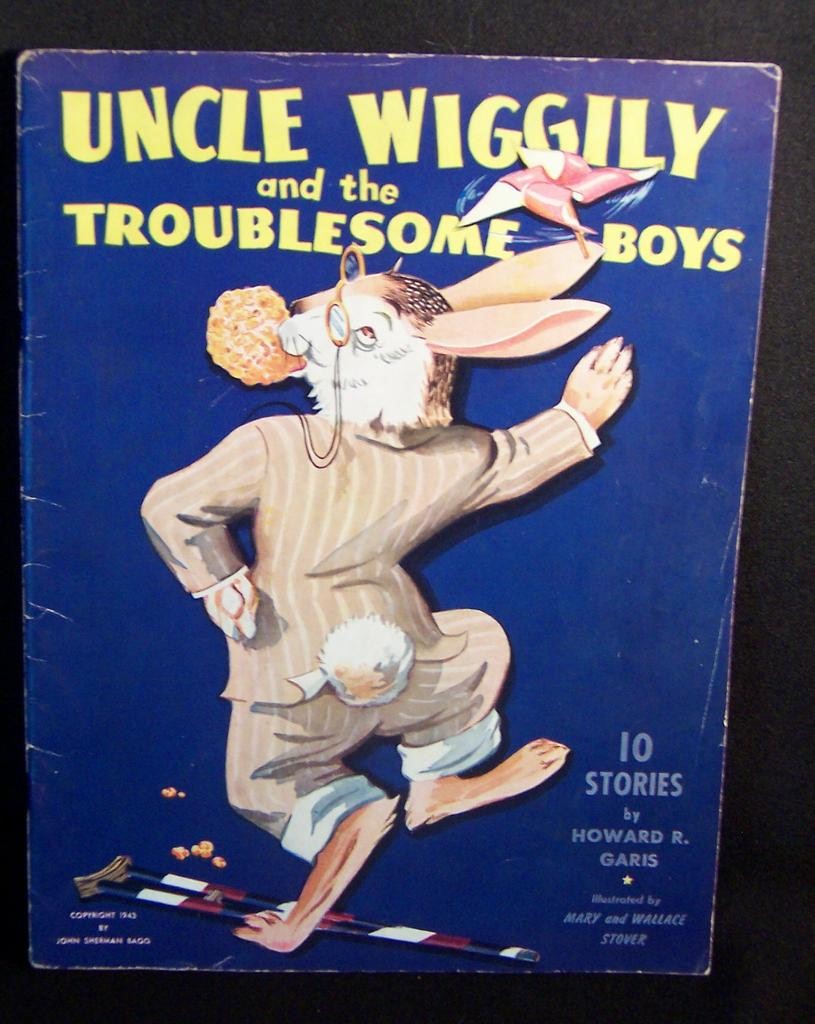
Children’s literature and media are replete with anthropomorphic figures—from endearing talking animals to animated objects imbued with personalities. This cultural omnipresence not only reflects but amplifies children’s natural inclinations toward humanizing the non-human. The intentional design of such narratives caters to cognitive and emotional development, crafting characters that resonate with children’s developmental stage and social experiences.
Further, the multimodal nature of media—including visual, auditory, and narrative elements—heightens children’s engagement, fostering deeper emotional investment and identification with anthropomorphic characters. This immersive experience bolsters memory retention and emotional learning, effectively transforming abstract social concepts into embodied understanding. Consequently, media functions as a crucible within which anthropomorphic fascination is nurtured and social perceptiveness refined.
Potential Pitfalls: Anthropomorphism and Misconceptions
While anthropomorphism offers substantial developmental benefits, it also harbors the potential for misconceptions about the natural world. When children ascribe human-like intentions or emotions to animals or objects without critical mediation, it can lead to misunderstood biological realities or unrealistic expectations. For example, perceiving animals as inherently ‘kind’ or ‘purposeful’ in human terms may obscure the complex, instinct-driven behaviors that govern animal interactions.
This anthropocentric bias can skew children’s social perceptions, sometimes fostering an oversimplified or sentimentalized worldview. Educators and caregivers must be cognizant of these tendencies and strategically balance anthropomorphic storytelling with factual information, thereby fostering both imaginative empathy and critical understanding. This calibrated approach ensures that children’s social perceptiveness is enriched rather than constrained by anthropomorphic engagement.
The Long-Term Impact on Social Perception Development
Anthropomorphism’s influence extends beyond early childhood, laying foundational patterns for lifelong social cognition and empathy. The early practice of interpreting emotions and intentions through anthropomorphic characters scaffolds complex social reasoning skills that manifest in adulthood. Adults who engaged deeply with anthropomorphic narratives as children often exhibit heightened empathy, advanced perspective-taking abilities, and richer interpersonal understanding.
Moreover, anthropomorphism nurtures creativity and abstract thinking, faculties intrinsically linked to effective social communication and problem-solving. By habituating children to flexible interpretations of others’ mental states—even those of non-human agents—this process broadens cognitive elasticity, enabling them to navigate social nuances with greater dexterity. The legacy of childhood anthropomorphism thus permeates the social perceptual frameworks adults employ daily.
A Reflective Conclusion on Anthropomorphism’s Social Power
The allure of anthropomorphism in childhood is more than fanciful amusement; it is a sophisticated cognitive and emotional enterprise that profoundly molds social perception. Through the lens of humanized non-human characters, children acquire critical skills to interpret, empathize, and engage with the social world. This phenomenon reveals an intrinsic human yearning to understand others not just intellectually but affectively—a yearning that begins in childhood’s imaginative realms and endures across the lifespan.
To fully appreciate children’s attraction to anthropomorphism is to acknowledge the deep psychological scaffolding it provides. This fascination is both natural and necessary, a vital instrument in the gradual construction of social awareness and empathy. Cultivating an environment that respects and guides this impulse ensures that children transform imaginative engagement into meaningful social understanding, enriching their perceptive faculties for a lifetime.