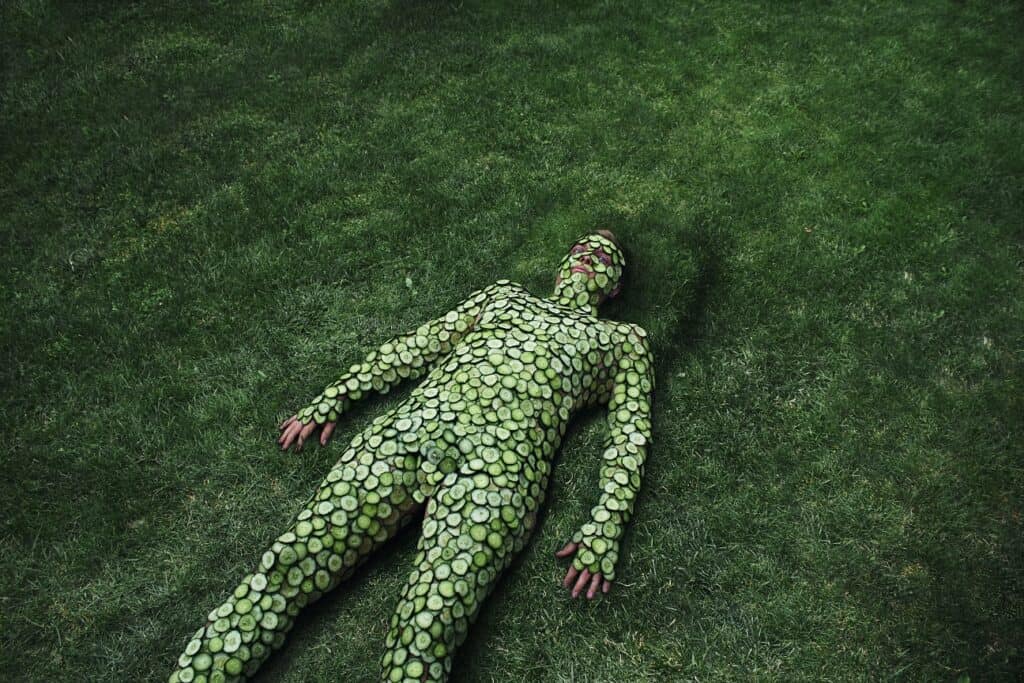
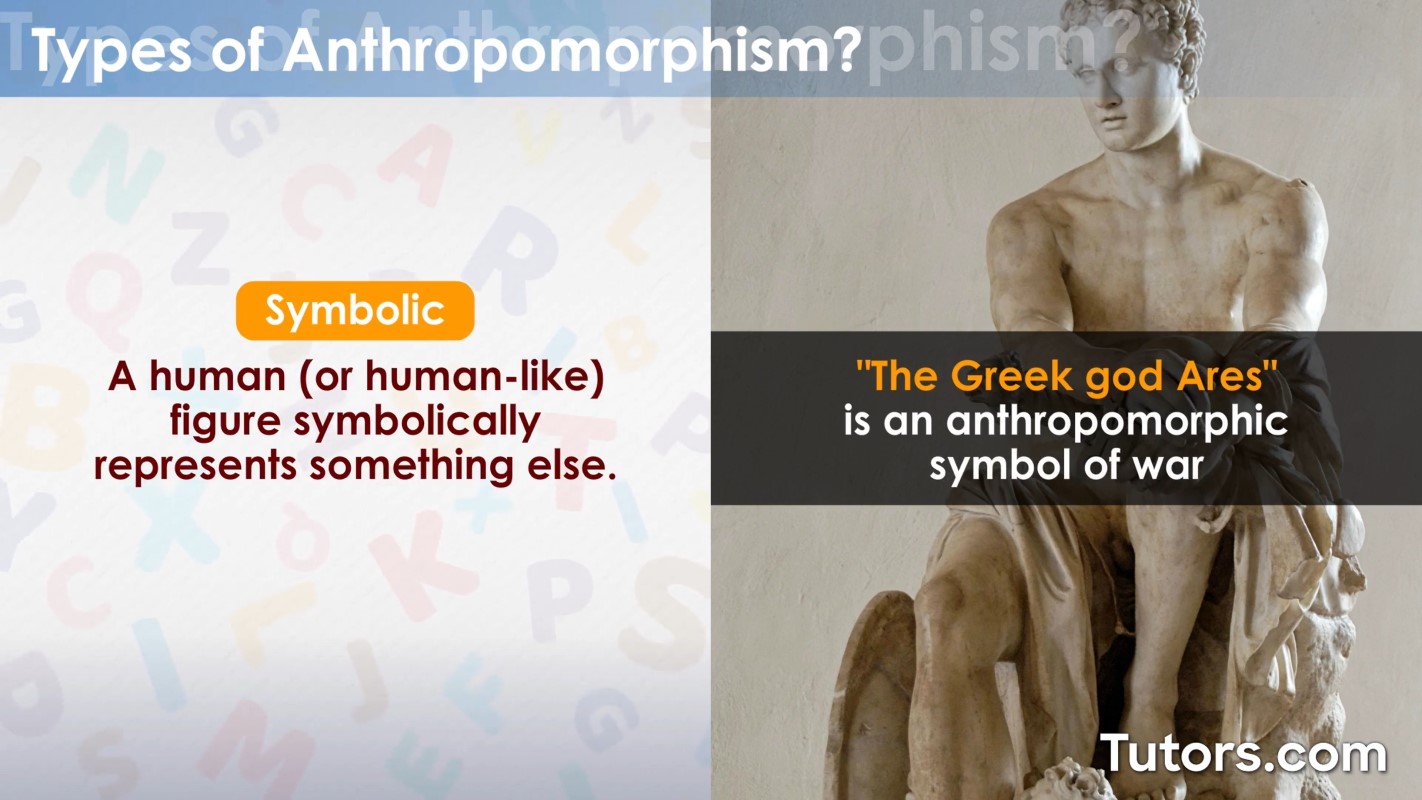
Human beings have an innate tendency to attribute human-like qualities, emotions, and intentions to non-human entities—a phenomenon known as anthropomorphism. From seeing faces in clouds to assigning feelings to pets, objects, and even technological devices, this proclivity is universal and profoundly impacts our interaction with the world. While often regarded as a simple cognitive quirk or playful imagination, anthropomorphism harbors far-reaching implications for brain development. It influences neural pathways involved in social cognition, empathy, and even learning mechanisms. The omnipresence of anthropomorphism in childhood and beyond hints at deeper, perhaps evolutionary, reasons for our fascination with imbuing lifeless entities with life-like characteristics.
The Evolutionary Roots of Anthropomorphism and Its Cognitive Foundations
Anthropomorphism is not merely a surface-level fascination; it is deeply embedded in the architecture of human cognition. Evolutionarily, as social creatures, humans rely heavily on the ability to interpret and predict others’ behavior for survival and cooperation. This social cognitive apparatus is so finely tuned that it often projects intentionality and emotions onto entities devoid of consciousness. The brain’s default mode network, associated with self-referential thought and mentalizing, is activated when individuals anthropomorphize, as it engages the same neural circuits used for interpreting human behavior.
This intrinsic leap to ascribe mind-like qualities creates a scaffolding that fosters early social learning. Children, for instance, naturally anthropomorphize toys, animals, and even abstract concepts, allowing them to explore complex social dynamics in a simplified framework. Neuroscientifically, this engagement stimulates the temporoparietal junction and medial prefrontal cortex—regions critical for theory of mind. Such neural activations provide a fertile ground for cognitive development centered on empathy, cooperation, and emotional intelligence, all pivotal in human social interaction.
Anthropomorphism as a Catalyst for Empathy Development
Empathy, the capacity to understand and share the feelings of another, is a cornerstone of human social relations, and anthropomorphism acts as a significant enhancer of this faculty. When non-human entities are anthropomorphized, the brain’s empathetic circuitry is recruited similarly to how it responds to fellow humans. This phenomenon is especially evident in how children and adults interact with pets, robots, or even fictional characters.
Engaging empathetically with anthropomorphized entities stimulates the mirror neuron system, which is integral in mirroring observed emotions and actions internally. This neural mirroring fosters emotional resonance and perspective-taking. For children, these engagements act as a rehearsal space for complex emotional processing and social cognition. The ability to empathize with anthropomorphized entities indicates a generalized enhancement of empathy skills, which can extend to human-human interactions. Moreover, this effect may be leveraged therapeutically, such as in social robotics used to aid individuals with social cognition deficits.
The Role of Anthropomorphism in Language Acquisition and Narrative Comprehension
Human language and storytelling are suffused with anthropomorphic elements, from fables with talking animals to allegorical representations that encode moral and social lessons. This narrative tradition capitalizes on the brain’s predisposition to anthropomorphize, making abstract, complex ideas more relatable and intelligible.
During language acquisition, children’s propensity to attribute agency and emotions to inanimate objects or concepts enriches vocabulary and syntactic comprehension. By envisioning these entities as intentional agents, children gain a dynamic framework to process causality, motivation, and perspective within stories. This imaginative interplay also activates the left inferior frontal gyrus and temporal lobes, brain regions vital for language processing, thereby intertwining anthropomorphism with linguistic neural development.
Furthermore, anthropomorphism aids in the comprehension of narrative structures, facilitating memory consolidation and moral reasoning. When fictional characters—often anthropomorphized animals or objects—are imbued with human struggles and triumphs, readers engage deeply with the material, enhancing cognitive empathy and abstract thinking.
Impacts on Technology Interaction and Cognitive Flexibility
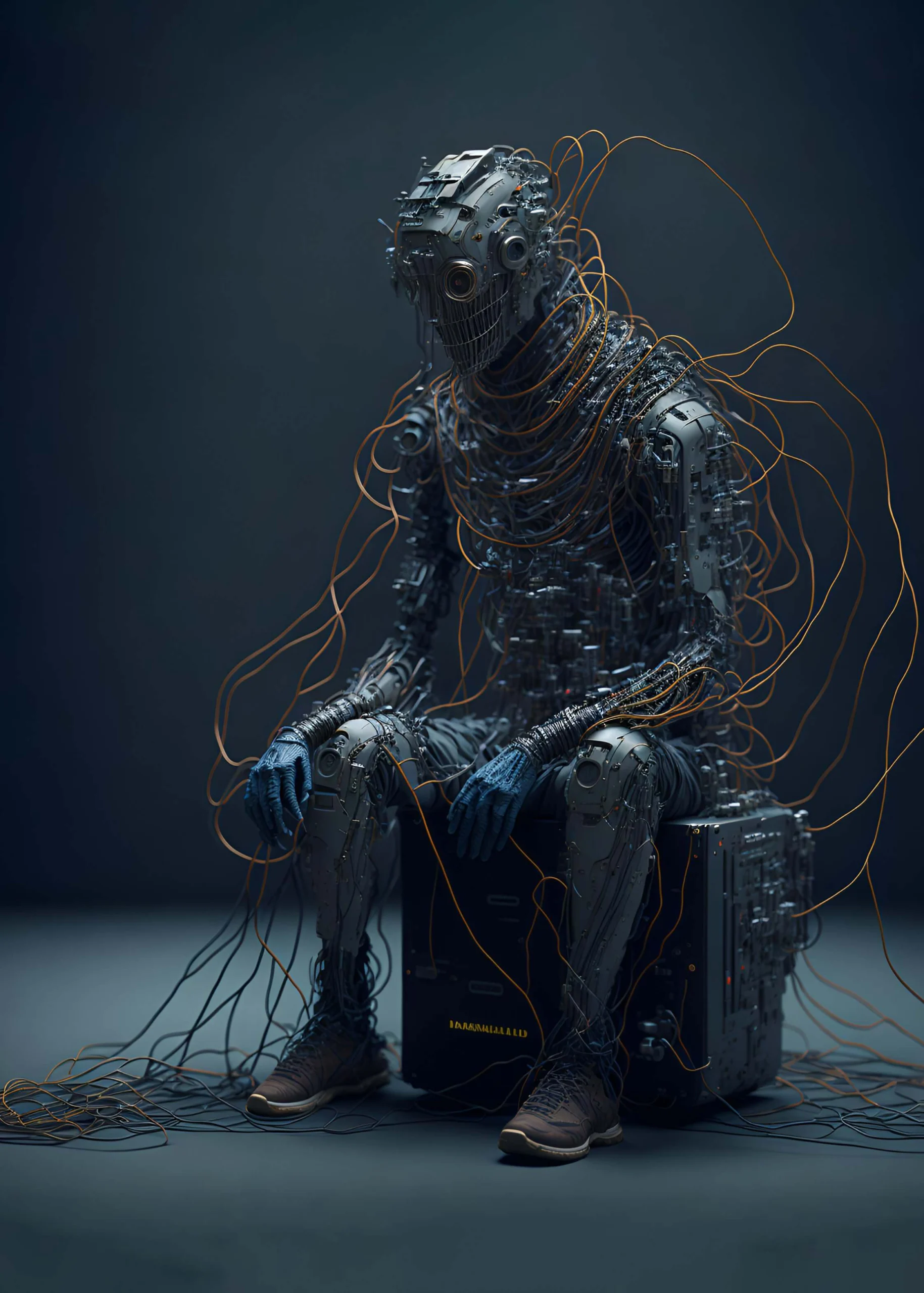
In a world increasingly mediated by technology, anthropomorphism profoundly shapes how the brain adapts to, and interacts with, artificial agents such as virtual assistants, robots, and AI-driven devices. The mental attribution of human-like qualities to these technologies encourages user engagement by tapping into innate social cognition circuits.
The cognitive flexibility required to navigate these interactions fosters neural plasticity in regions concerned with social reasoning and executive function. Users learn to interpret the actions and feedback of non-human interfaces through a human-centered lens, often expecting emotional reciprocity and intentionality. This expectation can result in heightened motivation to engage, increased trust, and ease of use, but it also challenges the brain to distinguish between genuine social agents and anthropomorphized constructs.
From a developmental standpoint, engagement with anthropomorphized technology may accelerate social learning in contexts where direct human interaction is limited. However, it also necessitates a nuanced cognitive balancing act, ensuring that children and adults alike develop the capacity to appropriately attribute mind and intention without succumbing to overattribution that might impair critical judgment.
Anthropomorphism, Imagination, and the Enhancement of Creativity
Beyond social cognition and empathy, anthropomorphism touches the creative domains of the brain. Assigning human traits to abstract concepts, natural phenomena, or objects enables cognitive processes that transcend concrete logic. This imaginative license activates the default mode network, particularly the medial prefrontal cortex, facilitating divergent thinking and innovation.
Childhood play, replete with anthropomorphized characters and narratives, serves as a training ground for symbolic thinking, a cognitive leap fundamental to creativity. This engagement nurtures an ability to see the world from multiple perspectives and to construct alternative realities—skills paramount in problem-solving and artistic expression.
In adulthood, anthropomorphism continues to nourish creativity in scientific, literary, and artistic endeavors. Scientists often anthropomorphize subatomic particles or ecosystems metaphorically to conceptualize complex phenomena—a heuristic aiding comprehension and hypothesis formation. Artists and writers exploit this cognitive tool to evoke emotional connection and exploration of the human condition in novel forms.
Potential Pitfalls: Balancing Anthropomorphism and Reality Appraisal
Despite its advantages, anthropomorphism carries the risk of conflating animacy and intentionality where none exist, potentially skewing cognitive appraisal and decision-making. Overextension of anthropomorphic thinking might contribute to cognitive biases, such as attributing malicious intent to neutral entities or fostering unrealistic expectations of technology.
For the developing brain, striking a balance is essential. While anthropomorphism enriches social and emotional learning, caregivers and educators must help children calibrate these projections with reality. This balancing act promotes metacognition—the ability to reflect on one’s own thought processes—which is crucial for discerning nuanced social and environmental cues.
Conclusion: The Enduring Significance of Anthropomorphism in Brain Development
Anthropomorphism is a fascinating intersection between the innate yearning for connection and cognitive development. Rooted in ancient evolutionary imperatives, it activates critical areas of the brain involved in social cognition, language, empathy, and creativity. Its pervasive influence underscores much of human culture, from childhood play to technological interaction. By understanding how anthropomorphism shapes brain development, we gain insight into the profound ways the mind seeks to bridge self and other, animate and inanimate, reality and imagination. This enduring mechanism speaks to the heart of what it means to be human—a being continually engaging with the world through the compassionate lens of shared experience.