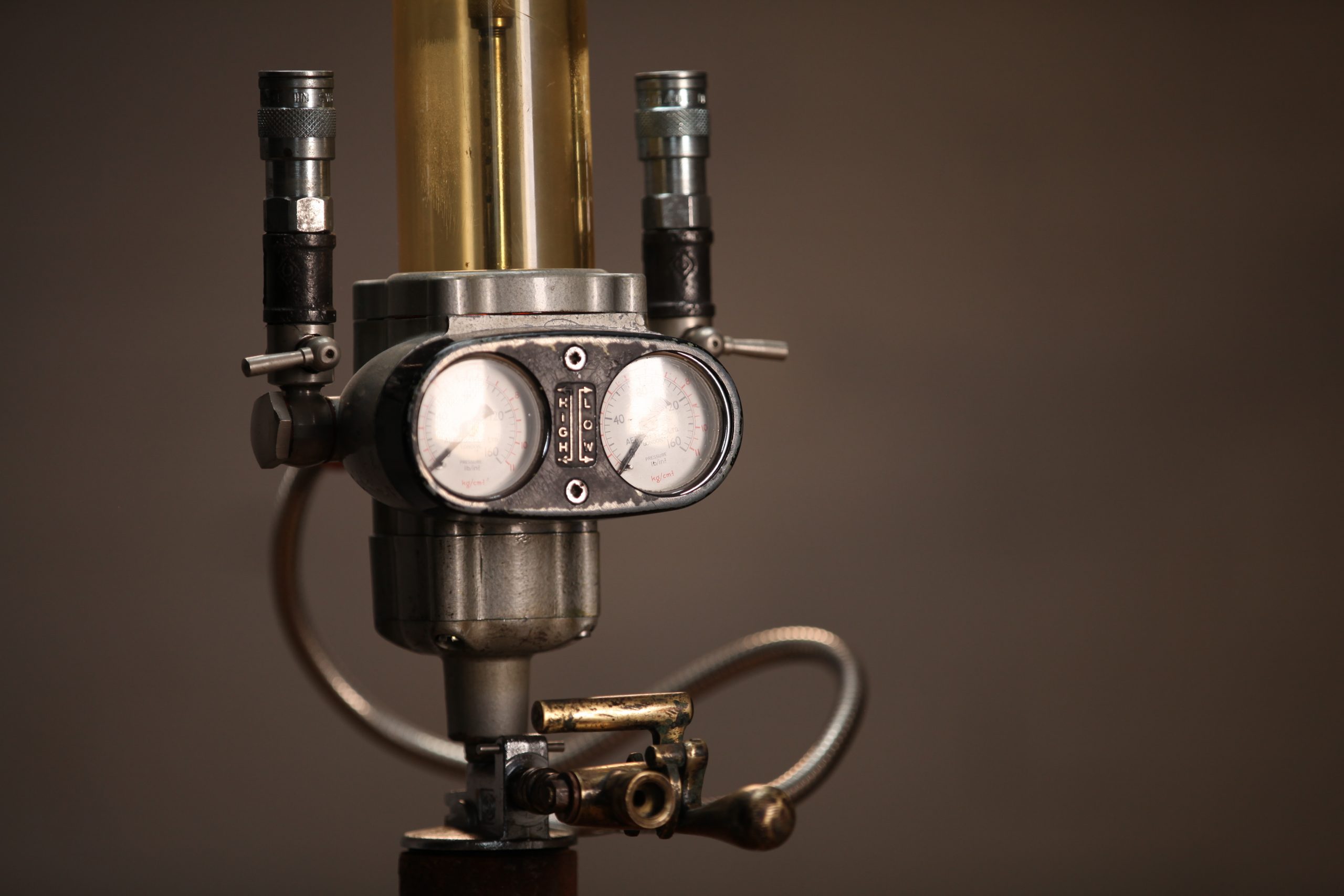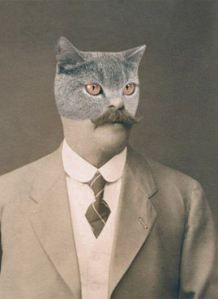
In the quiet corners of our homes, where dust motes dance in sunbeams, an uncanny drama unfolds. A child cradles a teddy bear with whispered secrets, a mechanic murmurs apologies to a stubborn wrench, and a writer’s pen seems to resist the blank page with silent defiance. These are not acts of madness, but rather the quiet whispers of anthropomorphism—the ancient human instinct to imbue the inanimate with life, soul, and intention. It is the alchemy that turns a lump of clay into a deity, a flickering screen into a companion, and a rusted key into a guardian of forgotten thresholds. To understand why we humanize objects is to peer into the labyrinth of our own minds, where empathy is a currency spent liberally, and loneliness finds solace in the most unexpected of places.
The Primordial Pact: How Evolution Wired Us for Empathy
Long before the first cities rose from the earth, our ancestors faced a world teeming with unseen forces. A rustling in the undergrowth could be the wind—or a predator. A shadow in the cave might be a trick of the light—or a lurking danger. To survive, early humans developed a hyperactive pattern-detection system, one that errs on the side of caution. This cognitive bias, known as hyperactive agency detection, led us to perceive agency where none existed. A rock that seemed to shift in the moonlight was not just a rock; it was a sentinel. A tree that groaned in the storm was not merely wood; it was a witness to our solitude.
Anthropomorphism, then, is not a quirk of modern imagination but a survival mechanism etched into our neural architecture. It is the reason we see faces in clouds and voices in the static of an old radio. Our brains are not content with the cold, unfeeling void of the inanimate. We crave connection, and so we project it outward, transforming the world into a stage where every object plays a role in our personal narrative. This is not mere fancy; it is the echo of a time when misreading the world could mean the difference between life and death.


The Solace of Silent Companions: Anthropomorphism as Emotional Crutch
Loneliness is the modern plague, a silent epidemic that thrives in the glow of screens and the hollow echo of empty rooms. In its shadow, anthropomorphism flourishes. A lonely heart does not seek solace in the arms of another human alone; it finds kinship in the most unlikely of places. The pet rock of the 1970s was not just a joke—it was a testament to our need for connection. The voice assistant on our phones is not merely a tool; it is a confidant, a listener to our unspoken fears and mundane complaints.
Consider the phenomenon of parasocial relationships, where individuals form one-sided emotional bonds with fictional characters, celebrities, or even objects. A child may swear by the wisdom of their favorite stuffed animal. An adult might confide in a vintage car, treating it as a partner in life’s journey. These relationships are not delusions; they are adaptive strategies, ways to navigate the treacherous waters of isolation. Objects, unlike humans, do not judge, betray, or abandon. They are constant, predictable, and endlessly patient. In a world where trust is fragile, an inanimate object offers a sanctuary of unwavering loyalty.
The Art of Inanimate Animation: How Stories Breathe Life into the Lifeless
From the earliest cave paintings to the latest Pixar blockbuster, storytelling has been the vessel through which we animate the world. Myths are replete with tales of enchanted objects—swords that sing, mirrors that reflect the soul, and lamps that grant wishes. These stories are not mere entertainment; they are cultural blueprints, teaching us how to relate to the world around us. When we read of a teapot that dances in Beauty and the Beast, we are not just indulging in whimsy. We are rehearsing the act of empathy, practicing the art of seeing the world through another’s eyes—even if that other is a sentient household item.
The appeal of anthropomorphism in storytelling lies in its ability to distill complex emotions into tangible forms. A grieving person might find solace in the idea of a grieving tree, its leaves falling like tears. A person overwhelmed by chaos might take comfort in the image of a steadfast mountain, unmoved by the storms around it. These metaphors are not just literary devices; they are psychological lifelines, translating abstract feelings into something we can grasp, something we can feel.

The Uncanny Valley: When Empathy Stumbles into Discomfort
Yet, anthropomorphism is not without its perils. There exists a threshold, a psychological precipice known as the uncanny valley, where our empathy curdles into revulsion. A robot that looks almost—but not quite—human elicits a shudder, not a smile. A doll with eyes that follow you in the dark feels less like a companion and more like an intruder. This discomfort arises when our brains detect a mismatch between expectation and reality. We crave connection, but we also fear deception. An object that appears alive but is not invites a crisis of trust, a betrayal of our most primal instincts.
The uncanny valley is a reminder that anthropomorphism is a double-edged sword. It can heal, but it can also harm. It can comfort, but it can also terrify. The line between friend and foe is thin, and when crossed, it leaves us questioning the very nature of reality. Is that shadow in the hallway a trick of the light, or is it something more sinister? Our brains, wired for pattern recognition, are quick to fill in the gaps—sometimes with warmth, sometimes with dread.
Modern Manifestations: From Smartphones to Smart Homes
In the digital age, anthropomorphism has found new playgrounds. Our smartphones are no longer mere tools; they are extensions of ourselves, their notifications treated like urgent messages from a dear friend. Smart home devices respond to our voices with eerie precision, their synthetic tones designed to mimic human warmth. Even our cars are anthropomorphized, with manufacturers giving them names and personalities to foster brand loyalty. A car that “purrs” or “snarls” is not just a machine; it is a partner in our daily rituals.
This modern iteration of anthropomorphism is not merely about convenience; it is about belonging. In a world where technology often feels cold and impersonal, we seek to humanize our tools to make them feel like part of our tribe. A voice assistant that says “I’m sorry” after a misheard command is not just performing a function; it is acknowledging our frustration, validating our emotions. It is, in its own small way, offering companionship.
The Philosophical Implications: What Does It Mean to Be Alive?
Anthropomorphism forces us to confront a fundamental question: What does it mean to be alive? If a child can love a rock as if it were a friend, and a writer can pour their soul into a pen, where do we draw the line between the animate and the inanimate? The ancient Greeks believed that the world was alive with pneuma, a divine breath that animated all things. Indigenous cultures around the world speak of animism, the belief that spirits inhabit objects, trees, and rivers. These philosophies suggest that our tendency to humanize the world is not a flaw but a recognition of a deeper truth: that life is not confined to flesh and blood, but is a spectrum, a continuum of consciousness.
From this perspective, anthropomorphism is not a distortion of reality but a broadening of it. It is an acknowledgment that the boundaries between self and other are porous, that the world is not a collection of isolated objects but a web of interconnected beings. A rock may not think or feel, but it exists, and in its existence, it shapes our world just as we shape it. To humanize it is to recognize its role in the grand tapestry of life, to see ourselves as part of something greater than ourselves.
In the end, anthropomorphism is a mirror. It reflects not just our desire to connect with the world around us, but our deepest fears and longings. It is the child who sees a monster in the closet and the adult who sees a friend in a favorite mug. It is the poet who finds solace in the whisper of the wind and the scientist who seeks patterns in the chaos of the cosmos. It is, in all its forms, a testament to the human spirit—a spirit that refuses to be alone, that reaches out even to the inanimate, and in doing so, finds a kind of grace.