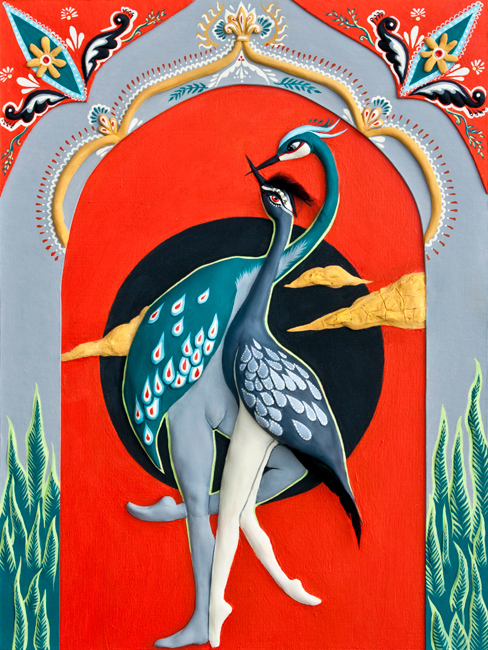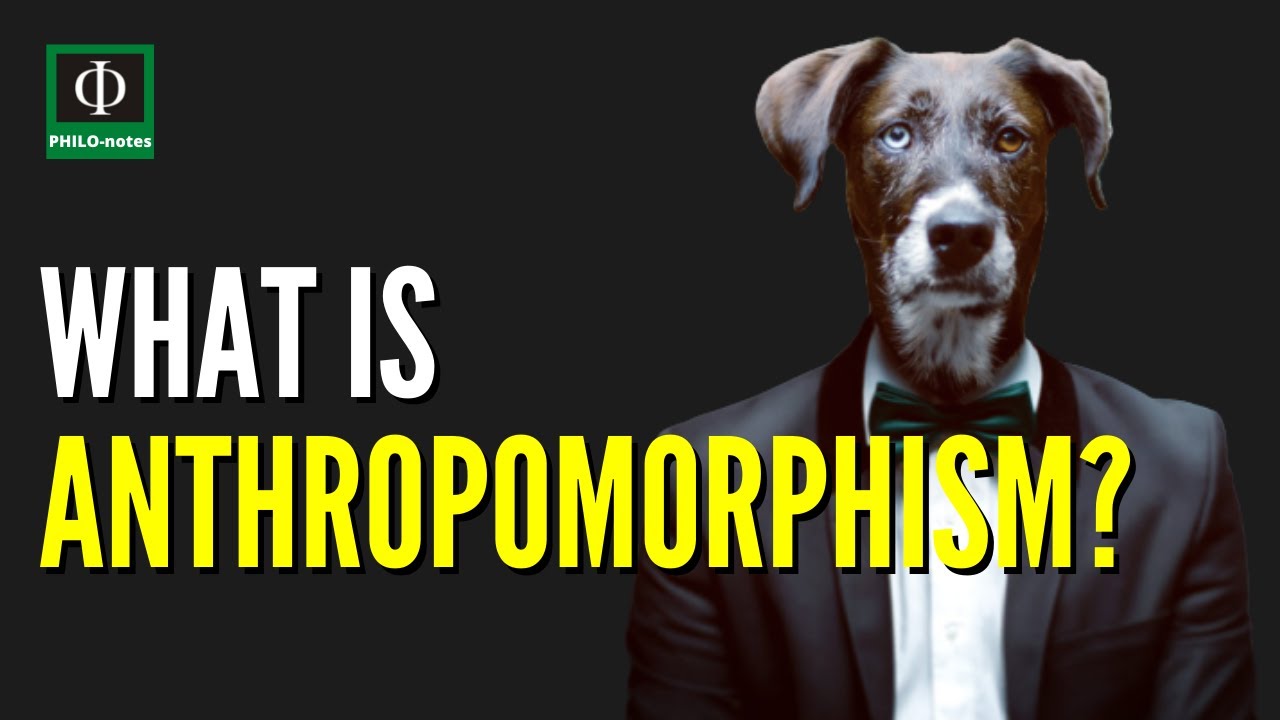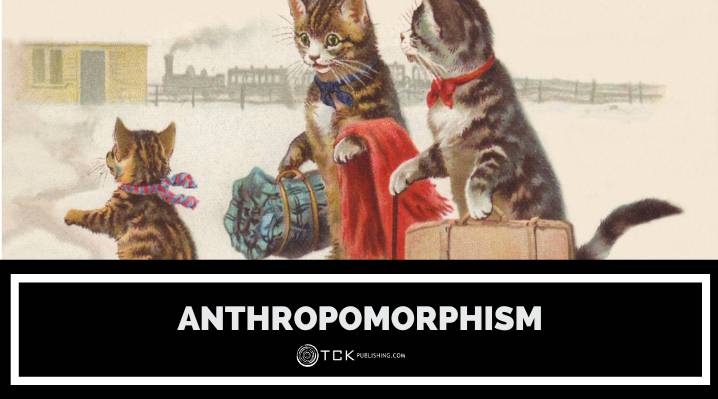
As the boundaries between human cognition and artificial intelligence blur, anthropomorphism—the attribution of human traits to non-human entities—emerges as a pivotal lens through which we interpret the world. No longer confined to the realm of folklore or religious allegory, anthropomorphism now infiltrates the very fabric of scientific inquiry, reshaping how we understand intelligence, ethics, and even the cosmos itself. From the whisper of a chatbot’s empathetic response to the silent gaze of a robotic arm, the future of anthropomorphism in research is not merely a trend; it is a paradigm shift, one that challenges the rigid binaries of subject and object, animate and inanimate. This evolution invites us to reconsider not just what we study, but how we study it—transforming the laboratory into a stage where the boundaries of perception are constantly redrawn.
The Alchemy of Perception: How Anthropomorphism Transforms Data into Meaning
At its core, anthropomorphism is an alchemical process, converting raw data into narratives that resonate with human experience. When a neuroscientist interprets the erratic firing of neurons as “decision-making,” or when an astronomer personifies a distant exoplanet as “lonely,” they are not merely indulging in poetic license—they are employing a cognitive shortcut that bridges the gap between the unfamiliar and the familiar. This phenomenon, known as ontological scaffolding, allows researchers to construct provisional frameworks of understanding, enabling them to navigate the uncharted territories of quantum mechanics or synthetic biology with a semblance of intuition.
The allure of anthropomorphism lies in its ability to humanize the inhuman. Consider the case of AI systems that mimic empathy: their responses, though algorithmically generated, evoke a sense of connection, blurring the line between tool and companion. This is not mere illusion; it is a testament to the brain’s predisposition to seek patterns and assign agency, a cognitive trait that has ensured our survival for millennia. By leveraging this tendency, researchers can design experiments that probe the limits of human-AI interaction, revealing how our brains adapt—or resist—when confronted with entities that mimic, but do not possess, consciousness.

The Ethical Labyrinth: Navigating the Moral Implications of Anthropomorphic Research
Yet, with great interpretive power comes great ethical responsibility. The act of anthropomorphizing—whether applied to machines, animals, or even celestial bodies—raises profound questions about agency, consent, and the potential for exploitation. When a robot is designed to appear “sad” after a task failure, does it risk becoming a vessel for emotional manipulation? When a primatologist describes a chimpanzee’s behavior as “deceptive,” are they projecting human morality onto a creature incapable of ethical reasoning? These questions force us to confront the ethical labyrinth of anthropomorphism, where the line between insight and imposition is as thin as the veil of subjectivity.
One of the most pressing concerns is the ontological violence that can occur when human frameworks are imposed upon non-human entities. For instance, attributing human-like suffering to an AI system might lead to misplaced empathy, diverting attention from the real suffering of sentient beings. Conversely, failing to recognize the nuanced emotions of animals—such as the grief observed in elephants or the playfulness of octopuses—can result in a sterile, reductionist view of the natural world. The future of anthropomorphic research hinges on our ability to strike a balance: to use metaphor as a tool for understanding without letting it obscure the truth of the entities we study.
The Cosmic Mirror: Anthropomorphism in the Study of the Universe
Beyond the confines of Earth, anthropomorphism takes on a cosmic dimension. When astronomers describe a black hole as “hungry” or a distant galaxy as “lonely,” they are not merely indulging in whimsy; they are employing a narrative device that makes the incomprehensible tangible. This phenomenon, known as cosmic anthropomorphism, serves a dual purpose: it aids in the communication of complex ideas to the public, and it reflects our deep-seated need to find meaning in the void. The universe, in its vast indifference, becomes a mirror in which we see our own reflections—curious, lonely, and endlessly seeking connection.
Yet, this cosmic mirror is not without its distortions. The tendency to anthropomorphize celestial bodies can lead to a form of astrocentrism, where we project our own desires and fears onto the cosmos. For example, the search for extraterrestrial life often begins with the assumption that alien civilizations must resemble our own, complete with cities, technologies, and perhaps even emotions. This bias limits our imagination, constraining the possibilities of what life beyond Earth might truly look like. The future of astrobiology will require a delicate dance between anthropomorphic intuition and the humility to accept that the universe may be far stranger—and far more alien—than we dare to imagine.

The Digital Doppelgänger: Anthropomorphism in the Age of AI and Virtual Realities
In the digital realm, anthropomorphism takes on a life of its own. Virtual assistants, chatbots, and even video game characters are increasingly designed to mimic human traits, from facial expressions to conversational quirks. This trend is not merely a matter of aesthetics; it reflects a deeper shift in how we interact with technology. When a user feels a sense of companionship with an AI, they are engaging in a form of digital anthropomorphism, where the boundaries between human and machine dissolve into a seamless, albeit illusory, connection.
The implications of this shift are profound. On one hand, anthropomorphic AI can enhance user experience, making technology more accessible and intuitive. On the other, it risks fostering a form of technological solipsism, where users become so accustomed to interacting with digital entities that they lose touch with the nuances of human relationships. Moreover, the design of anthropomorphic AI raises questions about authenticity: when an AI is programmed to lie or manipulate, does it become a tool of deception, or merely a reflection of the complexities of human communication? The future of digital anthropomorphism will depend on our ability to navigate these ethical and psychological minefields, ensuring that our interactions with technology remain enriching rather than exploitative.
The Uncharted Frontier: Where Anthropomorphism Meets the Unknown
As we stand on the precipice of a new era in scientific research, anthropomorphism emerges as both a compass and a cautionary tale. It is a compass in that it guides us through the uncharted territories of AI, neuroscience, and astrobiology, offering a familiar framework in which to explore the unfamiliar. Yet, it is also a cautionary tale, reminding us of the dangers of projection, of mistaking our own reflections for the true nature of the entities we study.
The future of anthropomorphism in science will not be dictated by technology alone, but by our willingness to embrace its dual nature: its power to illuminate and its propensity to obscure. It will require a delicate balance between the poetic and the empirical, the intuitive and the rigorous. In this balance, we may find not just answers, but a deeper understanding of what it means to be human—or perhaps, what it means to be anything at all.