What if the chair you’re sitting on, the lamp casting its glow, or even the toaster humming in the kitchen corner, were not mere inanimate objects but sentient beings with thoughts, emotions, and intentions? This isn’t the premise of a surrealist novel—it’s a phenomenon deeply embedded in human cognition known as anthropomorphism. From ancient myths where rivers wept and winds whispered to modern AI assistants that greet us by name, the human mind has an uncanny tendency to imbue the non-human with human-like qualities. But why does this happen? What psychological mechanisms drive it, and what implications does it hold for our understanding of ourselves and the world around us?
The Innate Tendency: Why Do We See Faces in Clouds and Feel for Our Cars?
Anthropomorphism is not a modern quirk—it’s a cognitive default. Evolutionary psychologists argue that our ancestors’ survival depended on recognizing patterns, even when none existed. Mistaking a rustling bush for a predator could be costly, but so could ignoring a potential threat. This hyperactive pattern-recognition system, known as pareidolia, extends beyond visual stimuli. We hear voices in static, attribute intentions to inanimate objects, and even project emotions onto our devices. The car that won’t start isn’t just “broken”—it’s stubborn. The phone that lags feels defiant.
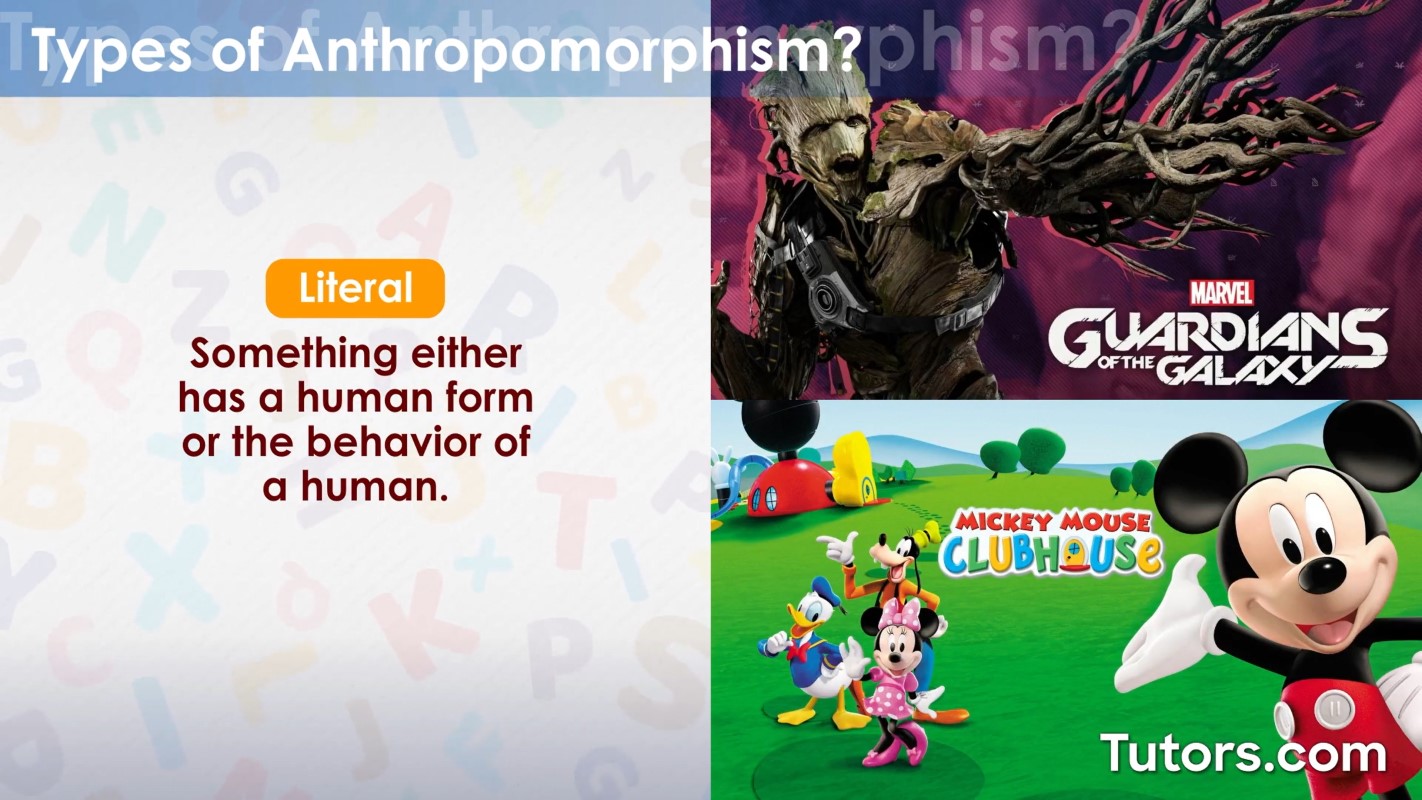
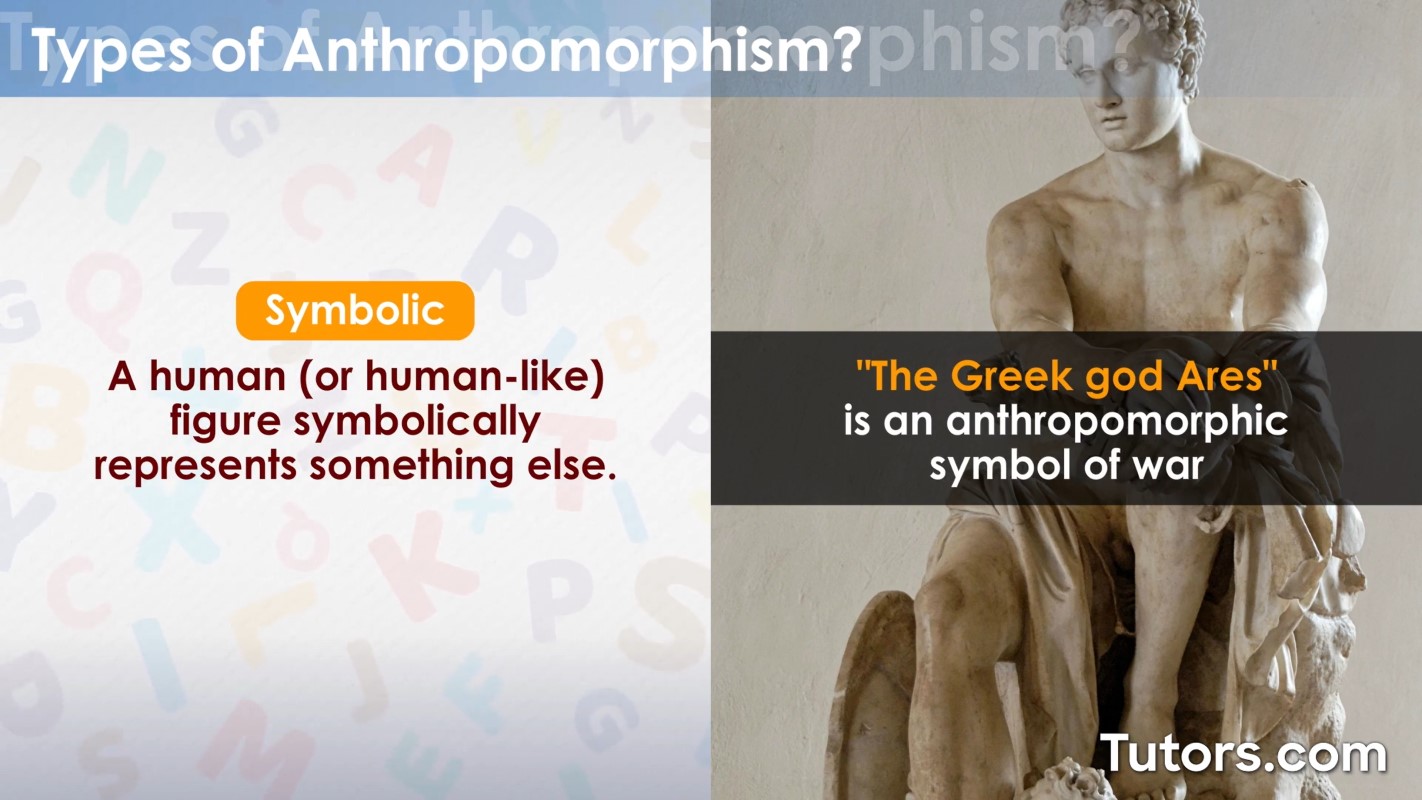
This tendency isn’t limited to individuals. Cultures across the globe have personified natural forces—Gaia, the earth goddess; Thor, the thunder-wielding deity; or the Japanese kami, spirits inhabiting trees and rivers. Such anthropomorphic narratives serve as cognitive shortcuts, making the chaotic and unpredictable world feel more navigable. When we attribute agency to the cosmos, we transform the incomprehensible into the familiar, easing the existential burden of randomness.
The Neuroscience Behind the Magic: How the Brain Fills in the Blanks
At the heart of anthropomorphism lies the brain’s mirror neuron system, a network that fires not only when we perform an action but also when we observe someone else performing it. This neural mirroring blurs the line between self and other, allowing us to project our own experiences onto external entities. When we see a robot’s “face” tilt in curiosity, our brains simulate the same neural patterns as if we were tilting our own heads—creating an illusion of shared understanding.
Neuroimaging studies reveal that anthropomorphism activates the same brain regions associated with social cognition, such as the temporoparietal junction and the medial prefrontal cortex. These areas are responsible for theory of mind—the ability to infer others’ mental states. Interestingly, this system is so robust that it can be tricked. Studies show that people anthropomorphize even simple geometric shapes when they move in ways that suggest intentionality. A triangle “chasing” a circle isn’t just a pattern—it’s a drama.
The Double-Edged Sword: Benefits and Pitfalls of Seeing the World as Human
Anthropomorphism is a double-edged scalpel, slicing through both utility and peril. On one hand, it fosters empathy. Pet owners who treat their dogs as family members report stronger emotional bonds, and children who anthropomorphize toys often develop richer imaginative lives. In healthcare, personifying diseases—such as describing cancer as a “sneaky invader”—can motivate patients to fight harder. Even in technology, anthropomorphic interfaces (like Siri’s “I’m sorry, I didn’t understand”) make interactions feel more intuitive.
Yet this cognitive habit isn’t without its dangers. When we project humanity onto non-human entities, we risk misattributing causality. A study found that people were more likely to blame a computer for errors when it had a human-like name (“Dave”) than when it didn’t. This blame bias can lead to misplaced accountability, whether in AI failures, environmental degradation, or even interpersonal conflicts where we assume malice where none exists. Moreover, anthropomorphism can distort our perception of reality. Investors who treat stocks as “living entities” may cling to failing assets longer than logic dictates, driven by emotional attachment rather than data.
The Cultural Canvas: How Societies Paint the Non-Human with Human Traits
Anthropomorphism isn’t just a psychological quirk—it’s a cultural language. Mythologies, religions, and folklore are rife with examples: the Greek nymphs inhabiting springs, the Hindu avatars of divine descent, or the African Anansi stories where spiders outwit humans. These narratives serve as moral frameworks, teaching lessons through allegory. A talking animal isn’t just a story—it’s a mirror reflecting human virtues and vices.
Even in secular contexts, anthropomorphism shapes societal values. The environmental movement often frames nature as a nurturing mother (“Mother Earth”), which can inspire stewardship but also infantilize ecological systems, reducing them to passive recipients of human care. Conversely, the “Gaia hypothesis”—which posits Earth as a self-regulating organism—encourages a more reciprocal relationship with the planet, blurring the line between observer and participant.
The Ethical Quandary: When Does Anthropomorphism Cross the Line?
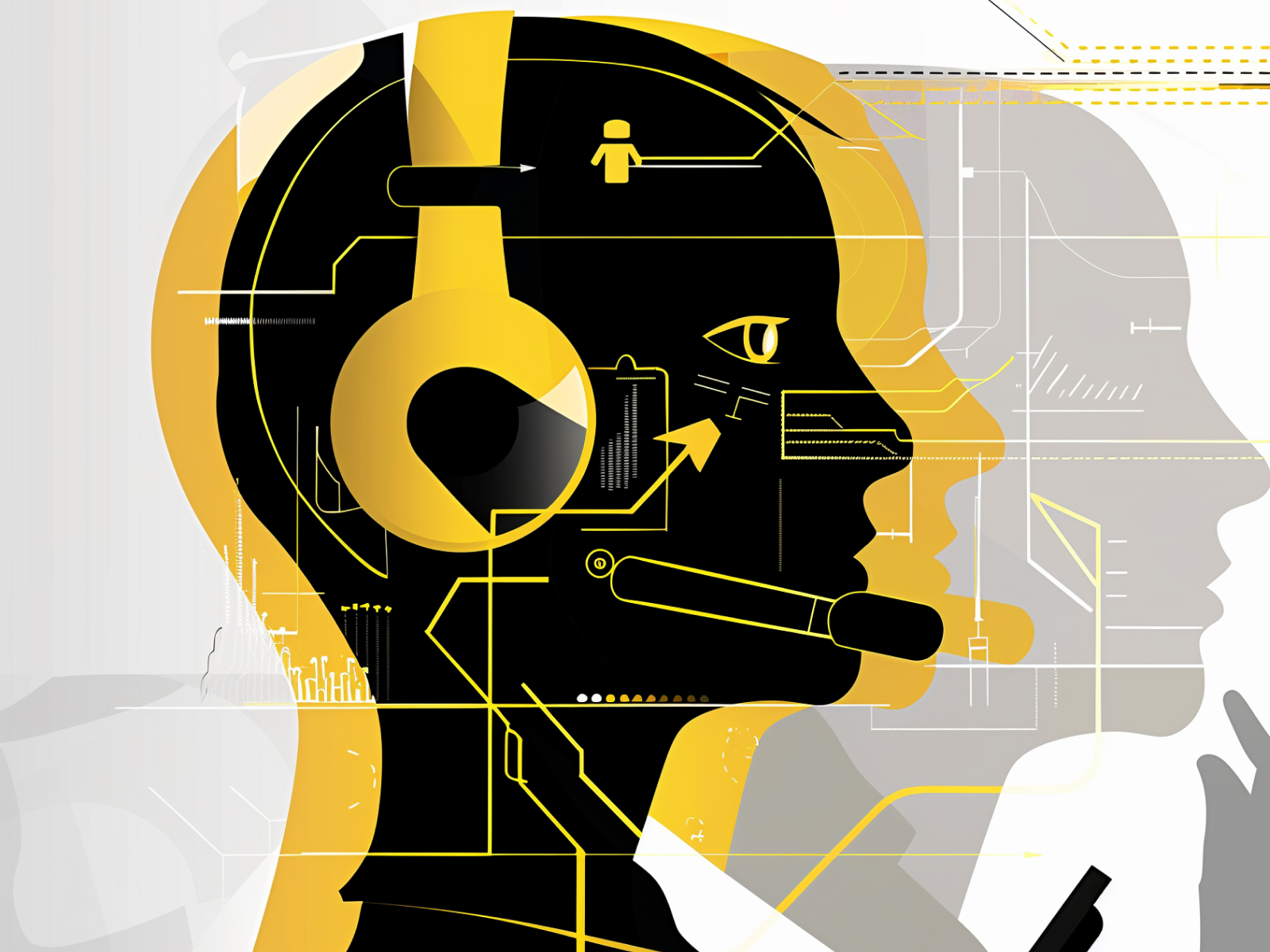
As artificial intelligence and robotics advance, the ethical implications of anthropomorphism grow more pressing. Should a humanoid robot designed to care for the elderly be granted legal personhood if users form emotional attachments to it? Can a chatbot’s simulated empathy lead to psychological dependence? The line between tool and companion blurs when we anthropomorphize machines, raising questions about exploitation, consent, and the commodification of human-like interaction.
Consider the case of social robots like Paro, a therapeutic robot designed to resemble a baby seal. Studies show that elderly users form strong bonds with Paro, reducing stress and loneliness. But is this ethical? Does anthropomorphism in robots risk devaluing human relationships, or does it provide a necessary bridge for those who lack access to human companionship? The challenge lies in balancing the benefits of anthropomorphic design with the potential for emotional manipulation.
The Future: Will We Live in a World of Conscious Toasters?
As technology evolves, so too does our relationship with anthropomorphism. Virtual influencers like Lil Miquela, who boasts millions of followers, challenge our definitions of personhood. AI systems like Replika, designed to simulate friendship, push the boundaries of emotional labor. Some futurists predict a world where anthropomorphism is not just a cognitive bias but a design principle—where our homes, vehicles, and even our clothing possess personalities, intentions, and perhaps even rights.
Yet this future is not without its paradoxes. If we create entities that *seem* human, how do we distinguish between authentic connection and programmed illusion? Can a machine ever truly understand human suffering, or will its empathy always be a sophisticated mimicry? The challenge ahead is not just technological but philosophical: to navigate a world where the non-human is increasingly human-like, without losing sight of what it means to be human ourselves.
Anthropomorphism is more than a quirk of perception—it’s a testament to the human need to find meaning in the void. Whether it’s a child’s stuffed bear that guards against nightmares or a self-driving car that “apologizes” for a sudden brake, we are, in essence, storytellers. And in a universe that offers no inherent narrative, we write our own.