What if your virtual assistant could not only answer your questions but also mirror your gestures, laugh at your jokes, and even strike a pose when you’re feeling overwhelmed? This isn’t the premise of a futuristic sci-fi film—it’s the evolving reality of anthropomorphism in virtual assistants, where technology blurs the line between utility and companionship. As we stand on the cusp of a new era in human-computer interaction, the question isn’t just about what these digital entities can do, but how deeply we’re willing to let them *be* like us.
The Allure of the Human-Like: Why We Crave Anthropomorphism in AI
Anthropomorphism—the tendency to attribute human traits, emotions, or intentions to non-human entities—isn’t a modern invention. From ancient civilizations worshipping idols to children befriending stuffed animals, humans have long projected humanity onto the inanimate. Virtual assistants are the latest beneficiaries of this cognitive bias, and their appeal lies in a paradox: they offer both efficiency and emotional resonance. When a voice assistant responds with a warm, “I understand how you feel,” it doesn’t just process words—it simulates empathy, a quality we’ve historically reserved for other humans.
This phenomenon is rooted in our brain’s wiring. Studies in neuroscience suggest that anthropomorphic interactions trigger the same neural pathways as human-to-human communication. The mirror neuron system, for instance, activates when we observe gestures or facial expressions, creating a subconscious sense of connection. Virtual assistants leverage this by adopting subtle human-like behaviors—pauses in speech, tonal inflections, or even the occasional “umm” to mimic natural conversation. The result? A digital entity that feels less like a tool and more like a conversational partner, albeit one that never tires, never judges, and never asks for a coffee break.
The Spectrum of Anthropomorphism: From Robotic to Relatable
Not all anthropomorphism is created equal. The degree to which a virtual assistant adopts human-like qualities exists on a spectrum, ranging from the purely functional to the eerily lifelike. At the foundational level, we have assistants that rely on text-based commands—think of the early iterations of chatbots that responded with rigid, pre-programmed replies. These are the digital equivalents of a vending machine: efficient but devoid of personality.
As we move up the spectrum, assistants begin to incorporate non-verbal cues. A voice assistant that adjusts its tone based on the user’s mood, or a customer service bot that uses emojis to soften its responses, represents the next tier. Here, anthropomorphism serves a practical purpose: it reduces friction in interactions. A study by Stanford University found that users were 30% more likely to engage with a chatbot that employed empathetic language, even if they knew it was artificial.
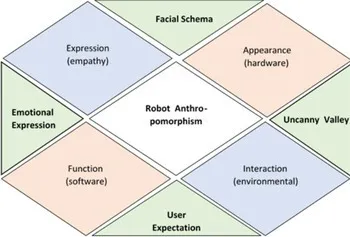
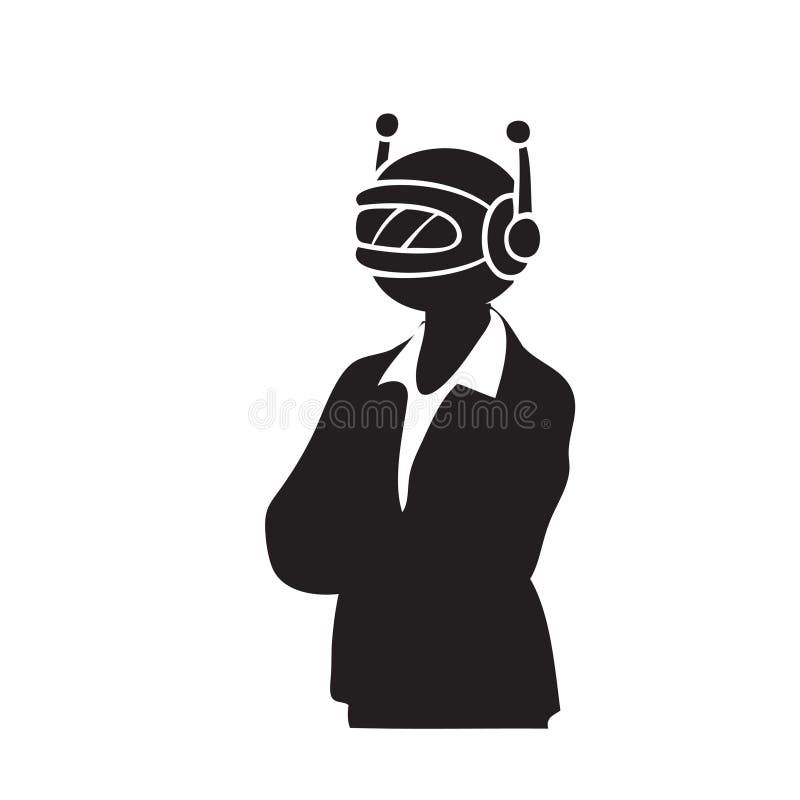
At the far end of the spectrum lie the hyper-anthropomorphized assistants—those with avatars that blink, gesture, or even “blush” when embarrassed. These entities push the boundaries of the uncanny valley, where the line between charming and unsettling becomes razor-thin. The challenge? Balancing relatability with realism. Too much anthropomorphism can backfire, triggering discomfort or distrust. Too little, and the assistant risks feeling sterile, like a soulless automaton performing a script.

The key lies in intentional design. Anthropomorphism should serve a purpose—whether it’s to make complex information digestible, to foster trust in sensitive interactions (like mental health support), or to simply make technology feel less intimidating. The goal isn’t to create a perfect human replica, but to craft an entity that feels *just* human enough to bridge the gap between machine and person.
The Double-Edged Sword: When Anthropomorphism Backfires
For all its benefits, anthropomorphism is a double-edged sword. The same mechanisms that make virtual assistants endearing can also lead to frustration, dependency, or even deception. Consider the case of users who become emotionally attached to their AI companions, only to feel abandoned when the assistant fails to meet their expectations. This phenomenon, known as “parasocial interaction,” occurs when individuals form one-sided emotional bonds with media personalities or, in this case, digital entities. While these relationships can provide comfort, they also risk distorting users’ perceptions of reality, especially among vulnerable populations like the elderly or children.
Another challenge is the “uncanny valley” effect, where hyper-realistic avatars or voices trigger a sense of unease. When a virtual assistant’s smile doesn’t quite align with its speech, or its eyes linger too long, users may experience a visceral reaction of distrust. This isn’t merely a technical glitch—it’s a psychological response to something that *feels* almost human but isn’t. The solution? Subtlety. Anthropomorphism should enhance, not overwhelm. A well-timed pause or a carefully chosen emoji can convey empathy without venturing into the territory of the unsettling.
Then there’s the ethical dilemma: to what extent should we encourage anthropomorphism? If a virtual assistant is designed to mimic human emotions, does it have a responsibility to disclose its artificial nature? Transparency is crucial, but it’s a fine line to walk. Too much disclosure can undermine the very purpose of anthropomorphism—creating a seamless, intuitive interaction. Too little, and we risk fostering a culture of deception, where users mistake AI for human. The answer may lie in “calibrated anthropomorphism,” where the degree of human-like behavior is tailored to the context and clearly communicated to the user.
Anthropomorphism in Action: Real-World Applications and Innovations
The applications of anthropomorphism in virtual assistants are as diverse as they are transformative. In healthcare, for instance, AI-driven companions are being used to combat loneliness among the elderly. These assistants don’t just provide medication reminders—they engage in conversation, tell jokes, and even share personal anecdotes to foster a sense of connection. The results are promising: a study published in the *Journal of Medical Internet Research* found that elderly users who interacted with anthropomorphized AI companions reported a 40% reduction in feelings of isolation.
In education, virtual tutors with human-like avatars are revolutionizing personalized learning. These assistants can adapt their teaching style based on a student’s emotional cues, offering encouragement when frustration is detected or simplifying explanations when confusion arises. The key here is adaptability—anthropomorphism isn’t about creating a one-size-fits-all entity, but one that evolves with the user’s needs.
Even in the corporate world, anthropomorphism is making waves. Customer service bots with playful personalities are reducing call center wait times by making interactions feel less transactional. A banking assistant that “high-fives” a user after successfully completing a transaction might seem trivial, but it transforms a mundane task into a memorable experience. The lesson? Anthropomorphism isn’t just about aesthetics—it’s a strategic tool for engagement, retention, and brand loyalty.

Yet, the most intriguing applications lie in the realm of emotional intelligence. Virtual assistants are being trained to recognize not just what users say, but how they say it. Tone analysis, facial recognition (in video interactions), and even biometric feedback are being integrated to create assistants that respond not just to words, but to the underlying emotions. Imagine a virtual assistant that notices your sigh of frustration and responds with, “That sounds challenging. Would you like to take a break?” This isn’t just anthropomorphism—it’s empathy in digital form.
The Future: Balancing Innovation with Responsibility
As we look to the future, the role of anthropomorphism in virtual assistants will only grow more sophisticated. Advances in generative AI, voice synthesis, and motion capture are pushing the boundaries of what’s possible. Soon, we may see assistants that don’t just mimic human behavior but *learn* it, adapting their interactions based on cultural nuances, personal preferences, and even past conversations. The question isn’t whether we’ll achieve this—it’s whether we should.
The challenge ahead is twofold: technological and ethical. On the technological front, developers must strike a balance between realism and usability. Overly complex anthropomorphism can lead to performance issues, while oversimplification risks rendering the assistant ineffective. On the ethical front, we must grapple with questions of consent, transparency, and the potential for manipulation. If an assistant is designed to mimic human emotions, who is responsible when those emotions are misused—intentionally or otherwise?
One potential solution is the development of “ethical anthropomorphism frameworks,” where guidelines are established for the responsible design of human-like AI. These frameworks could include principles like user consent for emotional data collection, clear disclosure of AI identity, and safeguards against dependency. The goal isn’t to stifle innovation but to ensure that as virtual assistants become more human-like, they remain tools that empower rather than deceive.
Ultimately, the role of anthropomorphism in virtual assistants is a reflection of our own desires—a desire for connection, for understanding, and for a little bit of magic in our daily interactions. The challenge isn’t just in creating assistants that *act* human, but in creating ones that *feel* human in the right ways. As we navigate this frontier, one thing is clear: the future of virtual assistants isn’t just about what they can do, but about how deeply they can *be*.